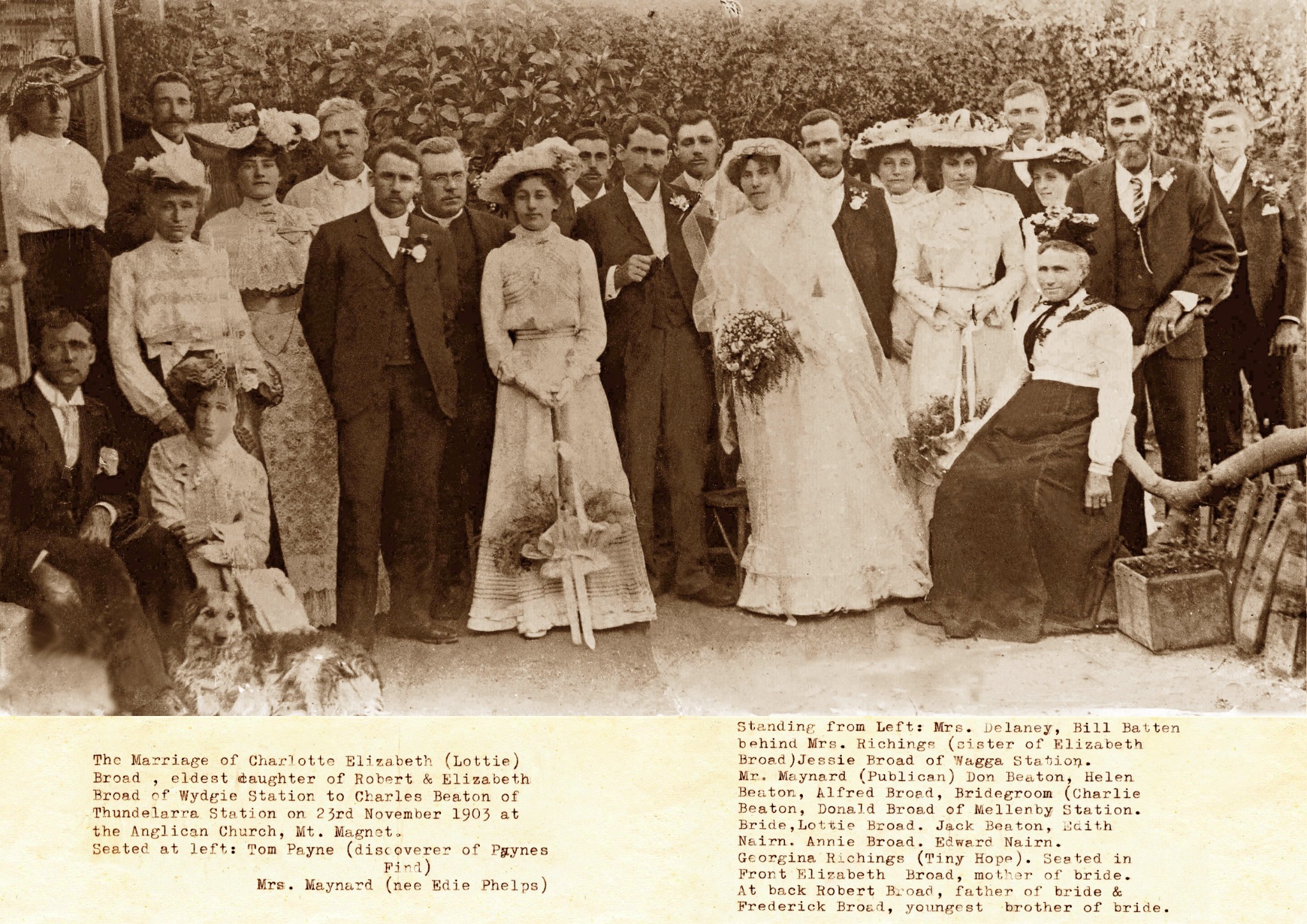
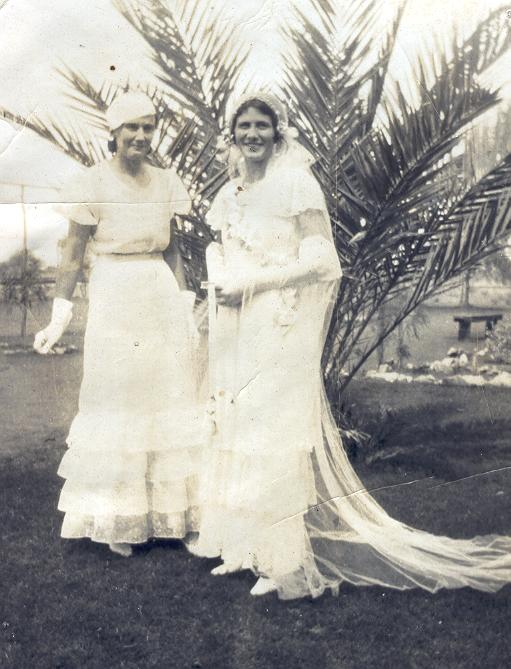
Charles and Lottie’s Wedding at Mt Magnet, 23 rd November, 1903.
The marriage of Charlotte Elizabeth (Lottie) Broad, eldest daughter of Robert and Elizabeth Broad of Widgie Station to Charles Beaton
of Thundelarra Station on 23 rd November 1903 at the Anglican Church, Mt Magnet .
Seated at Left :
Tom Payne (discoverer of Paynes Find), Mrs Maynard (nee Edie Phelps)
Standing from left:
Mrs Delany, Bill Batton behind Mrs Amelia Riching (sister of Elizabeth Broad), Jessie Broad of Wagga Station, Mr Maynard (publican), Don Beaton, Rev. Wilson, Helen Beaton, Alfred Broad, Bridegroom (Charles Beaton), Donald Broad of Mellenby Station.Bride ( Lottie Broad), Jack Beaton, Edith Nairn, Annie Broad, Edward Nairn,Georgina Richings (Tiny Hope), Robert Broad (father of the bride), Frederick Broad (youngest brother of the bride)
Seated on the right:
Elizabeth Broad (mother of the bride).
Charles Beaton
CHARLES was born on 13th May, 1870 in Copmanhurst N.S.W. and was only nine - ten years of age when the family moved to Adelaide, and after completing his schooling was apprenticed to a coach builder and was always known as a good tradesman. The school was in Parkside S.A and Peter Dawson (the well known Australian Tenor ) attended the same school as an apprentice plumber.
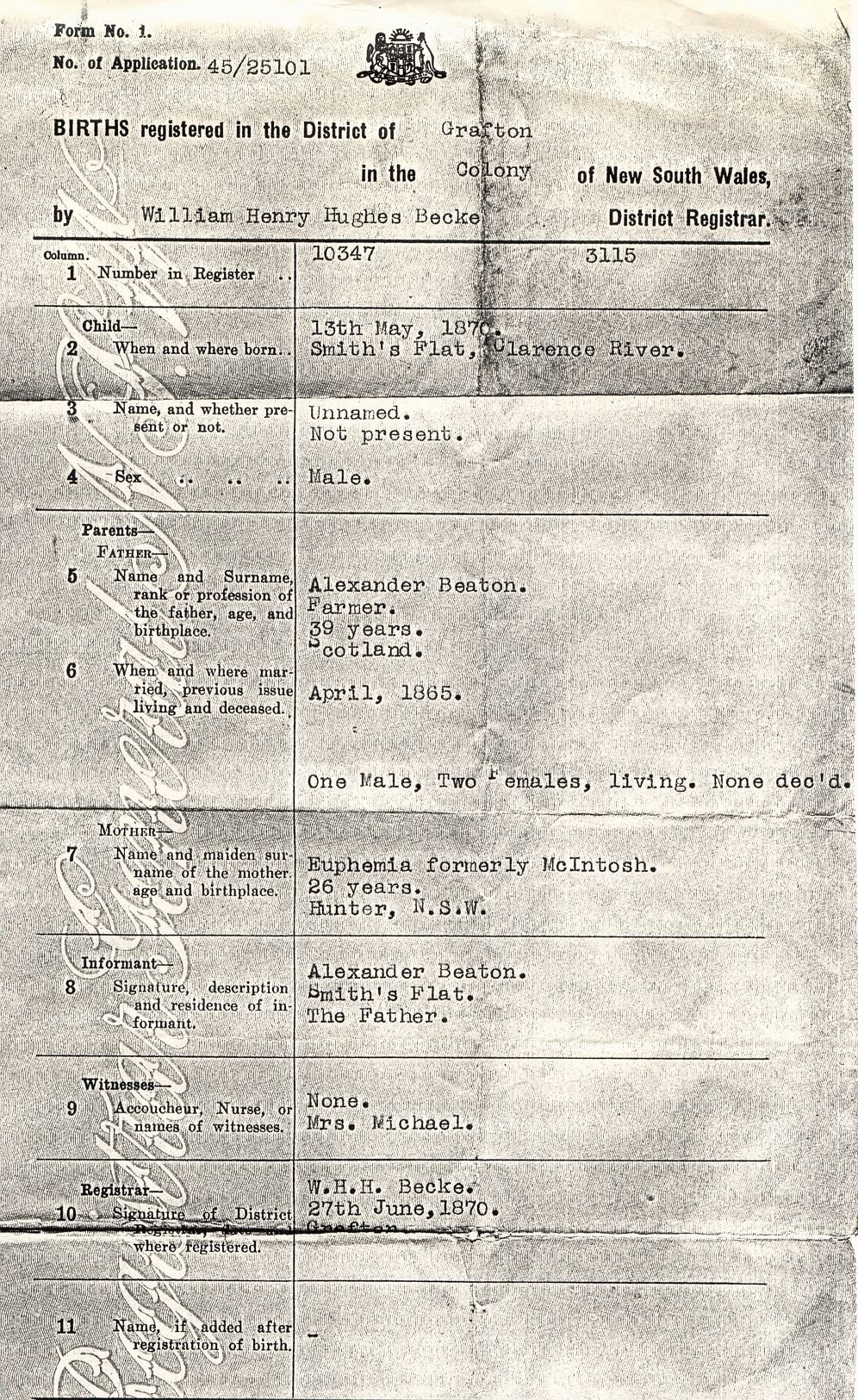
Right: Charles’ Birth Certificate.
Below: Charles and James at Thundelarra . c 1900
Charles arrived in W.A. on the S.S.Flinders in October 1888 with his brother Finlay, to join their father Sandy on the Nullagine goldfield. Charles is captured in a photo with his father, Alexander and his brothers, Finlay, Jack and Ken, working the claim at Beaton’s Hill.
Following their success at this find the family initially bought farmland at Yandanooka and in 1897 a pastoral lease, Thundelarra Station, in the Lower Murchison.
On 23rd November 1903 Charles married Elizabeth Charlotte Broad (known as Lottie).
They were married in Mt Magnet at All Saints Anglican Church and several members of the family are pictured below with family friends in the group photograph on the facing page.
During Charles and Lottie’s early years on the station a new house was built, kitchen separate from the living quarters as was the custom then, verandahs all round, tennis court etc.
This house, although having had alterations and renovations is still occupied and in good condition now nearly 100 years old.
Their family of eight children arrived over the next seventeen years.
When Ron, the seventh child was born, Charles drove the buggy to Yalgoo to bring Lottie’s mother Elizabeth Broad as midwife. Upon arriving home Charles took the children for a walk in the bush and when they returned there was a beautiful baby boy.
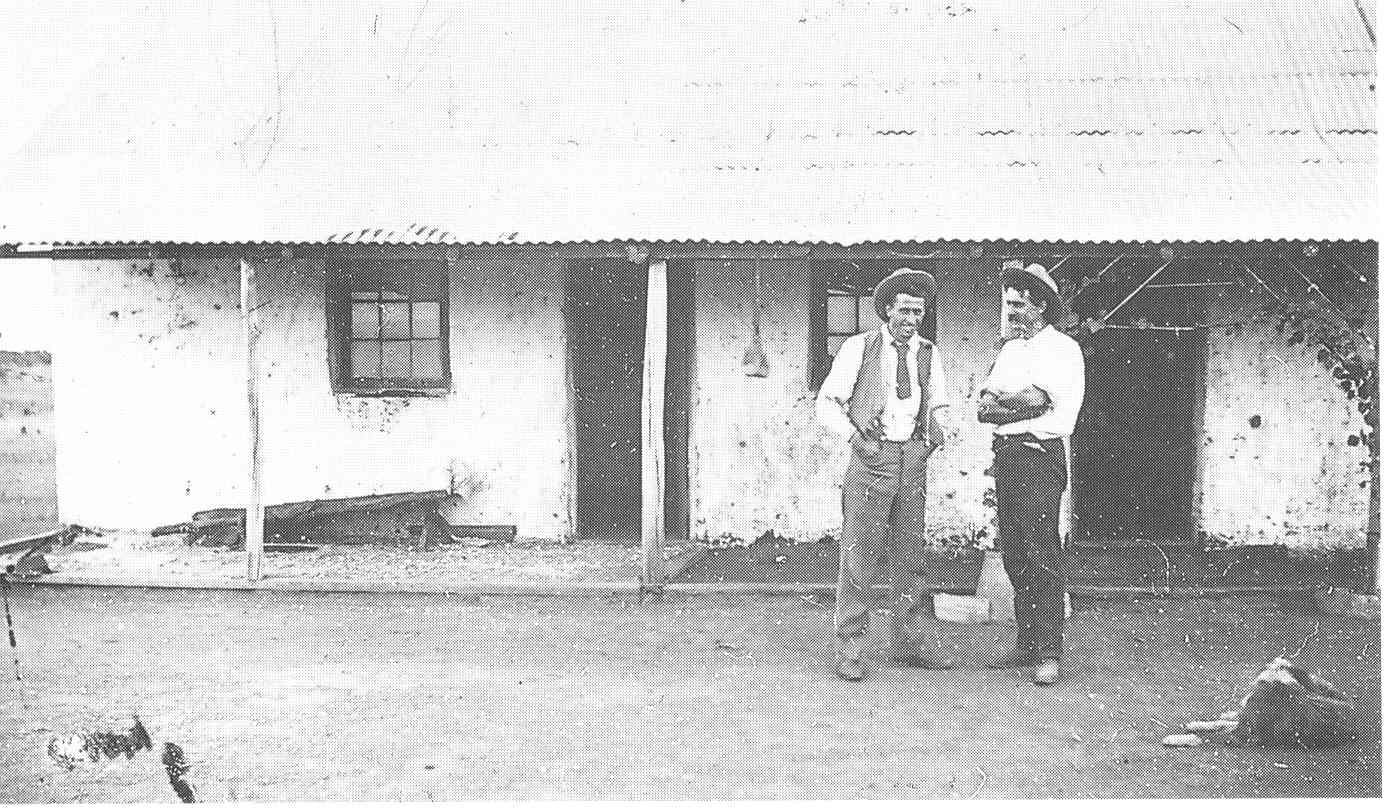
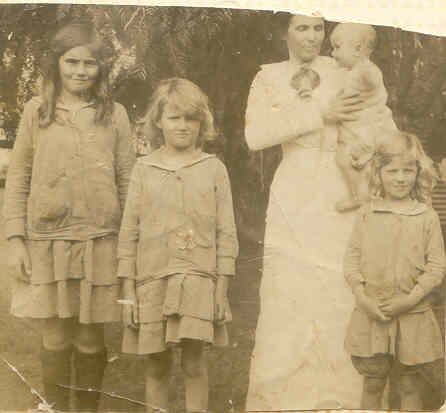
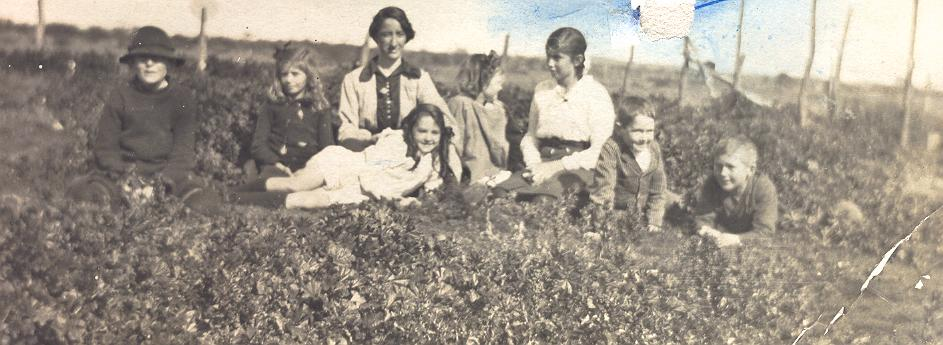
Thundelarra Station. c1915.
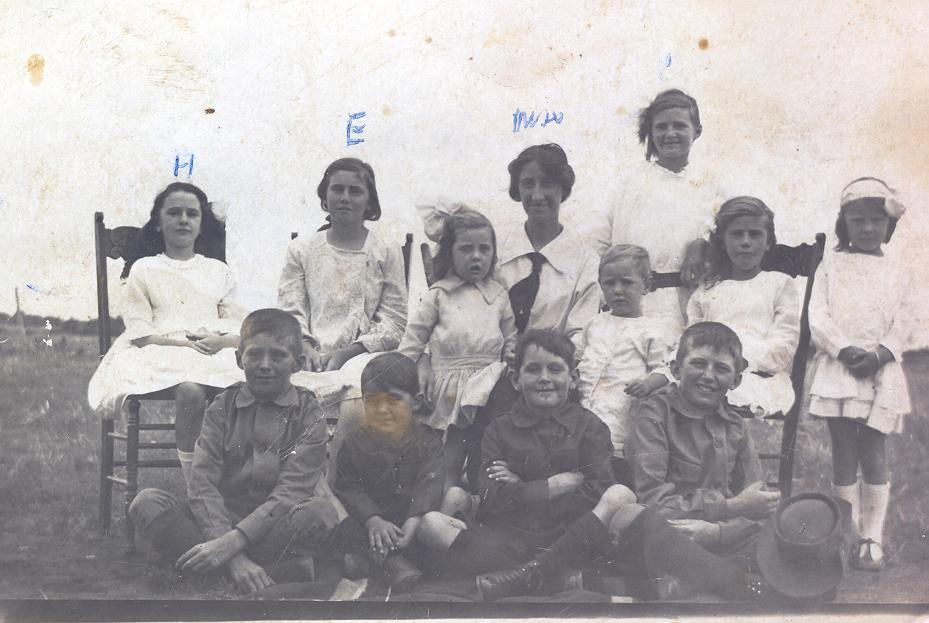
The school housed the Don and Charles Beaton children and the windmill man’s family.
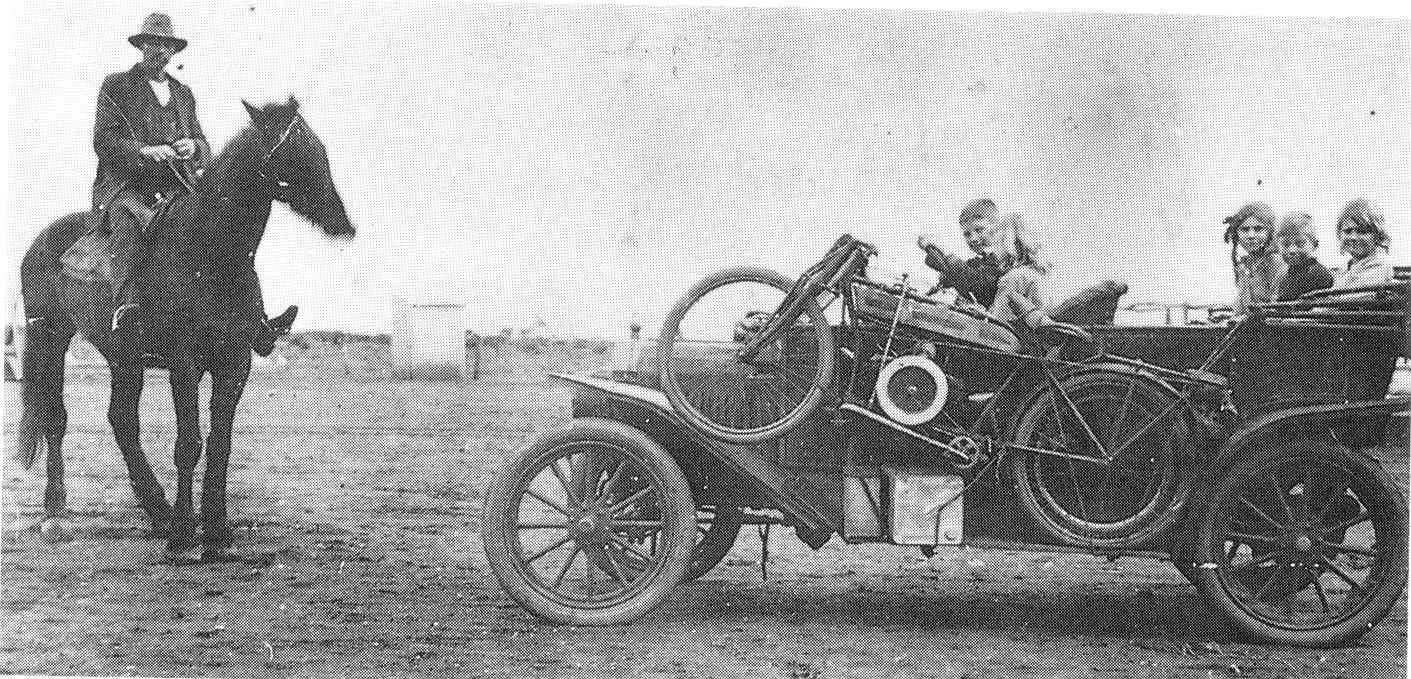
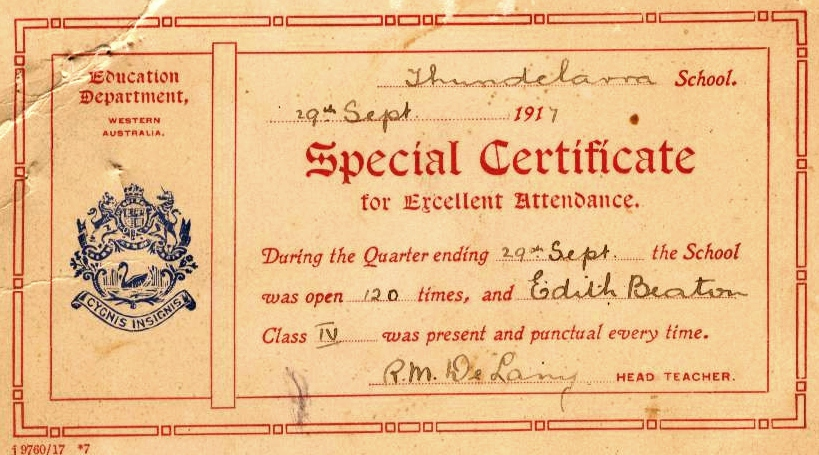
Letter to the Editor, “Geraldton Express” printed on the 1 st January 1904.
THE DINGO PEST
Sir, - Your leading article in the ‘Geraldton Express’ of 17 th inst , re dingoes, should have the support of all persons interested in the breeding of sheep. The annual loss to the State through the ravages of the dingo, is considerably more than many would suppose. During my seven years residence in this district, not one year has passed without many losses from this pest, and this year they are more rampant than during any previous year.
A few dogs get poisoned every year, but still they come. A couple of dogs in a lambing paddock for a week will mean the death of hundreds of lambs. To show what apathy is shown in this serious matter, by some persons, I quote an instance. A kangaroo - hunter went to a certain amount of trouble to kill two dingoes, and having taken the necessary parts for the securing of the premiums, he had them sent to a prominent Justice of the Peace for collection,
and (so I am informed) the parts were returned with the reply that the Government had discontinued the reward for the destruction of dingoes. This cannot be so However, the fact remains that this man is quite satisfied that spending time killing dingoes is not profitable; and he in turn will no doubt tell others that nothing can be got for killing dingoes.
I have heard that the Government intend publishing the method by which ‘Dingo’ Ross traps the dogs.
If this is so, it is a step in the right direction, and should lead to satisfactory results.
I trust that our legislature may thoroughly grasp the importance of this matter, and offer a premium that will induce men to try and destroy the wary, but most destructive dingo.
Yours, &c.,
CHAS.BEATON. Thundelarra , June 20, 1904.
“A.Beaton and Sons”, worked Thundelarra Station until ownership eventually came down to three of the sons, Charles, Jack and Don.
In 1918 Charles sold out his share of Thundelarra Station to Jack and Don and took his family to Perth. Understanding is that the station, not being a large landholding, would not sustain a livelihood for three families after Jack’s planned marriage in 1919.
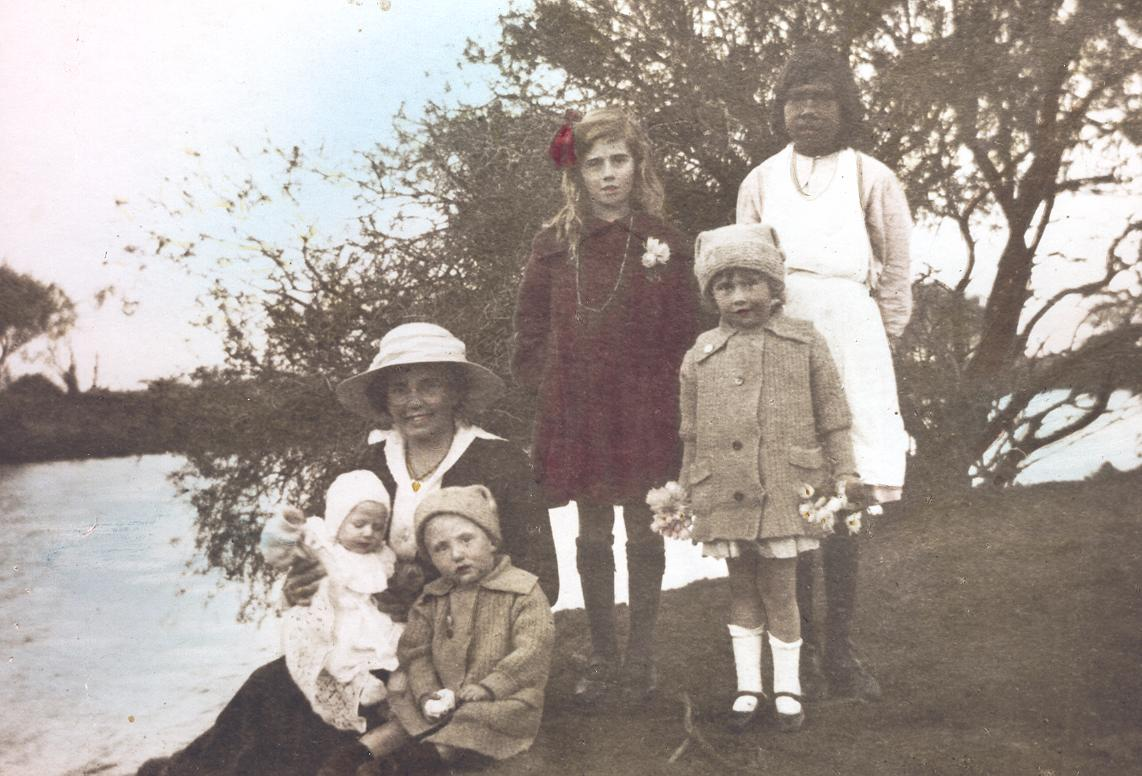
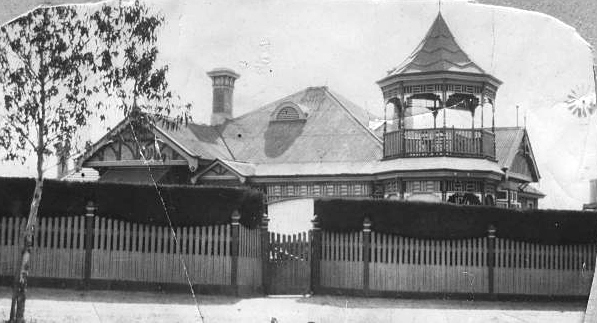
First, the family lived at the Ocean Beach Hotel, Cottesloe and then bought 28 Park Road, Mt Lawley. Charles owned this property for approx five years, it is now the “Mt Lawley Private Hospital”.
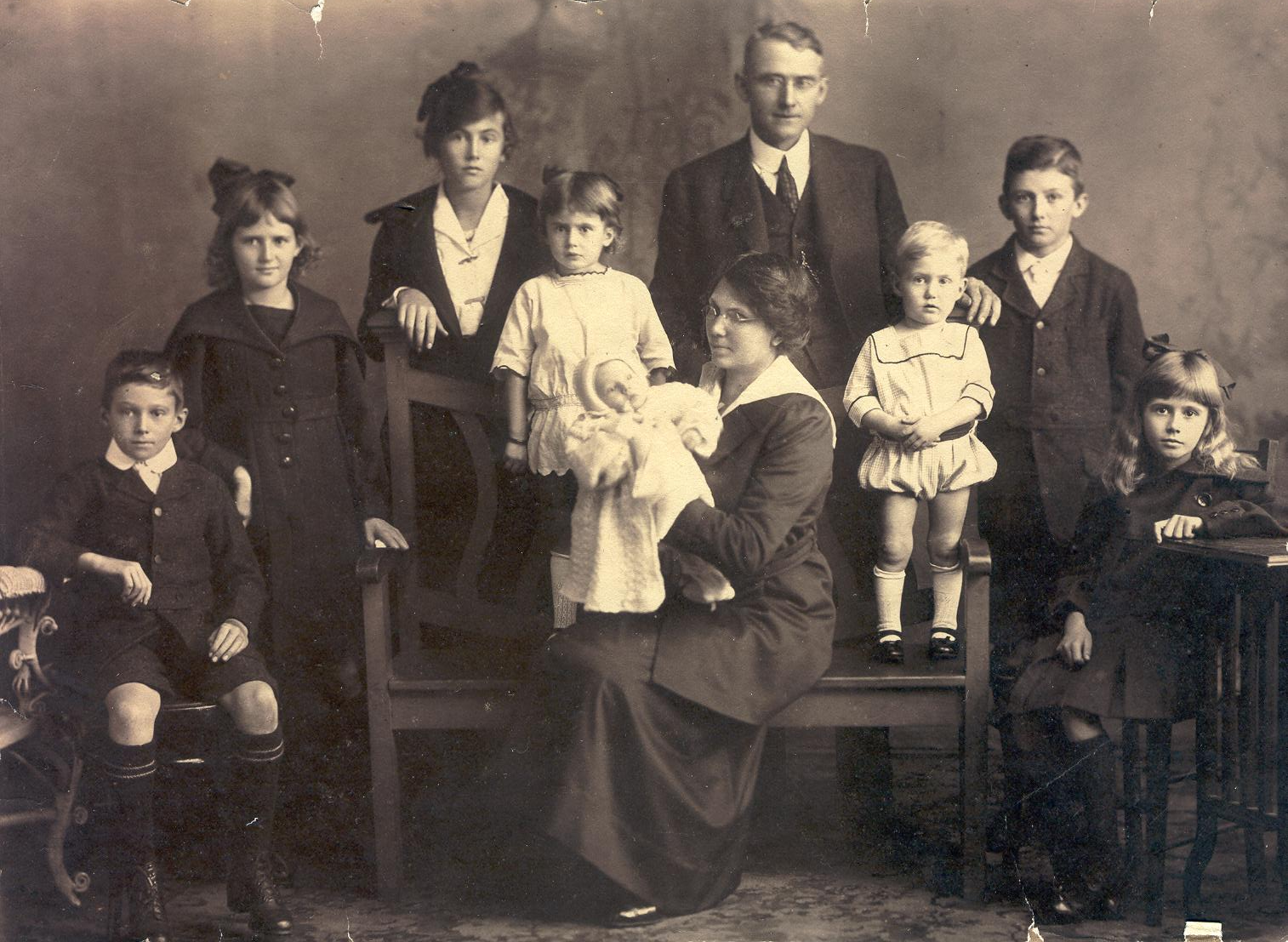
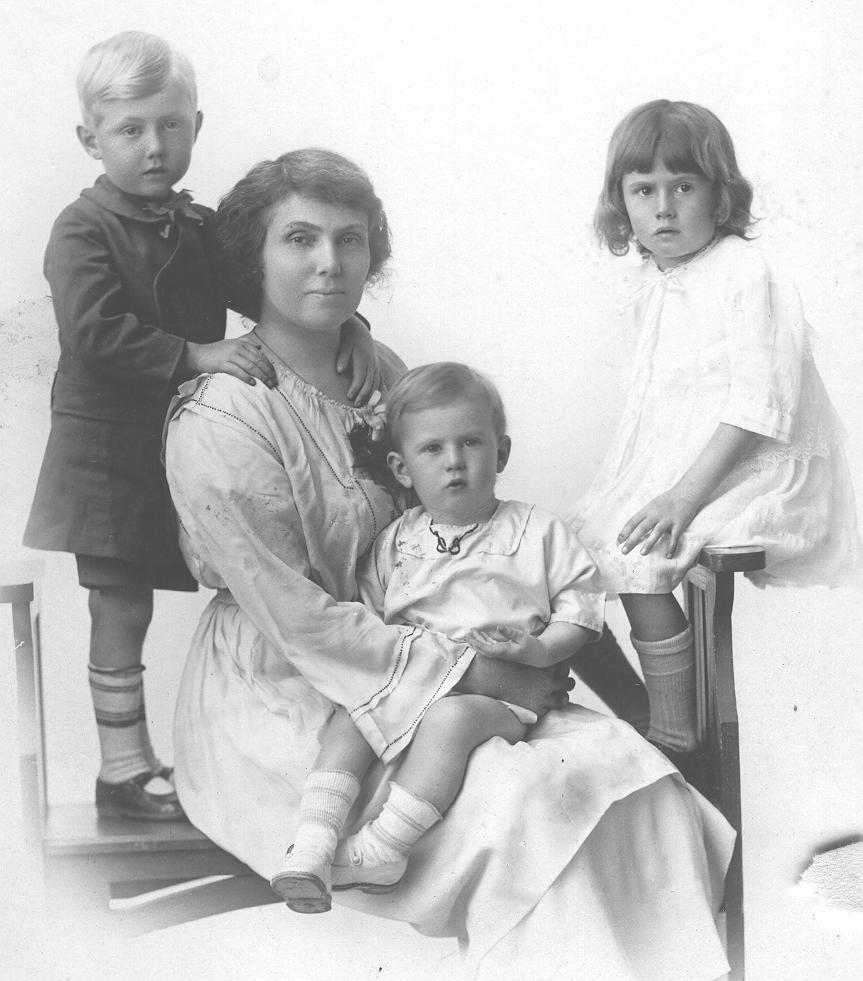
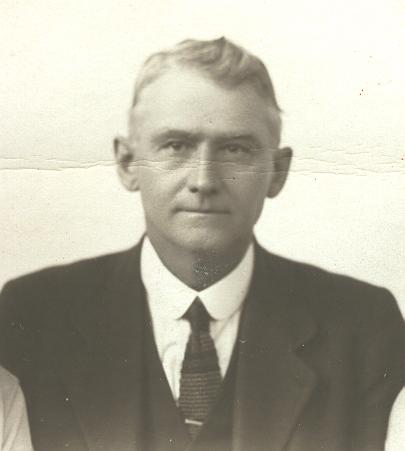
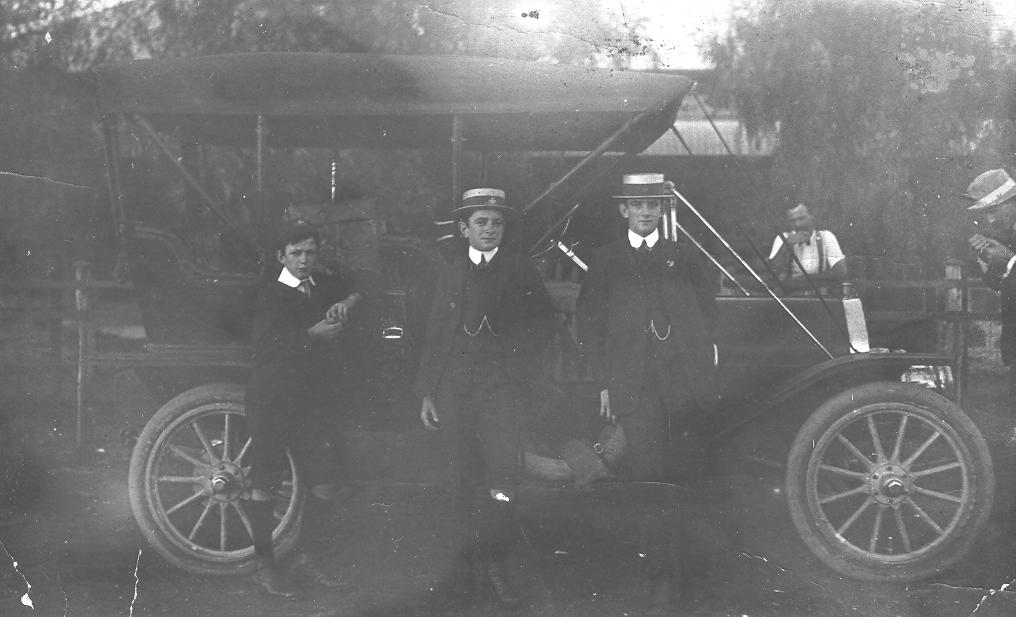
In 1919 Charles, in partnership with Lottie’s brother, Fred Broad, purchased Cogla Downs Station, between Cue and Meekatharra.
Cogla Station covered 560,000 acres and carried 14,000 sheep at a ratio of 14 acres to a sheep.
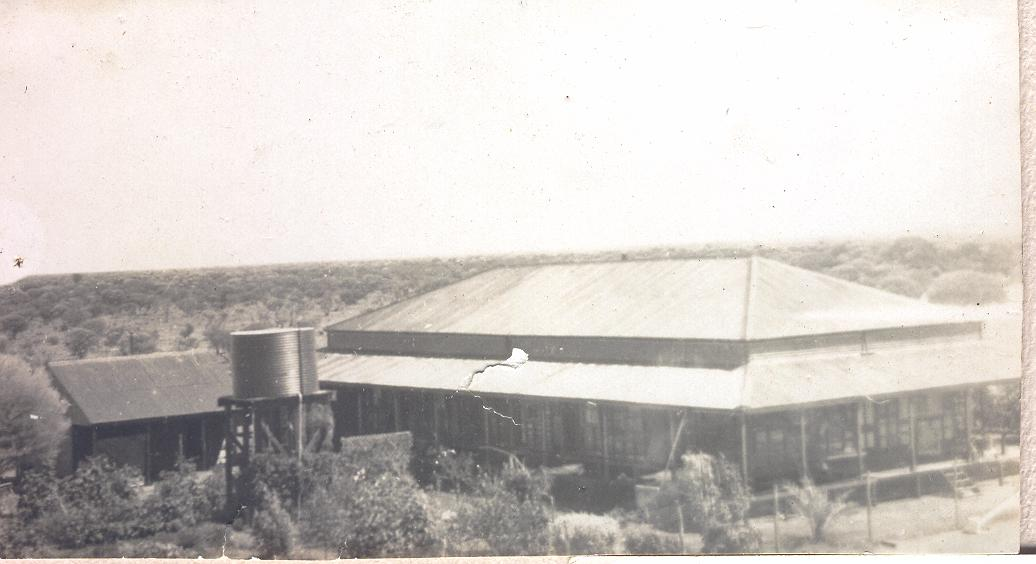
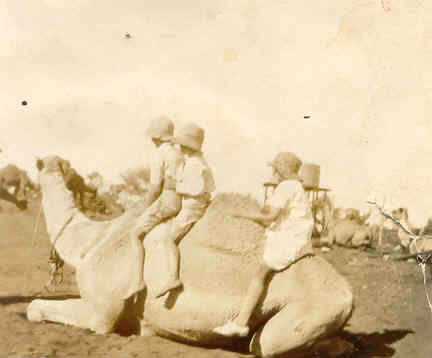
In 1927 Charles, with the help of his two elder sons and jackaroo (Ashton Craven), dismantled the Barambie Hotel, fifty miles away. They carefully numbered all the sections and after transportion by camel dray to the present site, rebuilt it as the main
homestead at Cogla.
They even reused all the roofing
nails which had galvanised caps. After Charles made a tool to straighten the caps, Ron and Peter had the job of straightening the caps and nails.
Cogla Downs Station is a long thin shape and this family house was built near the property border at one end. When surveyors checked neighbourhood lines with Cogla Station it was found that the homestead erected by Charles and the boys was actually placed metres outside the station property. An agreement was reached with the neighbourhood owner to redraw the property boundary’s in exchange for approx. 1000 acres, thus saving the need to move the house.
They had bumper years on the station in the early to mid twenties but then came the depression of the thirties. Coupled with drought at that time, life on the land became harder financially.
All farmers and pastoralists battled prices and seasons at this time. In 1932 Ron took 3-4 days to drive wethers from Cogla to Cue, where after being yarded in a temporary chaff bag yard, they were then railed to Perth.
On arrival Charles had to pay 4/- a head to sell them.
Charles and Lotties’ sons and daughters helped to run Cogla until they left to marry or take up alternative careers. With their lawns, gardens, fruit trees, tennis courts and golf course Cogla became a home from home for the young men and women in both the pastoral and mining avenues in the district.
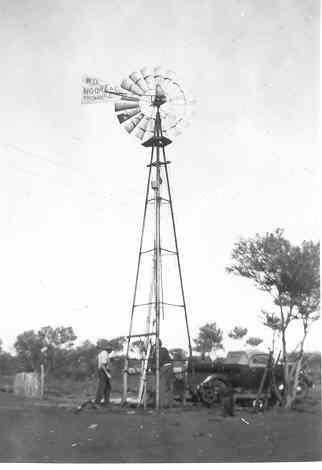
‘The Boss’ had installed a drip feed water system through the “bough shed” adjacent to the house.
Jim and Winnie visited Cogla from Big Bell, when Jim was employed there in the late 1930’s. Winnie also told of the drip feed innovation and took back to Nannup some of the ‘Old Man Saltbush’ seeds, relating how Charles had used them as a hedge and windbreak around the gardens.
In 1937 growers were receiving 39 pence (40c) a lb. for wool
Then came World War 11.
Both Alex and Barlie were man-powered to the land for the duration of the war.
In 1946, after having both served in the forces during WW2, Charles and Lottie’s daughter Charl and son Ron bought a house at Mundaring, where they took their parents to live for several years before they sold and moved to 14 Lyall St. South Perth.
In the early 1950’s, wool prices skyrocketed to £1 ($2.00) a lb.
Ownership of Cogla went to Alex and Barlie after they bought Alf Broad’s share of Cogla from him, and in approx 1954, Alex bought Barlie’s share of Cogla and became the sole owner of the property.
Ron and Madge were married on the 17th July, 1954 and returned from their honeymoon early after receiving the news that Charles had passed away.
Charles was 84 years old when he died at the South Perth home on 25th July, 1954 .
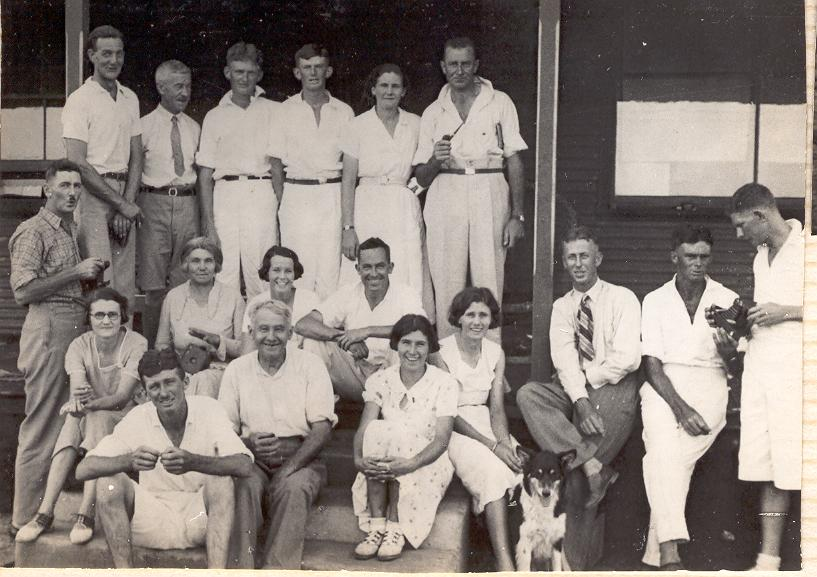
Top Row L to r: Unknown, Colonel Mansbridge , Ron Beaton, Peter Beaton, Edith Beaton, Malcolm McLeod.
Middle Row L to r: Alec McLeod (Mine Manager,Reedy ), Charl Beaton, Lottie Beaton, Mrs Hinchley , Dr Hinchley .
Front Row L to r: Alex Beaton, Charles (‘The Boss’), Jean Beaton, Margaret Beaton, Jack McKay, Barlie Beaton, Harold Thomas, Whiskey the Dog.
This photo was taken before any marriages.
Margaret married Jack McKay and Jean married Harold Thomas in Cue during 1934.
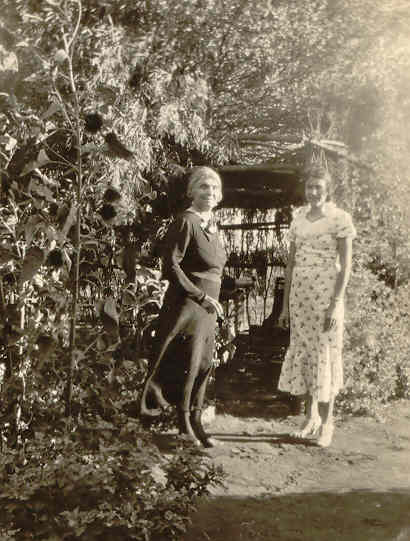
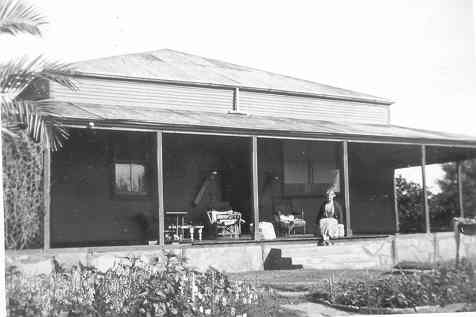
Left: Lottie and Jean at the shadehouse .
Above : Front Verandah..
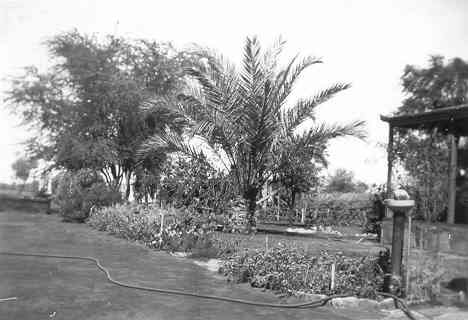
Below: Front garden.
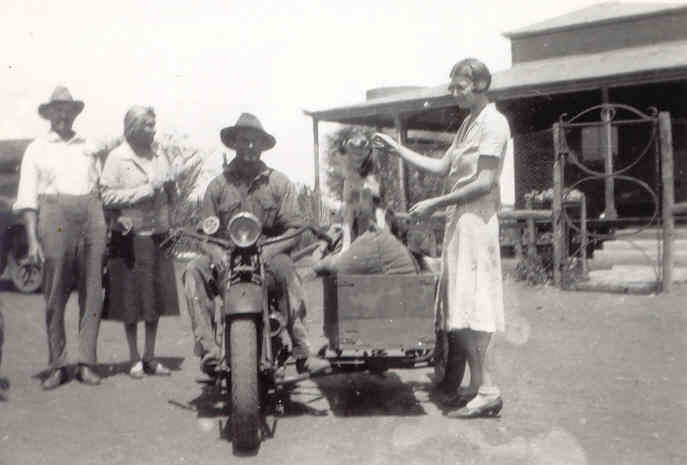
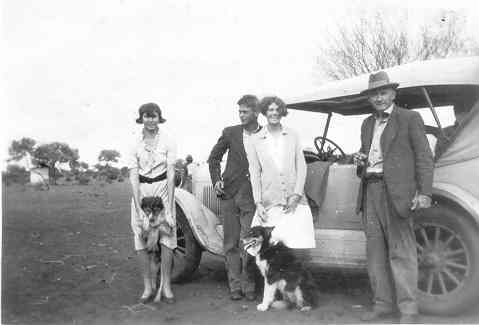
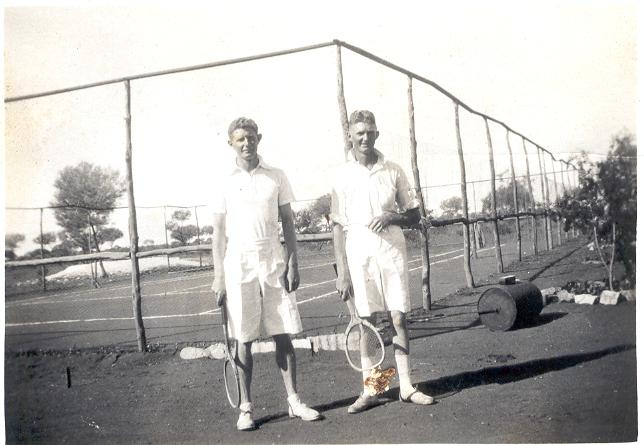
Harold Thomas and Ron Beaton ready for tennis at Cogla Downs.
Recorded by P.R..Heydon in his book “Just A Century Ago”, a History of the Shire of Cue.
Published by Hesperian Press in 1987.
Page 66 : 1923: On July 5th Day Dawn, Country Wards and Cue wards were
balloted for and C.Beaton was one of the successful candidates.
Page 75: 1931: The financial position of labourers, business men, and pastoralists, in
the depression, was serious. So much so that on 8th August Mr W.A.Pearse
gave notice that at the next meeting he would move :
that the Hon. Minister be asked to grant the Board permission to make
reduction of a halfpenny in the pound on the rates struck on the unimproved
capital value.”
The motion was put, and carried, and the Minister was asked to give
permission for the Board to grant a rebate of 25% on the rate struck for the
current year on the unimproved capital value. At the next meeting, Mr
C.Beaton resigned his seat on the Board because of his inability to pay his
current rates. However, his resignation was not accepted, and the members
moved that an extension of time to pay the rates be granted. Mr.Beaton was
absent, and sent apologies, for a number of meetings and, reading between
the lines, it could be said that he was embarrassed at his inability to pay his
dues. The rates were cleared on 11th February, 1933.
Page 79: 1934: Board Member, Mr C.Beaton, also told of a conversation he had had
with the Manager of Triton Gold Mine suggesting that application be made
for a special grant for clearing the streets of Reedy, and for opening a
sanitary service for the new town.
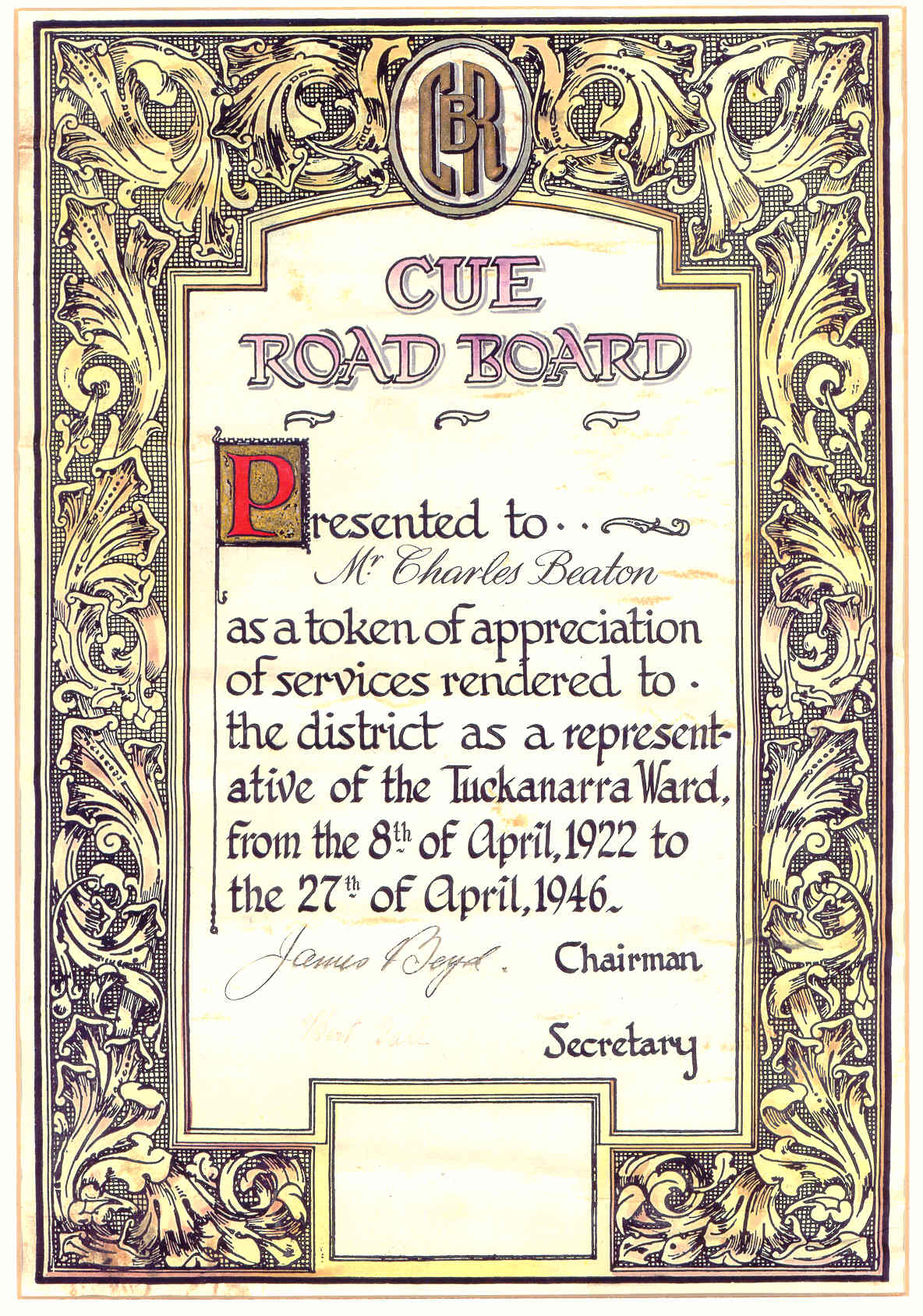
Page 95: 1946: A special mention was made in the Minutes of April 9th “Mr.
Charles Beaton, is today, attending his last meeting as a member of the
Board. He has decided not to re-nominate. He has been a member of the
Board since 8th April, 1922.”
Page 162: List of Members: Beaton, A.R 1938-39, 1949-50 to 1950-51.
Beaton, C. 1923-24 to 1933-34, 1935-36 to 1945-46.
Beaton, D.A. 1972-73 to 1979-80.
Page 170: Long serving Members of Country Wards were:-
Mr C.Beaton, Cogla Downs Station.
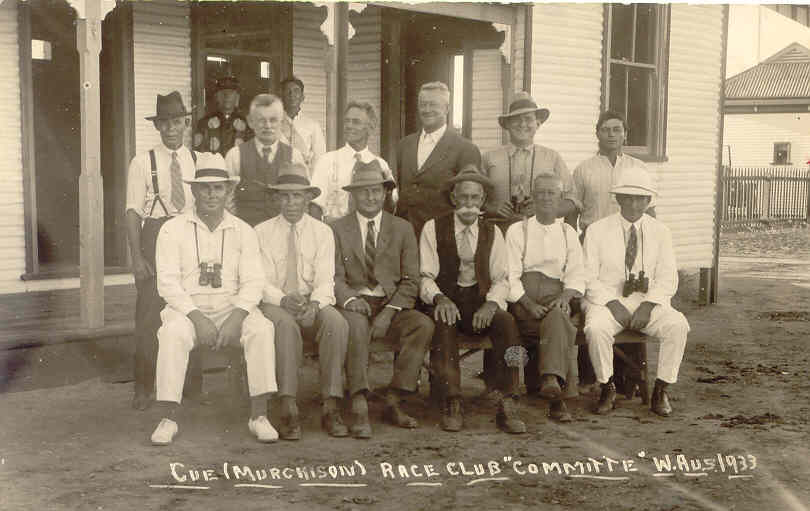
Page 199: Has a photograph of the Members of the 1933-34 Cue District Road Board
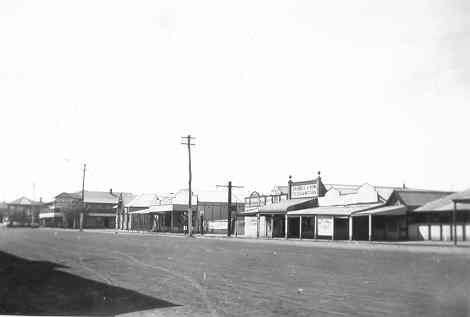
including C.Beaton and P.M.Morrisey
(whose son Jack became the eventual
owner of Thundelarra Station).
THE MURCHISON TIMES , SATURDAY, JUNE 21 1930.
(This is included to give a view of the era. )
CUE ROAD BOARD MONTHLY MEETING
The monthly meeting of the Cue District Road Board was held on the afternoon of the 11th inst, when there were present Messrs Mahood (Chairman), Clarkson, Boyd, Morrisey, Beaton, Meehan, Pead, Peken, and the secretary (Mr G. A. Wright).
In a brief discussion on business arising out of the minutes of the previous meeting two or three members stated that they had received complaints regarding the unsatisfactory manner in which the sanitary arrangements had recently been carried out. It was resolved to further investigate the complaints that have been lodged.
Correspondence
From the Chief Inspector of Rabbits, requesting that proper attention be given to the drying of dingo skins and the heads of eagle hawks.
From the Union Bank, seeking information with regard to the whereabouts of Mr F.W.Lang, an erstwhile resident of Day Dawn. The secretary was instructed to reply to the effect that some of the members of the Board were under the impression that the person concerned was now deceased.
From King Edward Memorial Hospital seeking financial assistance for that institution.
From Flynn Bros. intimating that cheque for skins had not been received. The secretary explained that the cheque had been forwarded to Yalgoo and had probably reached its destination since the letter of Flynn Bros. was written.
From the State Battery, forwarding information from the Mines Department for the use of the board.
From the Bank of New South Wales, relative to electric light coupons, and asking for the Board’s authority to make payments thereon.
From the Main Roads Board, intimating that the Cue District Board’s contributions from license fees for 1927-28 were due, such being 8 pounds 14 shillings for construction work and 23 pounds 18 shillings and one penny for maintenance.
From Under secretary for Public Works, regarding assets of Nannine Board and regulations concerning Alsatian dogs.
From J.S.Hince, asking for the use of the recreation ground for the football season. The application was granted.
From the Historical Society of Western Australia, relative to memorial for the late Sir James Stirling and asking that subscription lists be opened with the object of obtaining financial assistance.
From Main Roads Board, enclosing litho showing the route of the Midland Junction - Meekatharra main trunk road. The secretary was instructed to reply stating that the pencilled route was not quite correct and was possibly only meant as an approximate course. It was also decided to make application for an apportionment of 5 thousand pounds on what is considered by members as the worst section of road within the Cue boundaries and described by travellers as being not only the worst within the boundaries of the Cue Board but also between Payne’s Find and Meekatharra..
From Roads Board Association, giving date of annual conference and asking the Board to appoint its delegates, Messrs Meehan and Clarkson were appointed as the Cue Board’s representatives.
Road Board Administration
Correspondence was read in regard to alleged suggestions of an effort being made by chartered accountants to bring about an alteration in the present method of keeping the books of Road Boards.
The Chairman expressed the opinion such suggestions as those outlined appeared to attempt to dispense with all secretaries who might not be members of the Chartered Accountants’ Association. He considered that the present system of keeping the books of Road Boards was a simple one and was something that could be readily understood by any member of a Board. Members were expected to have a knowledge of how the various accounts stood from time to time, and under the suggested change such a state of affairs would be almost impossible.
The Board resolved to favour the retention of the present method of book-keeping for Road Boards, a motion to that effect being carried without a dissentient.
New Territory in connection with the allocation of taxes due on portion of the area recently taken over from Nannine Board, the secretary was authorised to communicate with the Meekatharra Board seeking further information on the matter.
Payments of Rates and Taxes the secretary was instructed to institute legal proceedings for the payment of all outstanding rates and taxes.
Appointment of Valuator for the year 1930-31 the secretary of the Board (Mr G..A.Wright) was appointed valuator at the usual fee.
Finance the monthly statement as presented by the secretary disclosed a debit balance of 36 pounds 18 shillings and 10 pence at the bank and a credit balance of £20.9.6 ($41.90) at the Treasury.
Accounts totalling £402.18.10 ($807.80) were passed for payment of which £57.16.9 ($117.40) remained to be paid after the meeting.
Traffic Control several members brought under notice the frequent complaints that were being received in regard to breaches of the Traffic Act.
In view of the fact that the secretary had little opportunity of carrying out the duties of a traffic inspector, due to the heavy pressure of other work, and the location of his office some distance from the main thoroughfare of the town, it was agreed to communicate to the Commissioner of Police offering all fines resultant from traffic prosecutions if the Police Department would permit its officers to carry out the duties of a traffic inspector.
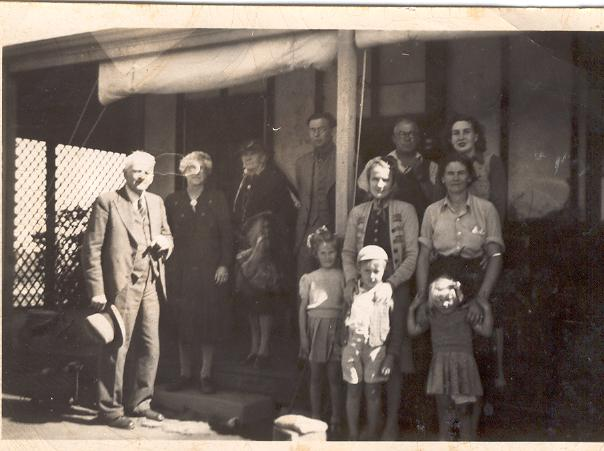
Family gathering at the ‘Fisher’ house,
43 Darlot St,
Charles is on the front left, Mollie, Anne and Robert in centre front, Edith and Marian are on the right front.
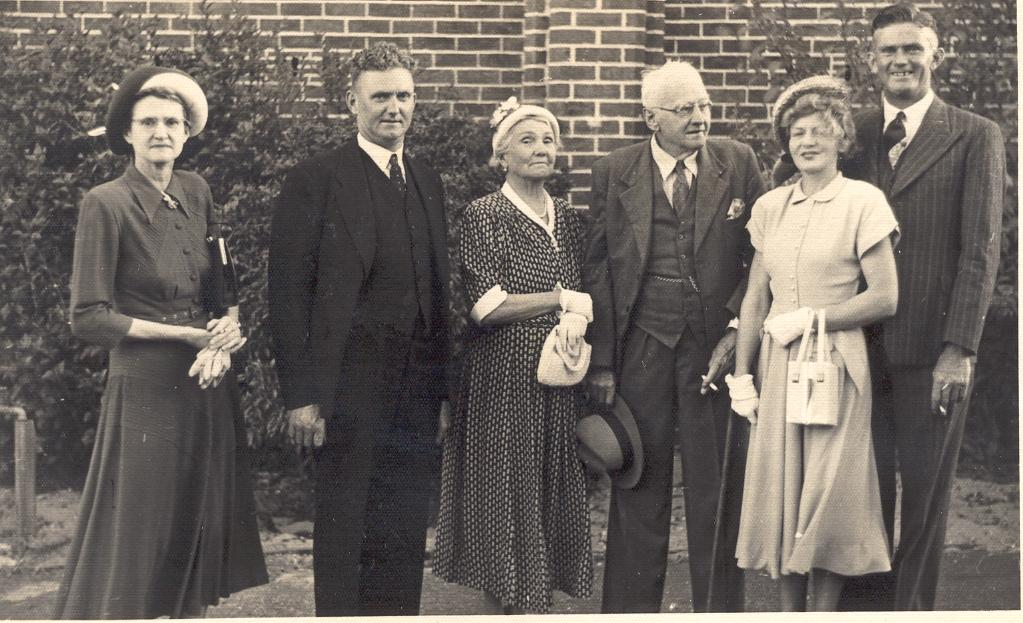
L to r: Charlotte, Ron, Lottie, Charles, Connie and Peter Beaton.
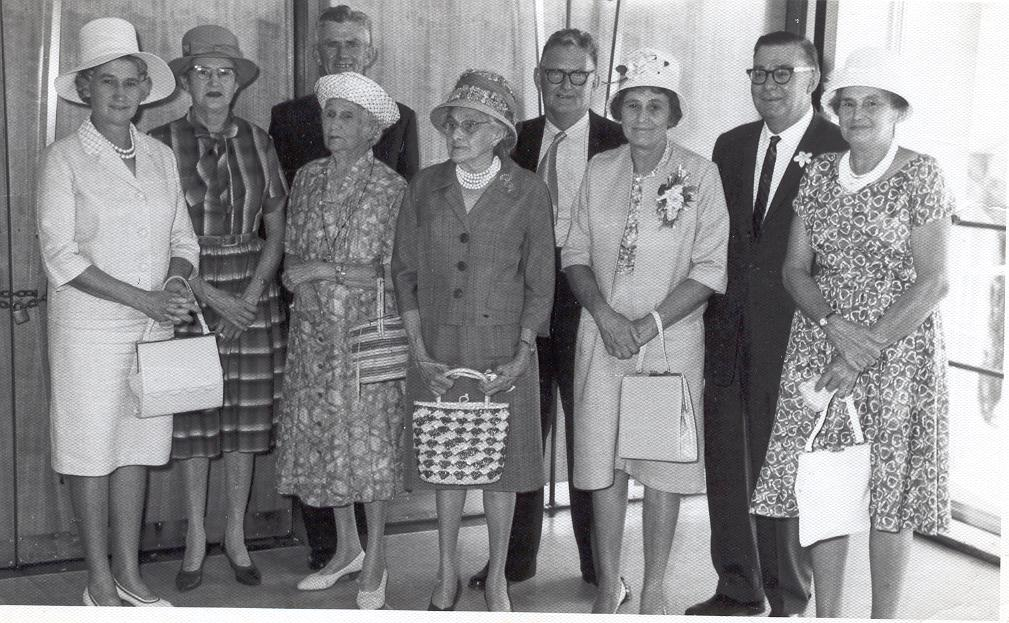
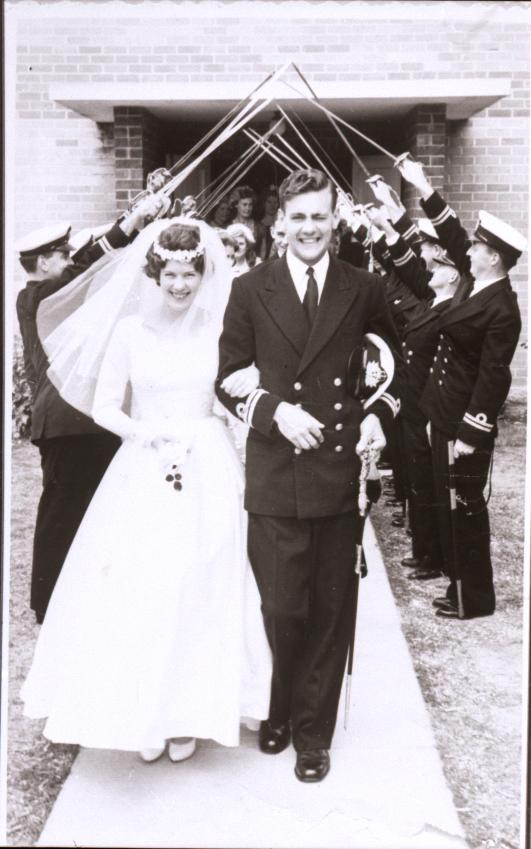
Heather and Lance Halvorson’s Wedding
December 28 th , 1963
L to r : Jean, Charl , Peter, Lottie, Aunt Annie Hall, Ron, Margaret, Barlie and Edith.
Family stories.
Charles had the first motorised vehicle licensed in the Shire of Cue Day Dawn and therefore had the number plate ‘CD1’. He also, over time, had a truck with the number plate ‘CD 10’.
The story goes that the family had a city lady visiting the station. She was rather snooty and looked down on “country folk”.
Charles became rather sick of this attitude and when asked what the CD on the number plates was for he saw his chance and replied,
“Why, Cogla Downs of course. The station is so large we have our own number plate!”
-
Charles, on finding some of his children smoking his cigars, made each of them smoke the cigars until they were sick !
-
A beautiful new hat bought for a special race day. On the day found to have been put to a better use by a mother cat looking for a comfortable bed to deliver her kittens.
All stories recalled with laughter over the years.
Yalgoo Museum
There are several articles on display from the Beaton family.
A handmade rocking cot.
Made by Charles Beaton in the Blacksmiths shop at Thundelarra for his sixth baby, a daughter, Jean.
It was subsequently used for two later sons.
The cot was given to Jean by her mother and used for Jean’s four children. Jean’s daughter also used it for her two children. Donated by Jean Thomas.
A Medicine Cabinet.
Used at Thundelarra Station, includes a copy of Johnsons First Aid Manual, 1912 .
A Sovereign Case.
Found during the demolishing of a building in Yalgoo and given to Charl Beaton to use for her sixpences when parking meters were first installed in Perth Streets, 1950’s.
Charles born: 13th May, 1870 Copmanhurst, New South Wales.
Married: Charlotte(Lottie) Broad born 1st January, 1882 Narrandagi, U. Irwin
On: 23rd November, 1903 at Mt Magnet
Children: Edith Euphemia 29th August,1904
Alexander Robert 29th December,1905
Charlotte Elizabeth 28th March,1907
Charles (Barlie) 7th September,1908
Margaret Anne 21st April,1910
Jean Isobel 5th November,1914, Geraldton.
Ronald Malcolm 29th February,1916
Peter Roderick 15th April,1918, Claremont
Charles died 25th July,1954 and is buried at Karrakatta
Lottie died 16th March, 1975 and is buried at Karrakatta
Entry’s from a Diary kept intermittently by Lottie from Oct 1st,1942 to Sept 22nd, 1966.
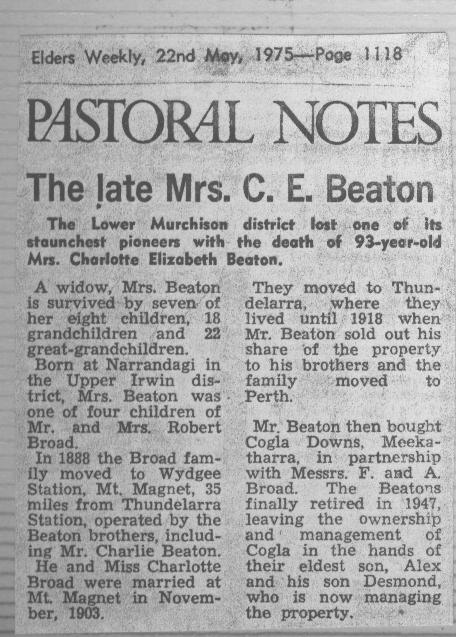
Obituary for Charlotte (Lottie) Beaton ( nee Broad )
In the year 1882 on 1 st January, Elizabeth, wife of Robert Broad, was delivered of a daughter, Charlotte Elizabeth, at Narrandagy in Upper Irwin District of W.A.
They already had one son, Alf, and in subsequent years, another daughter, Annie and another son, Fred.
About 1888 Bob and Lizzie Broad became owners of Wydgee Station, Mt Magnet and moved from Upper Irwin, with their four children and all their worldly possessions by horse drawn wagon to Wydgee.Here they settled for many years, shepherding their flocks and coping with the hardships of a very isolated home, including the Aboriginals, who, at this time, had had very little contact with whites.
Trips by wagon once or twice yearly to Port Dennison was the main contact with the outside world, loading own with wool and backloading with stores etc. for the family homestead.
Lizzie was determined that her children should have some education and was able to employ a tutor, an Englishman named Bowmar , who, during the years he was at Wydgee , gave the four children enough elementary education to enable each of them to become responsible men and women in later life.
Social life for the growing up family was the occasional visitor and trips by buggy or horseback to Fields Find (a mining settlement now quite gone) and Payne’s Find.
The Beaton Brothers were operating Thundelarra Station some 35 miles away and it was from here that Charlie Beaton courted Lottie Broad. They were married in Mt Magnet at All Saints Anglican Church on 23 rd November 1903.
Lottie went to Thundelarra as a bride, and it was from here that her eight children were born, several of them on the station with the help of a midwife only from an adjoining station.
In 1918 Charlie sold out his share of Thundelarra to his brothers and the family moved to Perth for a time. He then bought Cogla Downs, Meekatharra, with Fred Broad as a partner.( Fred and Alf Broad by now owned Kirkalocka )
After many years of coping with droughts, and the various vissitudes which come to folk ‘on the land’, and seeing most of their family married, Charlie and Lottie retired in 1947, leaving the ownership and management of Cogla in the hands of their eldest son Alex.
Lottie Beaton died very peacefully at the age of 93 on 16 th March 1975, having survived her husband and both her brothers and sister.
She herself is survived by 7 of her 8 children, 18 grandchildren and 22 great-grandchildren.
Salute to a pioneer of the Lower Murchison District, who all her life was proud of her association with ‘the land’.
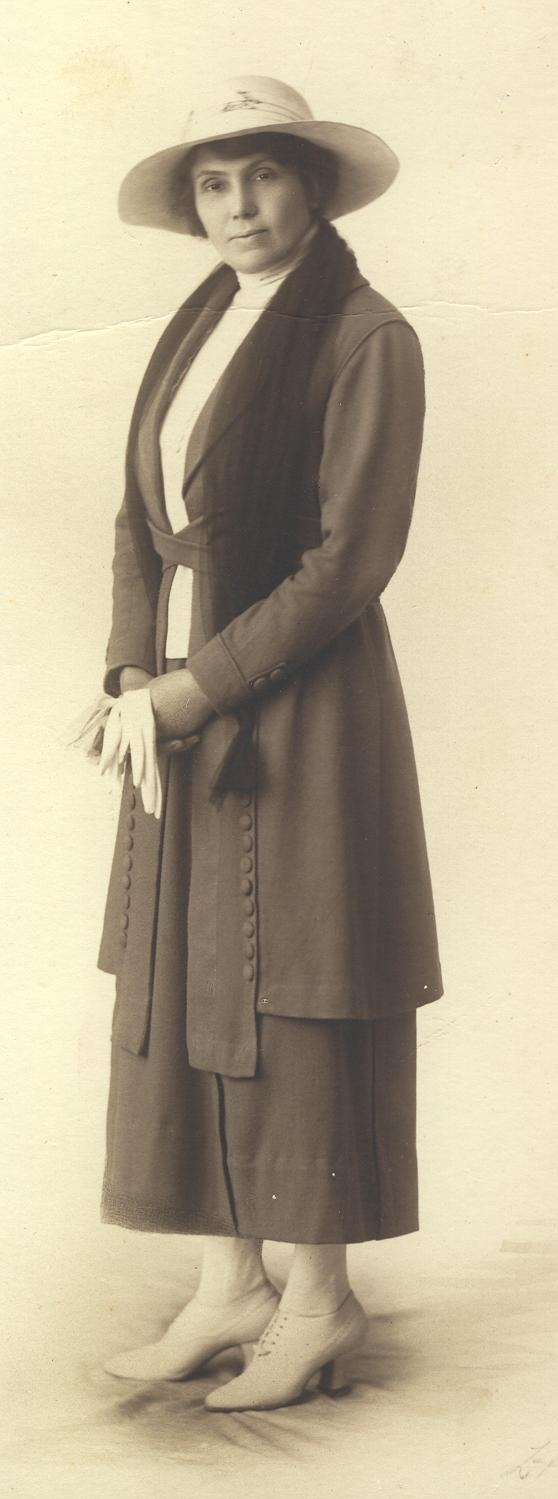
Edith Euphemia Fisher (nee Beaton)
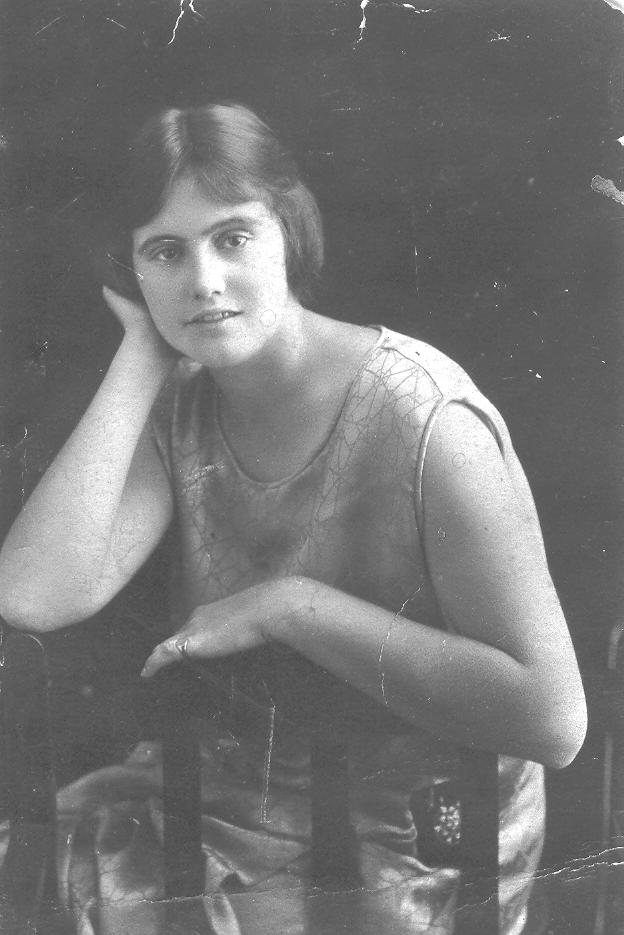
Edith, Euphemia was born in 1904 at Thundelarra Station where she spent her early childhood. In her early teens (1918) the family moved to 28 Park Road Mt Lawley where she attended Perth College. Several years later the ‘call’ back to the land found the family on the move again. In 1920, Charles purchased Cogla Downs Station near Cue and he and Lottie remained there until he retired in 1946. Edith always spoke very fondly of her childhood and young adult years. Being the eldest of the eight children, she spent many hours caring for the younger siblings, in particular Ron Jean and Peter. She would speak of the day that Ron was born. Charles (affectionately called ‘the Boss’ by the family) returned from collecting the ‘midwife’ from a neighbouring station near Thundelarra and took all the children for walk in the bush and when they returned there was this ‘beautiful healthy blonde haired baby’. She often spoke of him as ‘her baby’. However she held a strong affection for all her siblings and this continued through out her life. She was affectionately called ‘Sal’ by each of them.
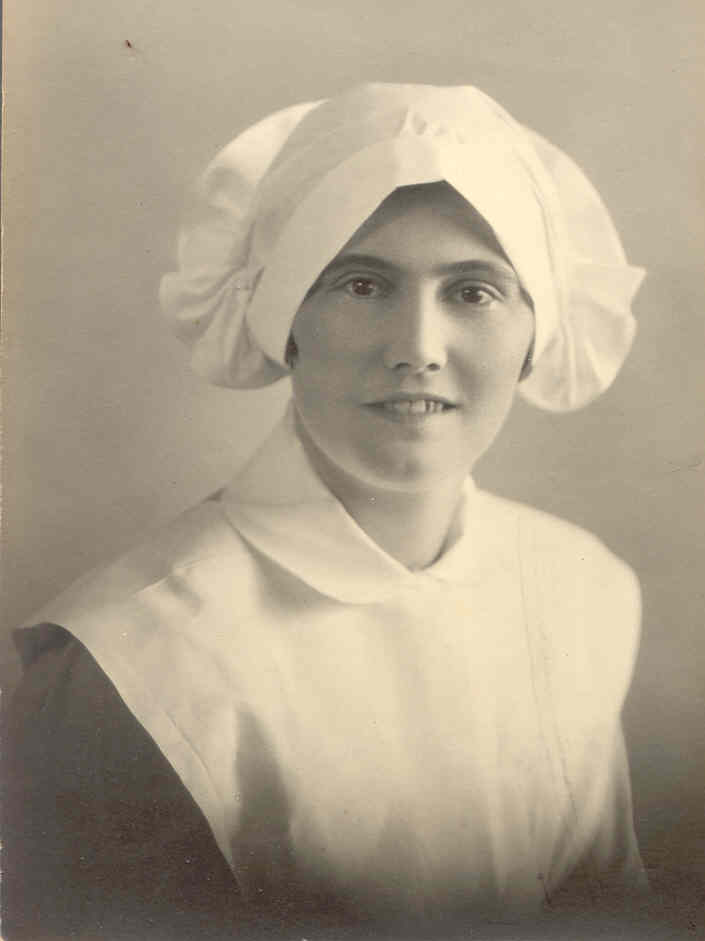
Edith, c 1920
Wearing a dress made by herself to wear to a ball in Albany in honour of the visit by H.R. H.Prince Edward.
Life on Cogla Downs was hard at times; the family were required to be self sufficient and very innovative. These characteristics were strongly evident through out Edith’s life as was her social warmth and love of people. The social life on the Station was well known in the Cue District and the family warmly welcomed visitors, who participated in tennis and golfing matches, meals and many other shared activities. Many a romance occurred resulting in a number of marriages.
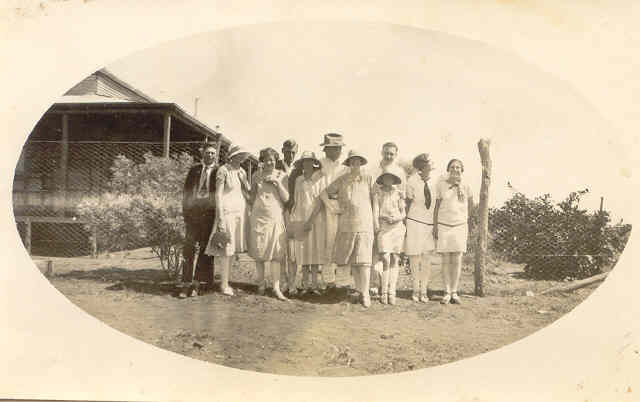
In 1928 Edith commenced nursing training at The Perth Hospital (later to become Royal Perth Hospital – she was often heard to say that ‘it was not very royal in her day!’). Charles was not very happy that his eldest daughter left to take up a nursing career or any career for that matter believing that ‘ladies’ should not go out to work. However after becoming a registered nurse in 1931, Edith spent time at both the Meekatharra and Cue Hospitals and ‘the Boss’ was very proud of her achievements.
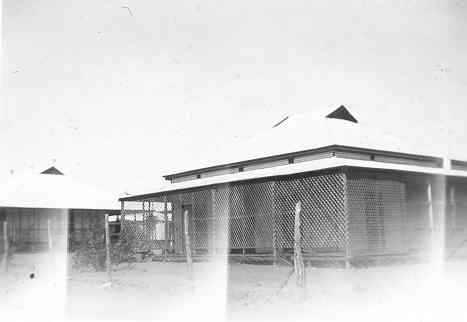
In 1940 Edith was accepted into the midwifery program at the Broken Hill Hospital, South Australia. She achieved this goal successfully and returned to the Meekatharra Hospital as a registered midwife. In 1941 she married William (Bill) Edwin Fisher in Perth at the Guildford Grammar School Chapel.
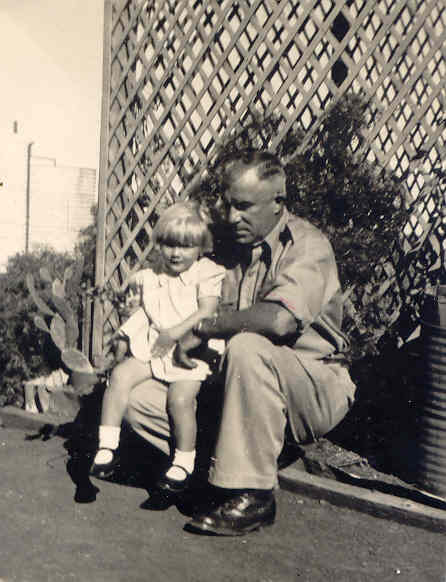
They have one daughter Marian Jean, also a registered nurse and now a nurse educator. Marian married Ken Miller in 1982 and has two (2) stepchildren, Peter and Lisa.
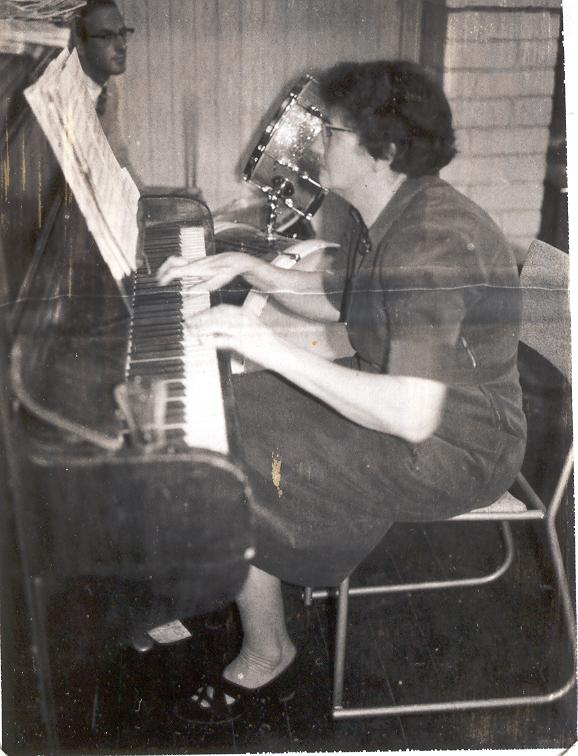
Edith continued to work at the Meekatharra Hospital when needed. This continued for many years. In addition, because there was no regular child health nursing service in the town, she provided this support to young mothers and their babies. Edith was a strong community member and caring neighbour active in the CWA; Methodist and Anglican Churches; Parents and Citizens Association and enjoyed a game of tennis and golf as a loyal member of both clubs. One of Edith’s pleasures was playing the piano and organ. She played the organ on a regular basis for church services in the town and the piano for dances, school activities and on occasions the full score of musicals for the local repertory club.
Bill worked as a mining prospector, and amongst other occupations, a station manager and PMG line foreman during the construction of the North West Telecommunication Line through Meekatharra. They remained in Meekatharra until 1971 when Bill retired and they moved to live in Perth at Bateman.
This was a special time for Edith who was now living next door to her sister Charl, giving greater opportunity to support her in the care of their mother Lottie and Aunt Annie Hall. In addition she was able to have more regular contact with most of her other siblings and their families. Edith quickly developed friendships with neighbours and continued her Church and CWA connections.
Following Bill’s death in December 1987, she continued to live at Bateman and in spite of failing physical health, remained strongly independent. She was delighted, when a trip to Thundelarra Station was organised to coincide with her 85th birthday in 1989. She stayed in the original homestead, her birthplace and built by Charles and his brothers. Jack Morrisey (the Morrisey family had been on the neighbouring
station near Cogla Downs) and his wife treated her
like royalty. The visit triggered many happy memories
for her.
Edith maintained her independence at Bateman until 1996 when following a fall that resulted in a second hip fracture she moved to Sherwin Lodge, Rossmoyne. She remained there until her death in February 1997, in her 92nd years.
Aunty Edith
( Segments of Edith’s Eulogy dilivered by her nephew David Thomas)
Grandfather Charles Beaton married Grandmother Lottie Broad at Mt Magnet in 1903 and took his bride to Thundelarra Station in the Lower Murchison to live. In August the following year Edith was born at Thundelarra. There followed seven more children. The family lived at Thundelarra with the families of some of Grandfather’s brothers.
The station could not support such a large number of people and in 1918 Charles took the family to Mt Lawley while he negotiated the purchase of another station.
In 1919 Cogla Downs Station was acquired and the family undertook the long arduous journey by train to Cue to settle in their new home. Edith would have been a teenager then and one could easily imagine her role in helping with the little ones, as the youngest, Peter, would have been only one year old.
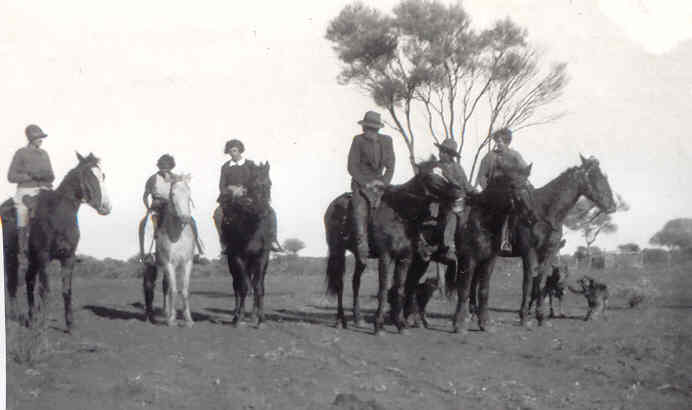
Cogla was renowned as a most social place, and the family members grew and enjoyed life there through the twenties. There are many photos of young, and older Beatons, at events such as riding and tennis parties from this era.
In 1927 Edith left home to undergo nursing training at the Perth Hospital. There was nothing “Royal” about it in those days, she was fond of saying. She finished in 1930 and was appointed to Meekatharra Hospital. From here there were some short terms at surrounding hospitals such as Wiluna and Cue in the following years.Then in 1940 Edith went to Broken Hill to further her training in midwifery. I am told that when I was being born in 1937 Edith was present but couldn’t “hack” it and left the delivery room. So further experience in this regard was in order.
Upon her return to Meekatharra in 1941, Edith married her long time friend Bill Fisher and their daughter Marian was born.
During the following decades, Edith continued her work at the Meekatharra Hospital in various capacities. Her involvement in various community and church events was legendary in the town where her piano playing, cooking and general practical skills were in great demand. A special mention must be made of Edith’s membership of the C.W.A. which was long and distinguished.
I remember vividly a trip I made from Melbourne to the Darlot Street house early in 1956.
The Fishers were obviously well known, highly respected, and enthusiastic about looking after a new chum from the city. In fact, I should have realised that Edith was an old hand at looking after city folks, as many young people on their first work appointment thankfully found lodgings at the Fisher residence.
The years went on and conditions in Meekatharra became more difficult. The Fishers shifted to Perth in 1971 and took up residence in the Bateman unit. In time Edith became the focal point for family matters and became guardian of family memorabilia. After Uncle Bill’s passing in 1987, Edith continued both her strong family associations and associations with friends from the Meekatharra days and new friends from the suburbs.
My parents and Uncle Peter stayed at the Bateman unit when in Perth and other members of the family and friends visited constantly. On my visits out would come the books, diaries, cuttings and letters. We spent many happy and informative hours together.
As Edith became more infirm, in body only mind you, and following a couple of falls, she moved to Sherwin Lodge and the stream of visitors continued. The staff there, soon became charmed by Edith’s wonderful nature. She was never heard to get cross with anyone, except once perhaps when the nursing profession was being run down. Such was the nature of Edith, never complaining and always cheerful. Her life was full of friendliness, service and most importantly care for others.
So rest peacefully Edith. You have touched our lives in so many ways and we are all the better for it.
Edith Euphemia born 29thAugust,1904
Married; William (Bill) Edwin Fisher 1903-1987
Died : 18th February, 1997.
Children: Marian Jean born 1941
Marian Jean born 1941
Married : November,1982 Kenneth James Miller (born 1944)
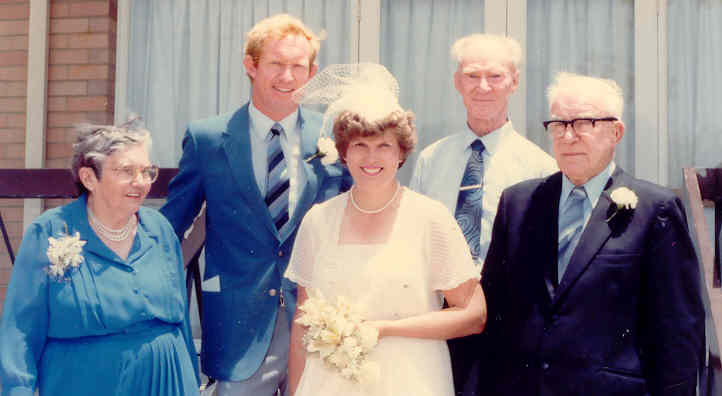
Edith, Ken, Marian, Fred Miller,
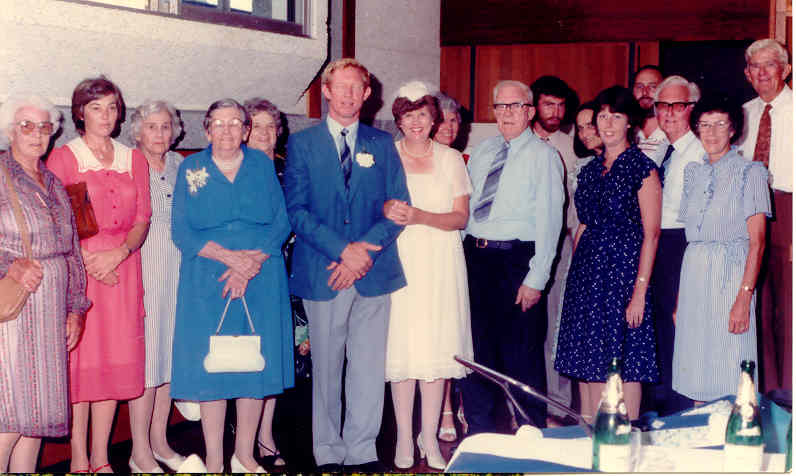
Left to Right : Mollie Beaton, Anne West, Margaret McKay, Edith Fisher, Val Beaton, Ken and Marian Miller, Judy Stainton, Bill Fisher, Reg Beaton, Christine Thomas, Cchristine and, Roger Donnelly, Ron, Madge and Peter Beaton.
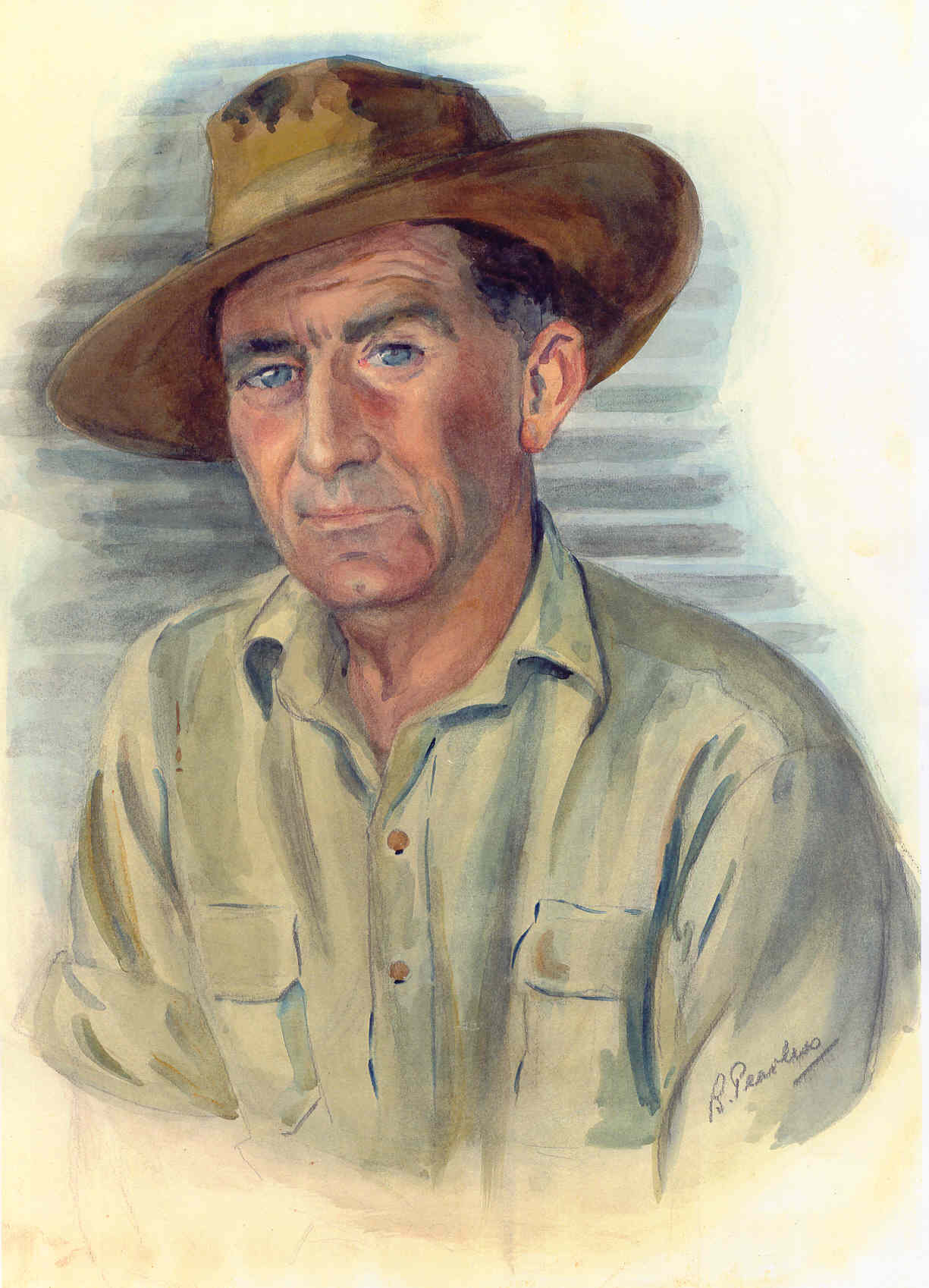
Alexander Robert Beaton
Alexander Robert (Alex) born in 1905, spent his young life at Thundelarra and Cogla Downs Stations except for his boarding schools years when he travelled to Perth and boarded at Guildford Grammar.
The Guildford Grammar Records show that Alex :-
Entered in : 1918 Left in : 1921 Form/Year : IVB
House : BOARDER
Scholarships and Exhibitions : Choir
Academic Prizes : General Work Prize - 1919- Level 111B
By the time Alex finished school the family was at Cogla Downs Station and he worked the station with his father, uncle and younger brothers.
Alex, the same as the rest of the young Beaton men in all branches of the family, enjoyed a full social life as a young Pastoralist.
Along with his father, brothers, uncles and cousins he mixed in the social circles of Perth.
Alex joined the Army during the War but was man powered out.
In 1946 Alex married Sybil Elizabeth (Beth) Phibbs Johnston, and they had one son, Desmond Alexander, born that year.
Alex, with his brother Barlie, succeeded Charles in the ownership of Cogla Downs Station, later buying out Fred Broad, and, in approximately 1954, Alex bought out Barlie and became the sole owner of Cogla Downs Station.
Alex spent time as a Member on the Cue District Road Board from 1938 - 39 and again from 1949 - 51. Desmond also served as a Councillor on the Cue Shire Council from 1972 - 1980
After Alex and Beth’s retirement to Perth in 1976, their son Desmond took over ownership of the station. Over time Desmond went ore carting, after selling the majority percentage of the station. During this period Alex was heard to express his pleasure that the station was still being run as he liked to have it run.
Eventually the station was bought by the Aboriginal Affairs Department.
Alex became a resident at the R.S.L. home in Mt Lawley and passed away on 28th June, 1989.
Beth became a resident at Parry House, Lesmurdie and passed away in December 1991.
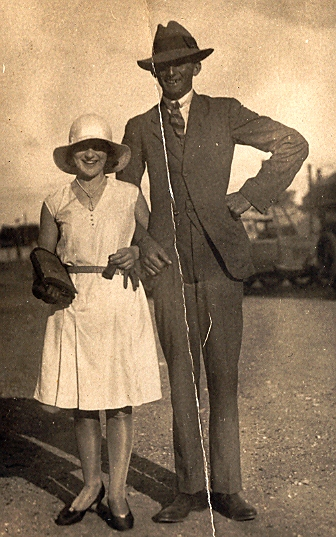
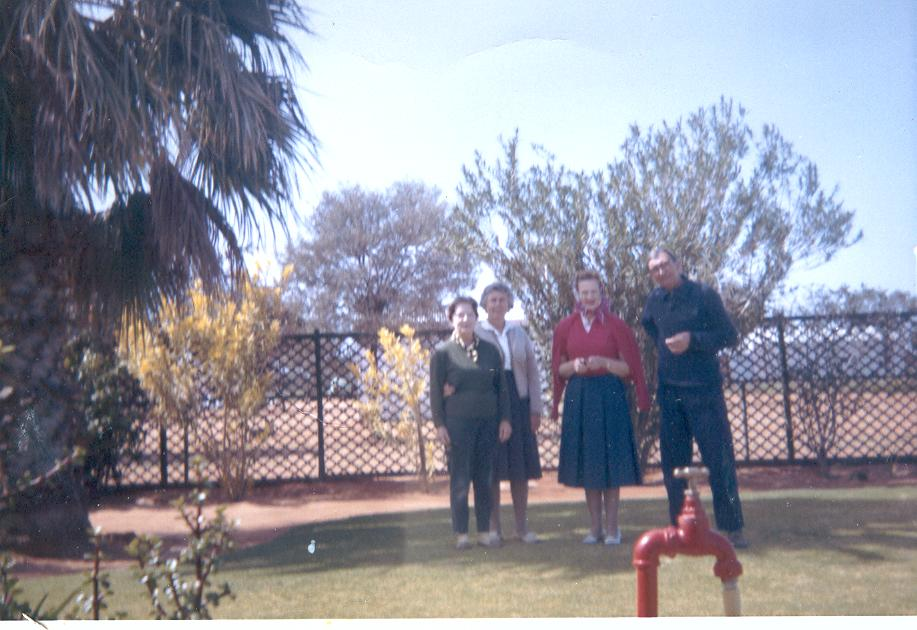
Alexander Robert Born 29th December,1905
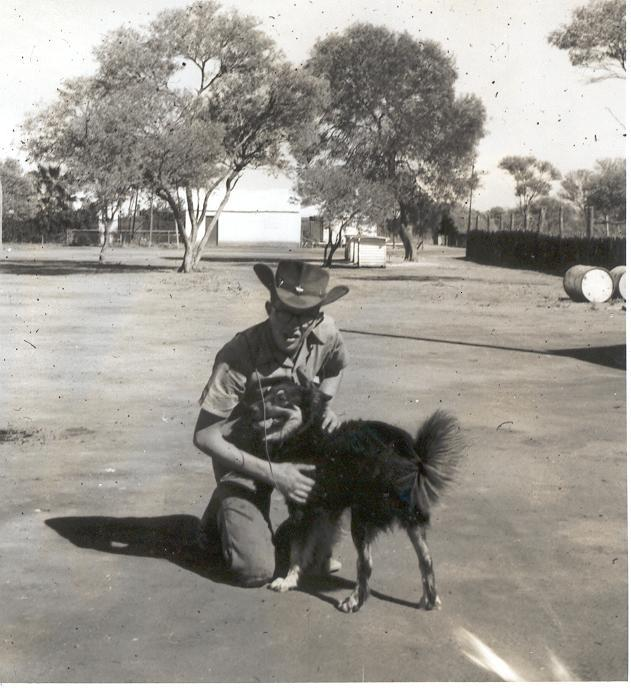
Married : Sybil Elizabeth Phibbs Johnston
‘Beth’ born 1904.
Children: Desmond Alexander born 1946.
Alex died 28th June, 1989
Beth died 1991.
Charlotte Elizabeth Beaton
Charlotte Elizabeth “Charl” was born on 28th March,1907, and spent her young life between Thundelarra, Mt Lawley and Cogla Downs Stations and at Perth College boarding school in Perth.
An excerpt from Charl’s writing for the book “Saltbush Shepherds” (story of the Broad family) :
We were a large family of eight then, a really extraordinarily large family. Radio had only just come about, no refrigeration, telephone a dream to be realised. A sheep station of something in the area of half a million acres - many droughts, never any money to spare for such things as holidays; but we had such a good life; and we also had a lot of work which was just taken in the course of events as normal. Growing what we could in the way of vegetables; killing, butchering and pickling our own meat; bread to be made. We had a rough tennis court and an even rougher 9 hole golf course but we did have a lot of fun. A piano and singing around it with Mother and Father joining in and providing those bits and pieces to make a home for us. Almost all our shopping was done by Mail Order and we did have the most marvellous service from the shops in the city - they would match up all sorts of materials with ribbons and laces; choose cottons for sewing and shoes to fit - sent on approval and credited on return.
Charl joined the Army at the outbreak of
World War 11.
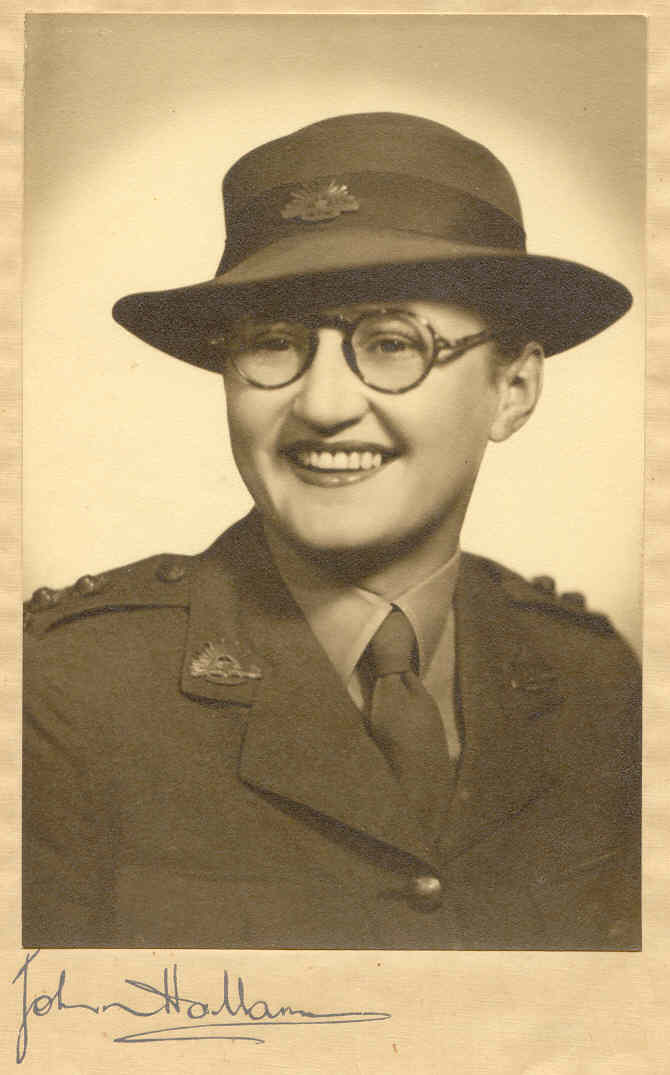
Her service records are as follows : -
Army No. W.F. 45947
BEATON Charlotte Elizabeth
Unit Australian Womens Army Service
Enlisted at Claremont
Date: 12 th August 1942
Age: 35 years 3 months
Date of Birth: 28 th March 1907.
Occupation: Typiste
Next of Kin: Charles Beaton,
Cogla Downs, Reedy.
Religion: Church of England.
Date
12/8/42
17/10/42
17/10/42
5/12/42
12/12/42
27/3/43
From Whom Received
A.W.A.S
“ “ “ “
“
Record of all cas , appnt , promo, transf , postings, adm and disch to hosp. Date of embark & disembark . Abbrev
Strength Increase
Trade Grouping M. T.Driver T.G.2 as from
Promotion to A/Cpl Sec Leader as from
Promotion to Sergeant
Transf. A.W.A.S. Barr 3 rd A.Corps 5WE 1V/161/1 Harvey
Promotion to A/Lieutenant
Date of Casualty
12/8/42
6/10/42
9/10/42
4/12/42
12/12/42
11/3/43
Place of Cas.
C’mnt
Perth
“
DISCHARGE Medical Class “D”
Date: 10th January 1947
Medical : Pulmonary Tuberculosis (Radiologically Confirmed) Degree of Disability 100%
Served on Continuous Full Time War Service from 12/8/1942 to 10/1/1947
Active Service in Aust - 1613 days.
After Charl’s Discharge, she and Ron bought a house in Mundaring to share with their parents, Charles and Lottie. Later they sold this and moved to 14 Lyall Street, South Perth.
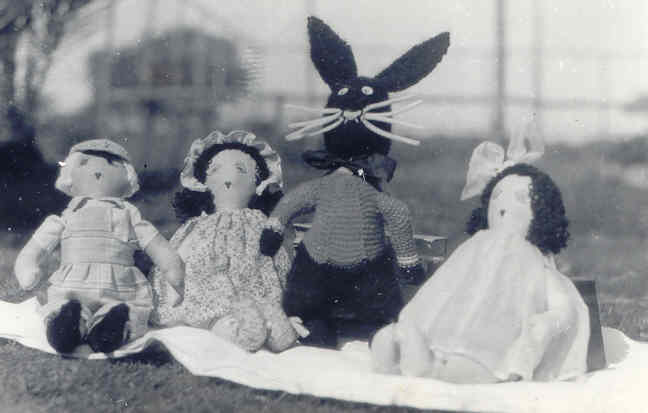
Throughout her life, Charl’s creative abilities were valued by her family and friends. Many of whom were on the receiving end of very tasty meals, pickles and conserves. This also included making and decorating cakes for family celebrations. She had a real flare for flower arranging and took great delight in developing and maintaining her garden. In her younger days on Cogla she made soft toys and was a keen dress maker.
Charl went to work for Bulloch’s Transport and eventually managed the business.
Charl, as well as working full time kept an eye over the elderly Beaton Aunts, Ann and Nell , and after Charles’ passing, looked after her Mother, Lottie, and her Aunt, Annie Hall as well.
After moving from South Perth to Floreat she then had a unit around the corner from Edith in Bateman and was still resident there when she passed away in 1980.
Charles (Barlie) Beaton
Charles or Barlie (as he was always called )was born in 1908 and spent his childhood at Thundelarra, Mt Lawley, Cogla Downs and Guildford Grammar.
The Guildford Grammar Records show that Charles :-
Entered in : 1918 Left in : 1924 Form/Year : IVA
House : St George’s
Scholarships and Exhibitions : Choir
Sport 1st Teams : Swimming 1919.
After returning from school Barlie worked on Cogla with his father and brothers.
Barlie married Mary “Mollie”Isobel Peachey, a nursing sister in 1936. They had two children Anne and Robert Charles. Anne grew up hearing stories of her father’s life on Cogla.
Memories of “The Boss”, Grannie, Barlie, Mollie, Cogla, Yallotte and family by Anne West (nee Beaton).
The house was in the middle of nowhere 80 miles from Meekatharra, 70 miles from Cue and 50 miles from the main Cogla homestead.
The homestead of “Yallotte” Barlie built from handmade mudbricks, made while he and Mollie lived in tents. A basic four room house, yard fenced all around, an outside bedroom on the side for the mission trained ‘housegirl’, Thelma. Thelma did not mix with the full blood Aboriginals who worked for Barlie on the station mustering, doing windmill runs and during shearing.
Mollie as a trained sister, and before the days of the F.D.R.S., was kept busy treating the family and the extended families of the workers (usually 10-15 members). Well treated, they were Anne’s much loved friends.
Getting Lost : Mollie, a city girl, took Anne and Robert to bring the cows in ready for milking. When Barlie arrived home the cows were in their bales waiting patiently but no sign of his family.
Fortunately Mollie had taken the pram so was easily tracked round and round in circles, she had found the cows who refused to go in the direction she was sure was the direction for home.
Years later Barlie had a problem with getting lost in the city, he would arrive home mad with himself because he would have either got off too early or gone past the Lock St. bus stop. His solution. To take a picket off Grandpa Peachey’s picket fence and a spade and taking it down and hammered it in the ground near the bus stop. Problem solved.
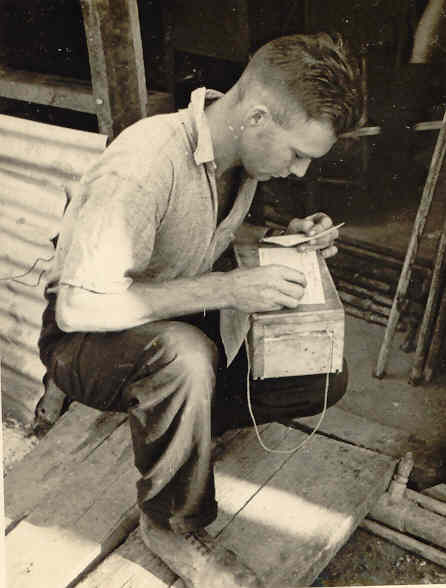
Charlotte Elizabeth Beaton
Obituary Read by the Reverend Judy Peterkin (Friend of Marian Fisher)
Aunty Charl . . . . . . What does she mean to us ? Who was Aunty Charl for me ?
When I think of her, I think of her generous spirit . . . . . I think of the beautiful flower arrangements she made for me. I think of her strength. You could always rely upon her to be there. I think of her fighting spirit and independant nature; her wanting to be useful; to have purpose and meaning in the lives of others.
Perhaps those early years in the Murchison had taught her that in this country you had to be strong in order to survive.
Aunty Charl found meaning in the lives of others. Her time in A.W.A.S., her leadership qualities, the girls she trained and helped - those were, perhaps her happiest days.
Then her capable and efficient management spent in the service of Bullocks.
Perhaps Aunty Charl demonstrated her concern for others most in the way she cared for her mother and aunts. The frustations of that life couldn’t have been easy.
We all have memories of the good times and the not so good - the joys as well as the times of despair, for we are all human. Yet God’s love for Aunty Charl is not dependent on her, just as we loved her for the sister and the friend she was to us.
for her support and encouragement
for her advice and her listening ear
for her standing by us when we needed her.
We hated to see her lose her independence. We hated seeing her frustrated by her own helplessness. We hated seeing her suffer and dreaded the thought that she might have to be cared for by others when it got too much for us.
So we give thanks to God that she has been saved from further suffering and we give thanks for her life and all that she means to us and commit Aunty Charl into God’s keeping. 25 th June, 1980.
Trains: Joining the steam train at “Tuckenarra” around 9pm, for a two night and a whole day trip. They were full of adventure from fighting over who got the top bunk, leaning out the
windows (to see who got the blackest face, and to check for ‘spot’ fires along the track), running up and down the full length carriage corridors and waiting for the frequent train stops. These were for water, fuel and also as there was no Dining Car we would buy pies and coffee at Yalgoo, Mullewa, Northam and Clackline. There was also the excitement of going through the tunnel under the Darling Ranges.
Christmas; Always spent at Cogla with ‘the Boss’ and Grannie. The turkey, reared by Grannie, caught by the children, after much running around, killed, plucked, prepared and cooked by Grannie and her ‘housegirl’ Joan.
Dinner was laid out under the bough shed which had a drip feed of water running down the bough walls and was cool.
‘The Boss’ had a hole dug in the ground which was lined with wet hessian bags and filled with his bottles of home brew beer to cool and bring out on the day. Finally one Christmas they had a kerosene fridge about the size of today’s bar fridges. On the day there was a revolving battle of Grannie and Joan loading the fridge with food and ‘the Boss’ unloading the food and refilling the fridge with drinks.
The story goes that this continued all day.
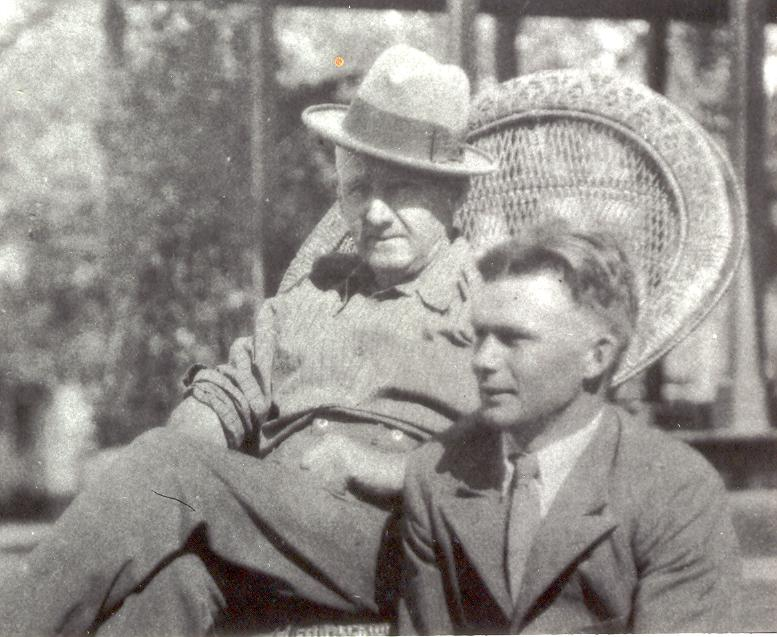
To add to the family ‘Home Brew’ stories, Mollie told this story of when she was staying at Cogla as a new bride.
She came across this old copper full of rather green fluid. Her nurses preoccupation with sterility and cleanliness came to the fore, so, she decided to clean up. Not only did she empty it out but she scrubbed the copper to it’s original sheen, finding out later that it was ‘the Boss’s’ home brew tub and not only had he lost his brew she had also destroyed all the bacteria for fermentation to take place. She had to lie low for some time after that episode.
Schooling : Anne attended the Presentation Convent in Meekatharra for a year, during which time she lived with her much loved Aunt Edith, Uncle Bill and cousin Marian Fisher. She has many happy memories of this time. The next year Robert also was school age so correspondence lessons were arranged with Mollie adding the task of teacher to her daily duties. On an occasion when Mollie was called to Perth, both children went to stay with Grannie and ‘the Boss’ at Cogla. Lessons were supervised by Grannie. Robert objected to completing more than ‘colouring in’ and took off to the orchard where he sat up in a tree for the day until coaxed down with choice morsels late in the day. On another occasion he fell from the pepper corn tree and cut his chin. Grannie got out her beloved ‘Lizzie’ a T model Ford which was her pride and joy, and drove the children the 11 miles to Cue to have the cut stitched. Whilst in town all three were having afternoon tea with friends when Robert, bored of course, rubbed his chin against the chair and split the just acquired stitches. So back to have them restitched. Home to Cogla by nightfall.
The final straw of the visit was when Robert rolled ‘the Boss’ some roll your own cigarettes using ‘Rizla’ papers and pencil shavings from the bowl of the sharpener on the rolltop desk. ‘The Boss’ was in the habit of rolling his daily supply of about 10 cigarettes each morning. Robert added to this supply in the tobacco tin.
When lit - Poof! A cloud of smoke and flames.
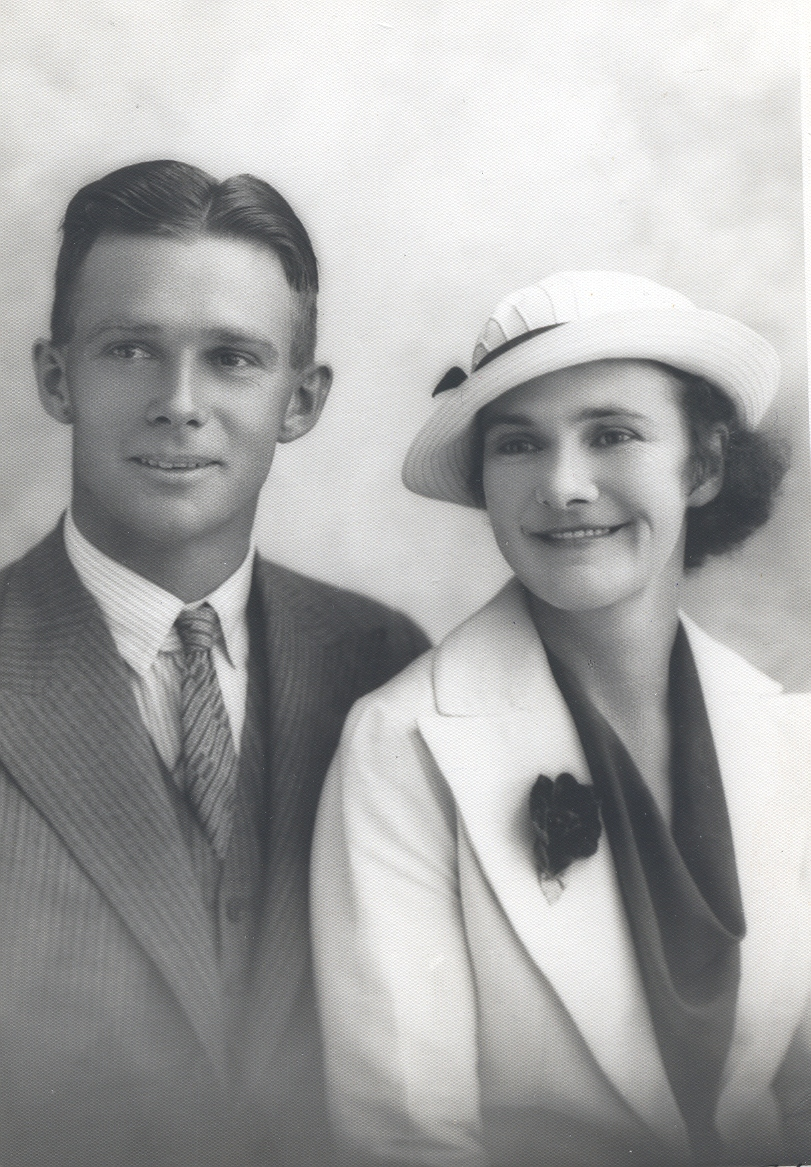
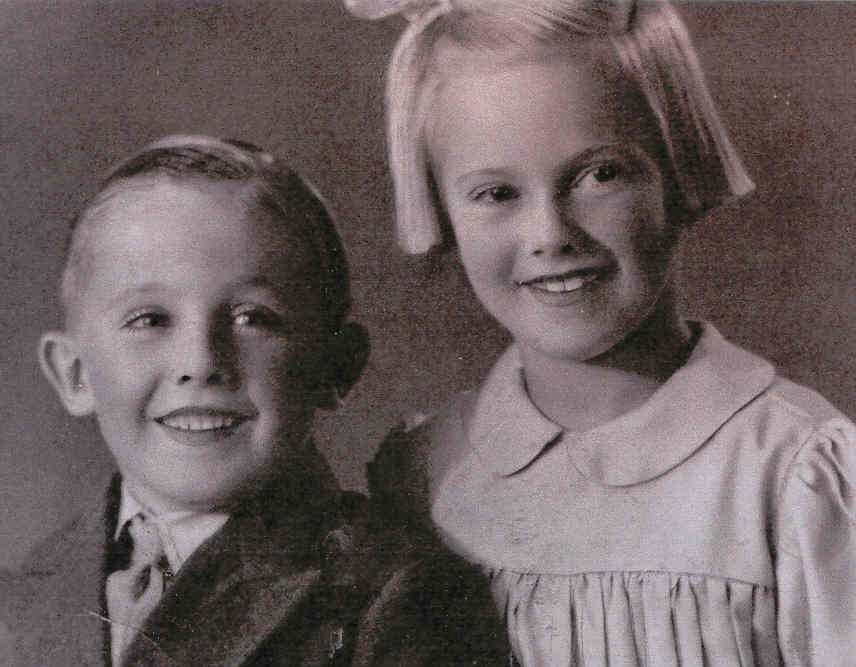
Lottie recorded in her diary:
Saturday September 1st 1945 Barlie took over as Manager of Reedy Hotel today, leaving Cogla on previous Wednesday.
Leaving Cogla: There was a drought, weak wool prices, school correspondence lessons - and the decision was made to leave. Barlie had been carting wood to Reedy’s, a mining town 14 miles from the station.
All his brothers had enlisted but Barlie was man powered on the land. A member of the Land Army, he went to Sandstone for training after the Japanese bombed the North-West. They were reputed to have broomsticks on their shoulders while they marched. At this time the government issued all pastoralists with dynamite to blow up all windmills and waterholes if the Japanese invaded.
Barlie still had a working interest in the station with Alex, but took on the management of the Occidental Hotel in Reedy and the family moved there. Barlie and Mollie spent 10 years managing hotels, but this was the first. A learning time for both Barlie and Mollie.
During the mid 1950’s, Alex bought Barlie’s share of the station and Barlie and his family moved to Barrabin where they leased the hotel.
Mollie looked after the housekeeping and accommodation as well as being called upon in her nursing sister role. Once the Road Board Secretary sought her help to visit and advise the migrants housed in the Nissen huts by the railway line. They were all displaced persons from Europe. All ill with gastro-enteritis, Mollie visited and found that at the height of summer, with no refrigeration the migrants were re-heating their European type foods, Stroganoff etc.
Anne and Robert were enrolled at the Reedy school and attended there for two years before they left to attend boarding school, where they remained for the rest of their schooling. It was felt that hotel life was unsuitable for children although they thoroughly enjoyed it when home on holidays.
Finally a house was bought in Perth to make a home for the children leaving school and starting work.
Anne maintained a lifelong bond with her Grannie. Begun at Cogla, continued with letters to school, lunches in town during Anne’s lunch breaks, letters to Queensland while Anne and Alan lived there and often accompanying Barlie when he escorted Grannie on her ‘Special Day Outing’, January 1st, Perth Cup Race Day, her birthday.
Return to the Murchison : Anne made a visit back to Meekatharra while on holidays one year. While there she accompanied Edith to the three day event the ‘Landor Station Races’ (180 miles from Meekatharra) and helped in the dining room (the converted shearing shed) where the CWA (under Edith’s supervision) were doing the catering. All the surrounding Station people, including their aboriginal families, came and camped in the dry creek bed, a first game of Two-up and Edith playing the piano for the party all added to the memories of this special holiday.
Robert has been resident in Melbourne for over 40 years but still hopes to return to show his family ‘The Murchison’ where he grew up. Anne and her daughter Caroline made a trip to see the wildflowers visit Paynes Find and Thundelarra, where her father Barlie,was born.
Barlie and Mollie moved to Inglewood.
Barlie worked at Boans Morley Store and Mollie returned to working as a nurse.
Barlie died in 1975 at 67 years of age.
Mollie passing away in 1991.
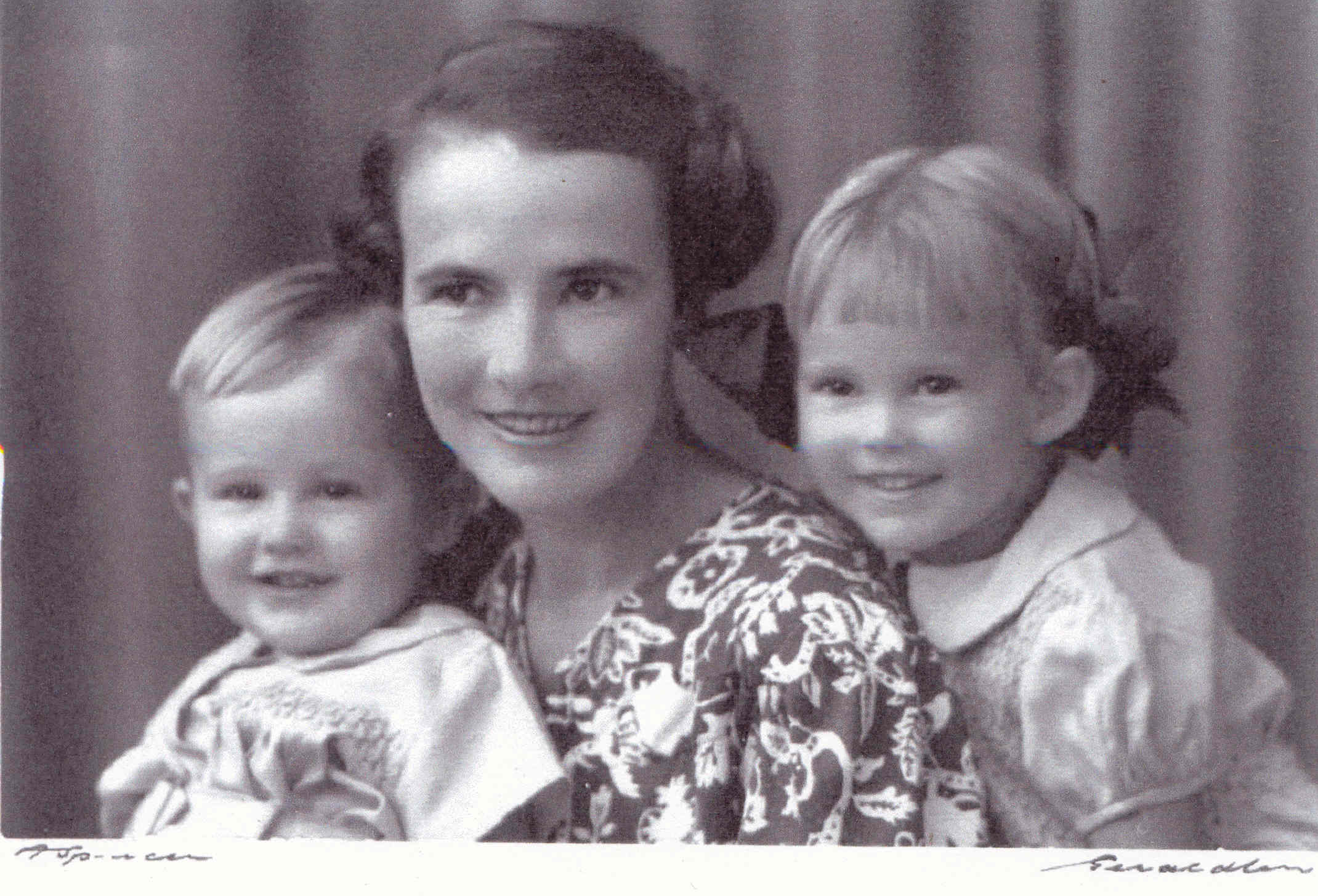
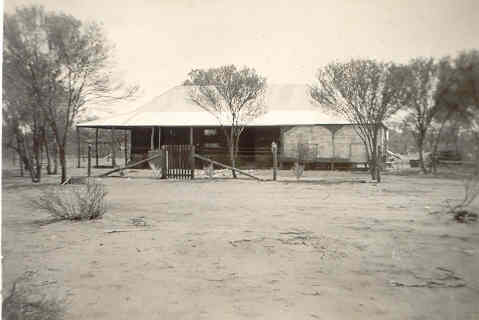
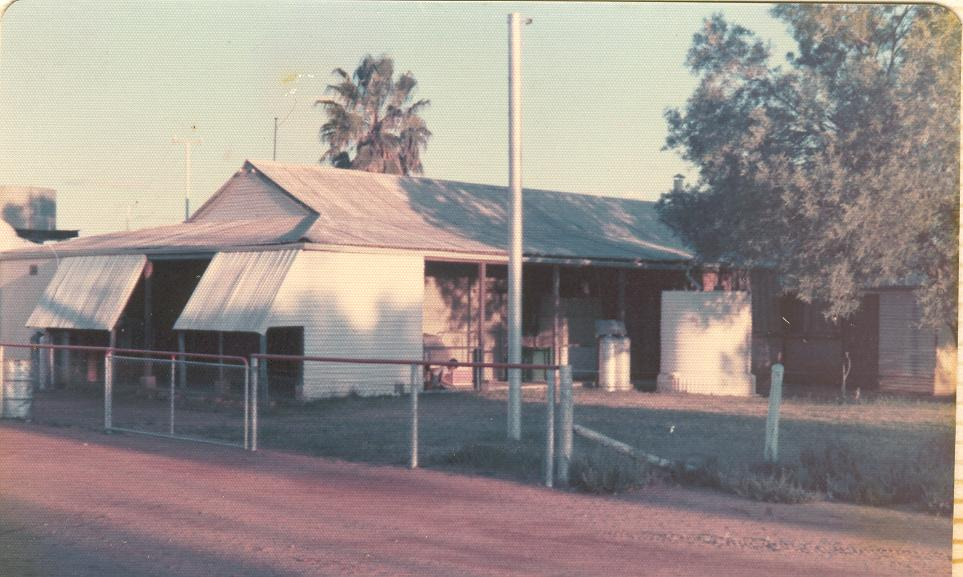
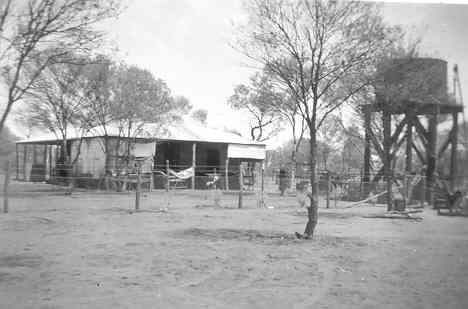
Charles (Barlie) Born on 7th September,1908, Died 1975.
Married Mary Isobel Peachey ‘Mollie’( born 1902) in 1936
Children: Anne born in 1938
Robert Charles born in 1939.
Anne married Alan Albert West (born 1941) in 1966
Children: Caroline Anne born in 1968
Peter Andrew born in 1970.
Caroline Anne
Married: Gavin McMahon in 1993
Children: Liam Patrick born 1997
Nicholas Logan born 1999
Robert Charles married Maree Annette Hastings(1942) in 1960
Children.Mark Robert born in 1962,
Jaqueline Anne born in 1964
Jeffrey Peter born in 1966
Mark Robert
Married: Bridgette Egert in January, 1999
Children: Isobel born 2000
Charles born 2001
Jaqueline Anne
Married: Christopher Morley
Children: William born 1992
James born 1994
Jeffrey Peter
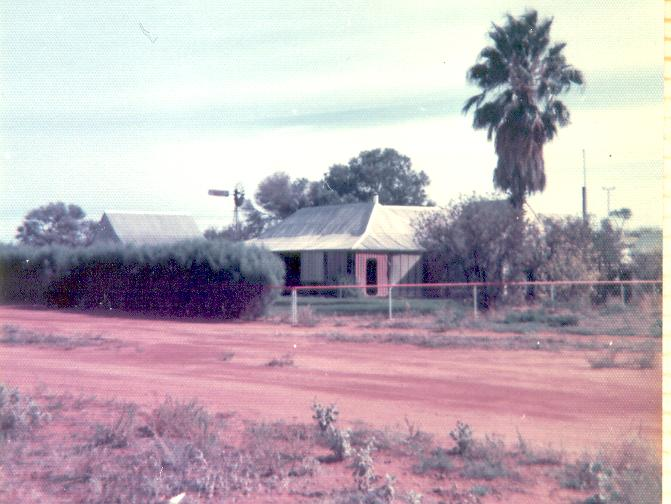
Yallotte Homestead 1980’s
After Alex moved the original Cogla homstead .
Married Emily Waugh in 2003.
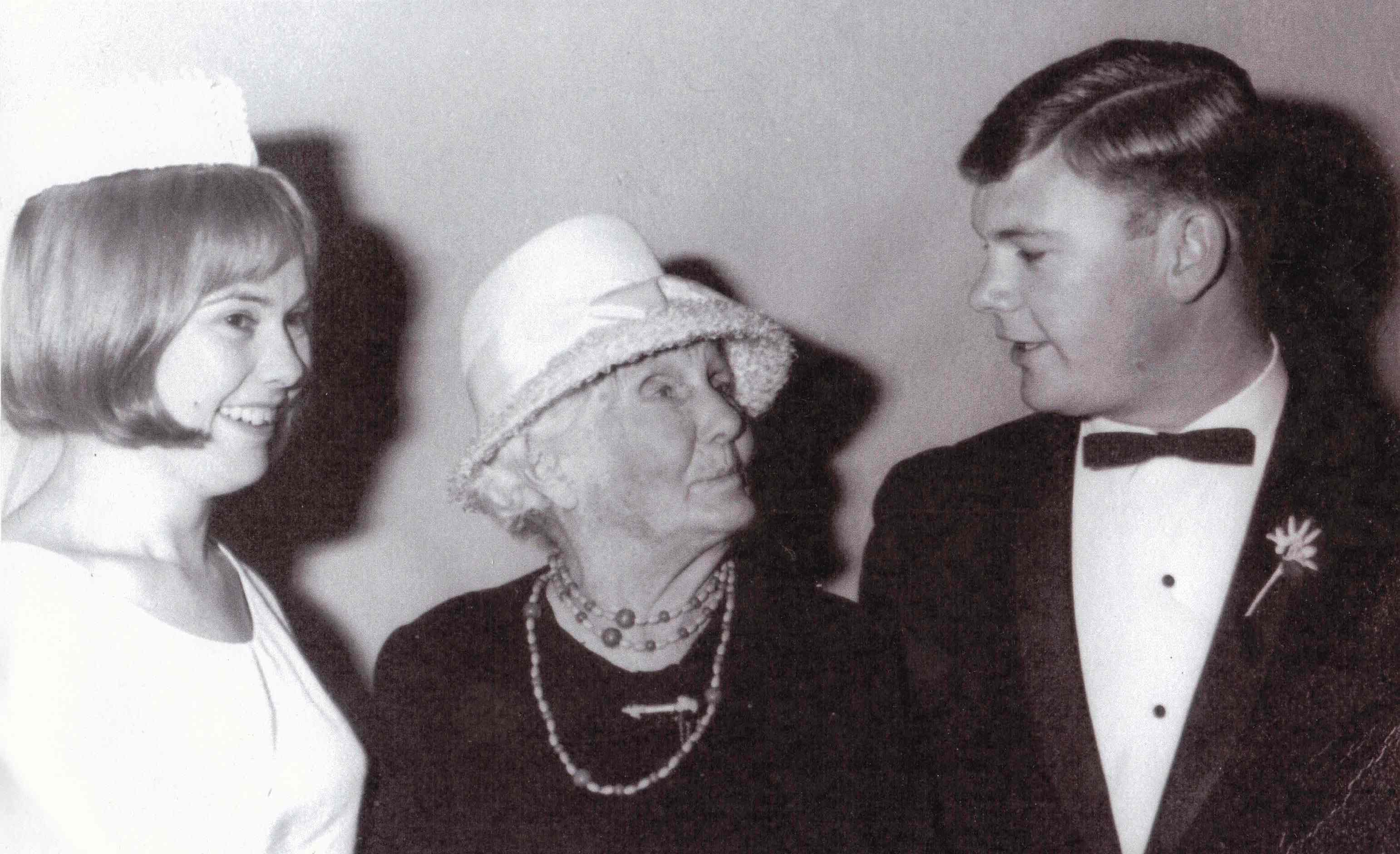
Margaret Anne McKay (nee Beaton)
Margaret Anne was born on the 21st April, 1910. In later life Margaret wondered whether her premature birth was in any way linked to her health problems. Margaret enjoyed schooling in Perth, but always retained loving memories of life on both Thundelarra and Cogla Downs Stations. Helping with mustering, the horses, the dogs (Whiskey and Jock ), tennis, golf, playing the piano and dancing. Her best friend an Aboriginal girl Jessica who died at 12 years of age from tuberculosis.
A beautiful pianist, her father often asked her to play “Home Sweet Home”, on occasion to shed a quiet tear as he listened. A quiet reserved lady, although tales were told of a fun-loving girl who danced on a table or two. Her father refused her request to become a ballet dancer Ladies of his era did not appear on stage, that was not considered gentile or ladylike ! These and many more memories related to her daughters.
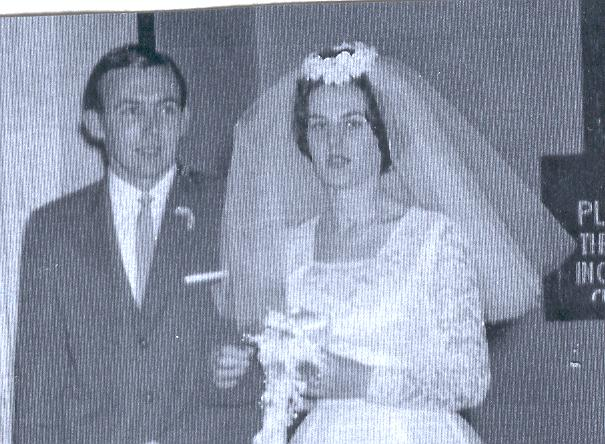
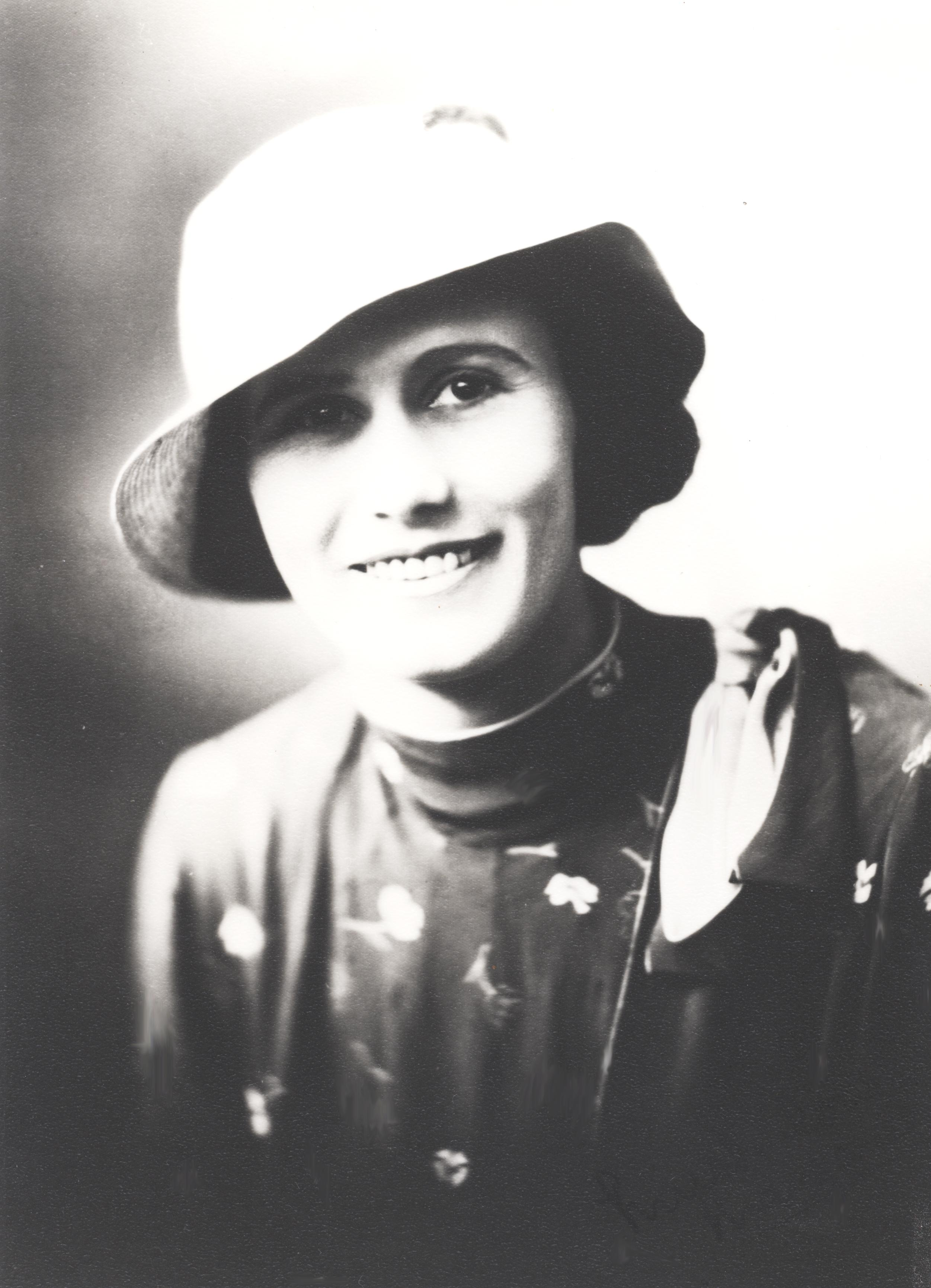
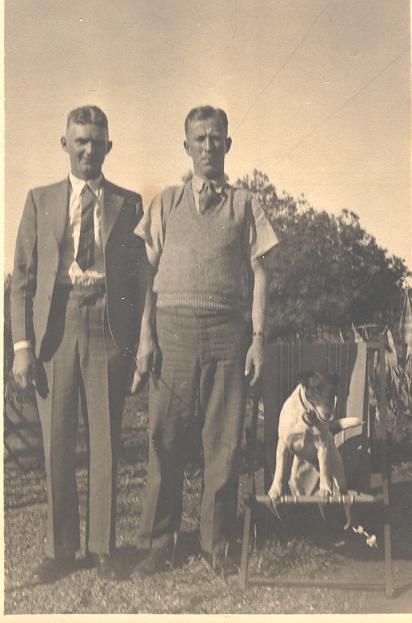
John, the only child of John and Ida McKay, was educated at St Peter’s College, Adelaide, South Australia. His father was the Post and Telegraph Stationmaster at Barrow Creek (1896) and at the Alice Springs Overland Telegraph Station from 1908 to 1916. John travelled to and from the Stationmaster’s cottage Alice Springs, to Adelaide via Oodnadatta by camel train – a journey of approximately six weeks. His first employment was as a jackaroo.
At the time John and Margaret married John worked as a Motor mechanic and ran a garage in Meekatharra. Some time later they moved to Kalgoorlie and John worked for Broken Hill Proprietary Ltd. (BHP) as a storeman. Their daughters Madeliene and Judy were both born in Kalgoorlie during this time.
When World War 11 broke out John enlisted in the Royal Australian Army twice. The first time ( 30th July, 1940 to 6th September, 1940) presumably for a crash course in case of ‘call-up’. The second from 9th July, 1942 to 6th December, 1945 during which time he saw service in Rabaul, New England, New Guinea and also served as an Instructor at the Harvey Training Camp (W.A.) John held the rank of Captain on his discharge.
They moved from Kalgoorlie to Subiaco where their third daughter Heather was born in 1942. Then while John was absent during the war years Margaret and the three girls lived in Bunbury and John’s mother moved over from Adelaide to live with them.
Following discharge from the Army John and Margaret bought a dairy farm at Serpentine (Hopelands – Peel Estate) possibly with War Settlement assistance. Madeliene had started school in Bunbury, Judy started her schooling at the Hopelands one teacher school. During this period John’s mother died in the Pinjarra Hospital after a heart attack.
The farm work was very hard and Margaret’s health problems started during this period. On leasing the farm, John worked for a farmer, Len Doncon at
Beverley and the family lived in a cottage on that property.
Some of Madeliene’s early family memories.
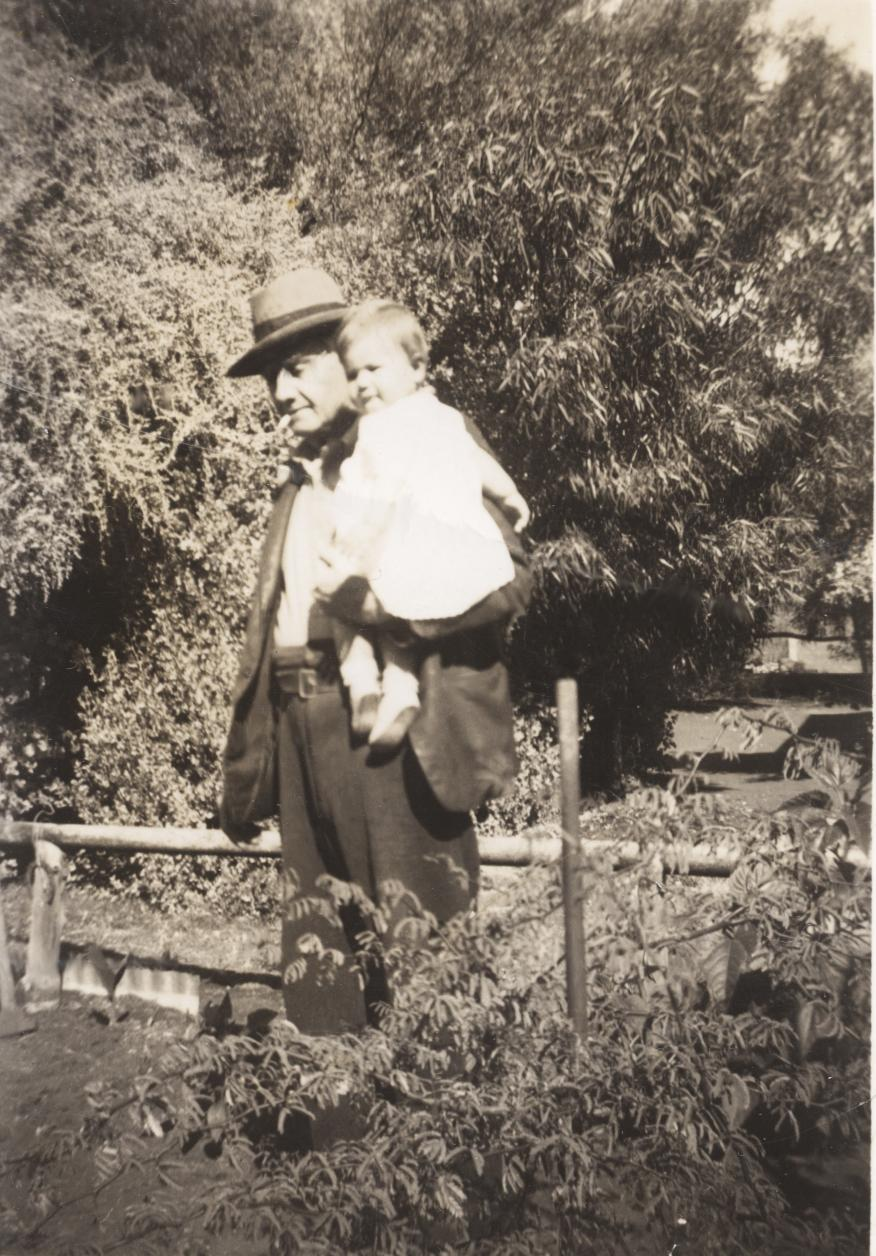
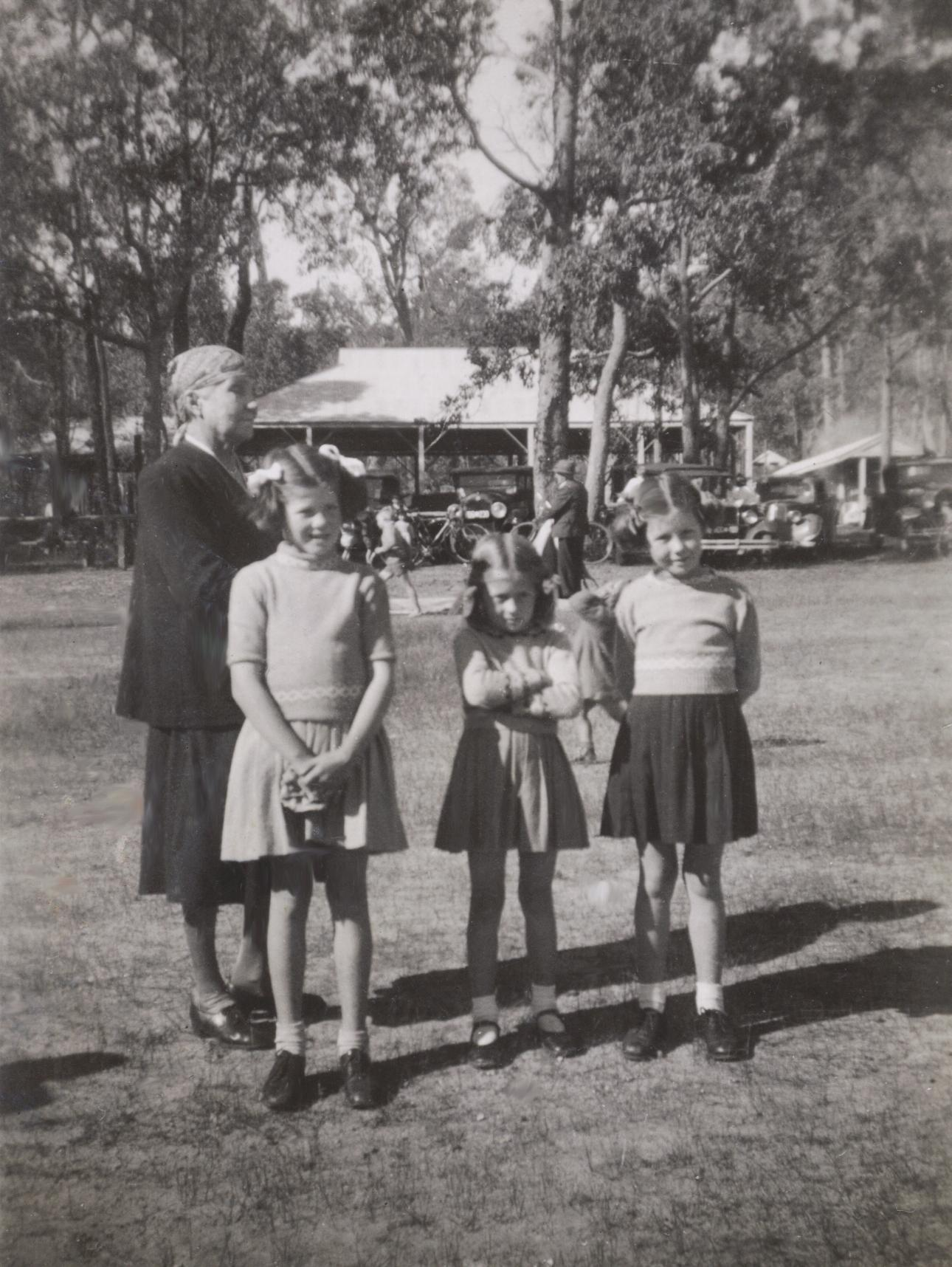
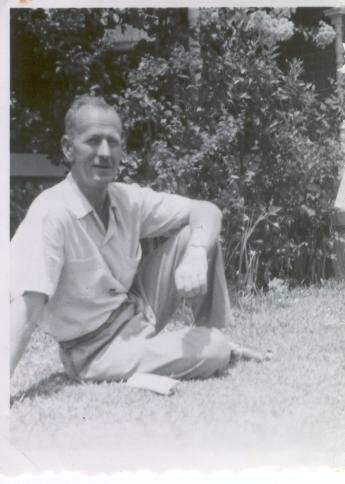
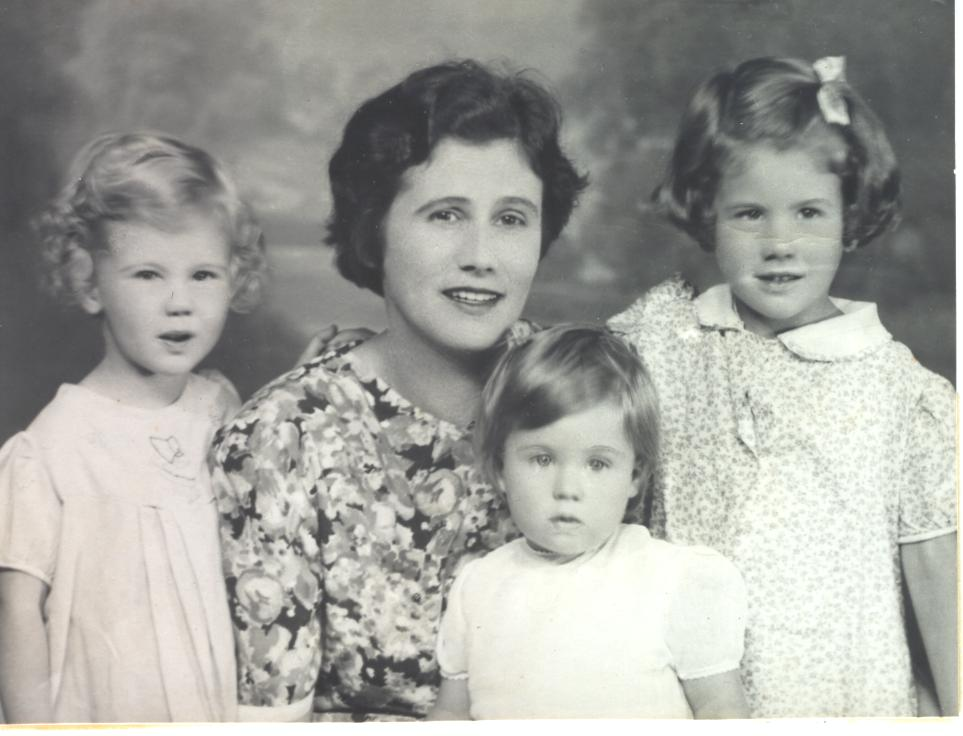
Madeliene on being admitted to Cue hospital for the removal of her tonsils and not being very co- operative eventually settled down when taken to see her loved Grandfather, Charles who was also a patient there.
Being tossed up (‘bunted’) onto some sacks of feed by the pet sheep who had taken a dislike to cousin Jim Thomas and myself.
Being in trouble for swinging on a chair and falling back into the china cabinet.
Visiting Grandfather in Mundaring and South Perth and his delight and interest in them and their activities.
John came home on long awaited leave to find all three girls suffering from varying stages of chicken-pox.
Needless to say a short time after returning to Barracks he succumbed and was confined to Graylands Army Hospital.
After weight treatment to her back in the Beverley Hospital, Margaret’s condition deteriorated and Aunt Annie Hall came to stay and help at various times.
The family returned to their farm for some time until a sale was made and the family returned to the city in the hope of improvement in Margaret’s health. Eventually settling on an acre of land with a run-down house, dairy cow, chooks and fruit trees. After many school changes the girls settled into Kenwick State School. The land was divided and half being sold to finance the building of a new house on the remaining land.
John went to work for Chamberlain Industries Pty. Ltd as Paymaster and eventually becoming Personnel Officer. John opened his own recruiting and employment agency in the late 1950’s which entailed a great deal of work. Margaret helped out in the office and on the phone, they sold this business and John was offered a position with the Employers’ Federation of Western Australia. He was sent to Italy, by sea to speak to intending migrants – on what to expect here and to investigate the migration system there.
Sadly he died – a day out from Singapore en route for Ceylon (Sri Lanka) and was buried at sea (1961).
This was a very difficult time for Margaret particularly as she was unable to travel with John and it took her a long time to accept that John wasn’t coming home.
Madeliene and Judy had both married in 1961 before John’s death, Heather married in 1963 with her proud mother by her side.
Madeliene’s husband Micheal Keay was a serving officer in the Royal Australian Navy.
Judy had met her husband Graeme Stainton (a New Zealander) at her Aunt Jean Thomas’s in Mordiallic while on a working holiday. Their wedding was celebrated in W.A. and they returned to Victoria for some time before settling back in Western Australia.
Heather’s husband, Lance Halvorson, was an officer in the Royal Australian Air Force and at the time of their marriage was based in Queensland.
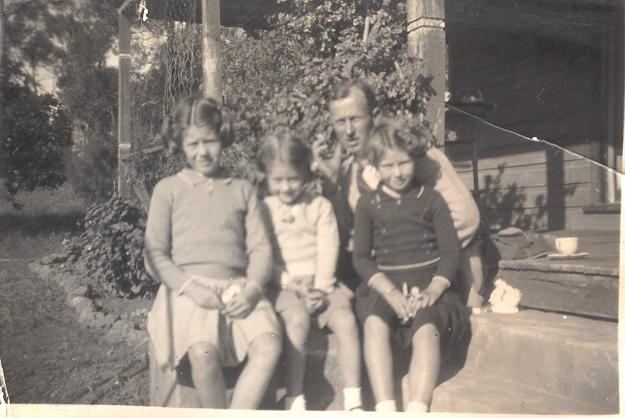
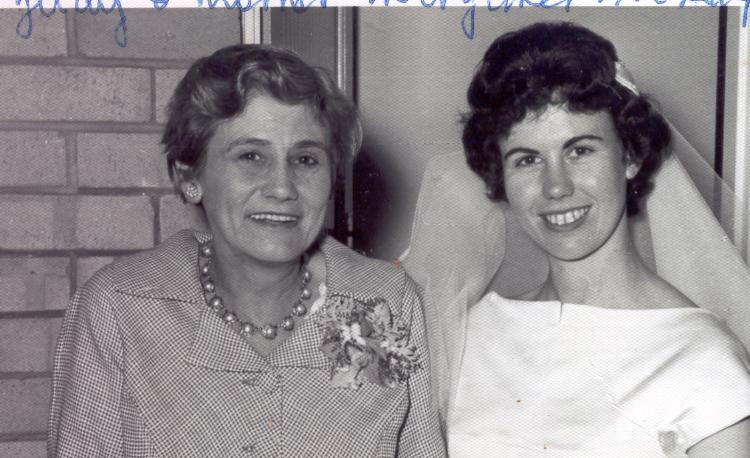
John Ross Stuart McKay above and below with his daughters, from left:
Madeliene, Heather and Judy.
Heather’s happy memories.
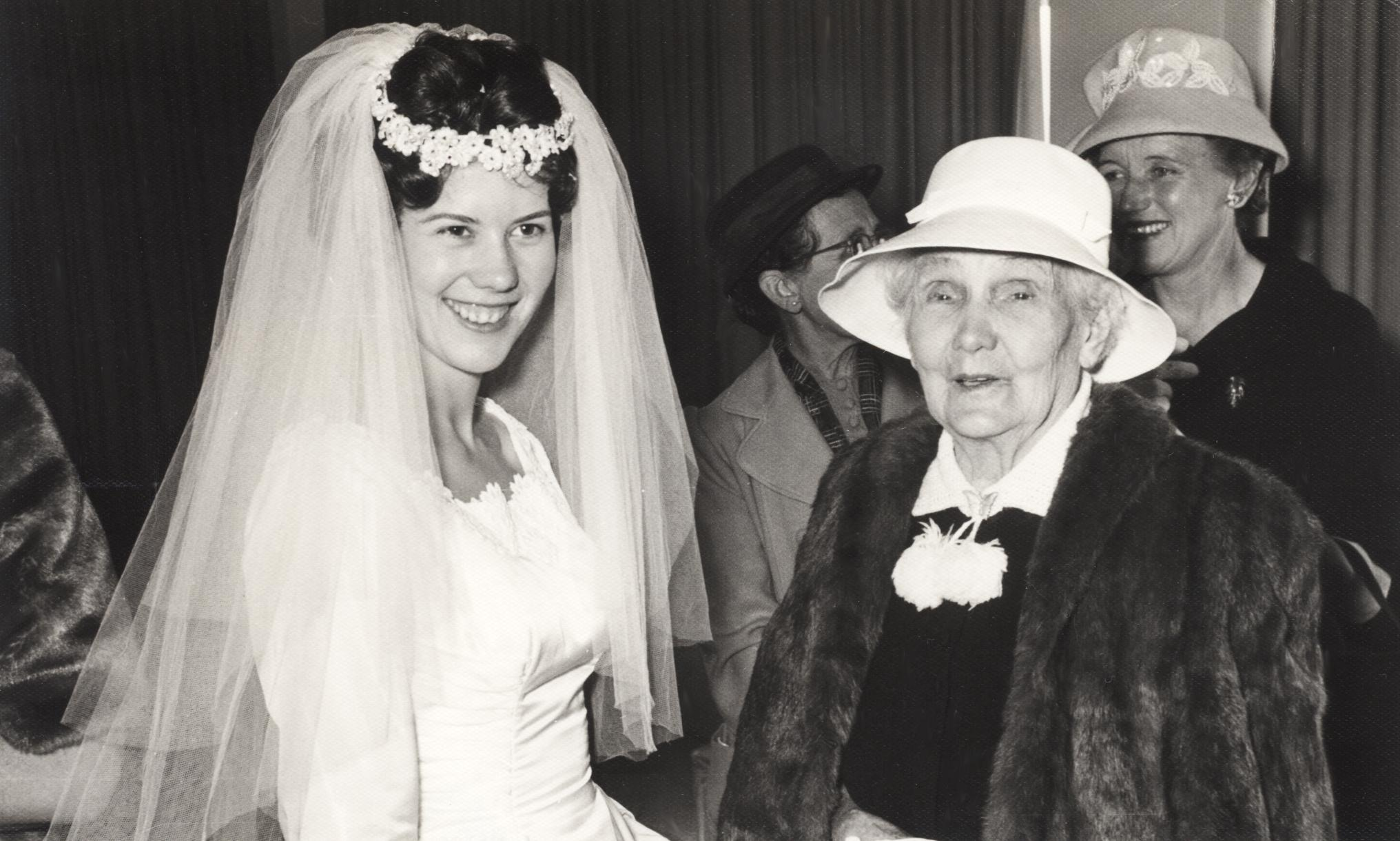
Margaret become very involved in, and much loved member of Judy’s family. The Kenwick home was sold, there was a move to Gosnells. A fantastic Nanna to Anthony, Claire and Robert (Robbie) she was always interested in their education and numerous activities. She played the piano for Judy’s Calisthenic group and contributed to the making of costumes for Judy (and others) for ballet concerts, displays and competitions.
Judy and Graeme built a house at Thornlie which included a Granny Flat to accommodate Margaret.
In the years following John’s death Margaret became involved in playing lawn bowls and was in the Pennant competitions for two Clubs, first Thornlie and then Gosnells.
In 1985 she moved to Amaroo Retirement Village at Gosnells where she had a comfortable unit, moving to the hostel when it became difficult for her to care for herself. After a fall at the hostel, when she broke her shoulder, Judy and Graeme were able to arrange a placement for her in a Nannup nursing home close to where they now live at Balingup.
It was there that Margaret passed away on 23rd August, 1994.
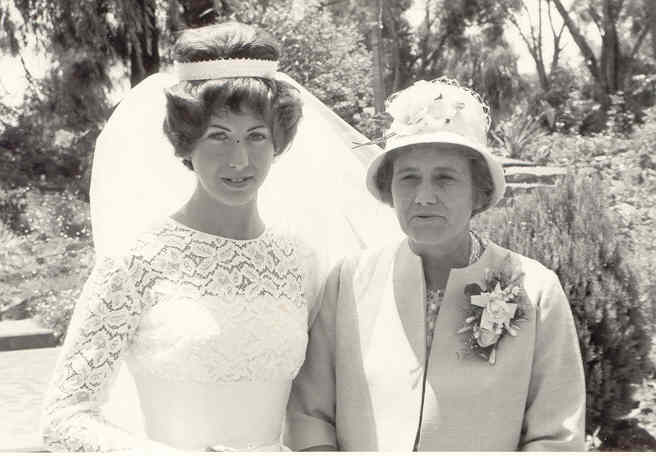
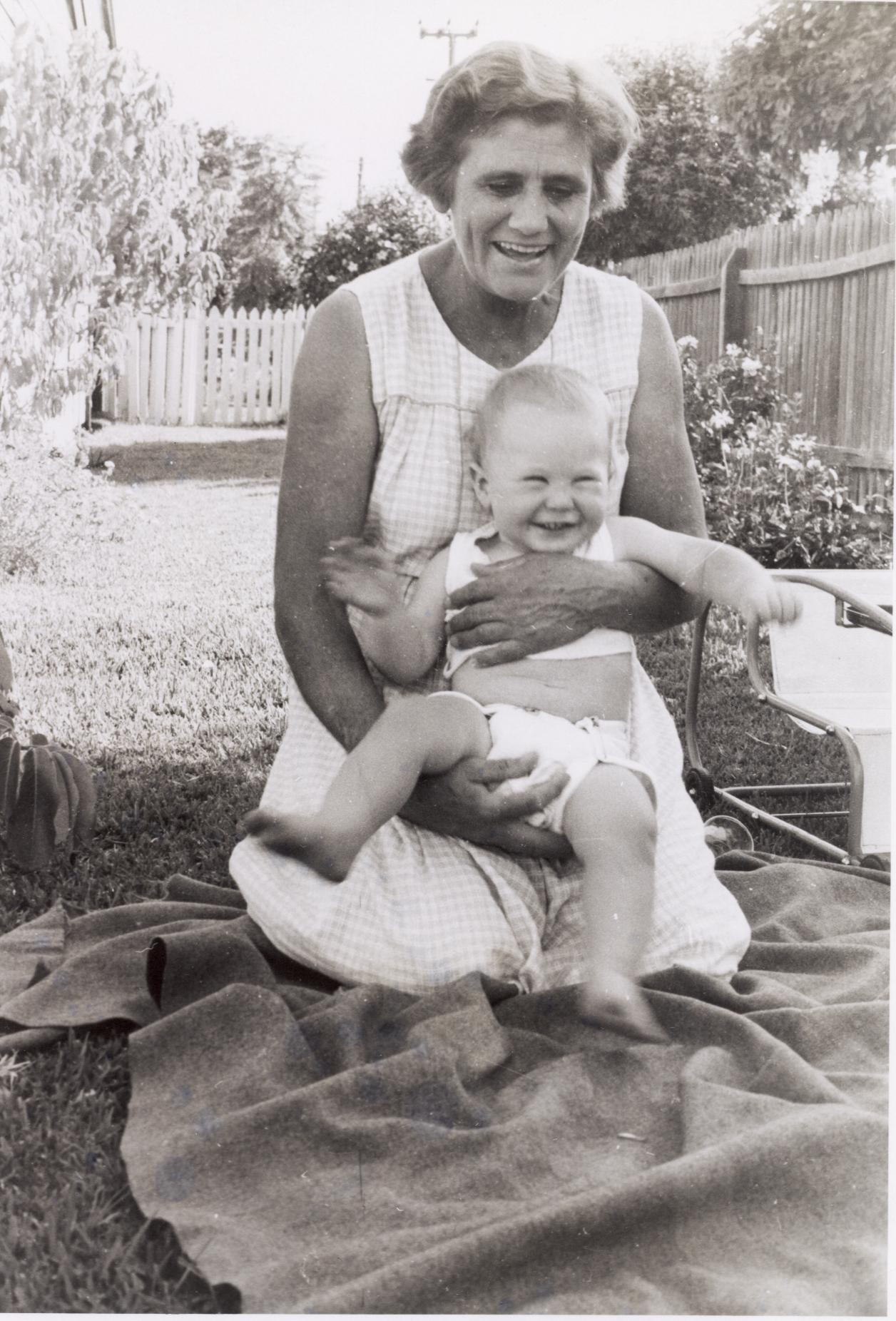
Mothers fill a lot of duties. Another special one for Margaret was as a chaperone !!
In January, 1963, before Heather and Lance were married, they drove across the Nullabor , in Lance’s little Morris Minor, with Margaret in the back seat and at a time when it was still nearly all gravel.
The trip was really good for Margaret as she loved the country and enjoyed the experience.
A very controlled ‘back seat driver’ even when Heather and Lance had a minor verbal altercation regarding Heather’s driving ability at dusk, and there was a quick change of drivers!
At the Balladonia stop the first thing Margaret wanted was a beer !!!
On arriving at Eyre, and on finding there was no accommodation available at the motel they all spent the night huddled in the Morris Minor !!!!
They did spend the next night in a Motel at Ceduna , then on through Adelaide to Murray Bridge staying at a truck stop, very basic, but quite a trip !
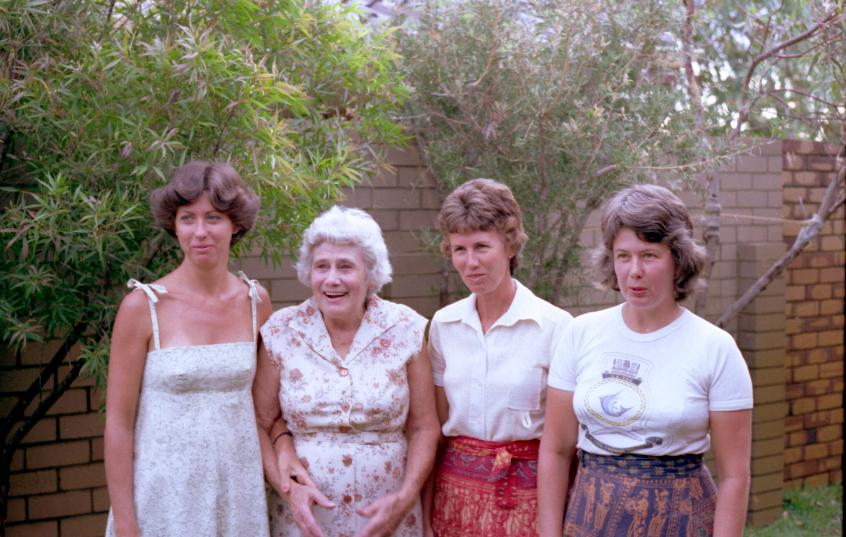
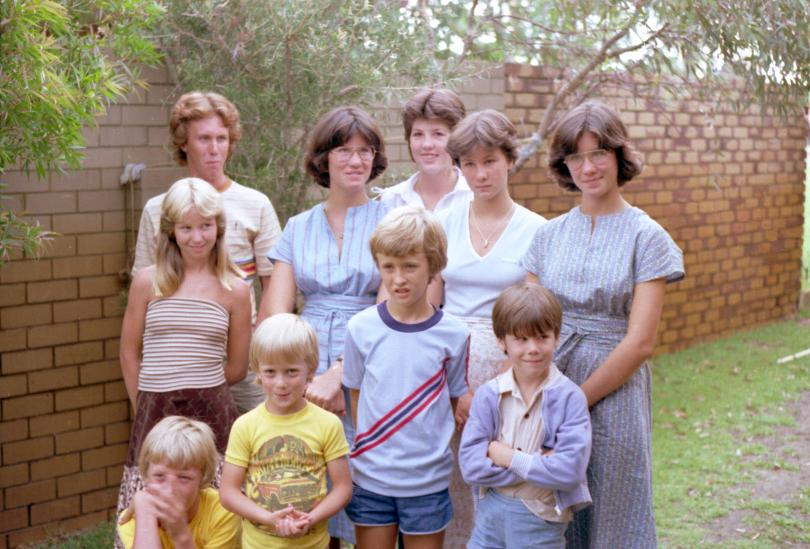
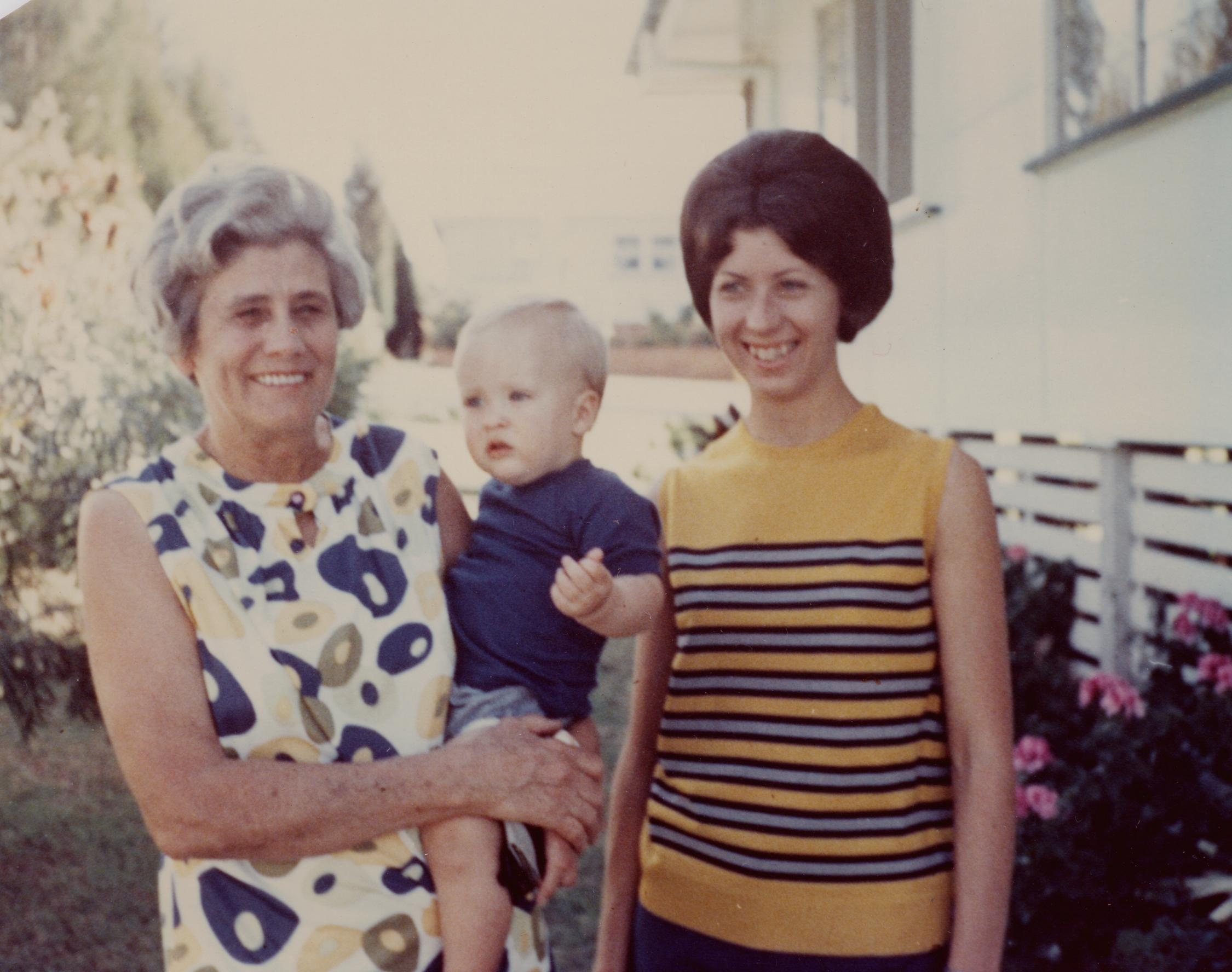
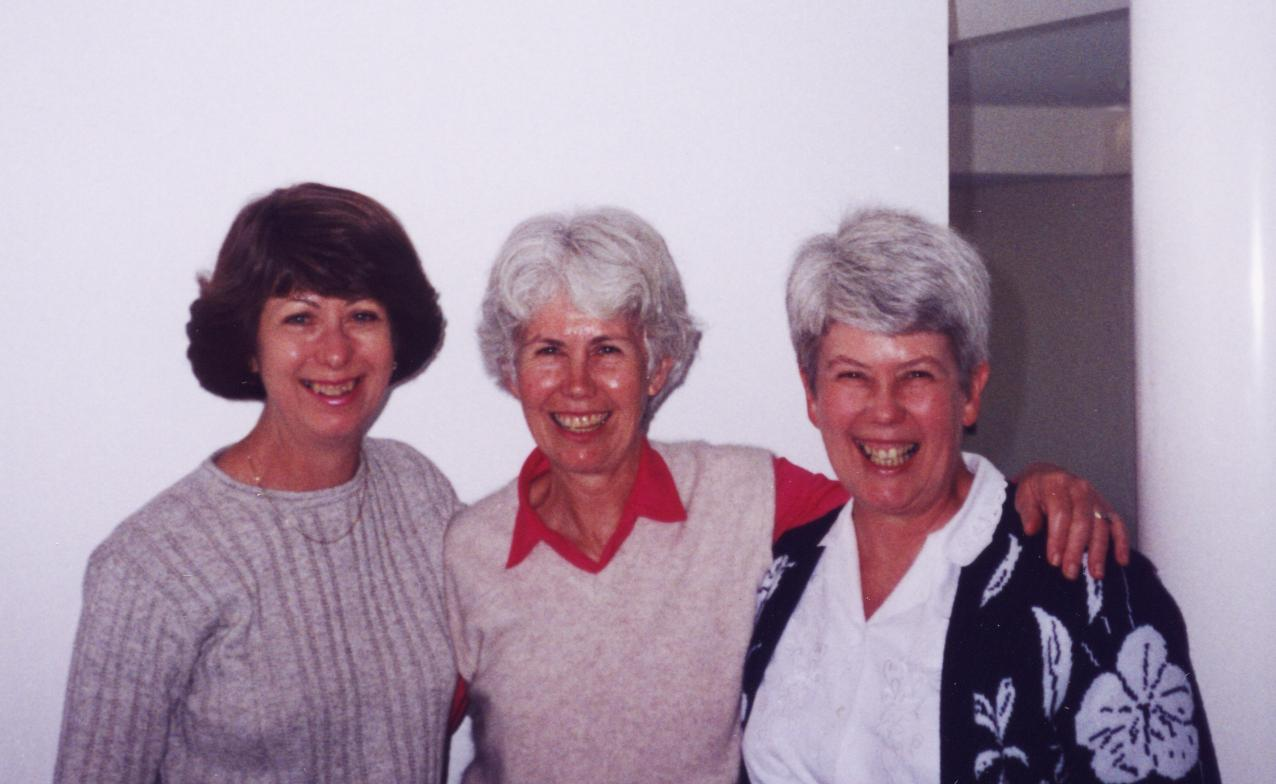
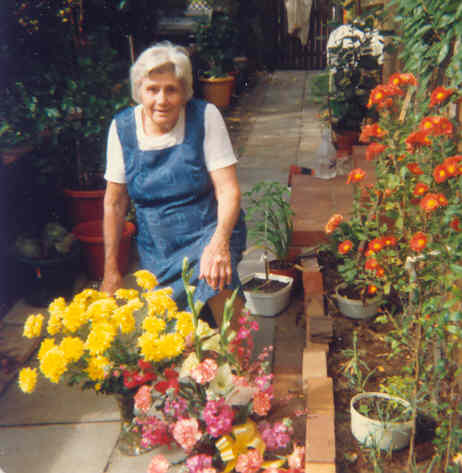
Margaret Anne born on 21st April,1910.
Married John Ross Stuart McKay on 6th April, 1934 in Cue.
Children: Madeleine Margaret born in 1938
Judy Elizabeth born in 1940
Heather Ida born in 1942.
Madeleine Margaret born in 1938.
Married: Michael John Stanley Keay (1935) in 1961
Children: Fiona Jane born 1962
Robyn Margaret born 1964
Alison Norah born 1964
Anna Elizabeth born 1965
Peter Michael born 1972
Fiona Jane born 1962
Married : Ian John Knobel in 1992
Children : Jack Alexander born 2000
Alison Norah born 1964
Robyn Margaret born 1964
Married : Alistair Malcolm Armstrong McIntyre in 1997.
Children: Timothy Ian born 1998.
Claire Ruth born 2001
Anna Elizabeth born 1965
Married : Mark Joseph Burton in 1996.
Children : Madeliene Ursula born 1997.
Hannah Jane born 2001.
Peter Michael born 1972
Married : Kirsty Danielle Newcomb in 2001.
Children: Harry John born 16th January, 2002.
Jacob McKay born 30th May, 2003
Judy Elizabeth born in 1940
Married : Graeme Ross Stainton (1933) in 1961
Children: Anthony John born 1963
Claire Elizabeth born in 1965.
Robert Clive born in 1967
Anthony John born in 1963. A Pilot Officer, R.A.A.F.
Married : Kate McCluskey in 1993.
Children :Benjamin Graeme born in 1995.
Alexander John born in 1997
Madeliene Claire born in 1999.
Claire Elizabeth born in 1965, sadly passed away in 1987, aged 22 years.
Robert Clive born in 1967
Married : Cindy Crommelin in 1997.
Children : Lachlan born in 1998.
Heather Ida born in 1942.
Married Lancelot John Halvorson (1939) in 1963
Children: Carl born in 1969
Adam born in 1973
Carl born in 1969.
Adam born in 1973
Children : James Gregory born in 1997.
Jean Isobel Thomas (nee Beaton)
Jean Isobel born in 1914 was, due to the financial constraints, unable to attend boarding school but led a full working and social life on the station and in the district where she met her future husband, Harold Greenwood Thomas. They married at the Anglican Church in Cue in 1934.
Harold worked for ASCARO and Western Mining on many sites around Western Australia, Big Bell, Laverton, Ora Banda, Morley’s Find and Kalgoorlie to name some. While at Kalgoorlie, it was found Harold had contracted tuberculosis, which meant he could not continue working underground. This necessitated a change in work and lifestyle.
They moved to South Australia and then on to Mordiallic in Victoria, where they raised their family and remained for the rest of their lives.
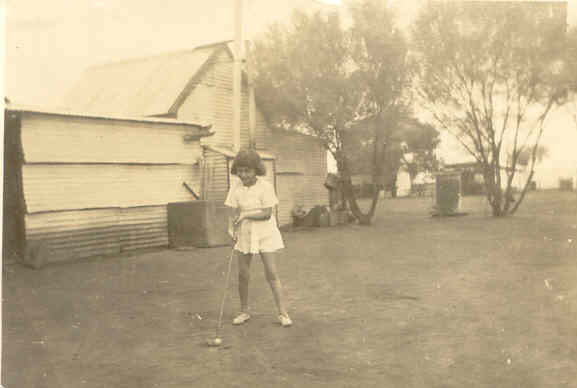
Jean became a champion golfer, a member of the Southern Golf Club and has several Victorian Awards to her name, a long way from the rough anthill course at Cogla Downs.
Perhaps no course held the same challenge as that first one.
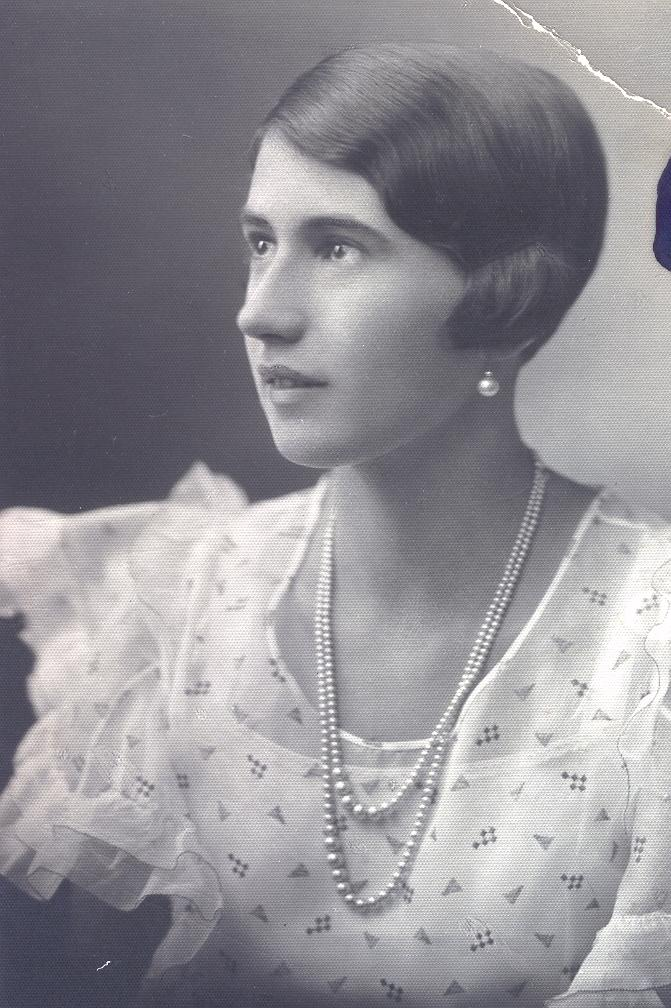
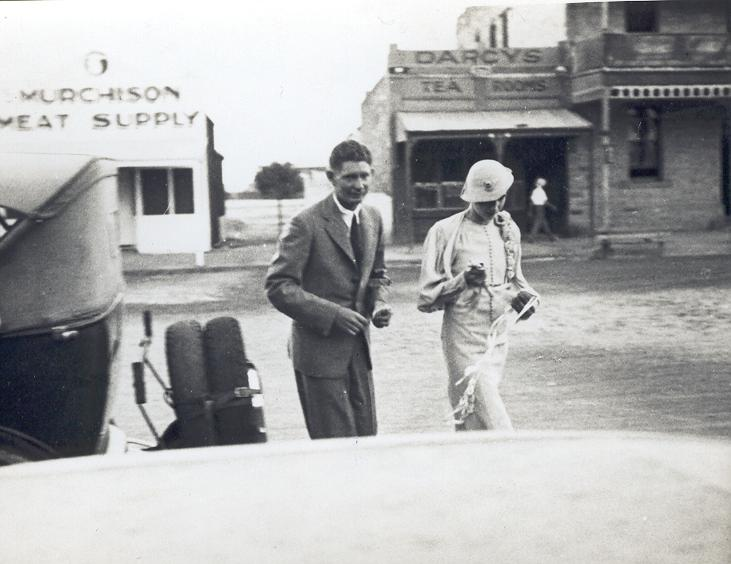
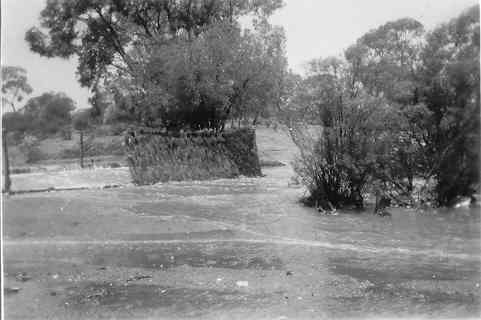
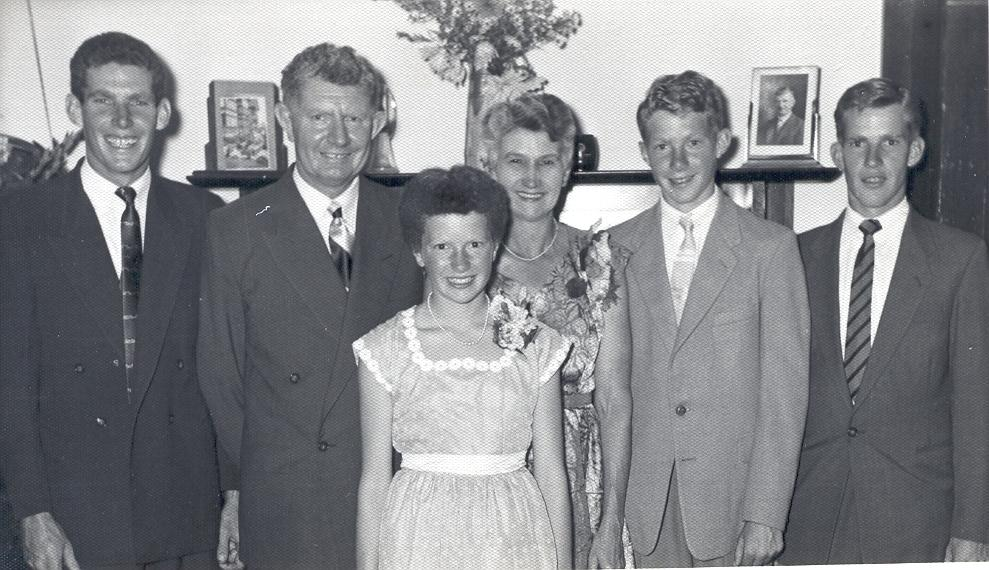
Veteran with a zest for living.
Copy of an article in ‘Australian Golf,’ March 1982.
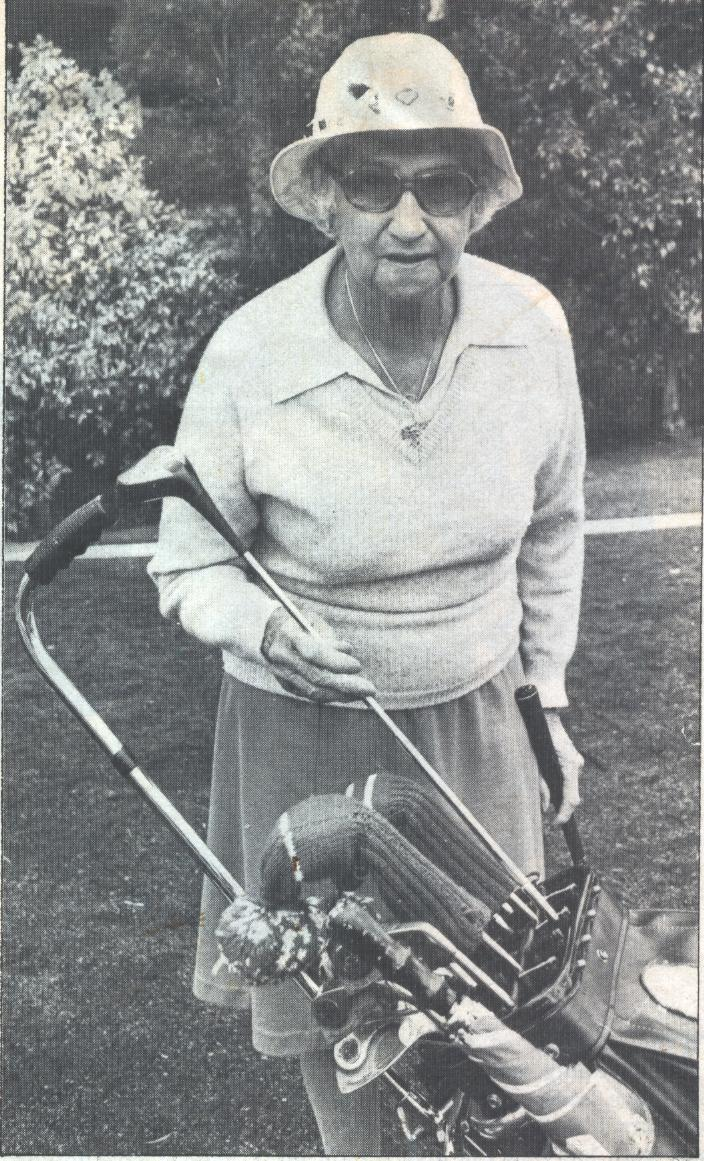
Some people play it for money, others for personal achievement and some play it just for the love of the game. For Jean Thomas it has been a 62 year love affair with golf. And like all great love affairs, it gets better as time goes on.
Jean Thomas is Victoria’s popular veteran golfer who at 67, is a low handicap marker mixing it in open fields and showing the young players a thing or two. She is an institution and no major tournament would be the same without her.
Three times Victorian veteran champion, Mrs Thomas’ zest for golf comes from her zest for living.
“Life is what you make it and you’ve got to go out and meet it head- on ,”she said.
Apart from her fitness and “get up and go”, Mrs Thomas’ golfing strength lies in her ability to play the irons cleanly off every lie possible. Her uncanny skill puts younger players to shame at times, and even now there are few women who can match her ability to get the most out of the iron club.
“Actually I am hitting the ball as well as I ever did, if not better,” she said .”But I now make silly mistakes, I lose my concentration at times. I guess it is something to do with getting on.”
Jean Thomas had an apprenticeship in golf that few could match. She was reared on a large sheep station, Cogla Downs, 800 kms north east of Perth. Her father Charles Beaton, was a keen golfer and built a nine hole golf course on the property. “He was a fine old golfer, a self taught amateur,” said Mrs Thomas.
Beaton had a ready made “green” staff as he had eight children, all of whom he taught golf and helped maintain the golf course, as well as work on the station. The golf course was not a green golf course, and mainly consisted of red Murchison soil.
Mrs Thomas, who started to swing a club at five said, like her brother and sister, she quickly learnt to pick up a golf ball from the top of sand and slam it down the middle.
At 19 Mrs Thomas met her husband, Harold, a mining engineer who worked in Western Australia’s numerous mining fields.
“In the first twelve years of our marriage we had eight moves. We lived in everything from bough sheds to tents and loved every minute of it ,”said Mrs Thomas.
There was not time for golf but in 1939 Mrs Thomas won her first championship, that of the Cue-Murchison golf District. “I borrowed mother’s clubs and someone else’s shoes and away I went ,”she said.
Mrs Thomas was to have a fifteen year break from golf in which time she raised four children. It was not until 1952, when she joined Southern golf club, that she began to play again.
As it happens Southern was the first “green” golf course that Mrs Thomas confronted. “I had to learn all over again.” Her first handicap was 19.
“ We’d never heard of handicaps in the West. We didn’t use them where I came from,” laughed Mrs Thomas as she recalled her early life the bush and gold mining towns of the vast western state.
Starting her golf career again at the age of 38, Mrs Thomas went on to win nine club championships at Southern, contest fourteen foursomes championships finals at the club and win the state veterans title 3 times.
She is now looking for her 10 th club championship and another win in the veterans championship.
“I’d like to win that again, but it’s not getting easier. People start to play the veterans’ championship at a much earlier age than they used to. I give away about 12 years to most of them,” she said.
During her time with Southern, Mrs Thomas has been both captain and president and in 1979 the club made her life associate.
“That was my greatest piece of joy,” she said.
Apart from being a stalwart for the Southern’s Senior pennant team, at times handing out lessons to players years her junior while playing at number one, Mrs Thomas had another remarkable achievement at Southern. She had two holes-in-one in a week.
“I waited fifty years for that. They could have killed me at Southern,” she laughed.
Although she is an institution at Southern golf club and in Victorian women’s golf, Jean Thomas is not the only sporting member of her family. Her sons, Peter and David, both play and her husband , Harold, hung up his squash racquet after playing his last game at seventy years of age.
Always ready to help young players, whether it be with advice or a bed in her large home at Mordiallic during tournaments, Mrs Thomas firmly believes that golf alone is not the secret to sporting success.
“I like young people to play team sport first, it’s good for them ,”she said.
But to Jean Thomas, golf is a game she has never tired of, and she always sees a challenge every time she plays.
“It’s always been a sport to me, it will never be anything else,” she said.
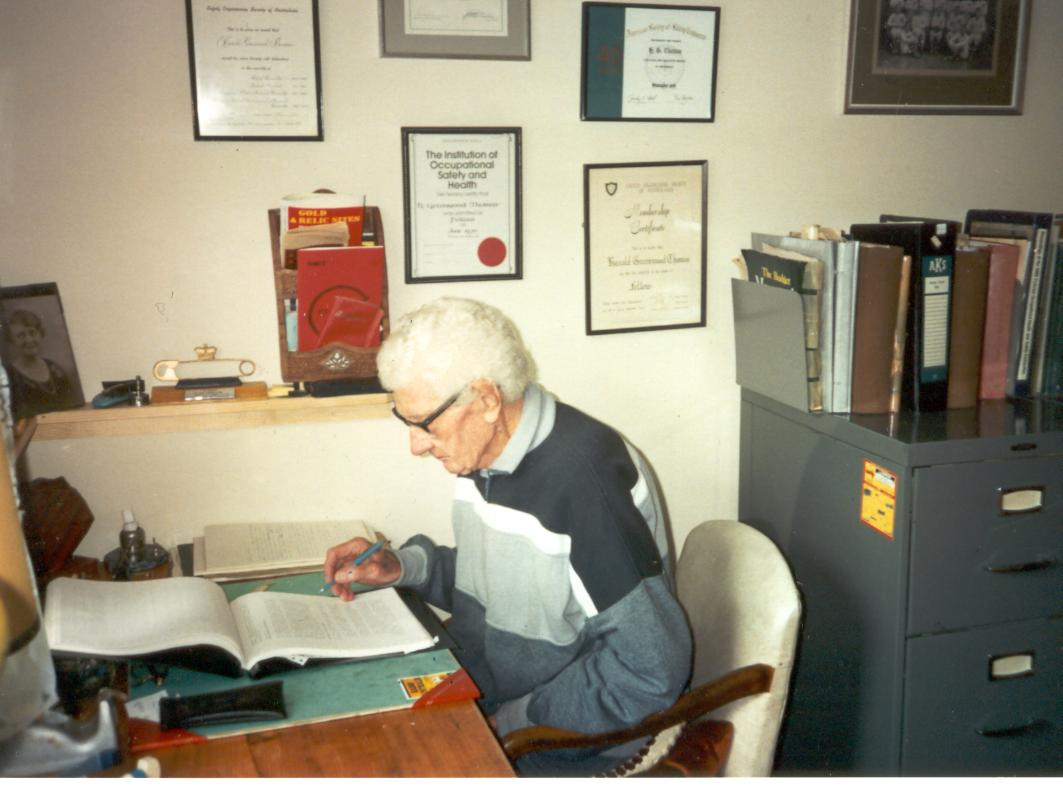
HAROLD GREENWOOD THOMAS
The text of an obituary printed in the ‘Safety in Australia’, February 1993 circular acknowledging Harold’s contribution to his profession and to Australia.
Harold Greenwood Thomas died in September 1992. With his death ends an era in occupational health and safety in Australia. Throughout his active professional career, he was ever at the forefront of new developments, urging expansion and reform, and promoting his personal vision of an expert national society.
He was one of very few exponents of these unpopular views in the dark days of the 60's and 70's, when contemporary society displayed massive disinterest in occupational health and safety. It was largely the persistent pleadings of those few that resulted in the major developments in the 80's and 90's. Those of us who work in the occupational health and safety movement owe him much, as indeed do Australians generally.
Harold Thomas was born in London on 12th May 1905 and was educated at Kings College School and then at the Royal School of Mines from which he graduated as Associate in 1926. In that year he commenced his career as a mining engineer in France before emigrating to Australia in 1930, where he again worked as a mining engineer in Queensland and Western Australia.
In 1942 he took up the position of Officer-in-Charge of the Industrial Welfare Division of the then Department of Labour and National Service in Adelaide and three years later became the Senior Safety Engineer of that Dept.
It was here that he began his life's work of contributing to the development of occupational health and safety in Australia. That work was marked by standards of industry and achievement to which few can aspire and which are, in many cases , simply without peer.
In the context of the multi-faceted activities now in place in ‘Occupational Heath and Safety’, it is difficult to remember those dark days of thirty years ago when there was little but tokenism on the part of government, management and union bodies; when injury prevention principles were almost nowhere taught, so that academia looked at occupational health and safety with disdain; and where specialist safety officers were to be found in only a handful of the largest companies. One of these was General Motors Holden for whom Harold acted as Safety Engineer from 1956 to 1970 and later in a consulting capacity. Strong though his achievements were with GMH, it is for his extracurricular activities in two particular fields that we are most in his debt.
The first was the Standards Association of Australia for whom he was a prolific worker. He was no passive member; the list of committees on which he served is awesome and far too long to be included here. Many of us can recall receiving lengthy draft Standards with his handwritten annotations asking for general comment on the draft and also for specific comment on section so-and-so with particular reference to the accuracy of the underlying principle and the appropriateness of the detailed development! Preferably before the weekend !!
His work for the Standards Association culminated in 1947 when he became Chairman of the Safety Standards
Co-ordinating Committee. in this powerful position, he exerted enormous influence for the benefit of occupational health and safety.
He also devoted much of his life to the development of what was originally the Safety Engineering Society of Australasia. He joined the Victorian Branch in 1955 and was elected to the Victorian Committee in 1957 and remained a member until 1975, becoming Vice President once and President twice during that period. He had the strong clear vision of a national professional organisation, and it was during his stewardship that what had been largely a single-State society grew to become a national body.
At a national level, Harold was a member of Federal Council from 1963 to 1975. He was Chairman of the Development and Research Committee set up to promote professional development, and was also Vice-President once and President Twice.
Harold Thomas served the occupational health and safety profession with great distinction and during his life gave unstintingly and unremittingly of his skill and expertise.
It is a mark of his commitment that his book "Safety, Work and Life" was published only a few months ago when he was in his 86th year.
Harold Thomas was the only person in the world ever to be honoured at the most senior level by occupational health and safety organisations in three countries.
He was a Fellow of the Institute of Occupational Health and Safety in the United Kingdom; and a Fellow of the American Society of Safety Engineers.
In this way, Harold Thomas brought Australian achievements to international attention. He has served Australia well.
The Safety Institute of Australia (previously the Safety Engineering Society) uniquely recognised his achievements by creating an annual Oration in his memory. I had the honour of delivering the first Oration in Adelaide in 1986 and chose as my theme the topic he had promoted all his life.
Put simply, he believed that persons trained in the principles of injury prevention would have the expertise to make a massive contribution to the development of occupational health and safety, and thereby to the quality of life of Australians.
Thirty years ago this was very much a non-conformist view; that it is today unchallenged is a tribute to the perseverance, the fortitude and the unswerving tenacity of this great man.
Harold Greenwood Thomas was truly a man for his times.
We owe him much and will not see his like again E.C.Wigglesworth.
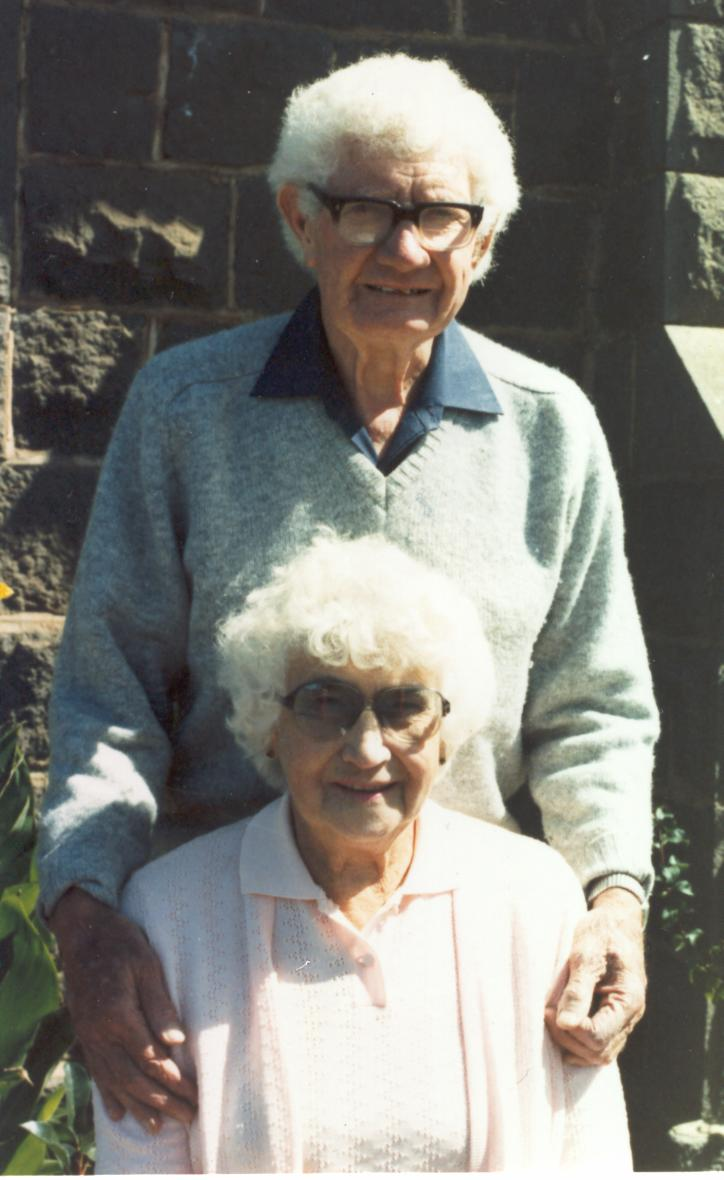
The Thomas Family. 1950’s
Jim, Harold, Jill, Jean, Peter and David.
Jean Isobel Born 5th November,1914
Married Harold Greenwood Thomas (1905) in Cue in 17th March,1934.
Children: James Richard Greenwood Thomas 11th March, 1936 Laverton.
David Greenwood Thomas 11th September, 1937 Meekatharra
Peter Greenwood Thomas 10th November, 1940 Reedy
Jillian Greenwood Thomas 28th November, 1943 Adelaide.
James Richard Greenwood Thomas 11th March, 1936, Laverton
Married: Josephine Margot Murdoch(1939) in 1960
Children: James ‘Matt’ hew Greenwood (Thomas)Aldridge 1962,
‘Kate’rine Francie (Thomas)Aldridge born 1965
Jessica Mary (Thomas) Aldridge born in 1968.
Re-married: Pamela Stockton (1936) in 1986
David Greenwood Thomas 11th September, 1937, Meekatharra
Married: Christine Diana Gilby (1942) in 1968.
Peter Greenwood Thomas 10th November, 1940, Reedy’s
Married:Cynthia Mary Terrett (1943) in 1968
Children: Michael Anthony born in 1970
Robyn Jane born in 1972.
Jillian Greenwood Thomas
Married: Brian George Harvey(1939) in 1961
Children, Leanne Jane born in 1962
Rodney Allan born in 1965.
Re-married : John Raymond Lear (1946) in 1985.
Ronald Malcolm Beaton
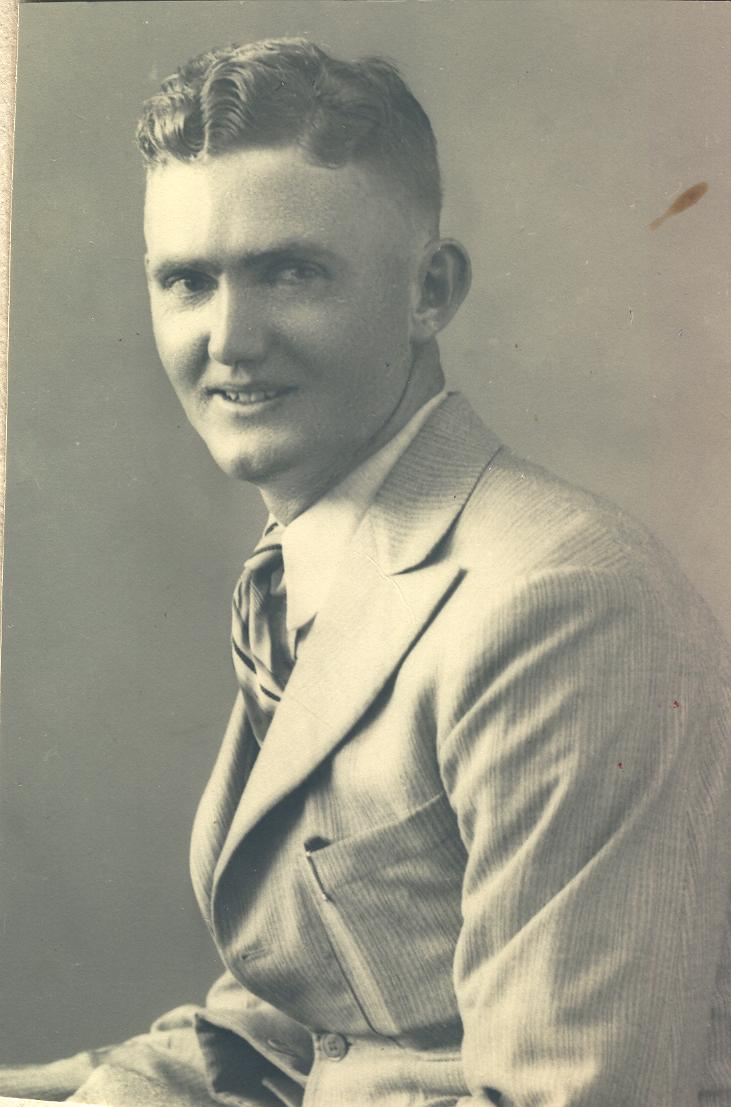
Ronald Malcolm born in 1916, was two years old when the family left Thundelarra and came first to Perth and later moving to Cogla Downs. Ron did not have the opportunity to attend boarding school and from the age of fourteen worked fulltime on the station as a general hand.
Ron has many vivid memories of life on the station. A full life with visitors always welcome, whether on business or social, the boys labouriously rolled the anthills on the tennis court, also helped with the rough golf course, enjoyed the race meeting, balls and celebrations.
Above all they coped with droughts, falling wool and stock prices, establishing, building and maintaining the property.
One of Ron’s duties was checking windmills, one circuit was 95 miles the other 110, both covered on his own on a motor bike. The skills and risks down the shafts, replacing parts, dropping and finding them, all part of the day relying entirely on oneself.
In 1936 Ron left the Station and went to work at the Aurora South mine in Kalgoorlie for 14/10 (fourteen shillings and tenpence) approx $1.50 a shift, as a bogger or labourer underground.
Ron joined the Royal Australian Air Force in 1939.
‘Canberra Archival Records’include the following information:
Ground crew were being paid 7/6 (75c) a day but while in England they were paid 5/- (50c) a day, to be the same as the English troops and the balance was put into a fund and paid to them on their return to Australia.
Ron was sent to France during the ‘mopping up’ procedures and was only there three weeks when ordered to return to England for repatriation to Australia.
There he waited in Brighton for three months for an available ship.
After returning from England Ron and Charl bought a house and one acre of land in Mundaring for £1400.0.0 ($2800) and settled their parents in with them. Later they sold this property and bought 14 Lyall St, South Perth and resided there for several years.
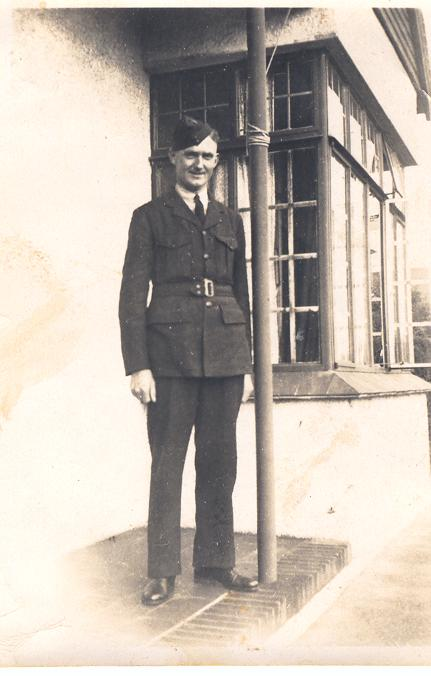
After further communications, came the request for Ron to present himself at Yorkshire House, St George’s Terrace at 9 a.m. on the 17 th of February, 1940 for enlistment as a Aircrafthand M. prepared to go to Laverton, Victoria for enlistment.
The daily rate of pay applicable to appointment is five shillings a day.
All airmen are provided free messing, accommodation.
Uniforms and necessaries are provided at Departmental expense.
Information on
“Application for Enlistment as an Airman” dated 4/12/1939
BEATON Ronald Malcolm
Resident at: 7 Barsdon Street, Cottesloe.
Date of Birth: 29 th February, 1916.
Trade desired: Aircraftsman
Experience:
Station hand, Father’s property - 8 years.
Experience in motor cars and trucks, driving and maintaining.
Details of Military Service:
Served 28 th Battalion,Voluntary Militia for 6 mths in Kalgoorlie.
Height: 6 Ft
Weight : 12 Stone
No : 9228 BEATON Ronald Malcolm
Permanent Forces Form P/P 11 was signed in Laverton, Victoria on 20/2/1940.
Recruit Drill Course Laverton : 22/2/40 to 19/3/40
Pass
Mustering : T/Flight Mechanic Unit No 1 Engineering
School , ASCOT VALE 20/3/40
Trade Test Report dated 21 st June, 1940, Result :PASS
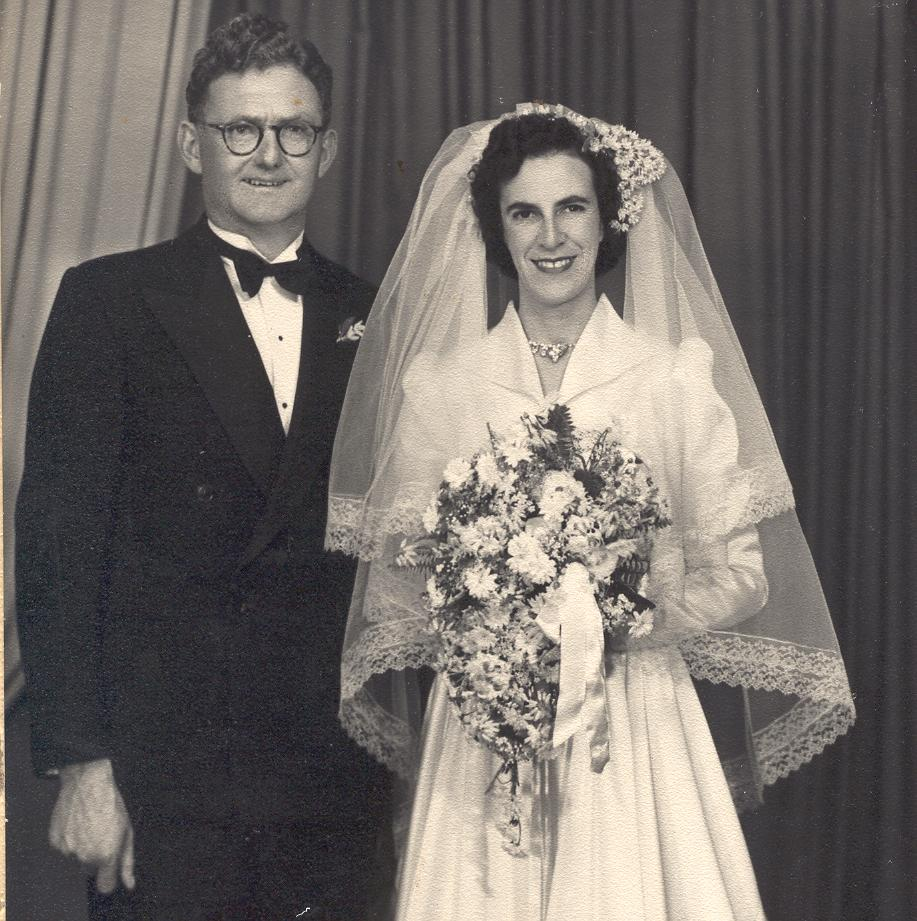
Ron on a trip to Sydney on the S.S.Duntroon met Madge Adelaide Reid. They married in 1954 and over the years had a family of four, two girls and two boys.
Ron and Madge bought a house in Mt Claremont for £4,000.0.0 ($8,000) in 1954, through War Service and with financial help from Madge’s mother.
Ron tried private ventures and spent many years working for Ken Bullock of Bullocks Transport as a mechanic, leaving after Ken Bullock died. After this he worked as a mechanic for Shacks of Fremantle and Chamberlains of Welshpool. Ron then had his own 7 ton truck and worked contracting for TNT delivering full time in the Perth area. These rates were low so, Ron, when opportunity presented went driving petrol tankers for Ampol.
Qualifications Special Courses
130 R.D.C. 19/3/1940
15 Trade Mech Course 21/6/1940
Stewart Werner Cabin Heating Equip
8/7/1943 464 Squadron
De Havilland Prop Inst Course
27/8/1943 464 Squadron
Promotion Remusterings
ACI 20/2/1940 A.G.H Mech.
ACI 22/6/1940 Flight Mech.
LAC 1/4/1941 Flight Mech
LAC 18/3/1942 Fitter 11E
CPL 1/11/1944 Fitter 11E
Posted To Date
No 2 E.F.T.S. Archerfield 23/6/40
No. 24 Squadron Amberley 22/7/40
No. 454 Squadron Williamstown 2/7/41
No 456 Squadron Williamstown 11/7/41
“ “ “ O/S 13/9/41
No. 2 S of T.T. 18/3/42
53 O. T.U 22/7/42
No.464 Squadron 15/9/42
(Renumbered 6464 S.E.)
3130 Serv Echelon 13/11/43
11 P.D.R.C.
1 P.D.
5 P.D.
Personal Glimpses
While in Townsville Ron became quite ill, suffering from double pneumonia and measles at the same time. Seriously ill, he spent six weeks in hospital. This left him with a predisposition to bronchitis for the rest of his life.
While stationed in England , he was , with his squadron, preparing to fly from one base to another. He was queuing to enter the plane when told it was full. Ron, after waiting, boarding the next plane. Some hours later arriving at the new airfield, Ron was told that the first plane has crashed into the side of a hill in heavy cloud soon after takeoff . Everyone aboard died.
As Ron’s name was on the manifest of the plane, until he turned up, he too, was thought to have been killed.
TRAVEL
17 th February, 1940 by train from Perth to Laverton, Victoria.
11 th October, 1940 by sea to Brisbane, Townsville 14/10/40, 24 Squadron.
27 th to 29 th December, 1940 by train Townsville to Archerfield collection
of aircraft.
7 th January, 1941 by Service Aircraft
17 th July, 1941 by sea for U.K. (same ship as Donald Beaton )
North Wales
Liverpool
Bournemouth They formed a Squadron air station
after the blitz of Liverpool , “The Valley”. Still there.
Cardiff
Gosford, in the Midlands.
7 TH July, 1945 Disembarked in Australia from UK
27 th August, 1945 Discharged.
When needing extensions to the house to accommodate his growing family, working shift work enabled him to work nights, have a sleep and rise to labour for the tradesmen engaged to extend the family home.
After retirement, and to be nearer their grandchildren, Ron and Madge moved to Kallaroo.
While holidaying and looking forward to their twilight years together, it was a devastating blow for Ron to lose Madge, after only a few weeks of ill health on 29th November, 1989.
When younger Ron was a keen singer in the Gilbert and Sullivan Chorus until marriage and family duties filled all his time. After Madge’s passing Ron joined the Wanneroo Choir and rekindled his love of singing.
Ron moved to a unit and then to the R.A.A.F. Village at Merriwa, where he enjoyed the friendly company and social activities.
Ron passed away suddenly on Sunday 4th February, 2001 at 84 years of age leaving family and friends devastated to lose such a loving gentle man.
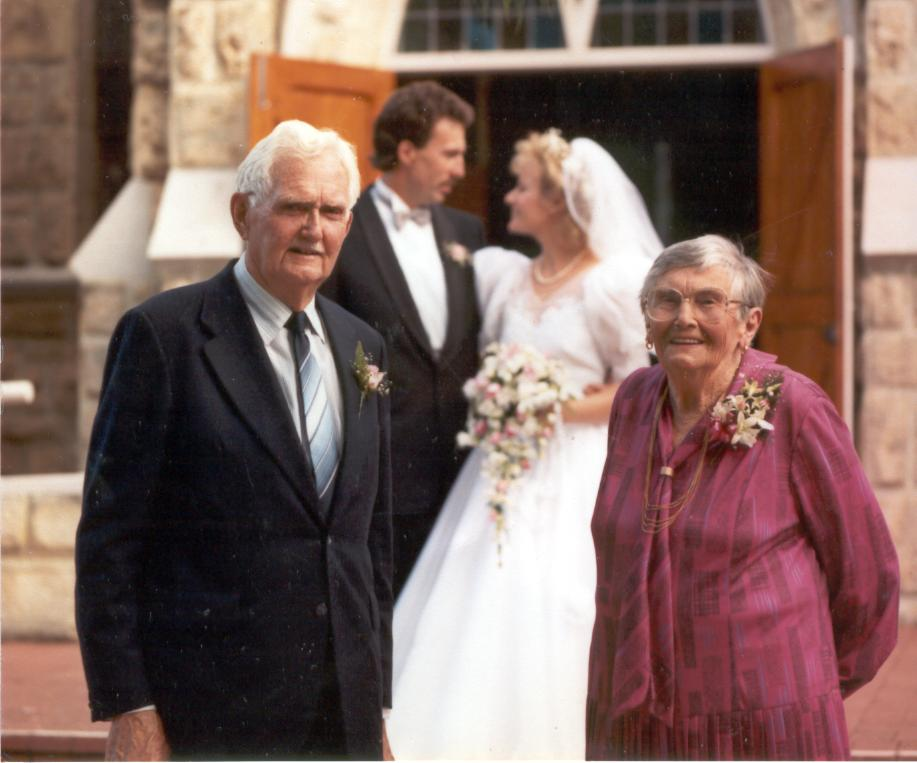
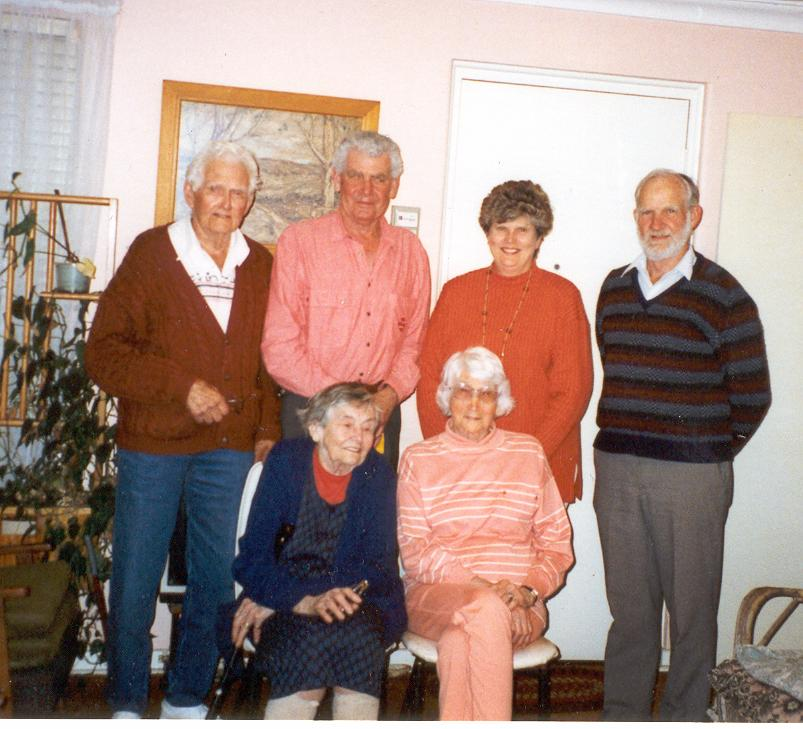
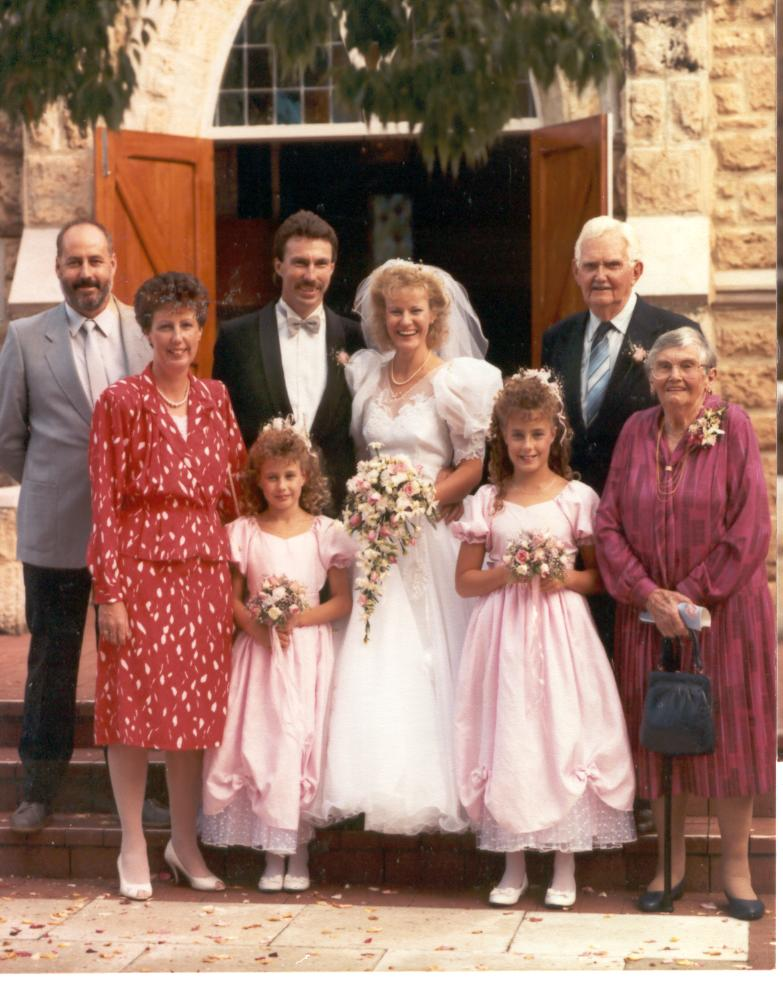
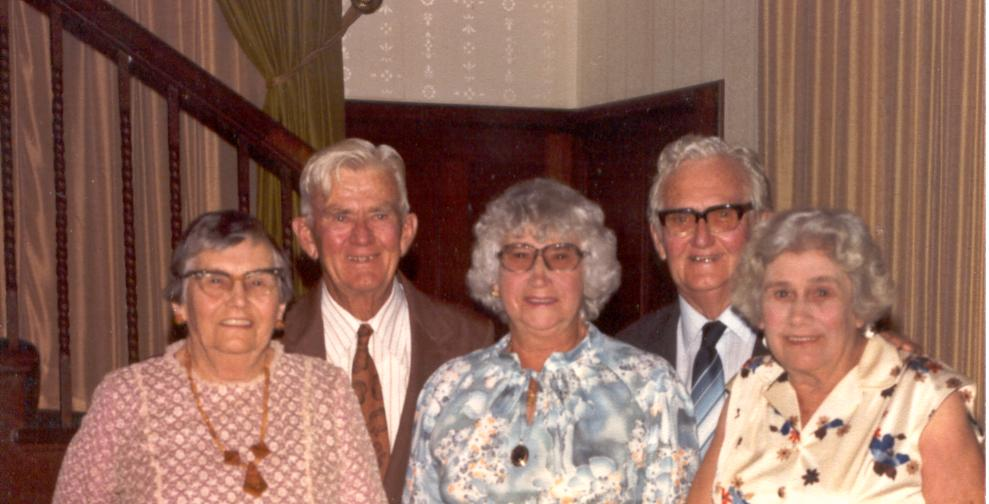
Ronald Malcolm born on 29th February,1916 at Thundelarra
Married : Madge Adelaide Reid (born 20th January,1925) on 17th July 1954.
Children: Christine Jennifer 9th November, 1955,
Lynette Rhonda 19th August, 1957,
Reginald James Charles 11th October, 1960
Malcolm John 26th April, 1962.
Christine Jennifer
Married:Roger Paul Donnelly(b.18th Nov,1949) 31st January,1976
Children: Bree Catherine born on 30th June,1980.
Claire Louise born on 1st November,1982
Lynette Rhonda
Married :Gregory Frank Pizzey(b.1956) 9th September, 1980.
Children: Sarah Lynette born on 9th March, 1982
Daniel Gregory born on 13th June, 1984.
Reginald James Charles
Married Peta Pierce (b. 21th March, 1959) 20th April, 1990
Children: Madeleine Elyse born on 26th December, 1994
Christopher James Pierce born on 11th January, 1997.
Malcolm John
Married: Karen Mary Dempsey ( b. 4th May,1970) 24th February, 1995
Peter Roderick Beaton
Peter Roderick was born in Claremont in 1918, while the family were living at the Ocean Beach Hotel, having just left Thundelarra Station.
After a short period of time in Perth, Peter spent his youth at Cogla Downs.
Alex took Peter and Ron for their first visit to Perth in 1934, while there they visited other members of the extended Beaton family, including the Clarrie Sinclair family at their Mt Lawley home.
Ron told this story in September 2000:-
When Ron and Peter were erecting stockyards on the station Peter strained his heart lifting heavy Mulga logs to build the yards. He was ordered off work for two years by the doctor.
During this time Edith and the girls taught him music and to play the piano.
He still had a heart murmur when he enlisted and was an Army Despatch Rider to start with, eventually promoted to the regular Army after much pushing on his part.
Peter’s story is a little different in his notes.
Peter’s music meant a great deal to him, especially during his incarceration at Changi and on the Burma Railway during WW11.
Peter was a leading member of the entertainment group in the 2nd/4th Regiment and the group were instrumental in helping maintain the troops moral during those extremely hard years.
During this time Peter made himself a guitar and on release left this instrument behind, wanting nothing to remind him of the place. In later years that decision was regretted.
Ron took his Mother, Father and Connie Rice down to the wharf to welcome Peter back to Perth.
Considering his experiences and the fact he weighed about 6 ½ stone he was in quite good health. The P.O.W.’s had spent some weeks in Bangkok before repatriation.
Peter did not discuss these experiences but would not buy Japanese made goods.
Those war years experiences as a prisoner had long term effects upon Peter and his family. Support services were unknown during this period and although Peter spent months in and out of hospital with related health problems, he was discharged from the army in a very short time.
Peter and Connie Rice married in 1946.
Charles had built a water boring tool in the old blacksmith shop at Cogla, using it successfully to find water on the station. Peter was interested in the art, and starting out with this equipment, developed his own business working as a water borer, firstly in the southern regions of the state and then moved to Dongara where he was well known for his knowledge and expertise, making lifelong friends from some customers who were forever grateful for the lift given to their properties once ‘P.Beaton, Water Engineer’, found good, plentiful water.
Peter over the years modified his equipment to enable him to work on his own.
In one instance, upon being requested to drill for water, and upon him saying he knew what was there (and it wasn’t water) he was still told to go ahead and he did , for 16 holes ($16,000), until eventually the customer accepted what Peter had told him in the first place.
Peter lived in Geraldton during the later years of his life and spent innumerable hours entertaining with his piano and later his organ playing. Rare were the nights he spent on his own, being constantly in demand for Weddings, Debutante Balls, family celebrations etc.
A gifted musician, he never learnt to read music, “Get me the song” or “Sing it to me” were the standard reply for an unknown request. That number would then be added to his repertoire.
His true love of music, entertaining and making people happy shone from Peter seated at his instrument.
Peter passed away at Hollywood Hospital on the 21st of November 1994.
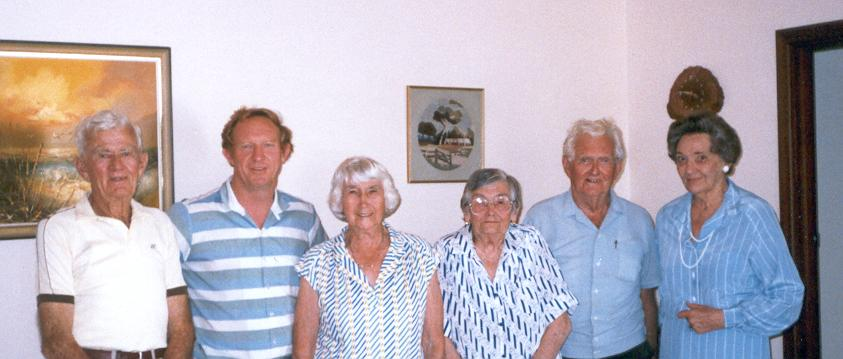
Reg and Peta’s Wedding 1990.
Standing l to r : Ron, Jim Thomas, Marian Miller, David Thomas. Seated : Edith and Jean.
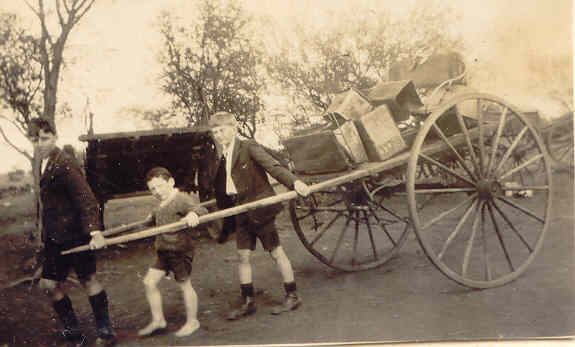
Edith, Peter, Jean, Ron and Margaret at Lynette Beaton’s wedding, 19 80
From Peter’s Archival Military Records.
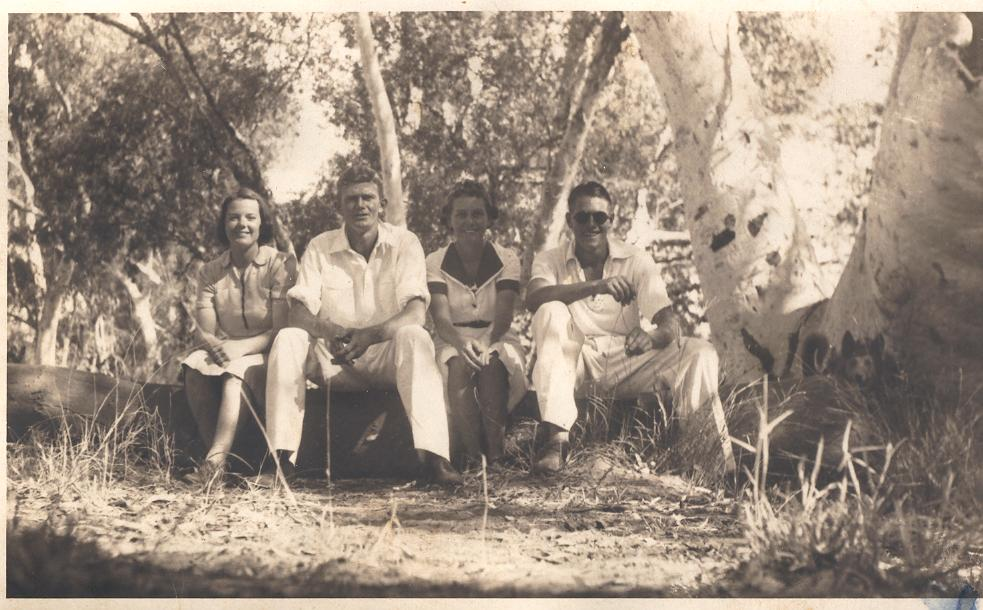
Peter’s “ Service and Casualty Form” reveals :
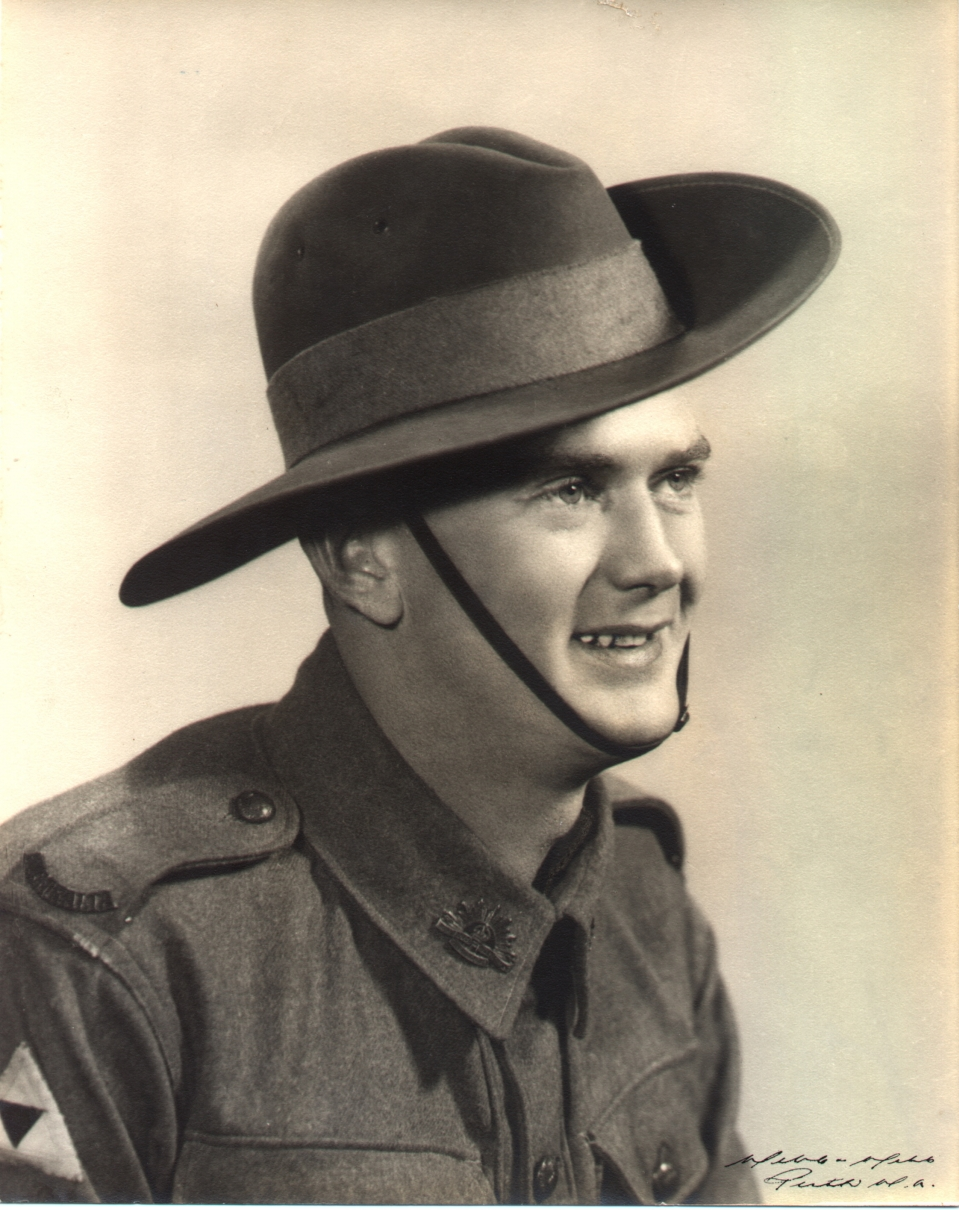
From this date until the 30/4/46 he moved from one ward to another and the final discharge was dated 30/4/1946 Followed by his discharge from the AIF dated 1/5/1946
Discharge Form: Date: 1ST May 1946
Address on discharge: 77 James St Guildford.
Age : 27 years 10 months Height: 6ft 1 ½ inches Eyes: Grey Hair: Fair
Unit: 2/4 Machine Gun
Battalion
Continuous full time War Service in A.I.F from 7/7/1941 to 1/5/1946.
Total period of 1760 days which included
Active Service in Australia: 190 days Active Service O/S Aust : 1394 days.
War Badge : RAS 252560 Discharge No. 531074
Peter’s Story.
Before starting on a personal profile, I feel that a brief family history would be of interest. My grandfather, Alexander (Sandy) Beaton was born in Inverness, Scotland, and came to Australia as a young man to settle in the Grafton area of N.S.W. A carpenter by trade but with a leaning towards the land he selected a holding with a view to farming. This was not successful and he moved to South Australia where he worked at his trade until he heard of the discovery of gold at Nullagine in W.A. he could not resist and eventually arrived at the diggings where he worked for a number of years with only reasonable success. He disposed of his mining lease and moved South to the Dongara area where he remained for a time before taking up land in the Yandanooka district on Greenbrook which he named “Beatonsfield” and farmed for quite some years with success. He then purchased Thundelarra Station between Yalgoo and Paynes Find and it was from here that my father, Charles Beaton, met and woo-ed one Lottie Broad, daughter of Robert Broad who owned Wydgee Station nearby. It is interesting to note that during the courtship my father would ride a pushbike from Thundelarra to Wydgee every Sunday to visit my mother. (A trip of 52 miles each way) They raised a family of eight of which I was the youngest and by the time I arrived Thundelarra was fairly bulging at the seams as there were four Beaton brothers who by this time were all married with children and Father decided it was time to move. He purchased Cogla Downs Station midway between Cue and Sandstone and it was here that I spent my younger days. In the early 1930’s wool was not bringing a very good price, an average of around sixpence per pound was the main and our costs to grow it were around sevenpence! It was decided that it was necessary for two of the brothers to take employment elsewhere and I was the first to go. At this stage mining was on the up and coming with many mines in the Murchison getting ready to produce and to mention just a few …Reedy, Wiluna, Big Bell, etc. I was fortunate to get a job as assistant on a diamond drilling rig at the Gladiator mine in Laverton, the mine manager was my brother-in-law Harold Thomas who had married one of my sisters whilst he was, at that time exploration manager at Big Bell. The diamond drill was driven by steam and my main duty was to maintain working pressure in the boiler by the seemingly endless application of vast quantities of mulga logs into the firebox, not much of a job at midday in summer (as hot in Laverton meant HOT!) but quite acceptable in the early morning during the nightshift, when it could get very cold around 3-5am. I moved on from Laverton to Kalgoorlie where I got a job with Gold Mines of Kalgoorlie, at their Oraya South prospect where they were in the process of constructing a gold treatment plant, and my job was feeding a very large concrete mixer by shovel. After some seven months I became ill with rheumatic fever and was forced to return to the station to convalesce, as the fever had left me with a heart condition known as a “murmur” and I was to remain in bed for nearly eight months. As recovery got under way I was required to do a measured amount of exercise each day, and the initial measure was playing the piano, of which I was rather fond, and later on to playing so many holes of golf each day. (Father, who loved golf, had laid out a nine hole course at the station homestead.) Out of bad news came good news, as I finished up being a reasonable golfer and musician! On getting the O.K. from my Dr that I could once again go to work, I got a job with the De Grey River Station, inland from Port Hedland as a windmill expert where I remained for about one year when I got a promotion to overseer on Warrawagine Station, some 90 miles east of Marble Bar. This was a large station carrying around 70,000 sheep and was situated on the banks of the Nullagine River and the Oakover River. Both these rivers joined to become the De Grey River. World War 11 started while I was at Warrawagine and shortly after the war started I had the job of droving 7,000 wethers to Murramunda Station near Jigalong north of Meekatharra, a droving distance of several hundred miles which took quite some weeks. The droving plant consisted of 35 native stockmen, some 60 riding horses, a chuck wagon drawn by four of the crankiest mules you ever did see, three native ladies to attend to the tucker, (wives of three of the stockmen) and myself as boss drover. I had my 21st birthday during this trip. I have just mentioned the mules and it seems fitting here to tell of the general procedures that took place when breaking camp each morning. First the wagon would be loaded with the odds and sods of camp gear which were securly lashed, the mules were then stood in place, two shafters and two leaders with the leaders being held by the head. The driver, Paddy by name would then climb very carefully to his driving seat at the front of the wagon and in absolute silence gently take up the reins. He would then nod to the stockmen holding the two leading mules who would then leap out of the way and it was on for young and old. Once started the mules had only one speed and that was flatout, with billy cans and buckets swinging at the back of the wagon and screams of mirth from all concerned.
On delivery of the sheep the droving plant was sent back to Warrawagine but I continued on to Perth as I was due for holidays. And here I must say I did the dirty on my employer by joining the Army in what was known as the Universal Trainee Scheme, being absorbed into the 13th Field Ambulance doing a three months training camp at Melville near East Fremantle. On completion of the camp and not wishing to return to the Nor’West I applied to join the A.I.F. but was rejected and classified B2 as there was still evidence of a heart murmur from my bout of Rheumatic fever in my early life, but I was acceptable for full time home duty and finished up a despatch rider at Western Command Headquarters in Francis St. Perth. Here I remained for quite some time until the recruitment for the A.I.F. became less choosy and I was accepted medical class B2 as a transport driver to join “C” Company, 2/4th Machine Gun Battalion who were then training at Northam. Several weeks after my joining we were moved to Woodside in South Australia for a further period of training and thence to Darwin going overland via Alice Springs. Three months at Darwin and we embarked for overseas in a 6,000 ton ship called the Morella which was a very old vessel, and prior to World War 1 was the private yacht of Kaiser “Bill” of Germany. This ship took us to Port Moresby where we transhipped onto a very large boat called the Aquitania, a passenger liner of the Cunard Line that had been converted to a troop ship. We cruised around for many days and surprise-surprise woke up one morning to find the ship at anchor in Sydney Harbour ! A two-day leave pass was granted to all hands and (I think) enjoyed by all hands as the Sydneysiders gave us a wonderful welcome. I feel that I missed some of the two days of leave as I was a bit hazy here and there on certain aspects due to the excellent hospitality offered and accepted. After many more days at sea with no land in sight we found ourselves anchored in Gage Roads off Fremantle where we remained for two days. We then travelled to Sunda Straits which is the stretch of water between Java and Sumatra where we transhipped onto very small Dutch coastal boats which took us through the islands to Singapore where we were put into machine gun emplacements to defend the island. I was in a section on the West Coast and did not see any of the hard fighting as the Japs bypassed the area. After the surrender I spent several months in Changi P.O.W. camp before leaving by ship and going north up the coast of Malaya on the Western side to land at a place called Victoria Point which is the southernmost part of Burma where we were put to work by the Japs building a fighter airstrip, we then walked some 90 miles to a small village called Ye and after several weeks walked another stretch to a town called Thanbyuzayat which is situated some 40 miles south of Moulmein in Burma and was where the railway was started that was to link up Burma to Siam, or Thailand as it is now known. I was in the first group of 60 men that started work on the railway and was still working (cutting firewood for locomotives) when the war finished. I remained in Bangkok for some two months after the end of the war with a concert party to entertain the men who were too sick to move home and when this was finished I was flown to Singapore by RAAF Dakota where I boarded a ship called Moreton Bay and was landed back in Fremantle and put into Hollywood hospital for a few weeks for checking and to be fattened up a bit before being discharged from the army. My first inkling was to get back into the pastoralist industry that I knew so well and liked, but this proved impossible as I wanted a station of my own but could not raise the finance, so I finally set up as a drilling contractor engaged in the discovery and recovery of underground water starting in the Murchison area and over the first couple of years working my way from Meekatharra down through Cue, Mount Magnet, Yalgoo, Mingenew and to a job at Irwin to do a couple of bores. I remember very well coming over the bank at Strawberry on my way to the Irwin job on a very hot February day. As I started the descent down towards Irwin I met with the sea breeze and I said to myself, “Peter, this is where you stay”. That I did, for I lived in Dongara for some fourteen years and constructed many bores in the district. One of these bores was drilled for a Probus member in Alec Vince on a sandplain block he had taken up at Allanooka, this bore went to a depth of 500 feet with the contract price in those days being one pound ($2.00) per foot. Alec was suffering from ulcers at the time and as he watched the bore going deeper and deeper so his ulcers niggled more and more! The bore was a success and as far as I know is still working today. I moved to Geraldton in 1966 to be more central for my work, and bought a house at Bluff Point where I live today. Since the loss of my wife Val five years ago I still continue to live at Bluff point, but spend time up in the station country with old friends helping where I can, and while I continue to be fit and in reasonable health I will keep on doing just that. Peter.
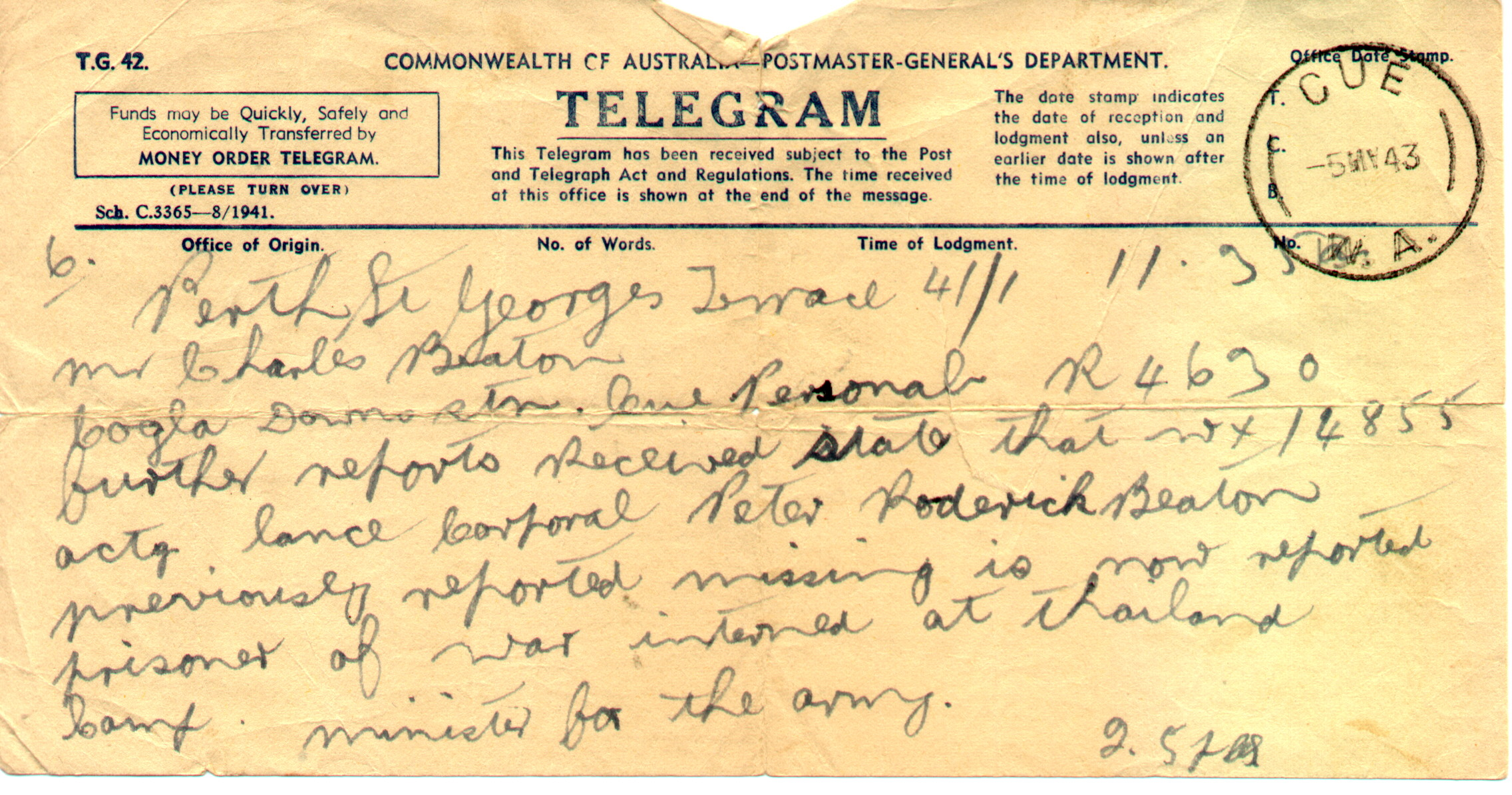
Peter 2 nd from left at Warrawagine Station (Pilbara Region) c 1930’s.
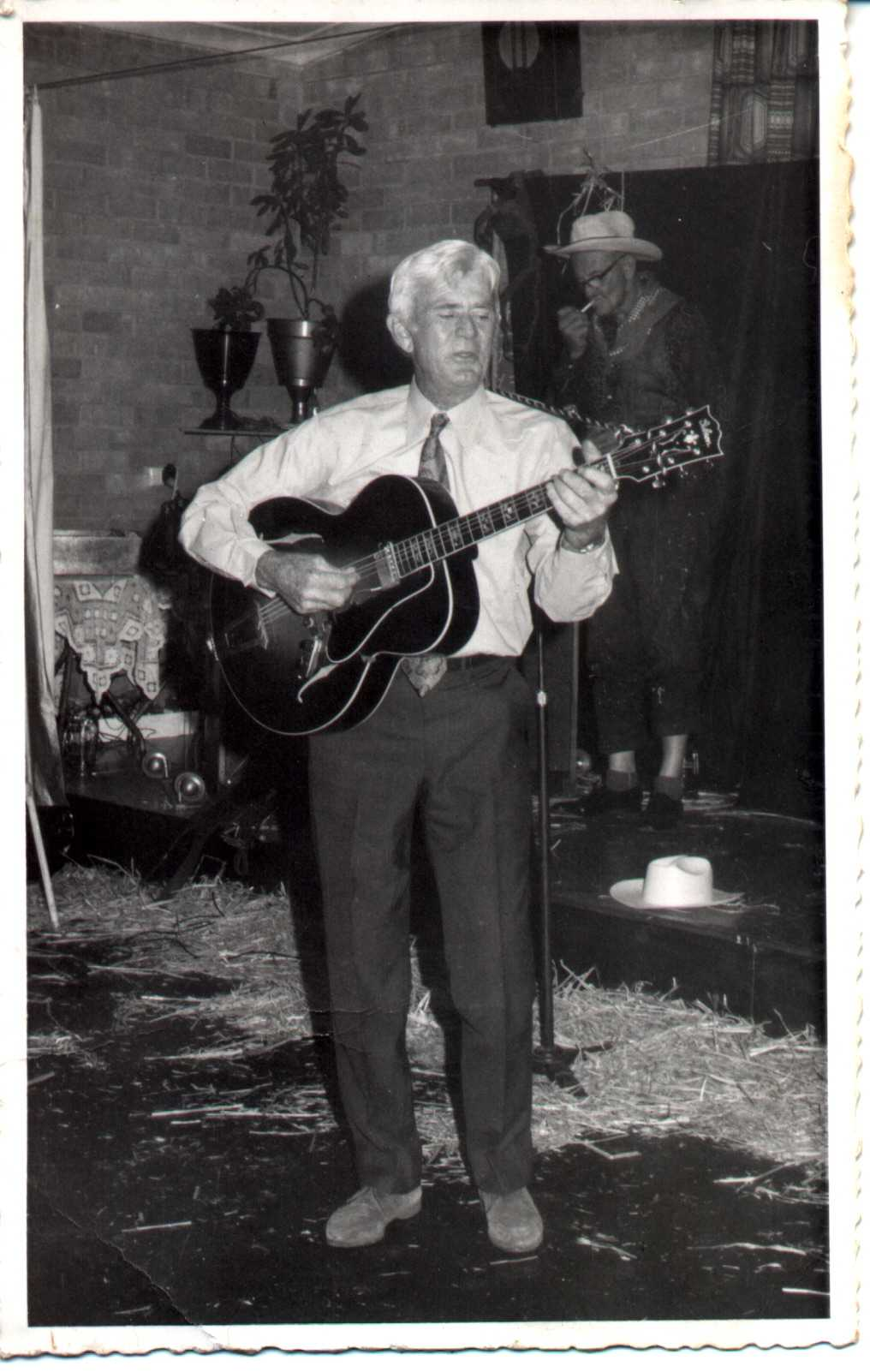
Army No. W.X. 14855
BEATON Peter Roderick
Unit Australian
Enlisted at Claremont
Date: 7 th July 1941
Age: 23 years 2 months
Date of Birth: 15 th April 1918
Occupation: Soldier (previously Labourer)
Next of Kin: Charles Beaton, Cogla Downs, Reedy.
Permanent Address: 16 Richardson St. West Perth.
Religion: Church of England.
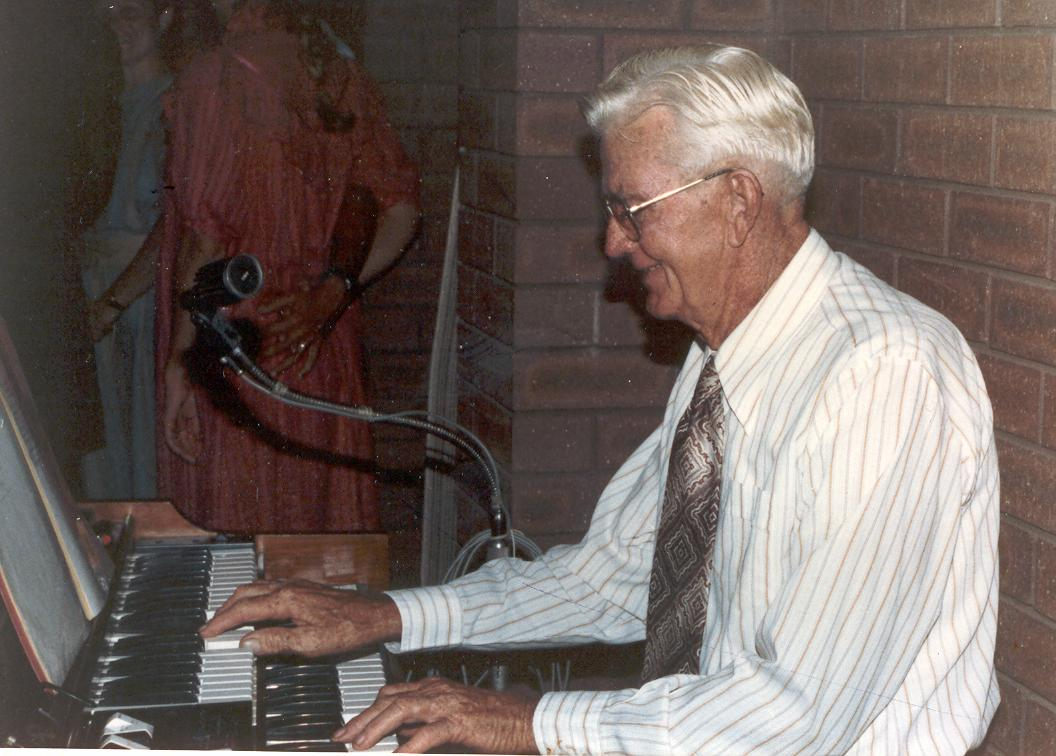
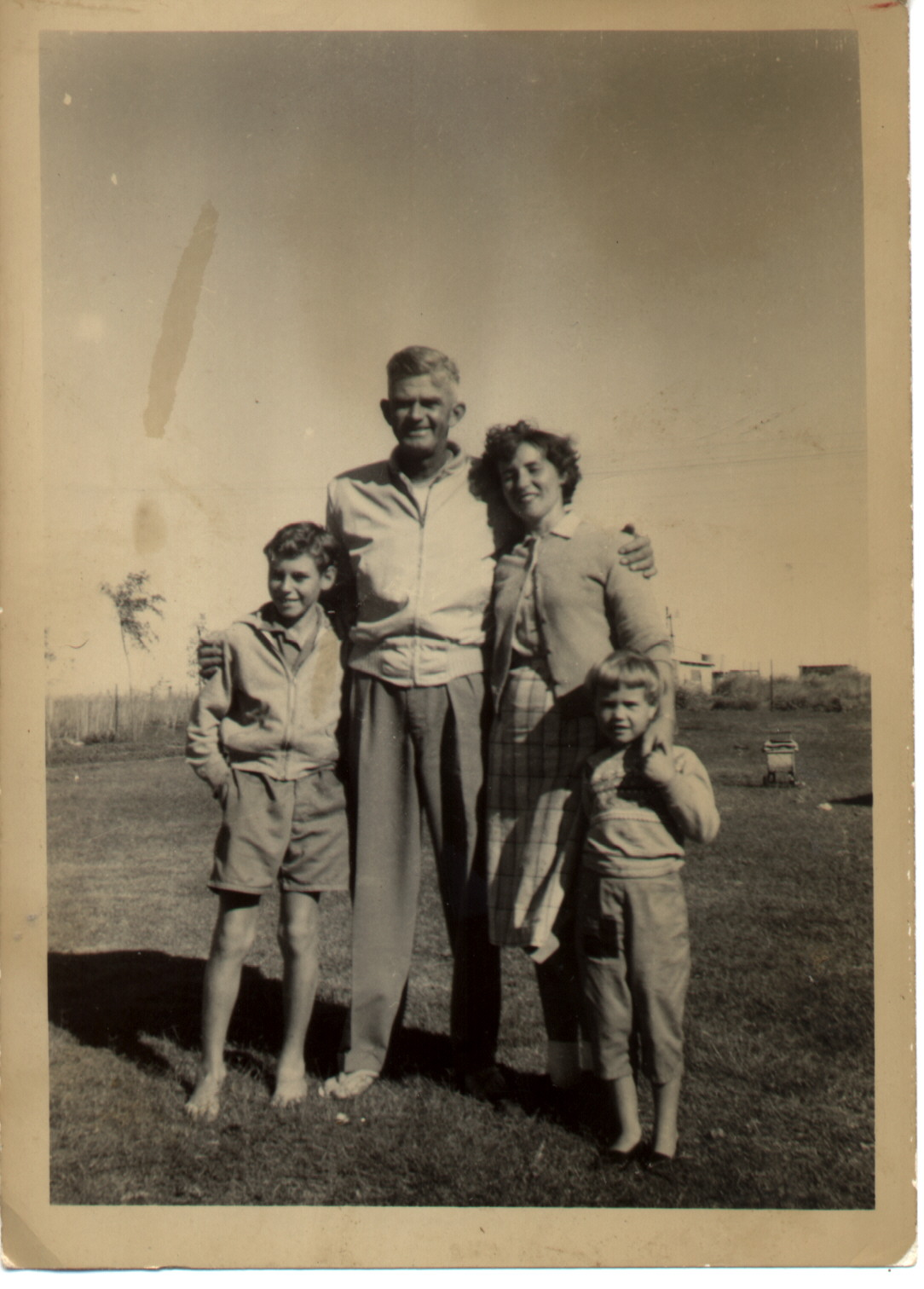
Peter Roderick born 15th April,1918.
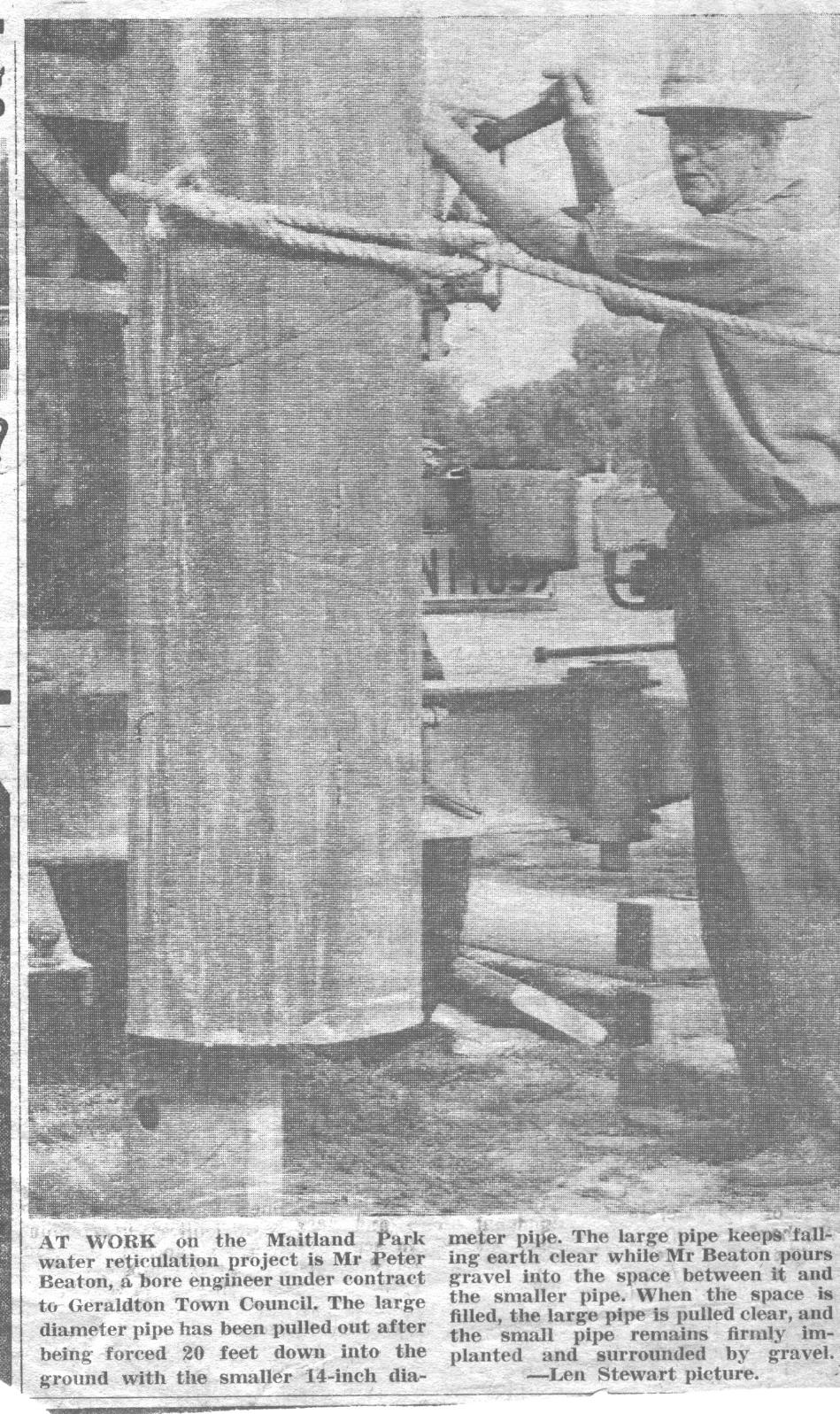
Married : Connie Rice in 1946.
Children: Lynette Peta .
Roderick.
Re-married : Marianne Elizabeth (Bet) Braddock in 1956.
Children: Geoffrey Leonard born 1949 and adopted by Peter.
Vicki born 1956.
Re-married : Valma Millicent Payne. In 1977.
Geoffrey Leonard
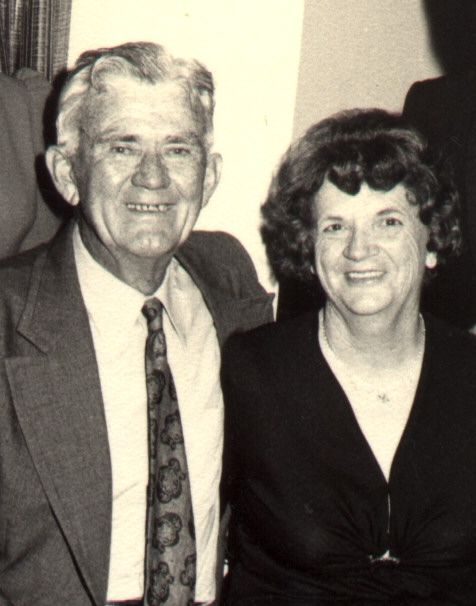
Married : Margaret Chalwell.
Children: Robert Geoffrey adopted.
Born : 1980.
Re-married Deborah MacDonald 1987.
Children: Danielle Candice born 1988.
Simon Geoffrey born 1991.
Re-married : Christine Hall 2002.
Vicki
Married: Larry Robert Baker 1976.
Children: Joel Robert born 1981.
Candice Renee born 1983.
Re-married: Bruce Knight in 1996.