NOURISH STREET TODAY
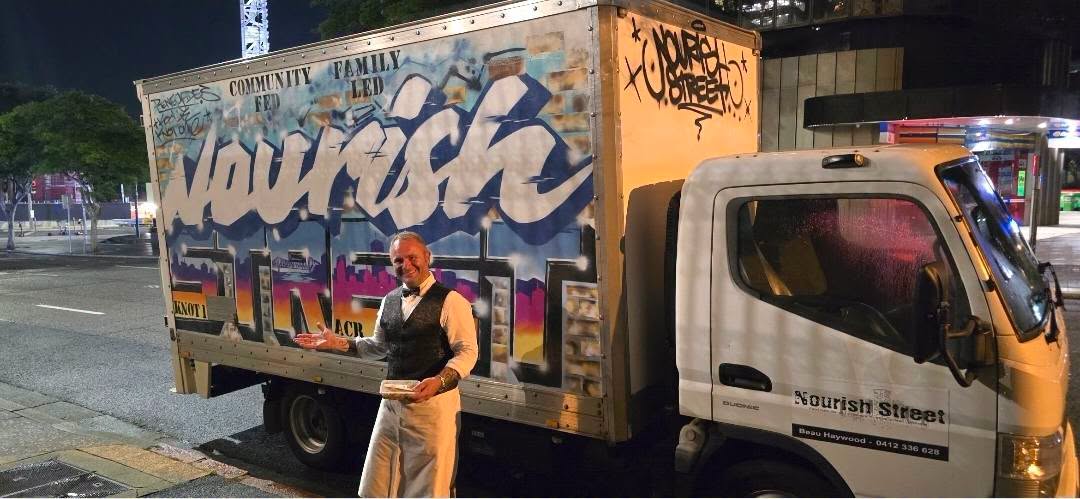
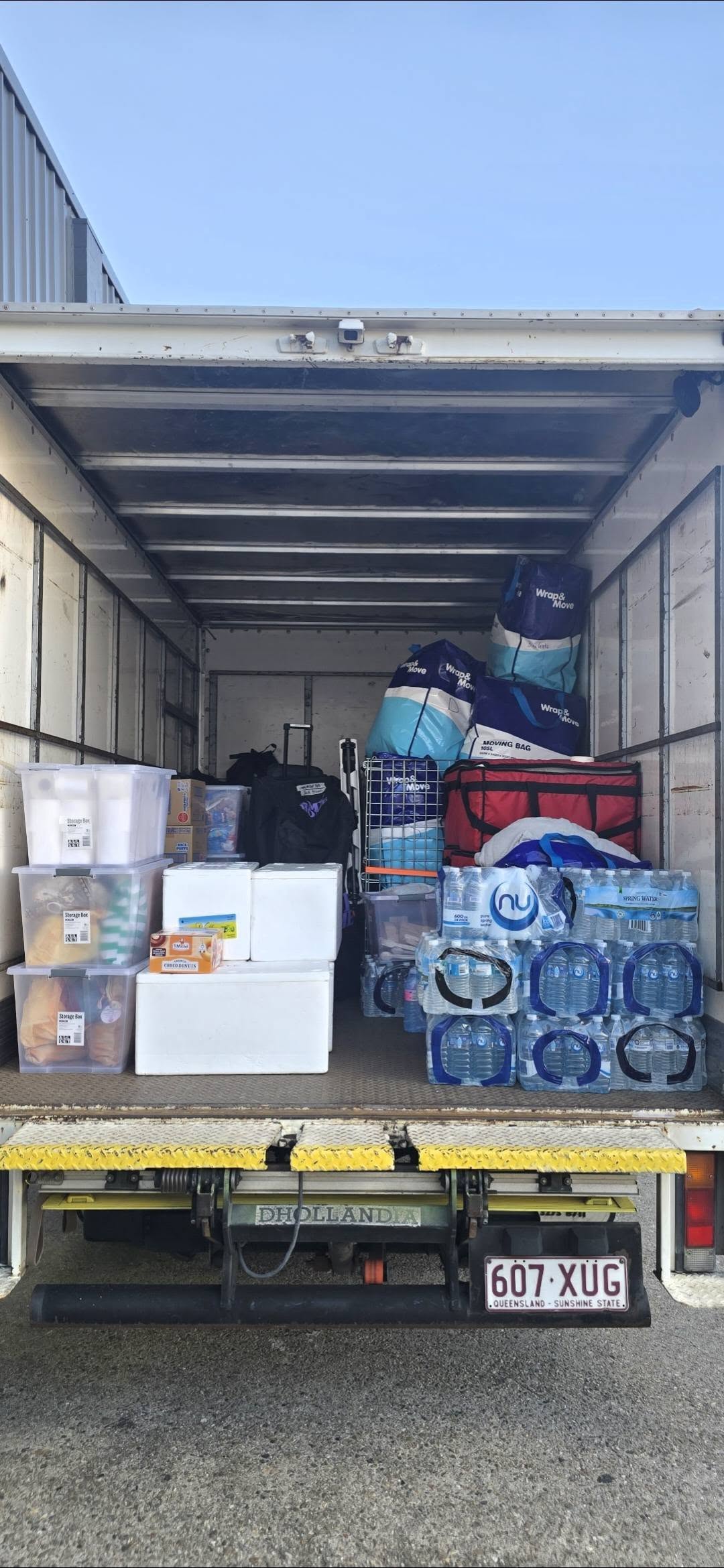
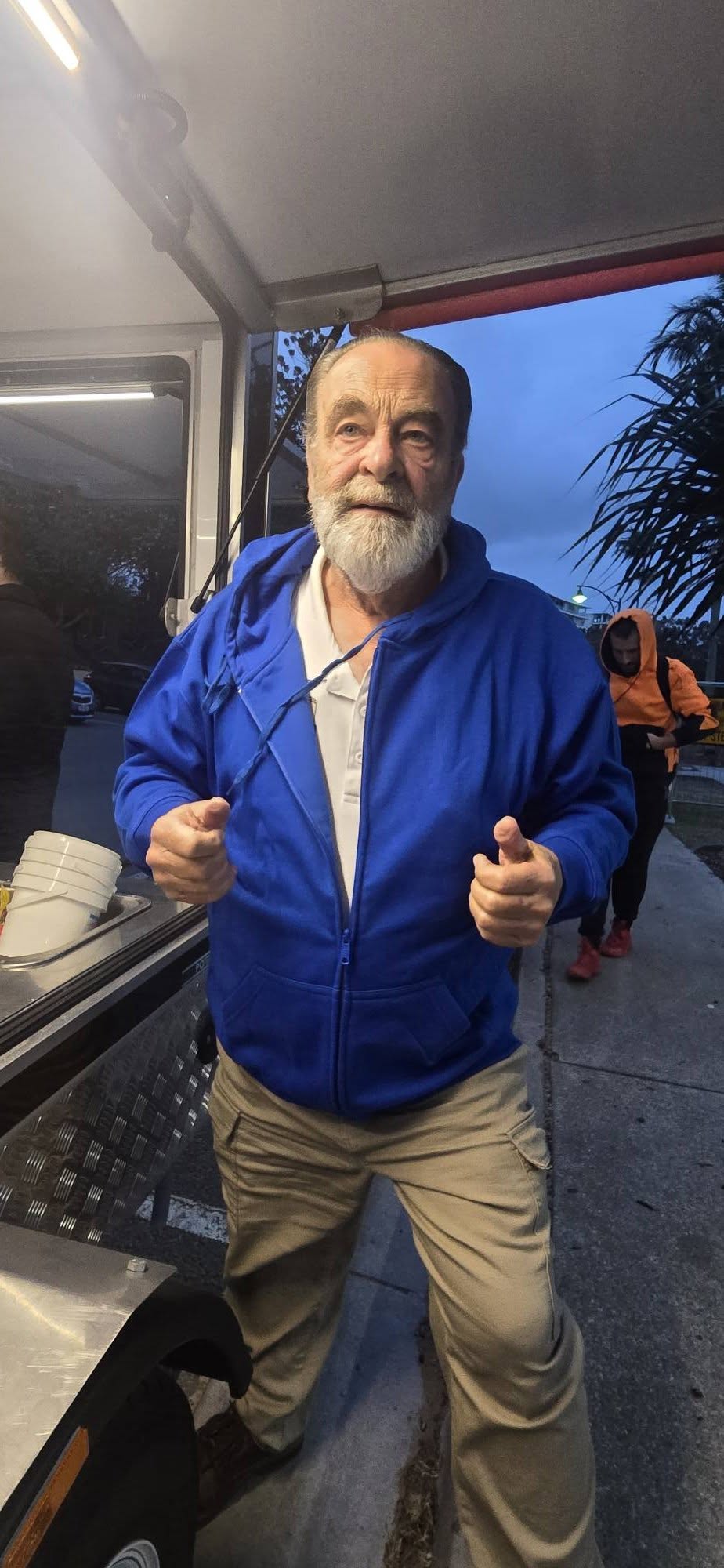
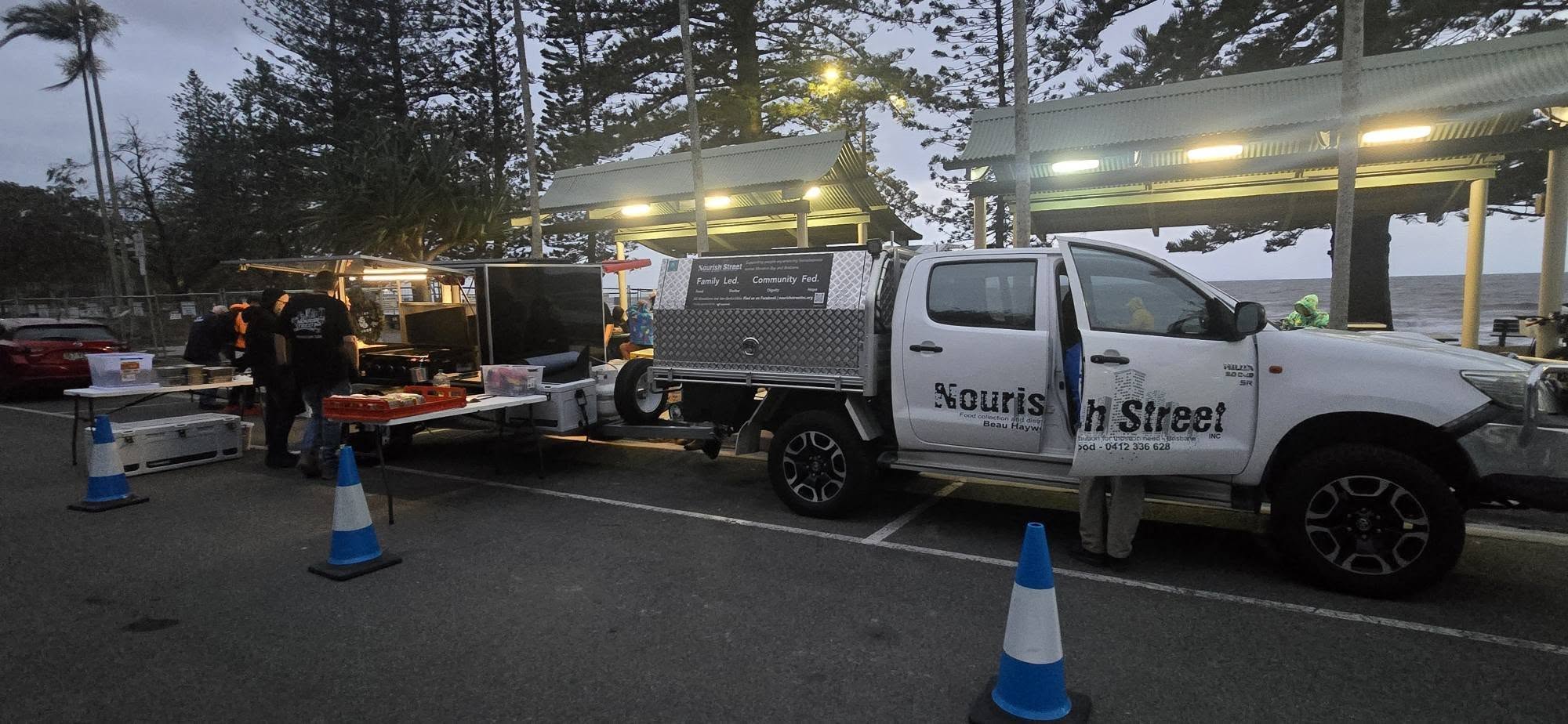
Nourish Street today is a long way from those first meals being cooked at home. What began with a few people trying to help has grown into an organisation supporting hundreds of people every week across Moreton Bay, Brisbane CBD and West End. We go to people wherever possible, taking meals, tents, bedding, hygiene products and medical support directly into the parks and streets where people are living.
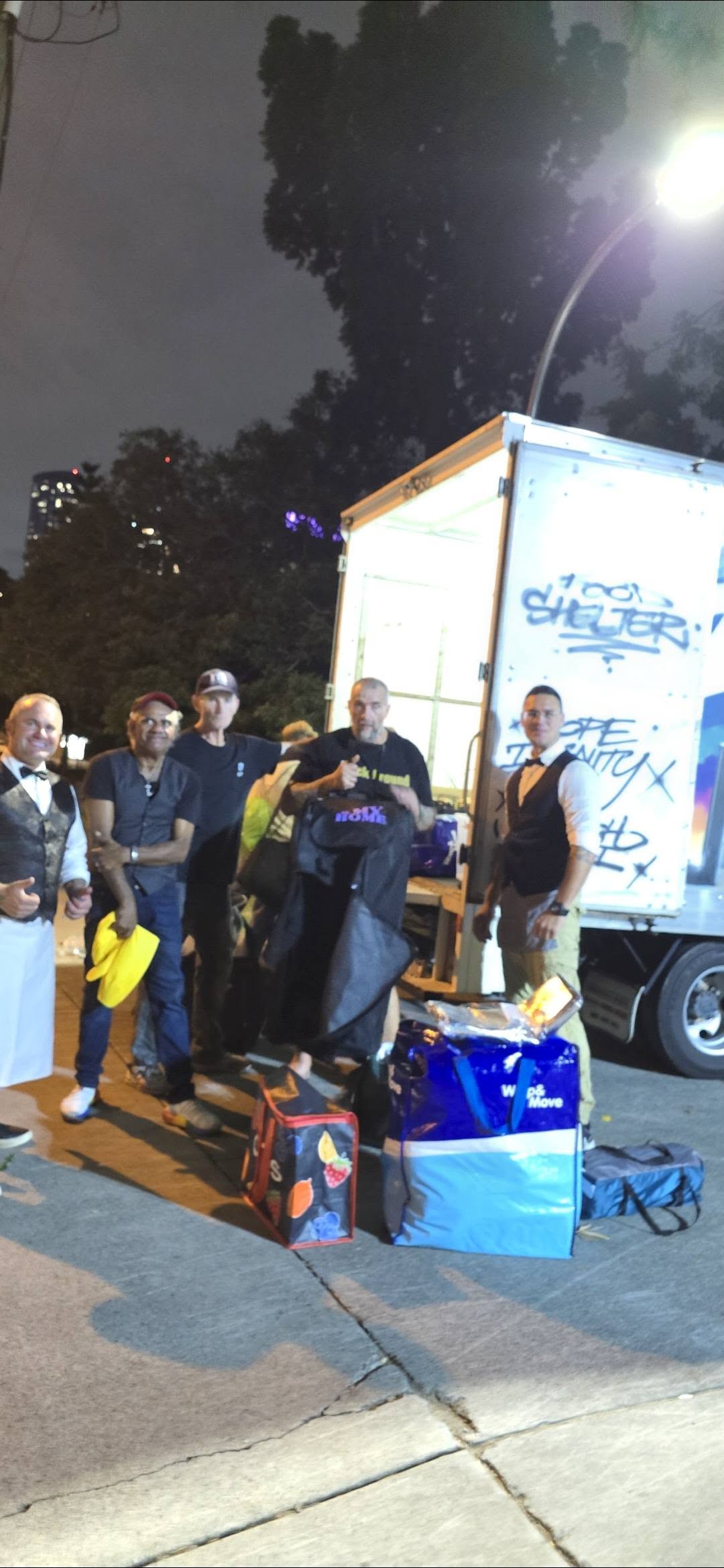
The increase in demand has been confronting. Nine months ago, we were supporting around 70 people across our Moreton Bay outreach and roughly the same number in Brisbane. Today, around 205 people access our Moreton Bay outreach twice a week, while another 230 to 260 people are supported across Brisbane CBD and West End every Friday night.
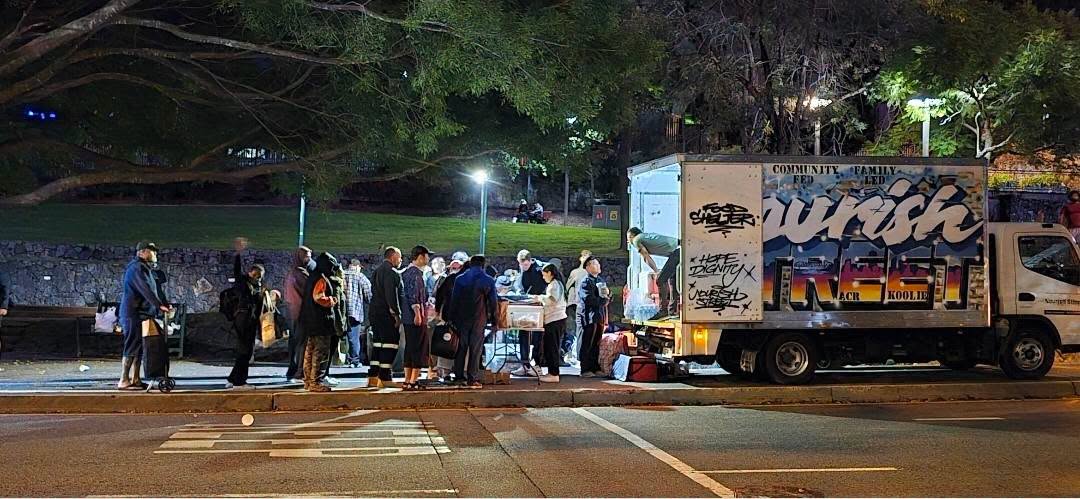
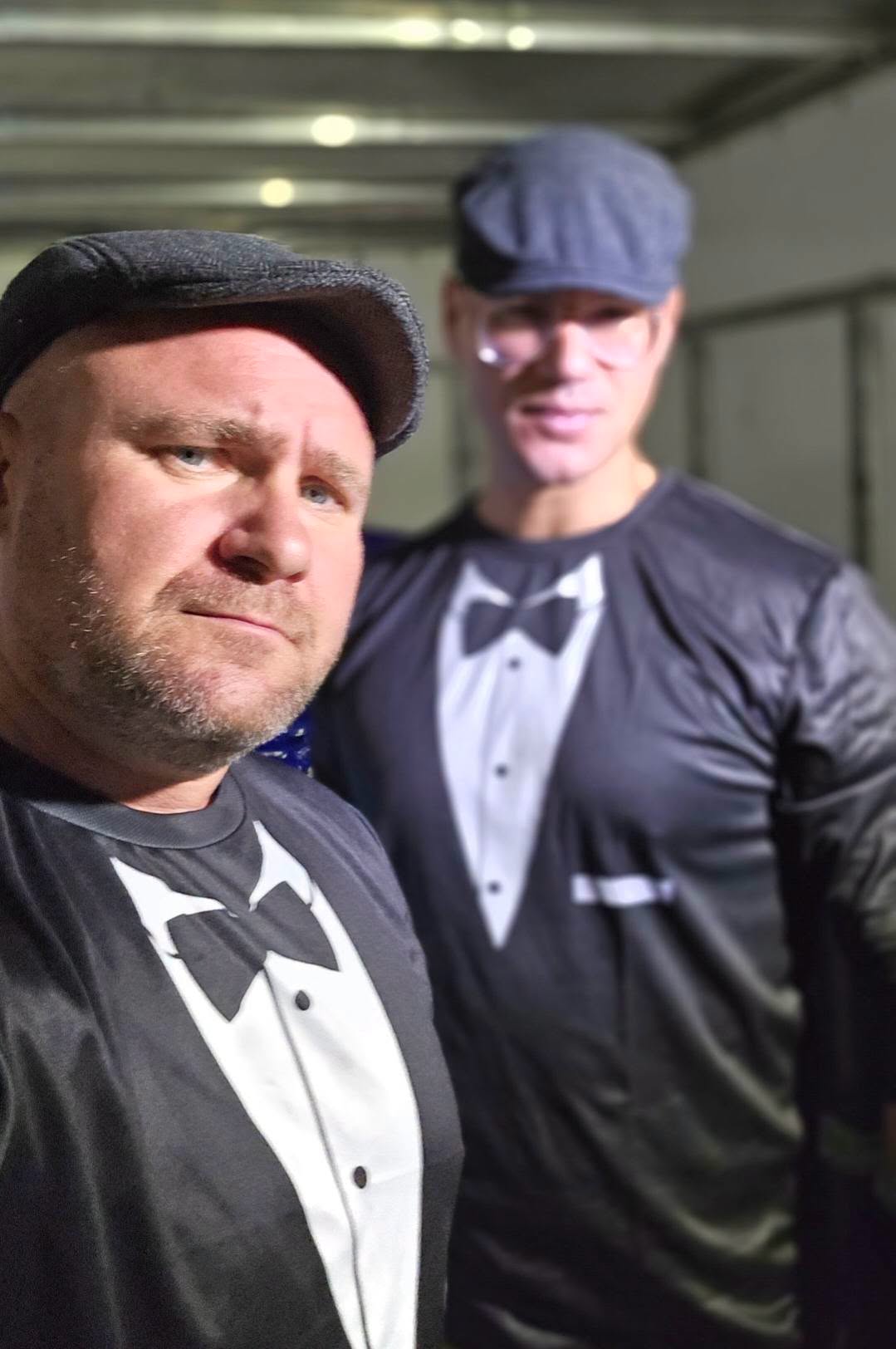
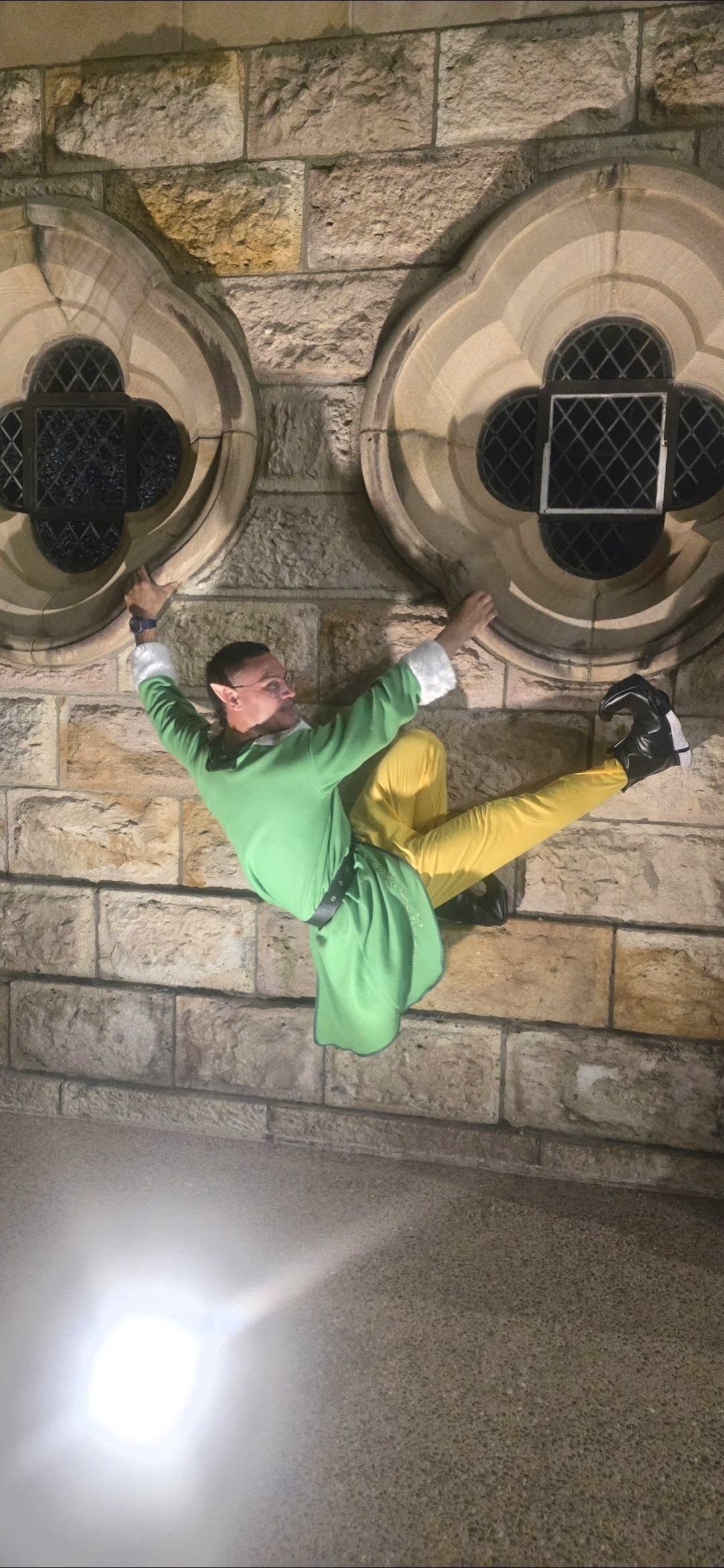
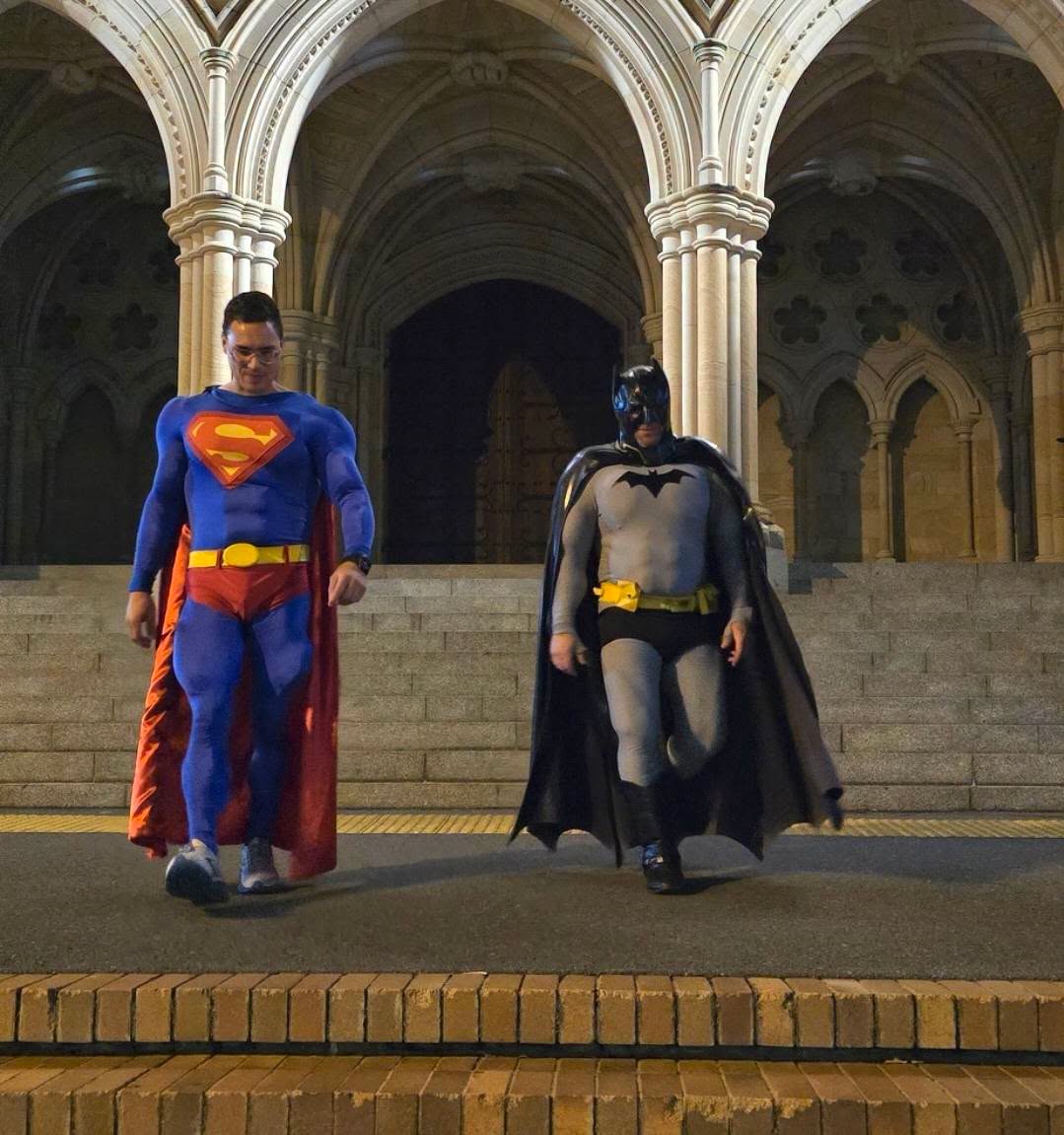
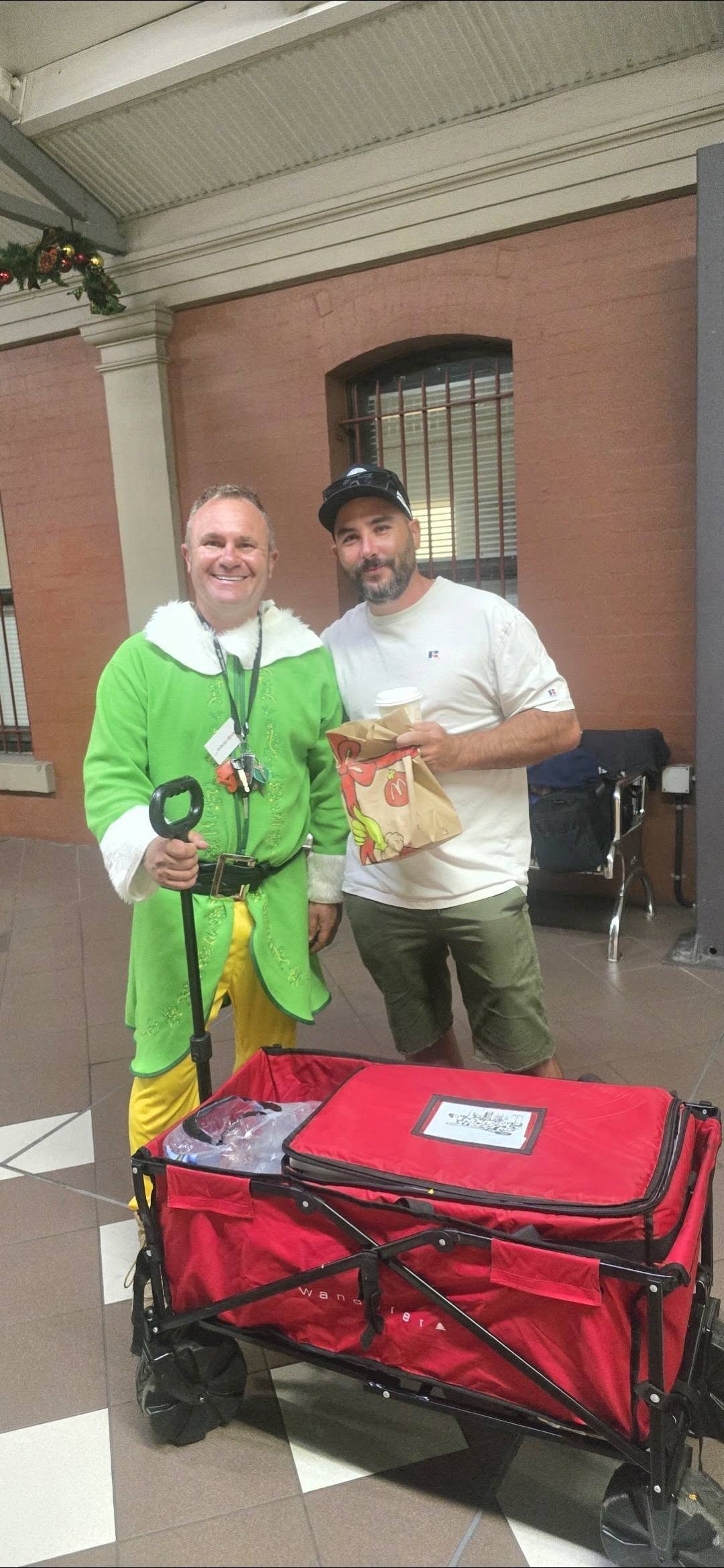
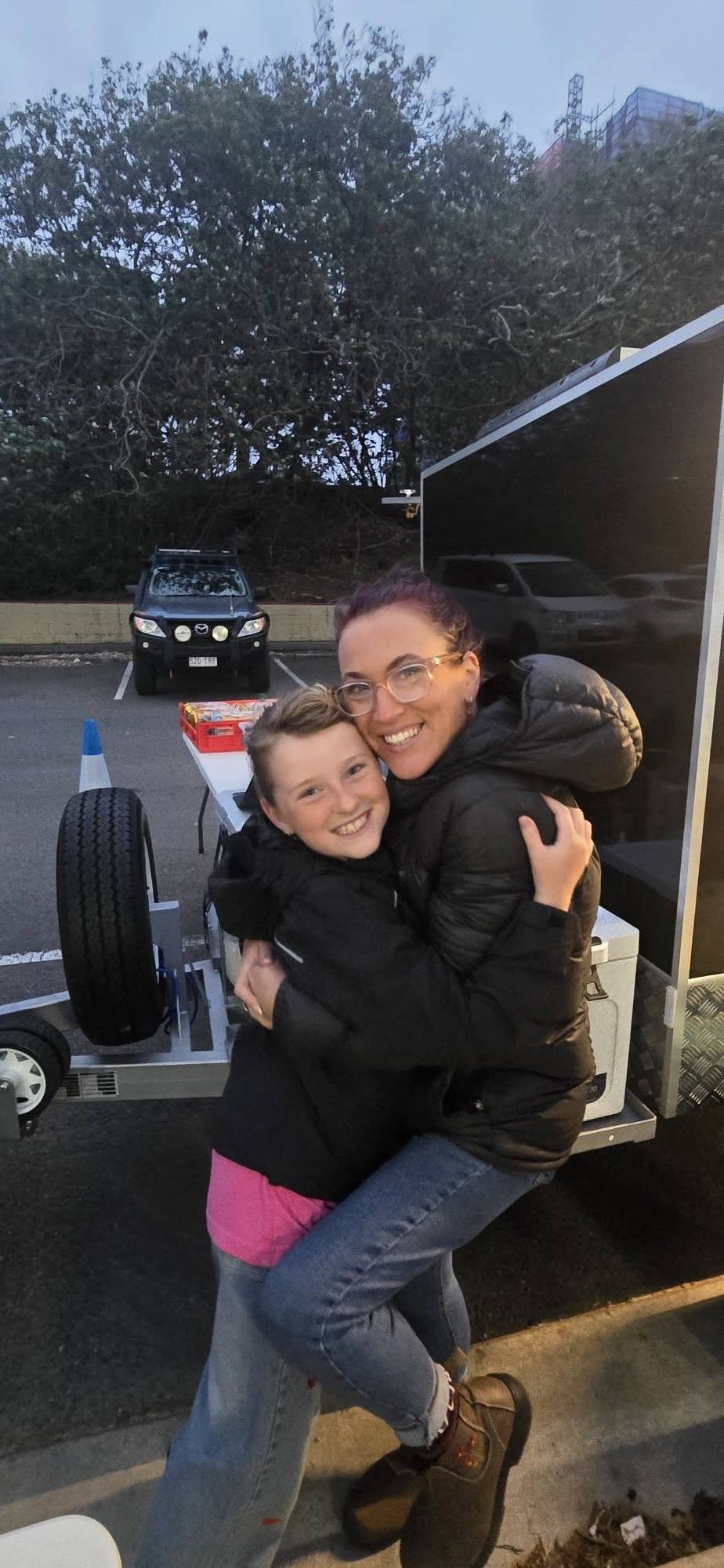
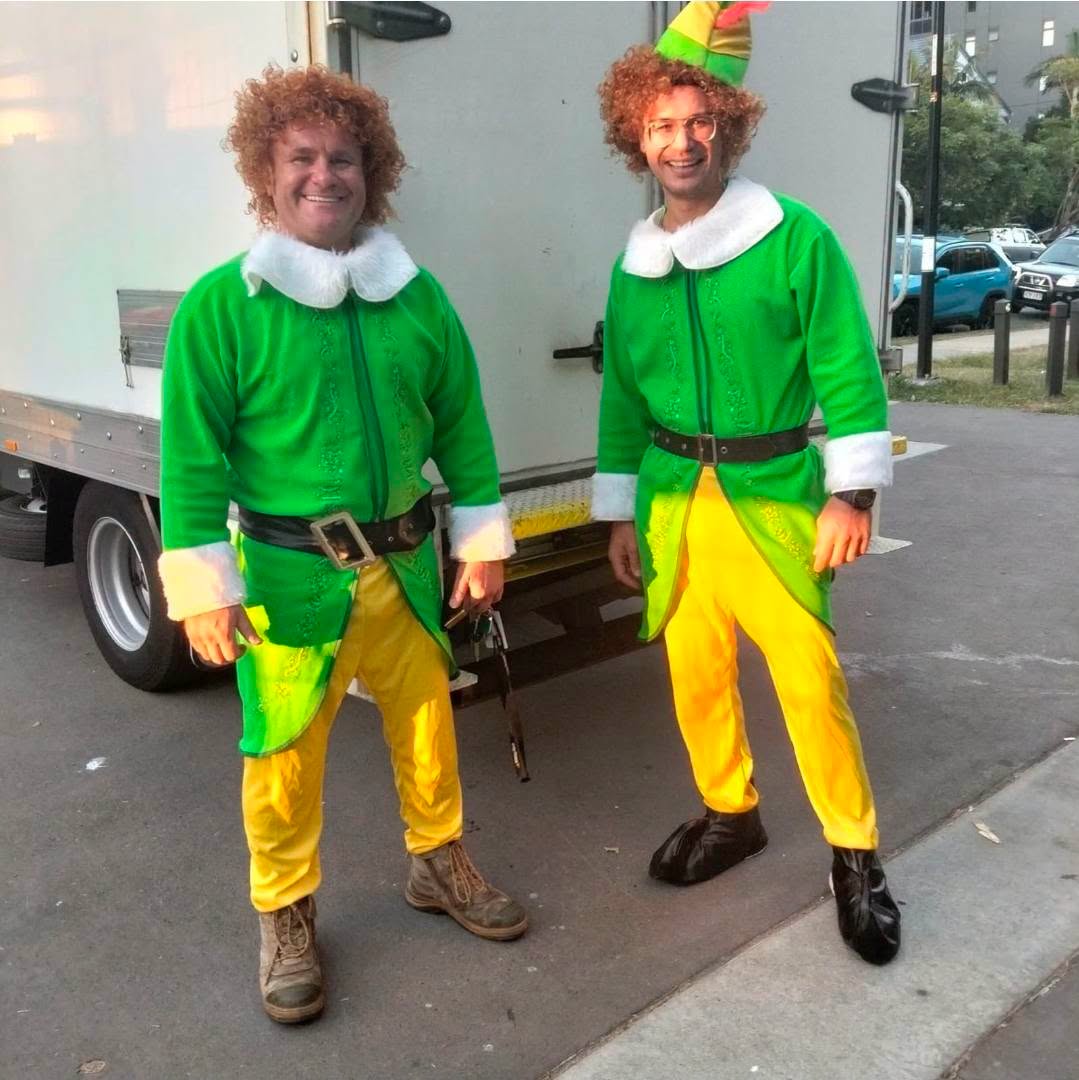
I often do those Friday night runs alongside my younger brother Ezra. Once a month, Ezra and I also turn up in fancy dress. Outreach does not always have to be serious. Sometimes our friends sleeping rough need a laugh, some fun and a moment where homelessness is not the only thing defining their night. If two grown men making fools of themselves in ridiculous costumes can put a smile on someone's face, we are more than happy to do it.
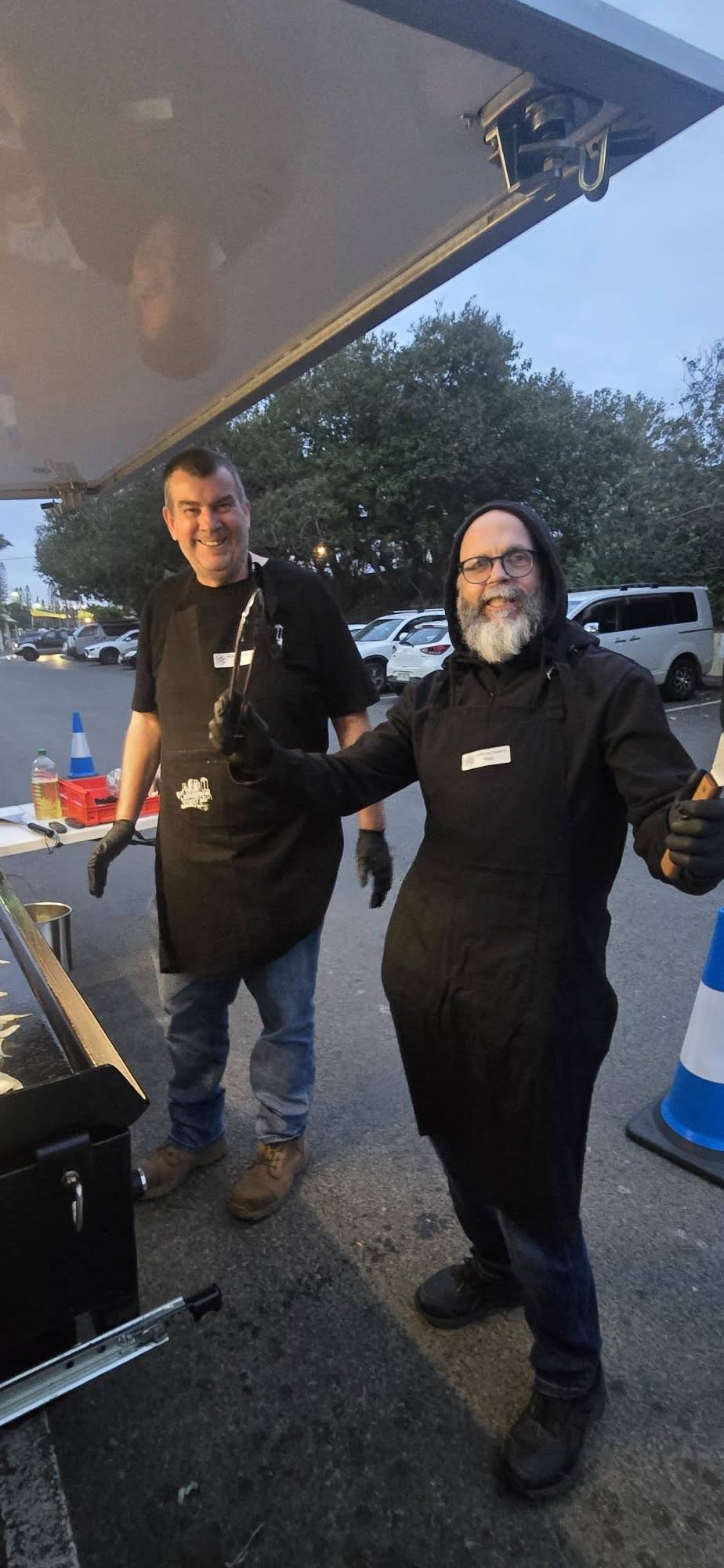
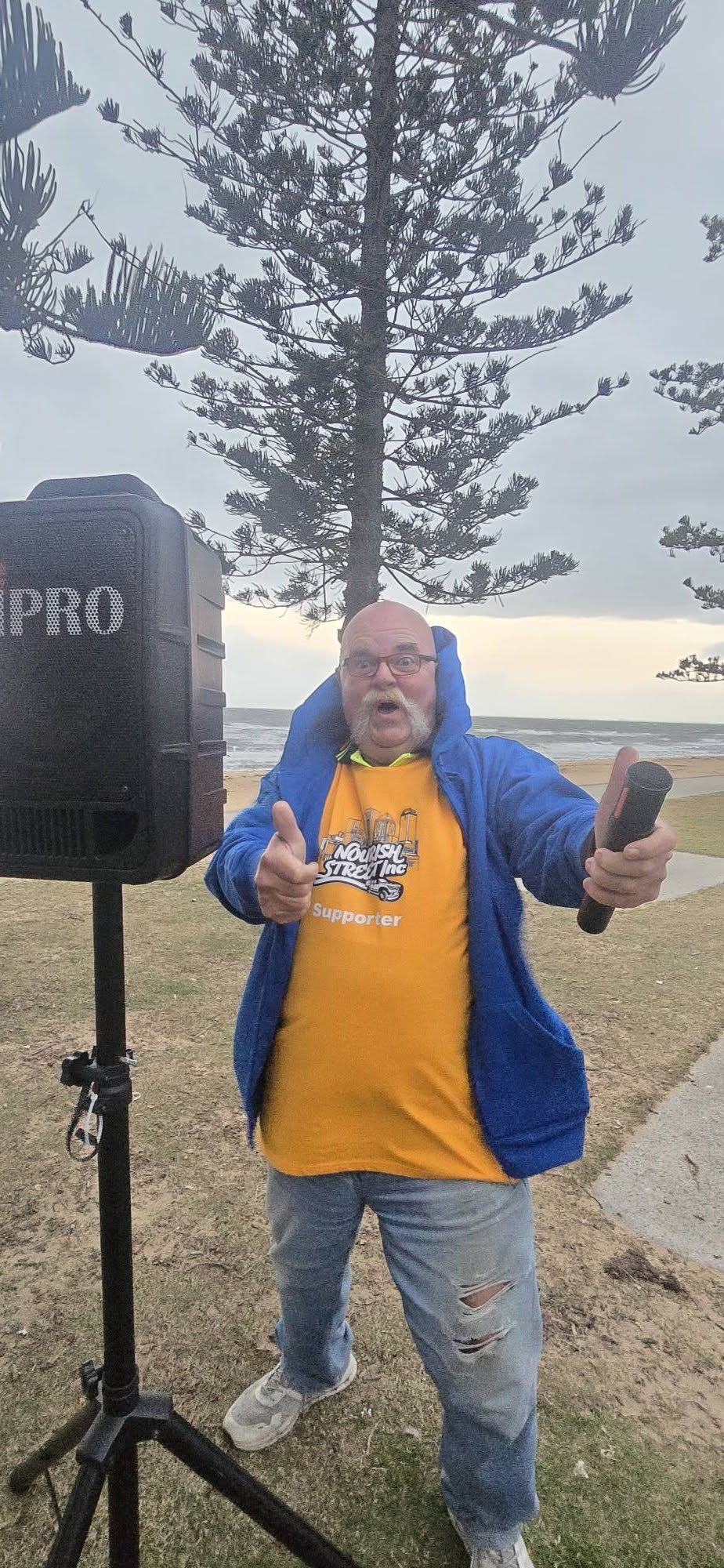
Our free Thursday night community BBQ at Suttons Beach can also bring together 100 to 160 people. It has become a place for a meal, conversation and company, where people from very different circumstances can sit together without judgement.
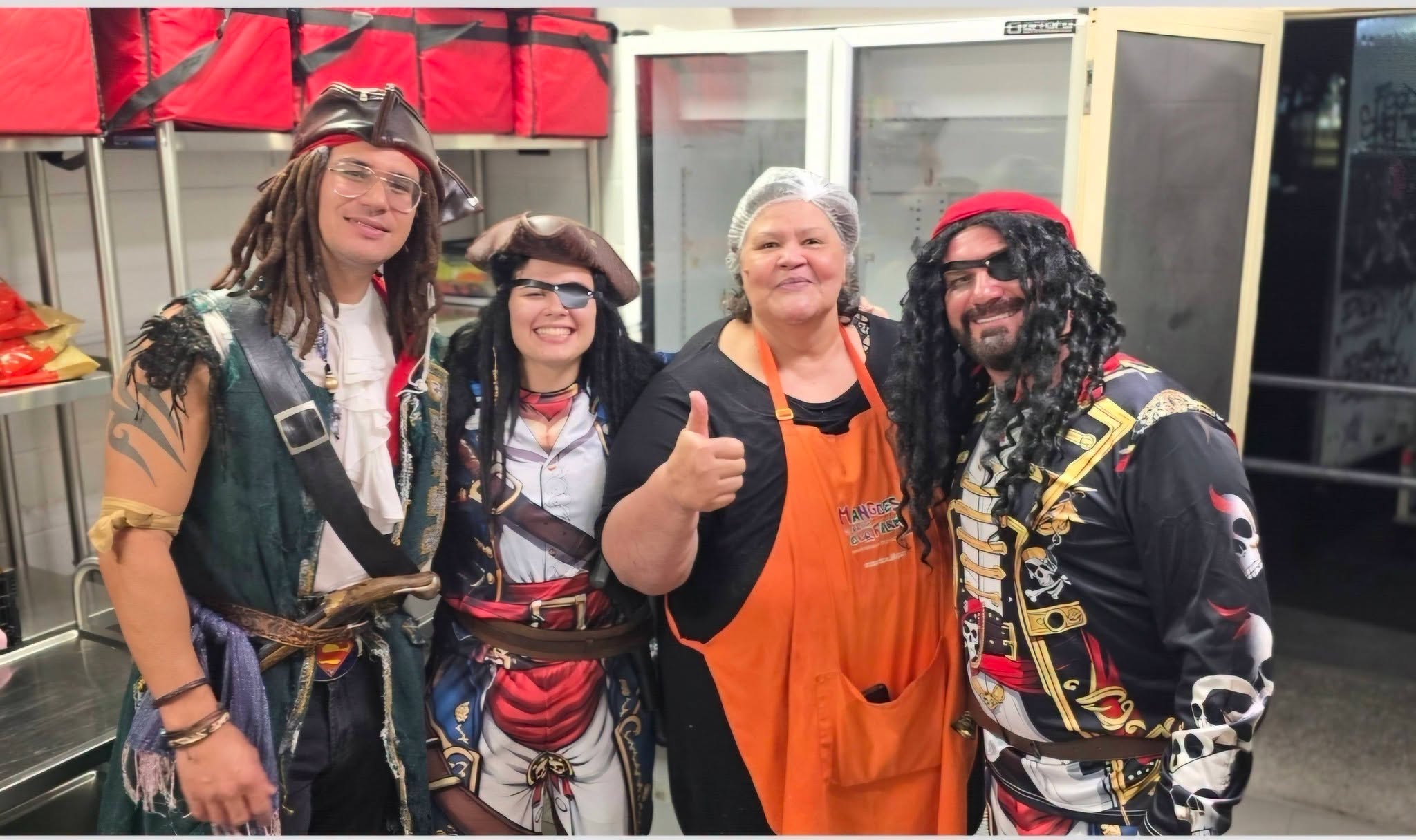
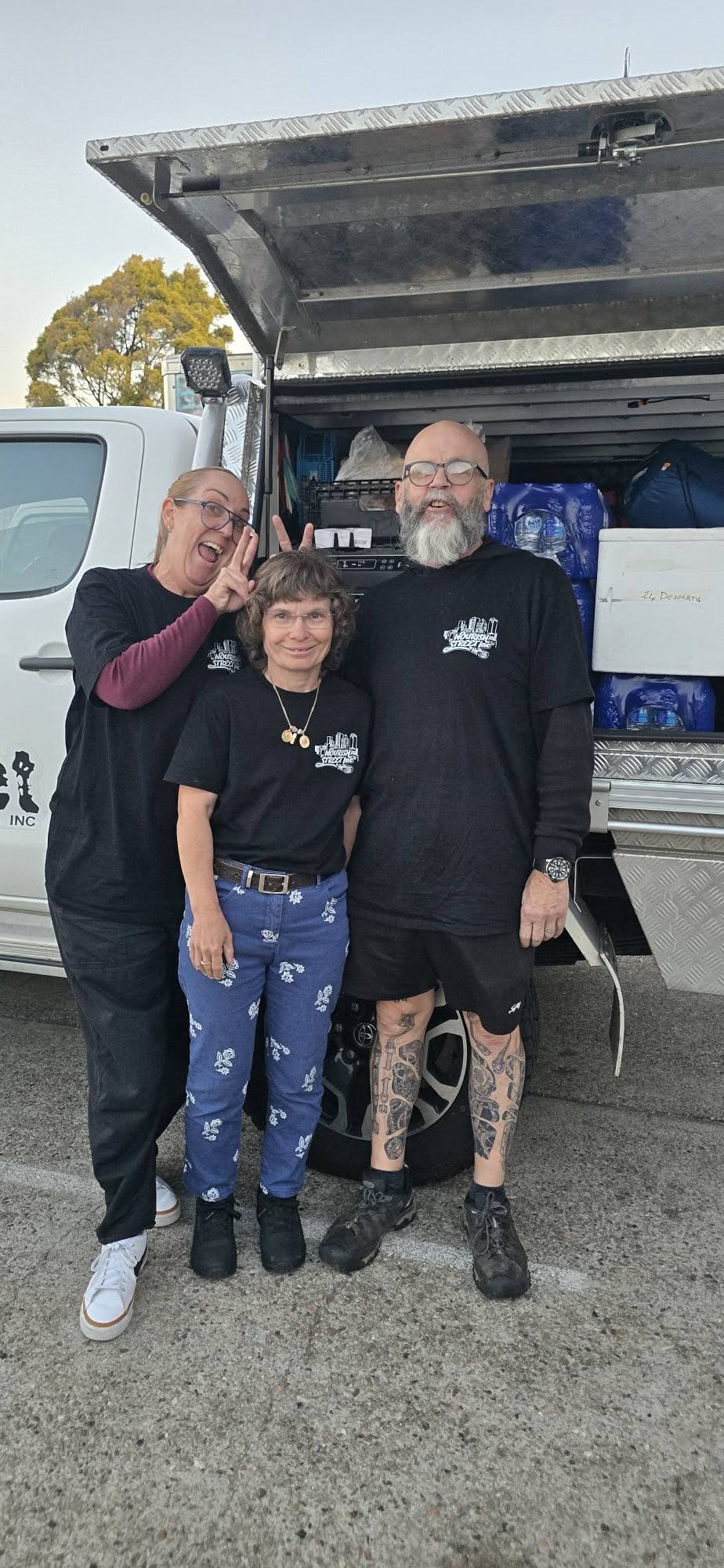
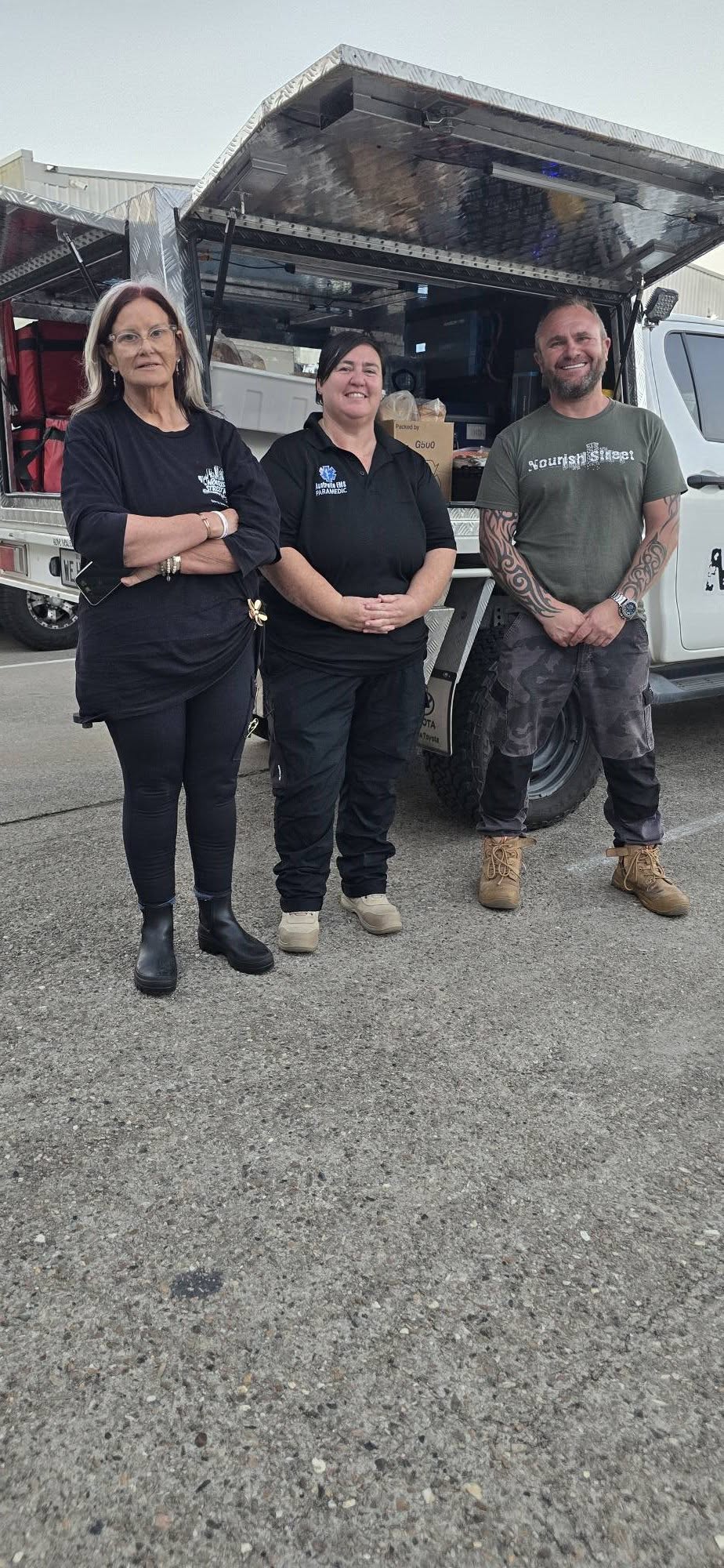
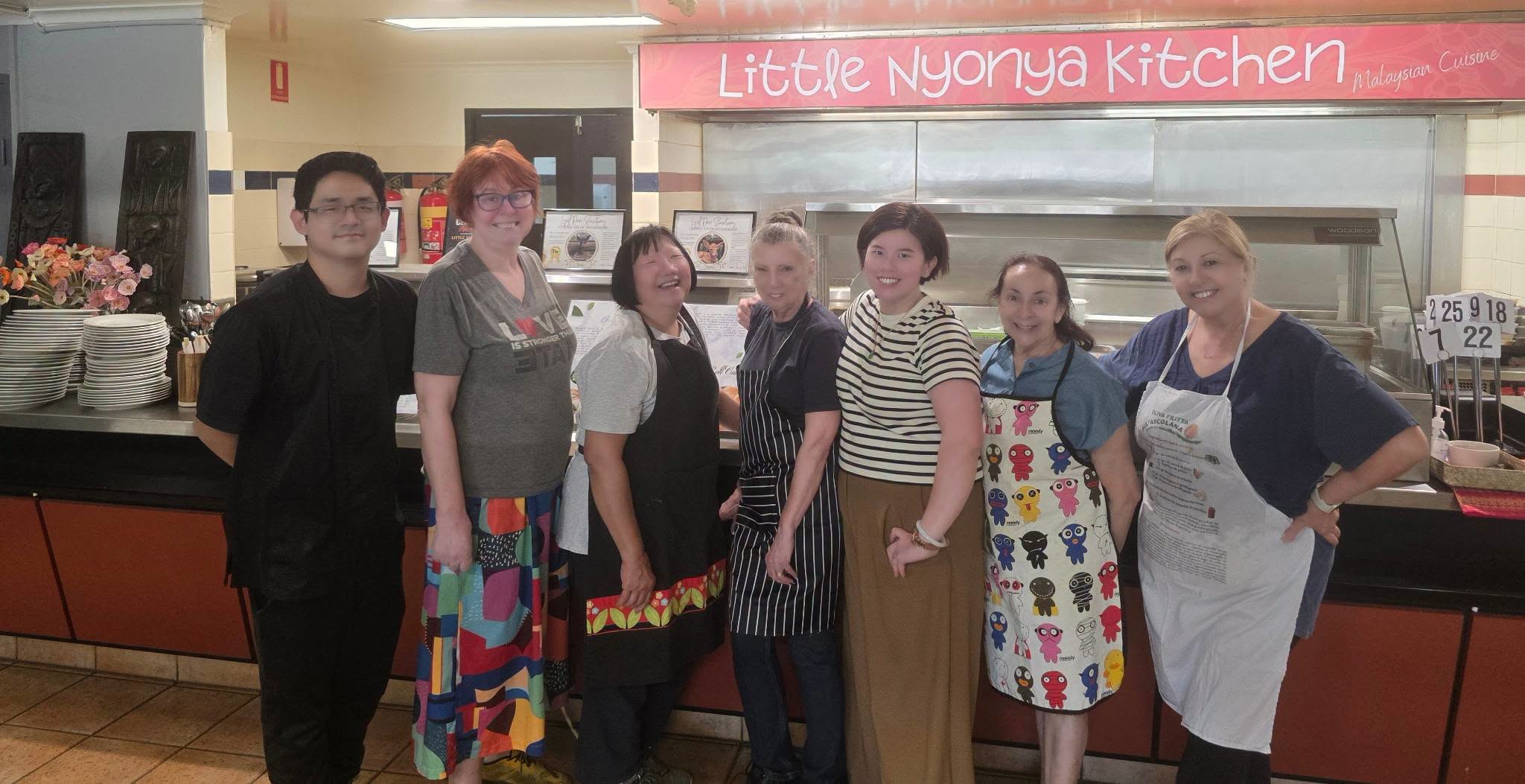
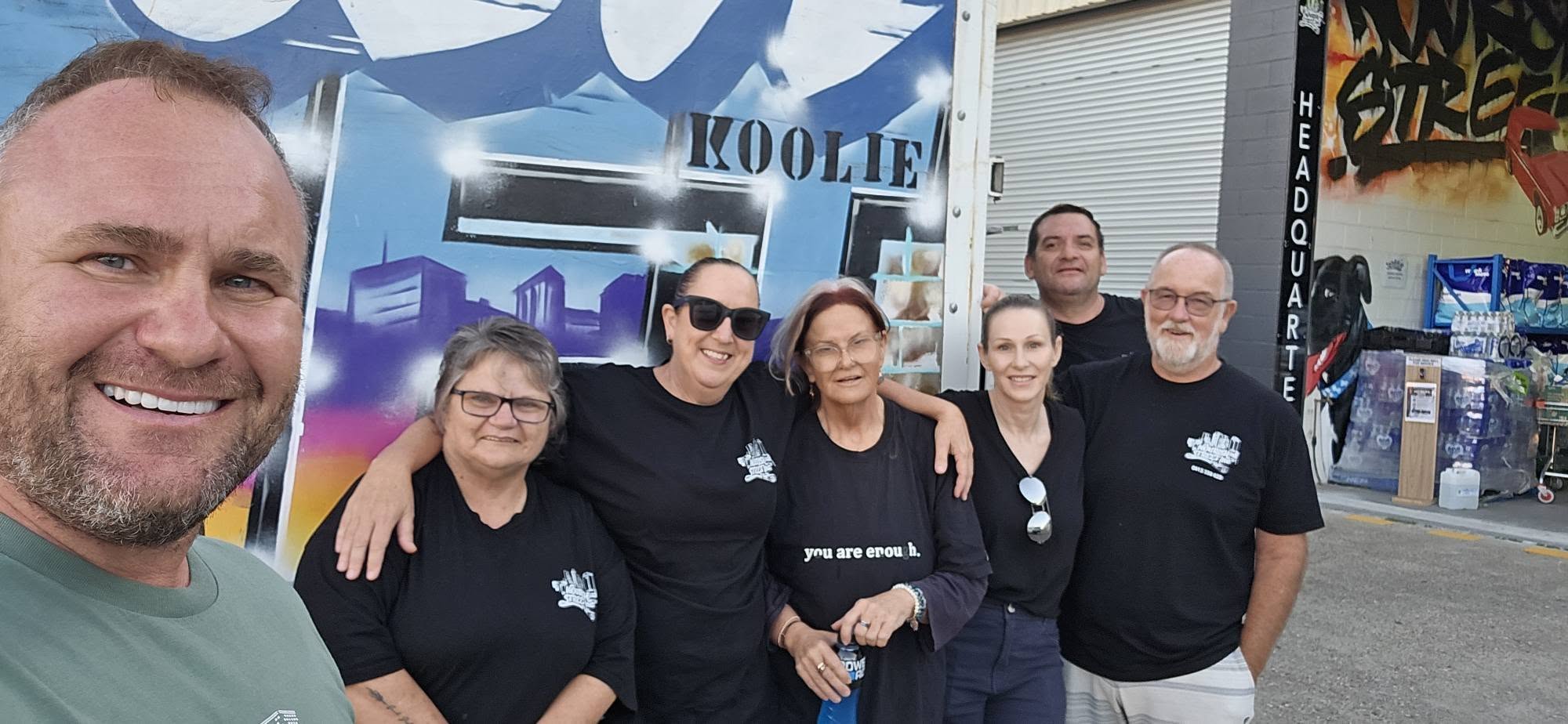
Behind everything Nourish Street does are around 70 active volunteers who have become the heartbeat of the organisation. They give their time and skills because they want to give something back to their community. Some help at headquarters, packing, sorting and preparing everything needed for the week ahead. Others run the op shop, head out on outreach, volunteer at our free weekly community BBQ or sell meat tray raffle tickets to help raise the money that keeps us going.
Every role matters. Not everyone wants to be out on the streets at night, and they do not have to be. There are countless jobs behind the scenes that most people will never see, but without those people doing them, our outreach vehicles would not leave headquarters loaded and ready to go. Nourish Street could never be the organisation it is today without our volunteers. They are ordinary people giving something incredibly valuable to somebody else: their time.
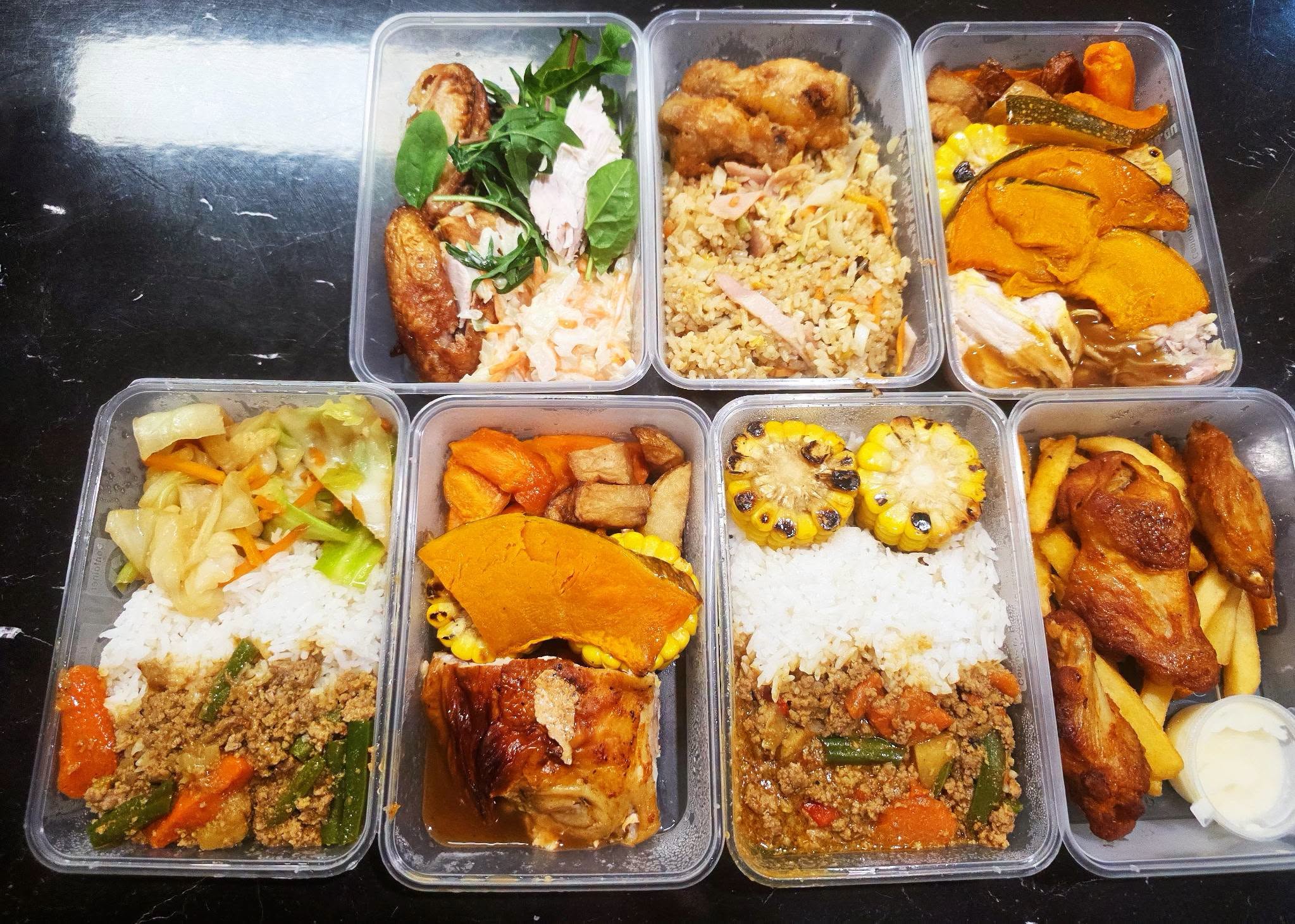
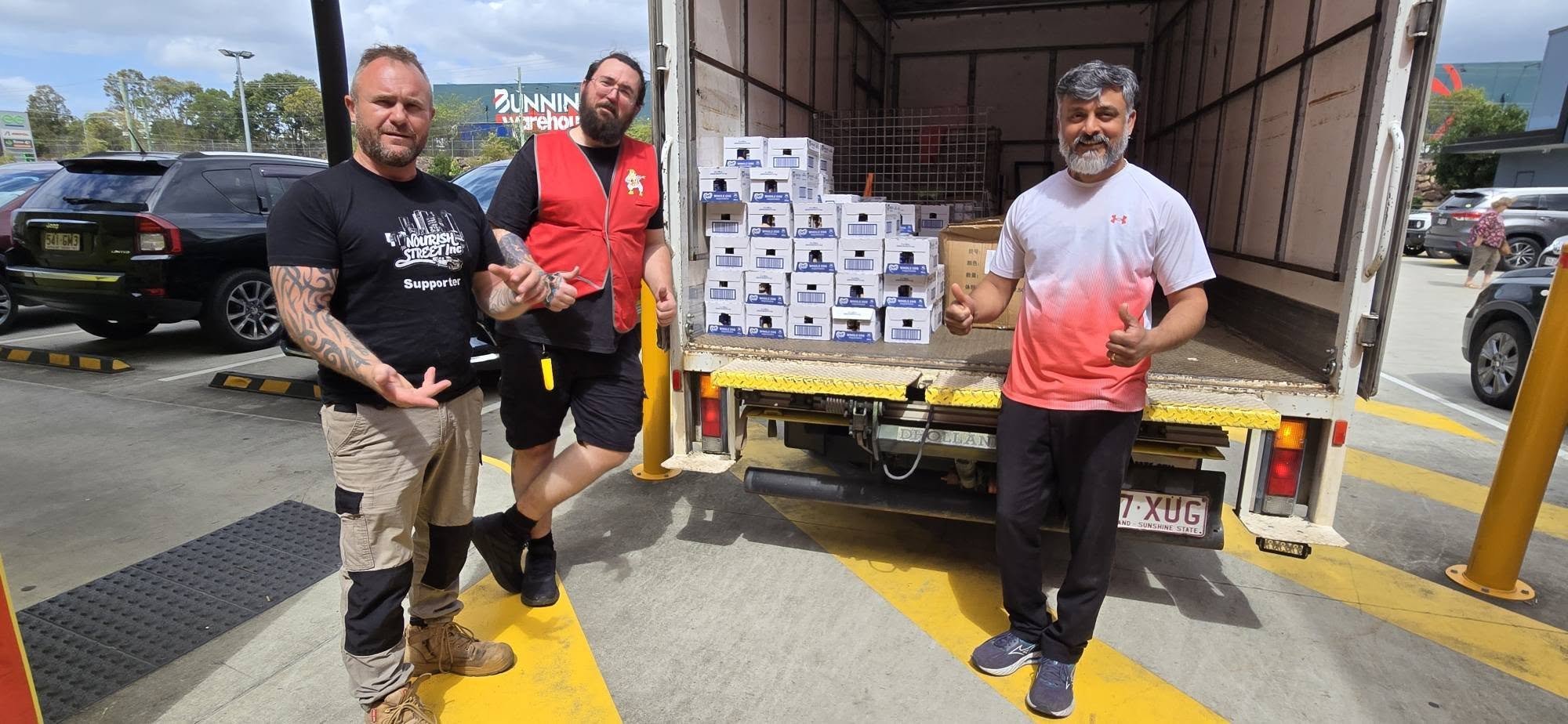
Behind those volunteers is an incredible food operation. Perfectly good food donated and rescued through Costco and SecondBite finds its way to Compassion 4 Community and other businesses and licensed kitchens, where people give their time to turn it into nutritious meals. By the time a meal reaches somebody sitting beside their tent or waiting for us on outreach, many hands may have helped get it there. Food that could have gone to waste instead becomes thousands of meals, prepared with care and handed to people with dignity.
We also work alongside countless other charities and like minded organisations. When we receive surplus food, household goods or other donated items that we cannot use ourselves, we make sure they do not stop with us. They are passed on to organisations that can get them into the hands of people in other communities who need them. I love that part of what we have built. Our impact is not limited to the people we personally meet on outreach. Something donated to Nourish Street may travel much further than we ever see, helping someone we may never meet in a community we may never visit.
Providing shelter has also become one of our largest expenses. In one year alone, Nourish Street has spent around $80,000 on tents. For many people we support, that tent becomes their home, somewhere to sleep, protect their belongings and have some privacy from the world around them. Camping stores help by discounting tents, sleeping bags and other equipment, allowing our money to reach further.
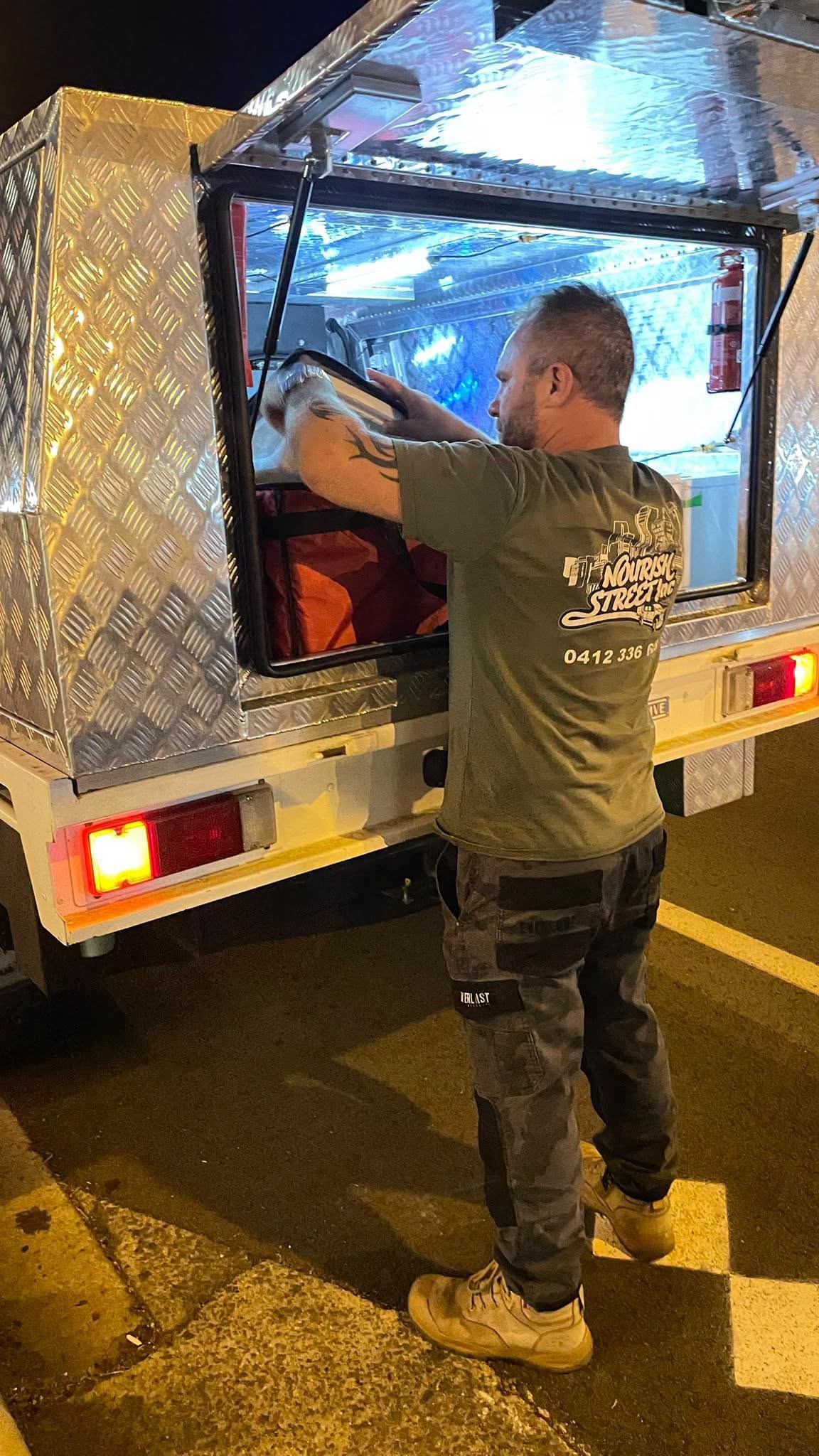
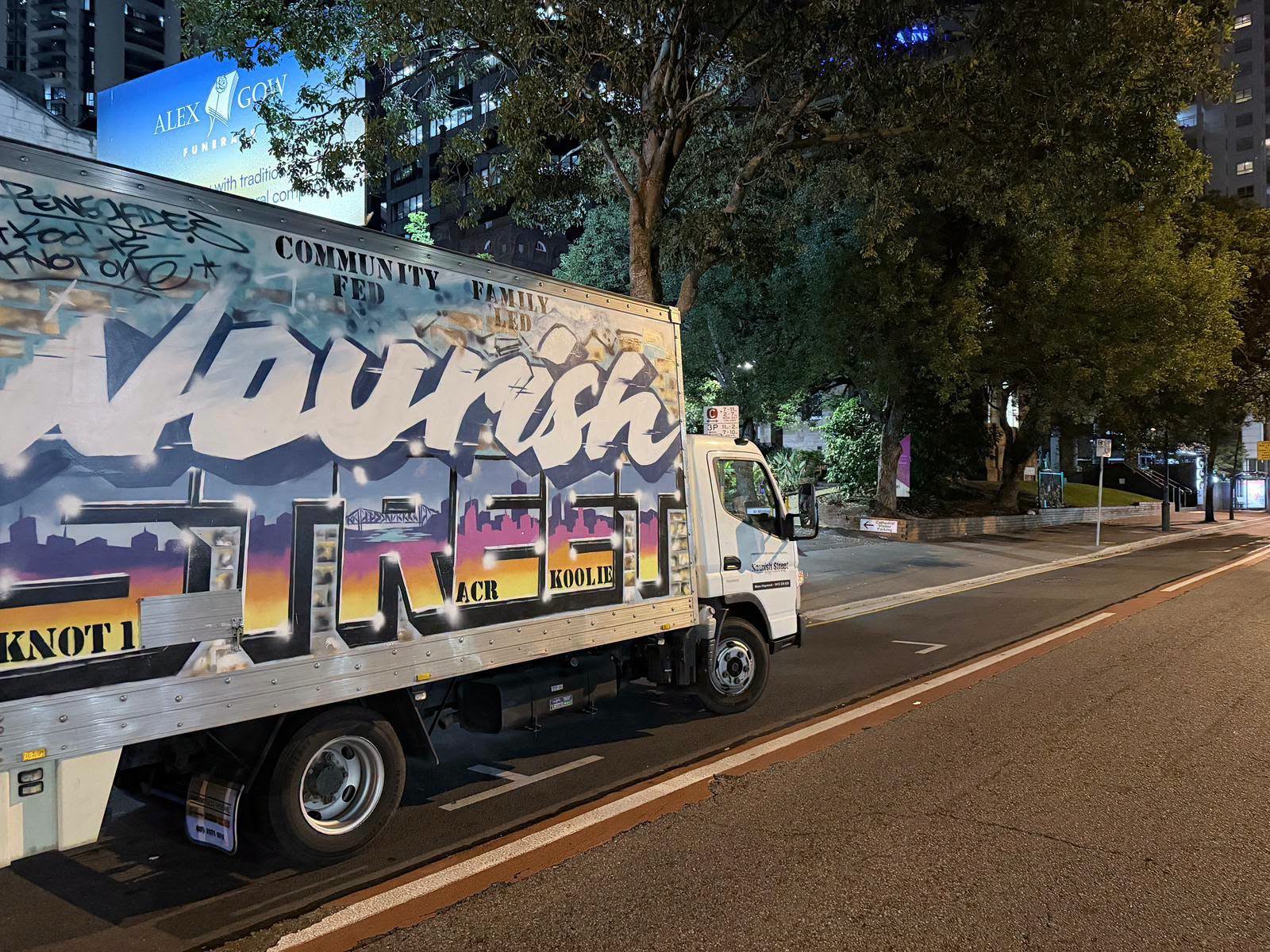
The wider community has stepped up in ways I have never witnessed before. LJ Hooker Property Connections helps with fuel to keep our outreach vehicles moving. Even the vehicles themselves tell that story. Three of our four current service vehicles have been made possible through the Gambling Community Benefit Fund, a generous donation from a deceased estate and the support of Jade Finance. Those vehicles are now out on the road carrying food, tents, bedding and medical support every week.
Schools, groups and individuals collect non perishable food. Businesses, corporations and ordinary people donate funds that allow us to meet growing demand and expand what Nourish Street can achieve. Medical professionals take their skills directly onto the streets. To me, it is the good old spirit of Aussie mateship in action. People who may never meet each other are working towards the same purpose because they believe somebody doing it tough deserves a hand.
One of the biggest changes to our outreach has been the involvement of nurse practitioners. They can assess and diagnose many conditions, prescribe medications within their scope, treat wounds and infections, manage certain health conditions, arrange referrals and identify when someone requires urgent or specialist care. We have seen people treated under streetlights who may otherwise have continued living with an untreated medical problem.
That work has inspired our next major project, a dedicated health outreach mobile clinic. Our goal is to take professional health care directly to people experiencing homelessness and others facing barriers to traditional medical services. It is an ambitious project involving clinical governance, insurance, equipment, regulatory requirements, funding and qualified professionals, but I believe it could become one of the most important things we do.
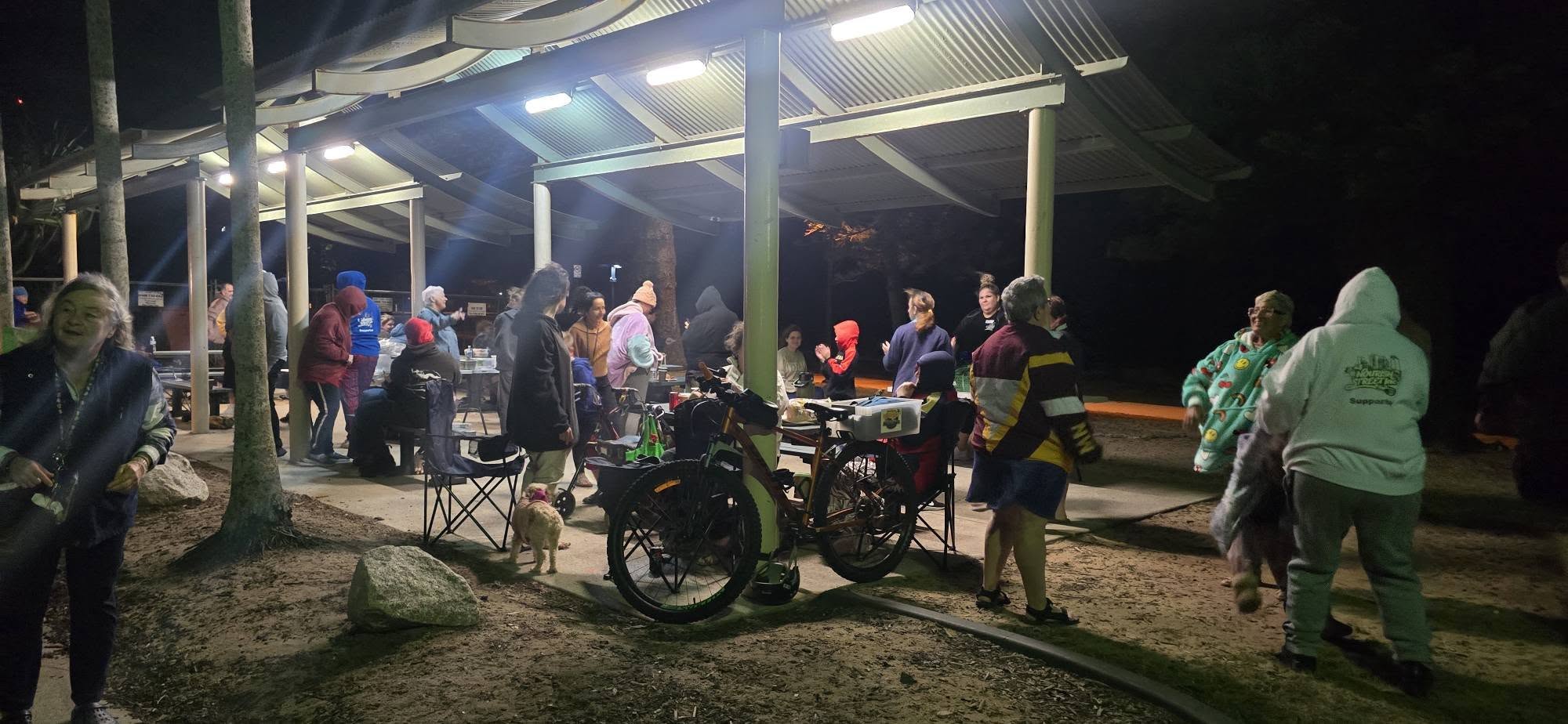
There is another part of outreach that cannot be bought or donated: human connection.
Lived experience allows us to have conversations that can sometimes be difficult for traditional services to have. I understand addiction, poor choices and rebuilding because I have lived them. That does not mean my story is the same as somebody else's, but it means I can sit beside someone struggling and speak to them as an equal rather than judge them.
Thirteen people we have encouraged towards rehabilitation are now no longer living on the streets. They deserve the credit for doing the hard work themselves. We were there to encourage them towards the door when they were ready to walk through it. Of everything Nourish Street has achieved, that means an enormous amount to me.
Our work has also given us a responsibility to advocate. We have raised issues around punitive responses to homelessness, crisis and social housing shortages, sanitation, public health, mental health and addiction services, the treatment of people sleeping in public spaces, safety in designated camping areas and the need for genuine pathways into permanent housing. At Eddie Hyland Park in Lawnton, I played a part in bringing concerns about the treatment of people experiencing homelessness into a legal process that ultimately resulted in an important human rights decision.
Nourish Street receives no government or council funding. That makes operating harder, but it also gives us something I value enormously: independence. If government or council gets something right, I will support it. When I believe something is harming the people we see every week, I will speak up.
My voice will never be for sale.
What amazes me most about Nourish Street today is that none of this belongs to one person or one family anymore. Around us has grown a community of volunteers, charities, businesses, schools, health professionals, supporters and ordinary people who have decided they want to help.
Sometimes I look at everything happening around me and think about how far this journey has come.
There was a time in my life when I was the person who needed someone to turn up. I know what it feels like to make choices you regret and to reach a point where you cannot see much beyond the next hour. I also know what it means when another person looks past everything that has gone wrong and still sees someone worth helping.
I cannot change those years, and I would never pretend they did not happen. They are part of me. But somehow, out of some of the darkest parts of my life, something good has grown.
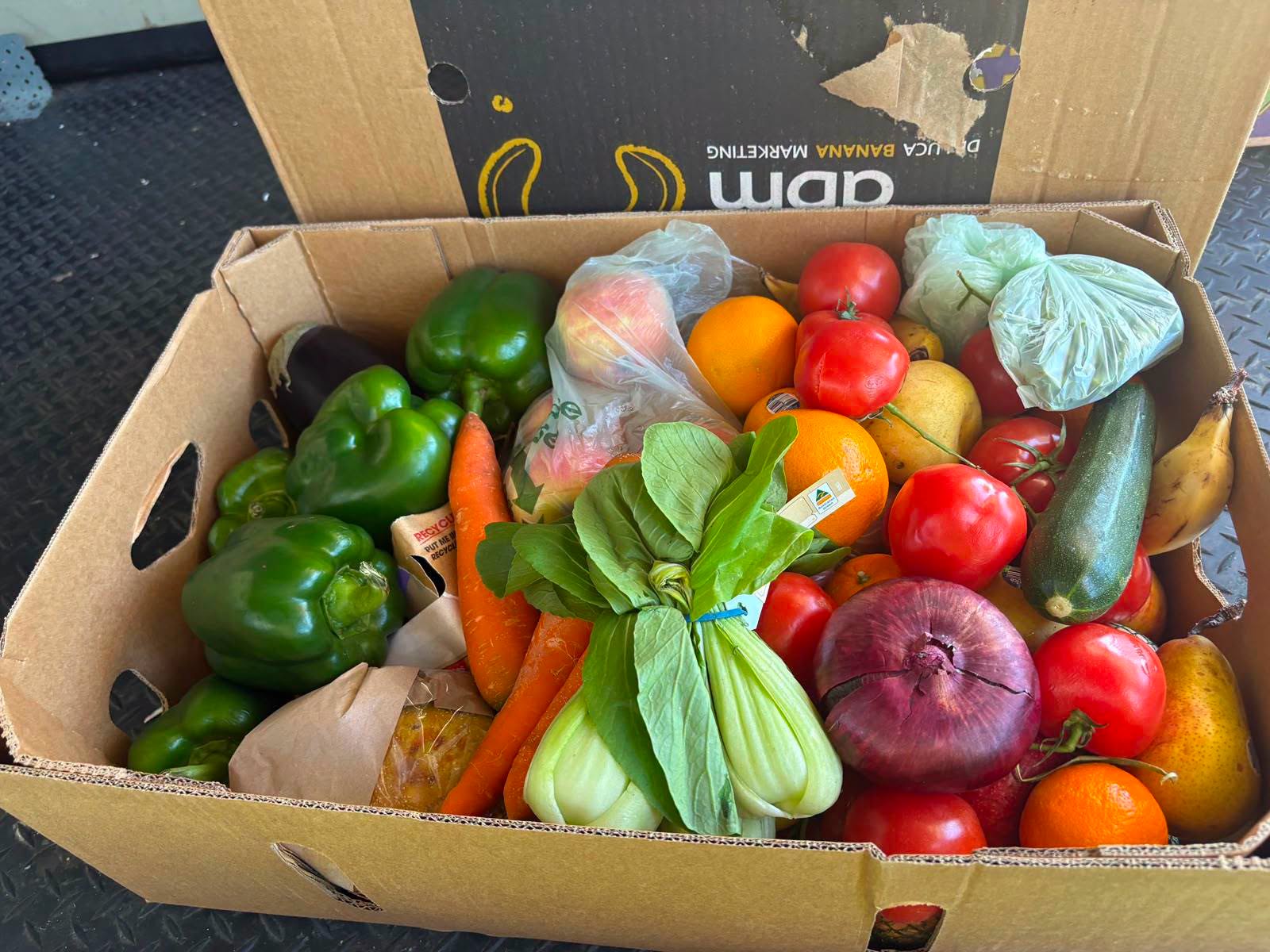
Today, I can stand at our headquarters and watch volunteers packing food and loading vehicles. I can see people cooking meals, running the op shop, selling raffle tickets and preparing for another night on the streets. Then those vehicles pull out carrying meals, tents, bedding and medical support to people waiting for us.
Sometimes I still have to remind myself where it all started.
A few meals cooked at home.
That was it.
Now hundreds of people are being supported every week, around 70 volunteers are giving their time, other charities are sharing in what we receive, health professionals are treating people on the streets, and people who once slept rough are rebuilding their lives.
But behind all those numbers are individual human beings. Someone's son or daughter. Someone's brother or sister. Someone's mum, dad or friend. Someone with a story that began long before the moment we met them on the street.
We cannot solve everything. There are nights when we drive home knowing the need was greater than what we could provide. I have had to accept that we cannot change every life we encounter.
But we can make sure we never stop seeing the person in front of us.
Maybe that is what this entire journey has taught me.
You do not always change someone's life with some enormous act. Sometimes it is a meal, a tent, medical care, a conversation or a laugh with two idiots dressed in ridiculous costumes.
And sometimes it is refusing to walk past.
I spent part of my life on the other side of the street, needing someone to see me.
Today, I get to cross that street for somebody else.
And I will never forget what a privilege that is.
Additional Photographs