WHAT I BROUGHT HOME
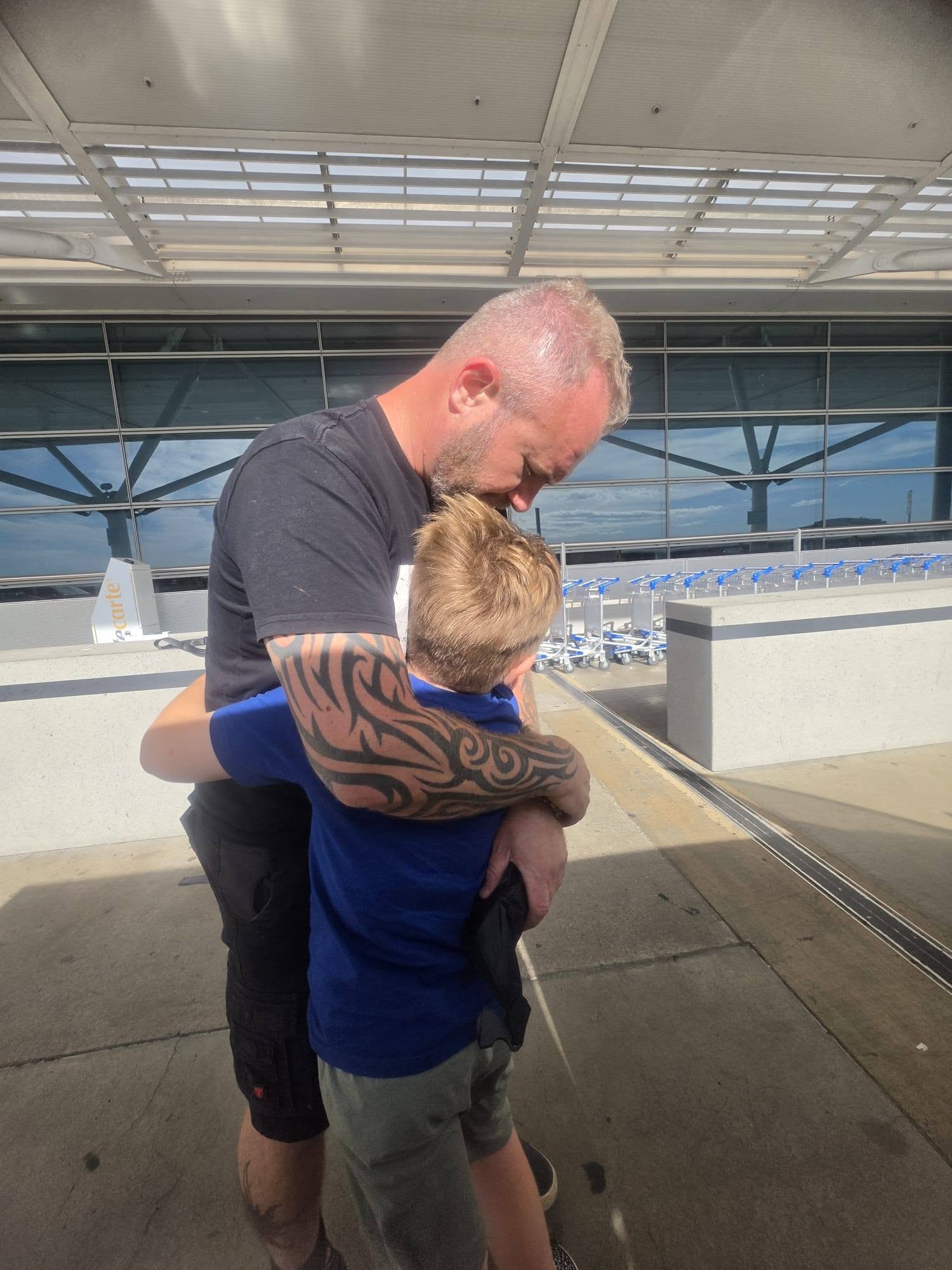
By early 2026, Nourish Street was growing quickly, and I wanted to understand homelessness beyond what I was seeing on our own streets. I wanted to see what other countries were facing, how communities were responding and what happened when homelessness, addiction, mental illness and extreme poverty reached levels far beyond anything I had witnessed in Australia. Reading about it wasn't enough. I wanted to see it firsthand.
I decided to travel to America and walk through some of its most notorious areas for homelessness, addiction, overdose, violence and extreme poverty. I wanted to visit shelters, meet outreach organisations and speak with the people living and working in places many tourists were warned to avoid. This trip was entirely self funded. No Nourish Street money was used to pay for it. I tried selling my motorcycles first, but had no joy. If I wanted to make the trip happen, there was really only one option left. I sold my beloved car. It wasn't an easy decision, but I believed what I could learn on the streets of America was worth more than what I was giving up.
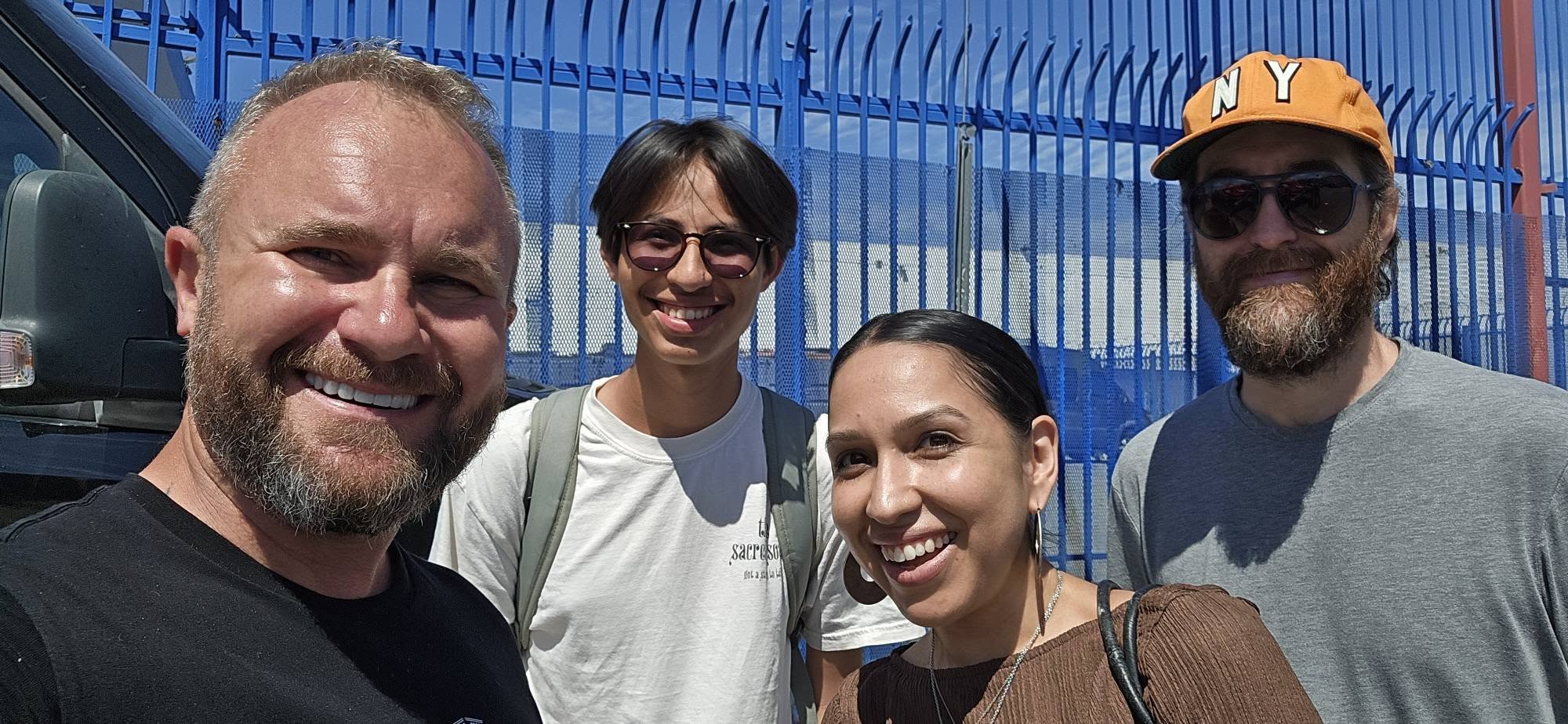
This wasn't going to be a holiday. In March 2026, I boarded a plane with a backpack and headed for the United States. My journey would take me through Skid Row in Los Angeles, Las Vegas, Salt Lake City, Kensington in Philadelphia and New York. I wasn't travelling there as an expert. I was going there to learn.
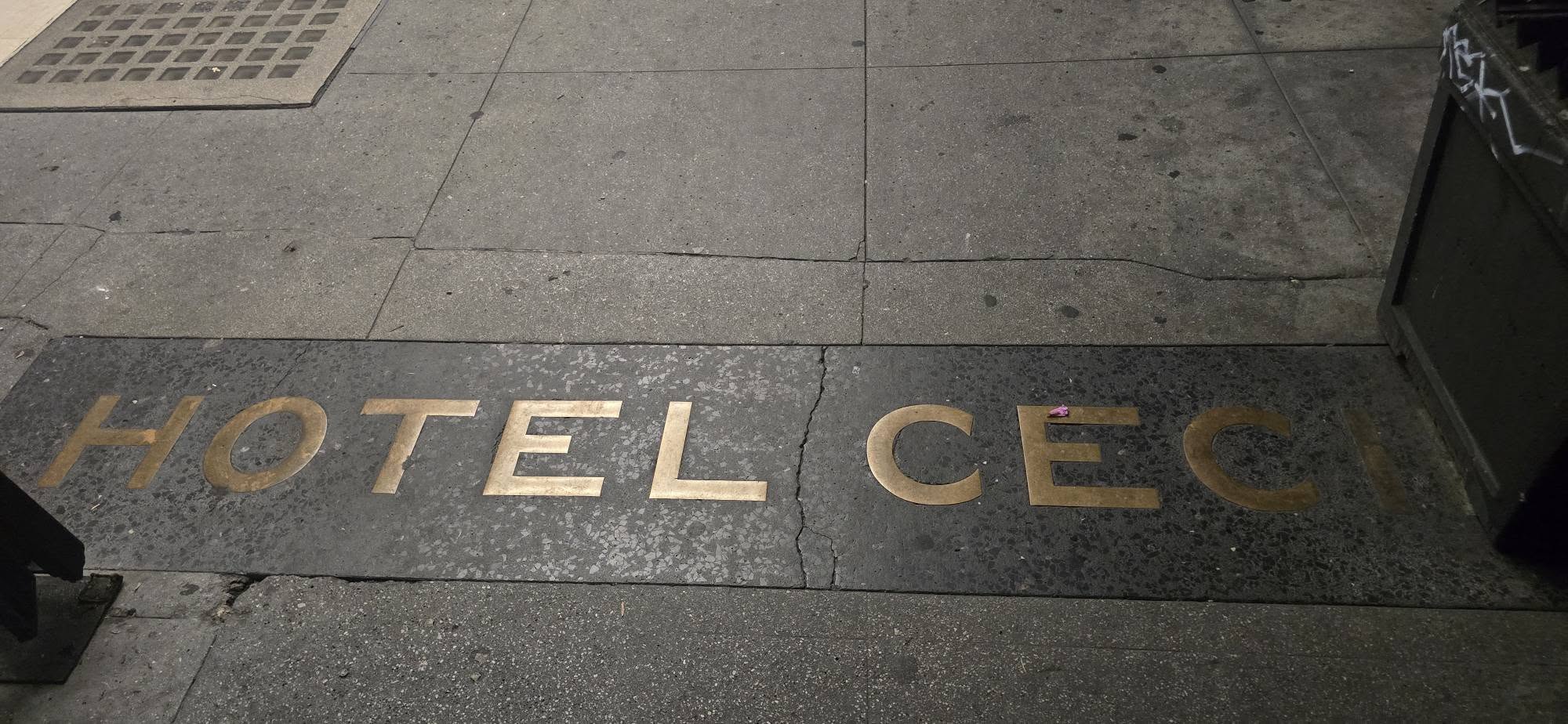
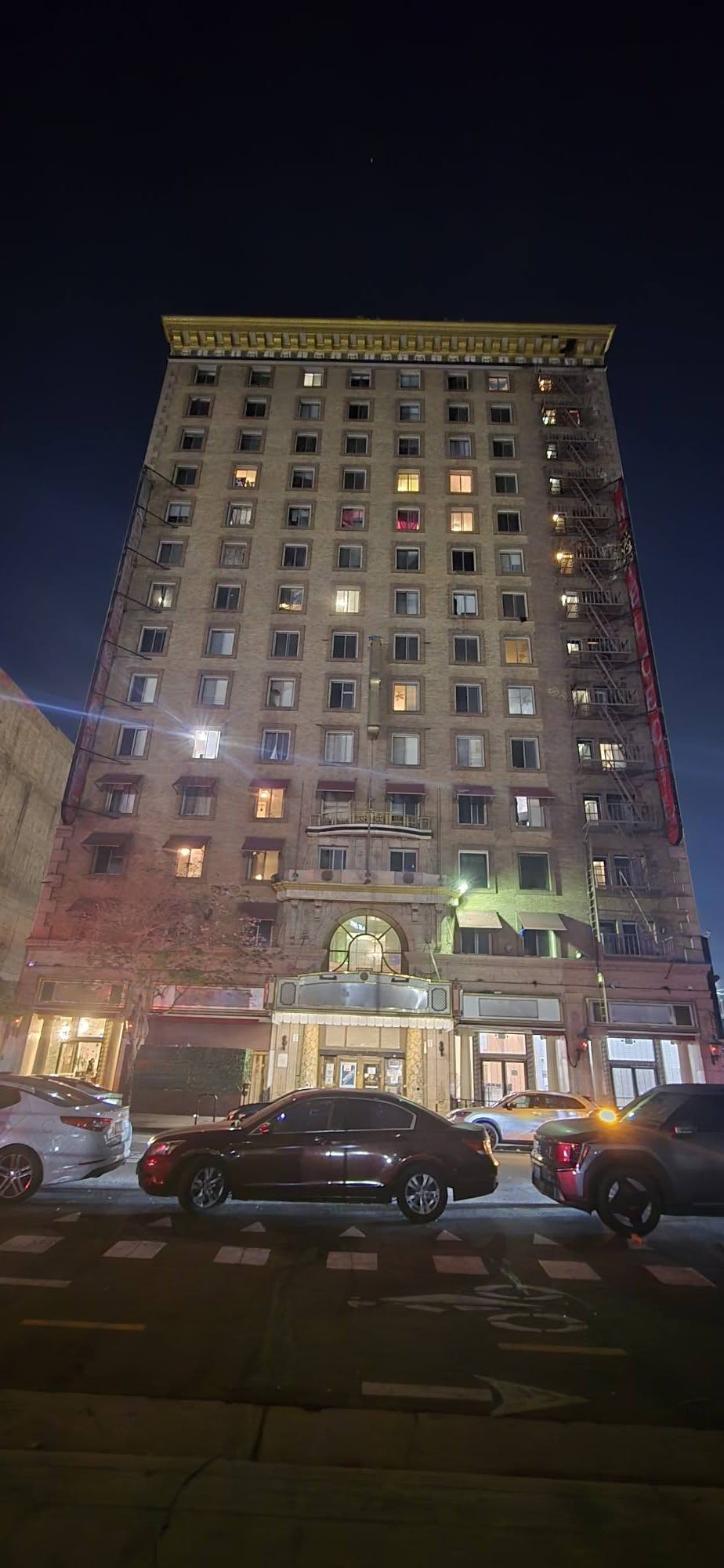
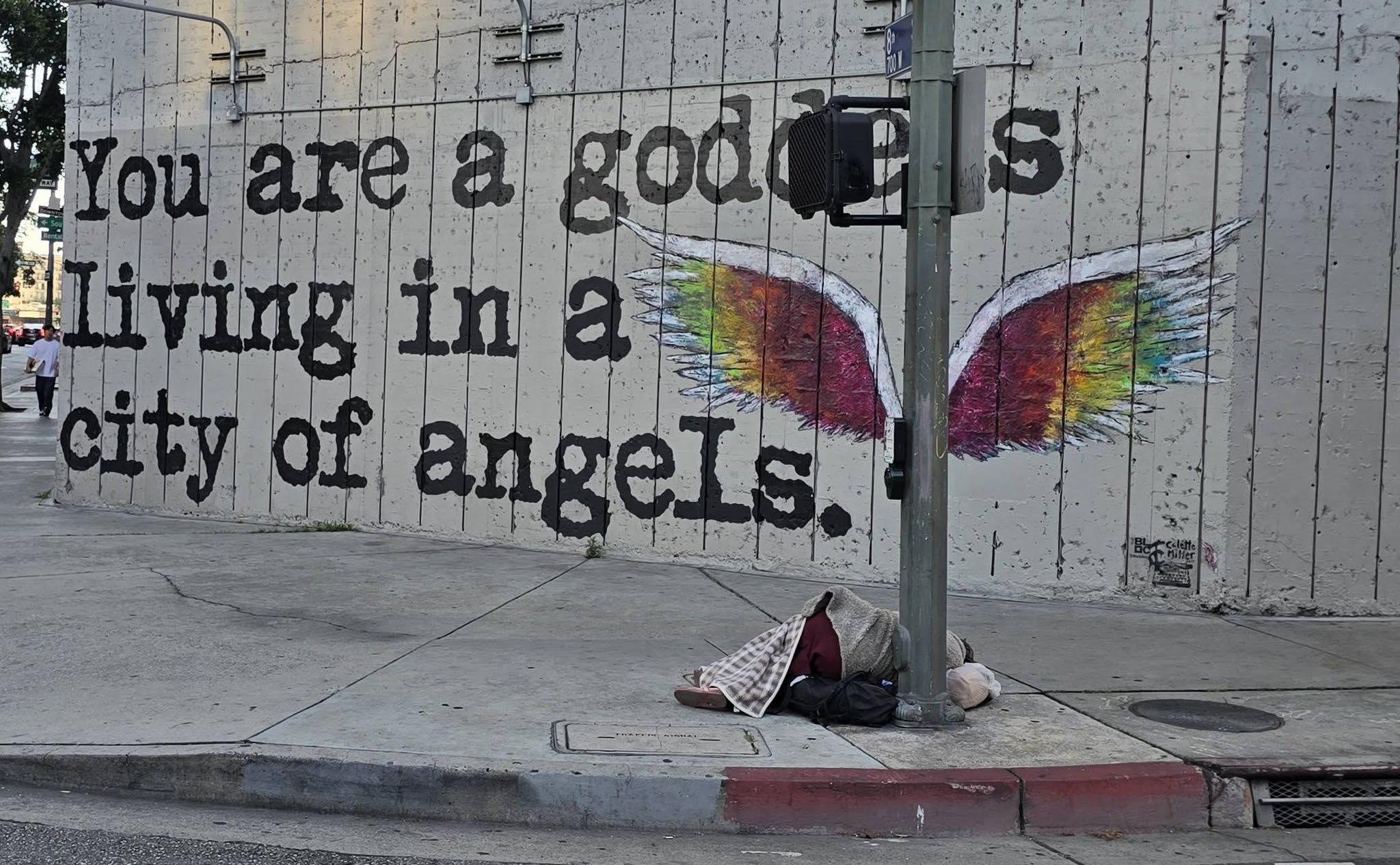
My first major stop was Skid Row in Los Angeles. Nothing could have properly prepared me for it. Skid Row covers only around fifty city blocks, yet the 2024 homeless count recorded 3,791 people experiencing homelessness there, including 2,112 living unsheltered. It was the densest concentration of homelessness in Los Angeles County. The statistics were confronting, but numbers couldn't prepare me for actually standing there.
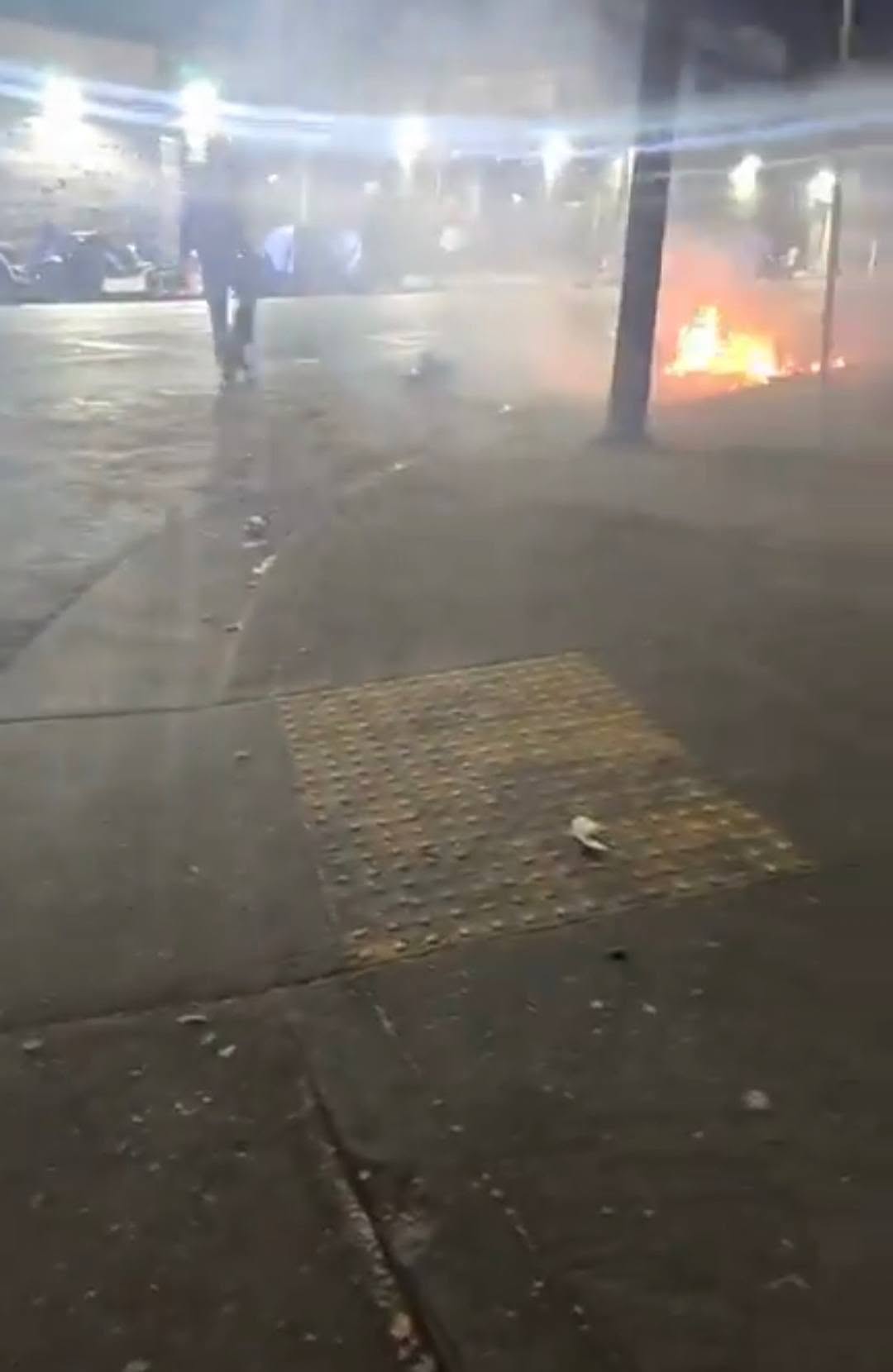
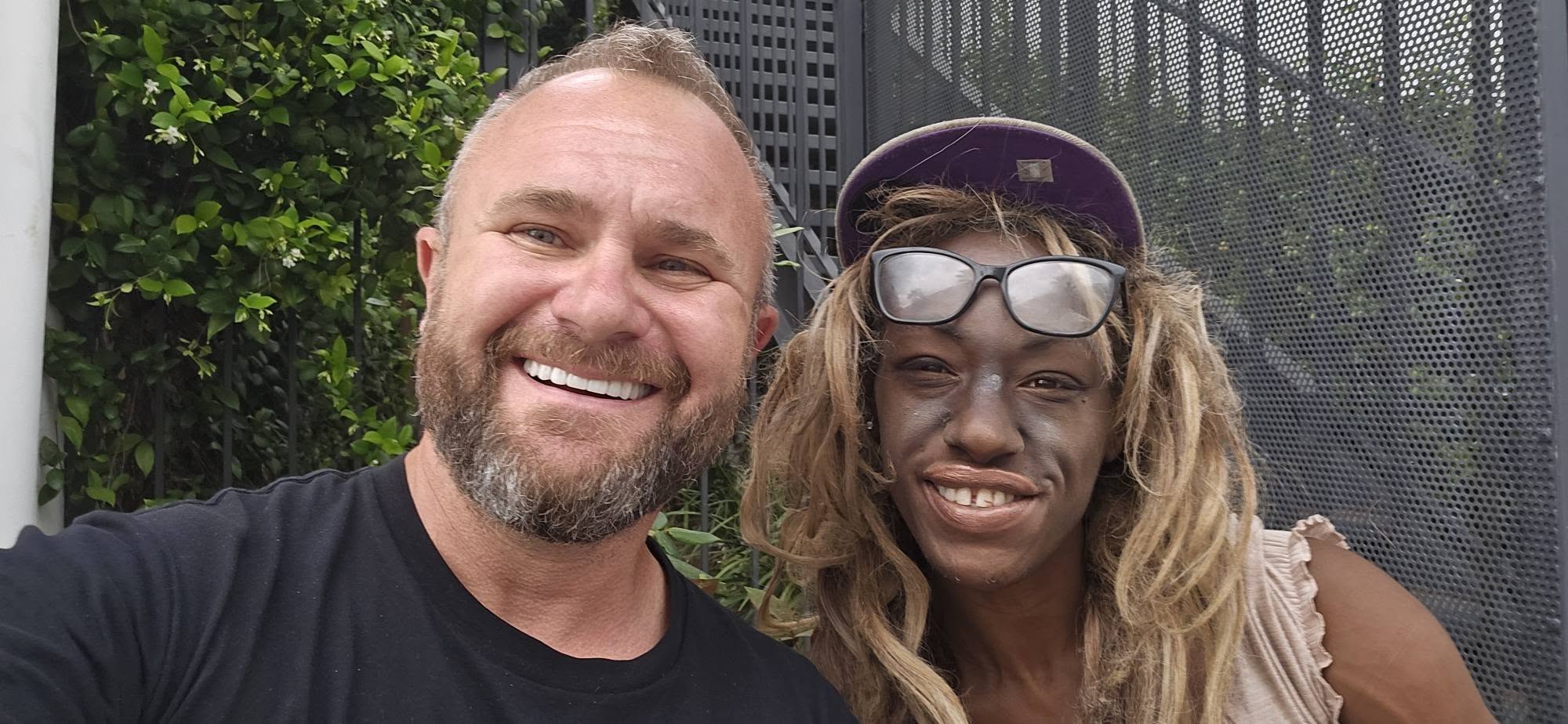
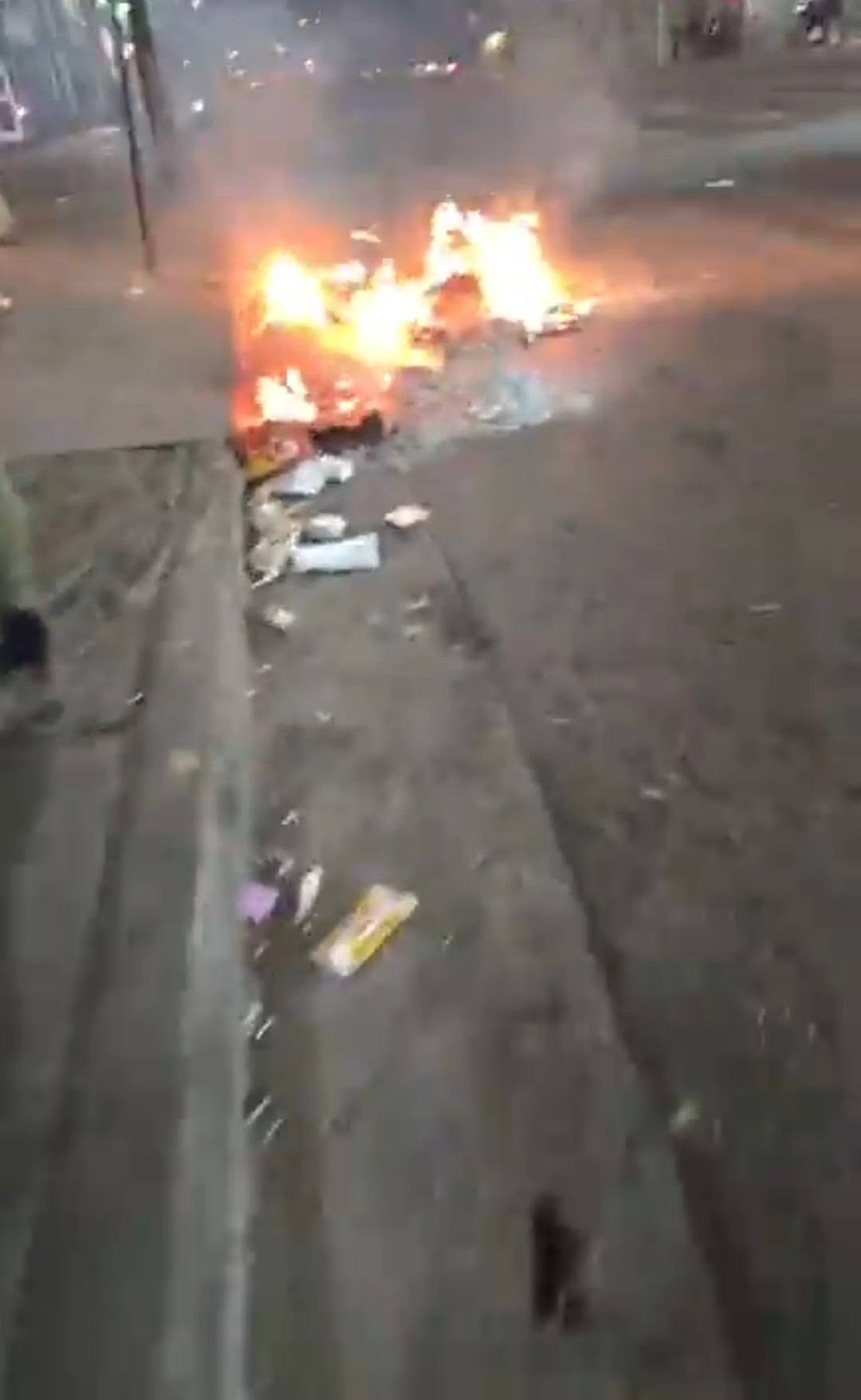
I didn't just visit during daylight hours. I walked Skid Row at two o'clock in the morning, at a time when very few outsiders would willingly walk those streets. I wore a black hoodie, kept my head low and tried not to draw attention to myself. In some strange way, it allowed me to blend in somewhat. I walked streets many people had warned me not to walk. Fires were burning in different places. I witnessed open drug use and a robbery. At one point I heard gunshots in the distance. I kept moving, constantly aware of what was happening around me.
It wasn't bravery, and I certainly wasn't bulletproof. There were probably moments when it wasn't particularly smart either. But I hadn't come to America to look at homelessness through a car window or from the comfort of a hotel room. I wanted to understand what outreach workers faced and what life could be like for the people surviving those streets every night.
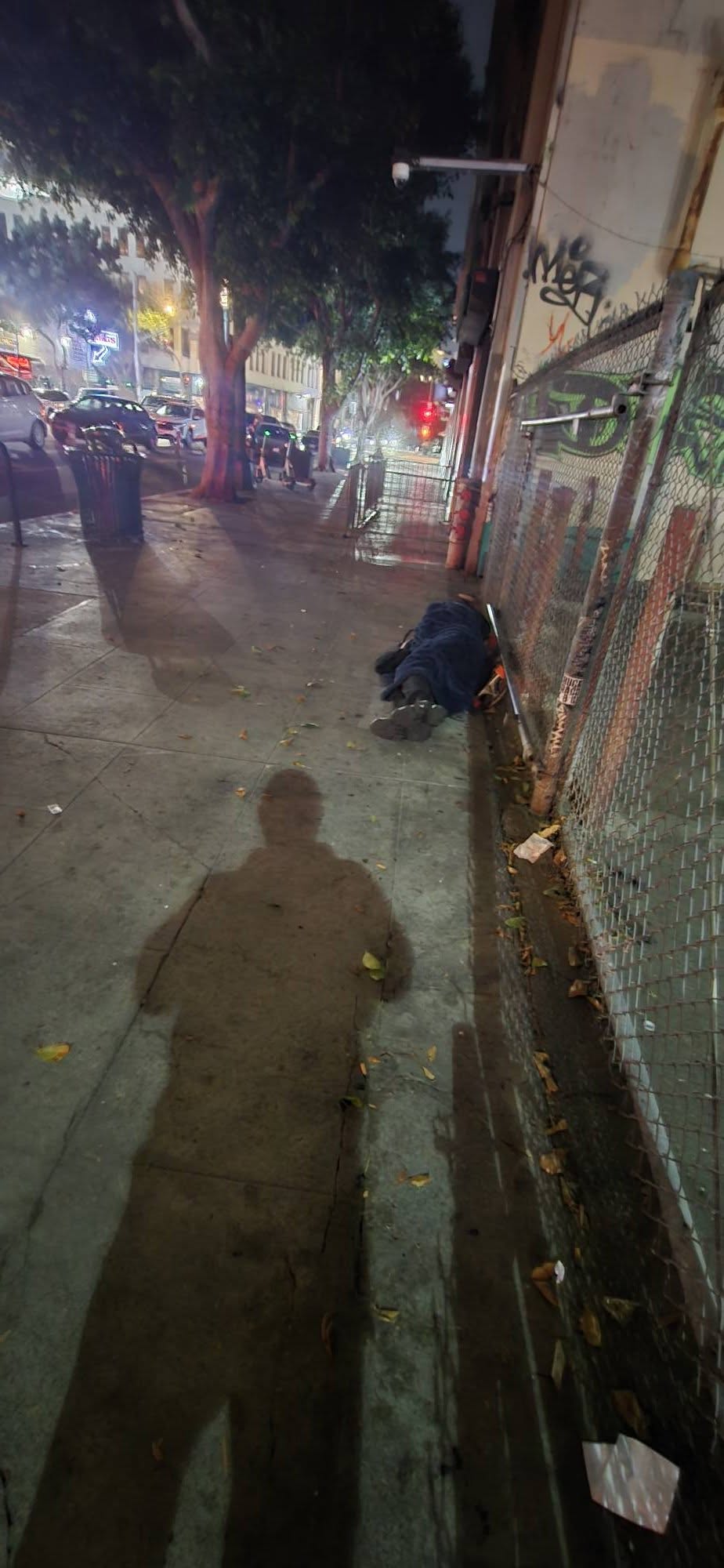
The dangers facing people living there went much further than crime. Los Angeles County identifies Skid Row as having some of its highest levels of substance use, mental health crises and overdose mortality. Across the county, thousands of people experiencing homelessness have been dying each year. In 2023 alone, 2,508 people experiencing homelessness died in Los Angeles County. By 2024, their overdose mortality rate was forty six times higher than that of the general county population. Those figures were difficult enough to comprehend on paper. Walking through Skid Row gave them faces.
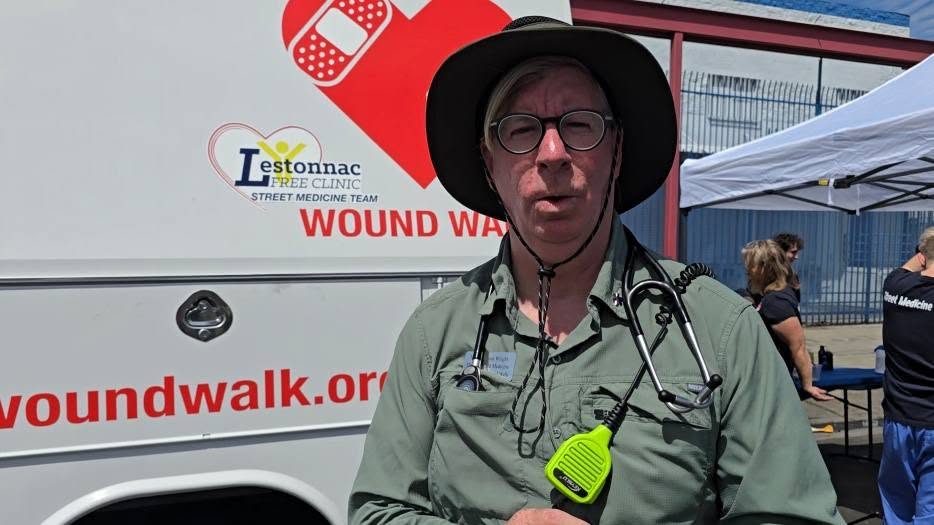
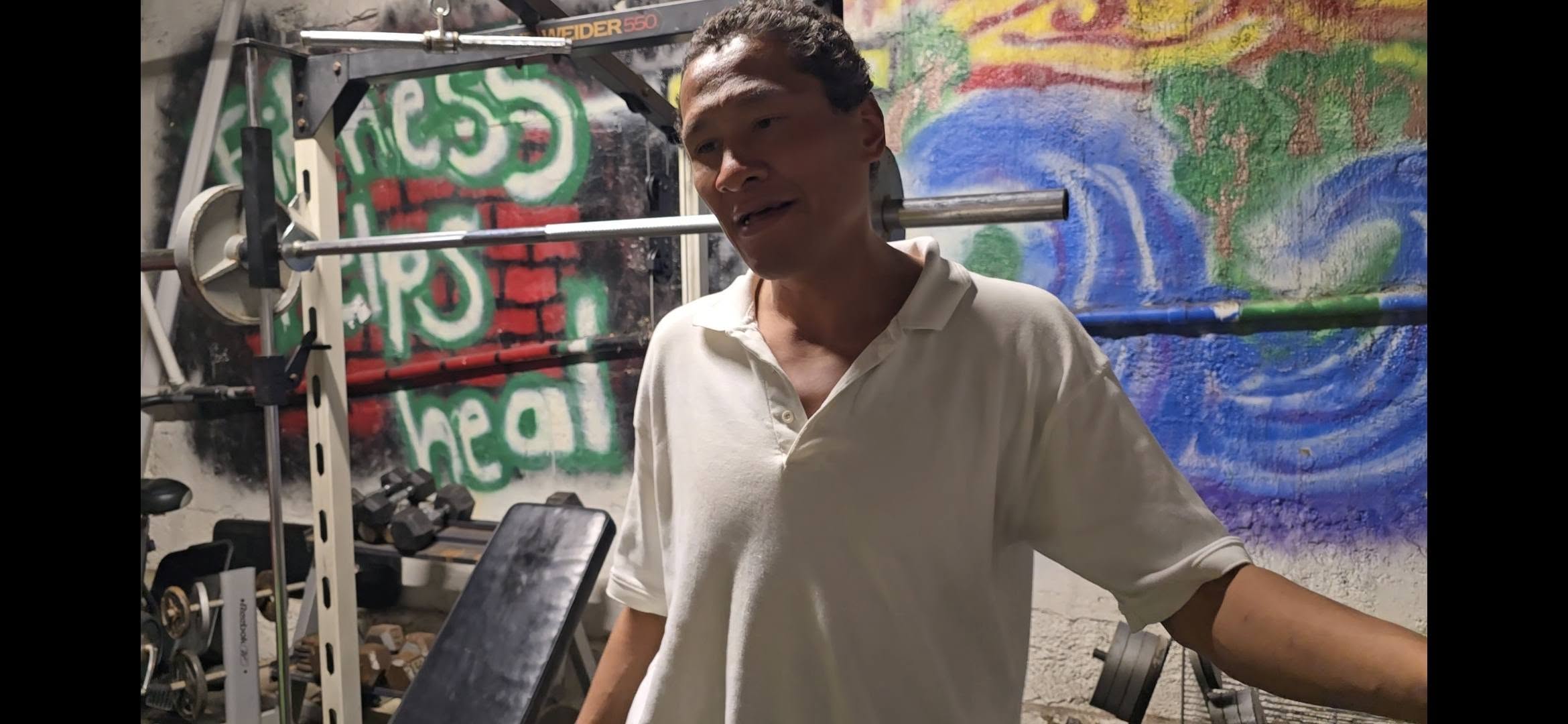
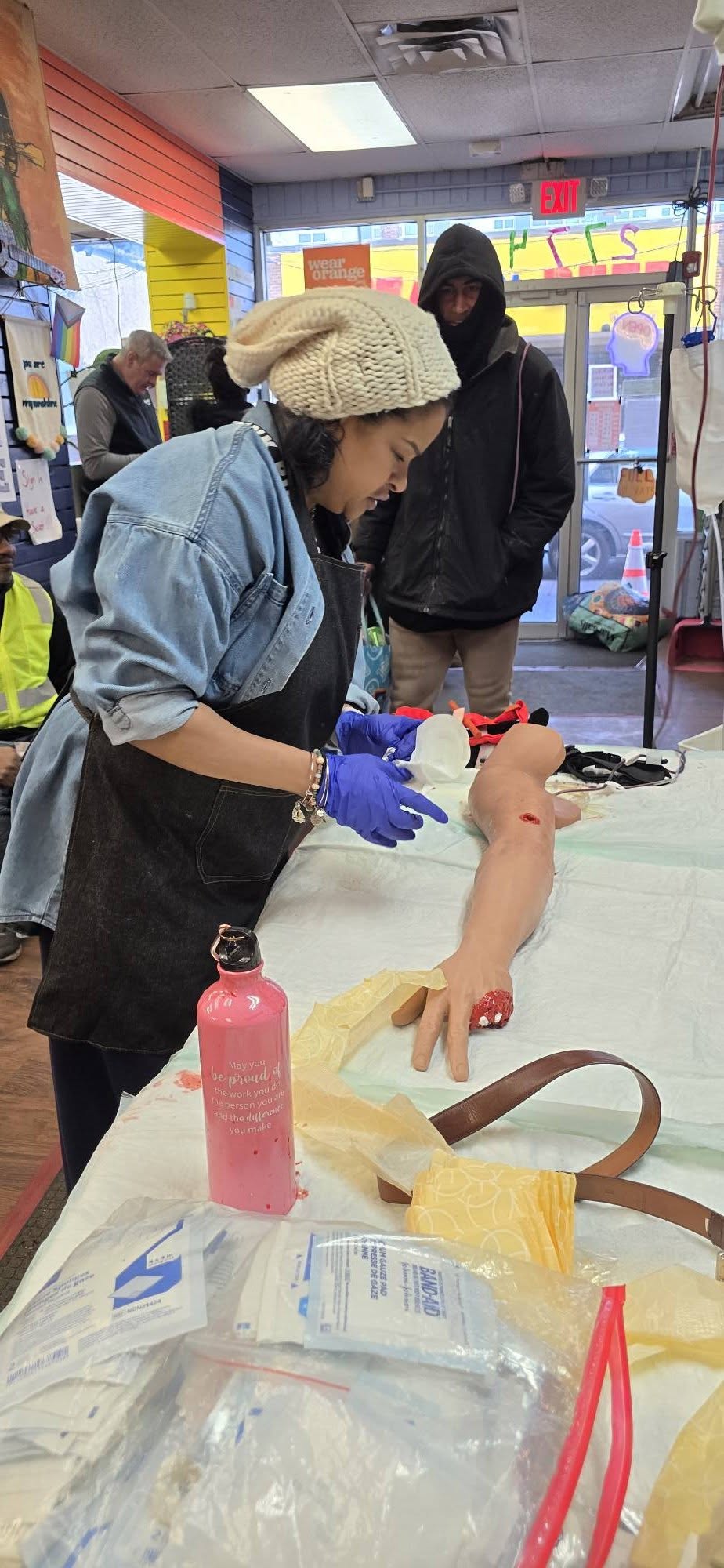
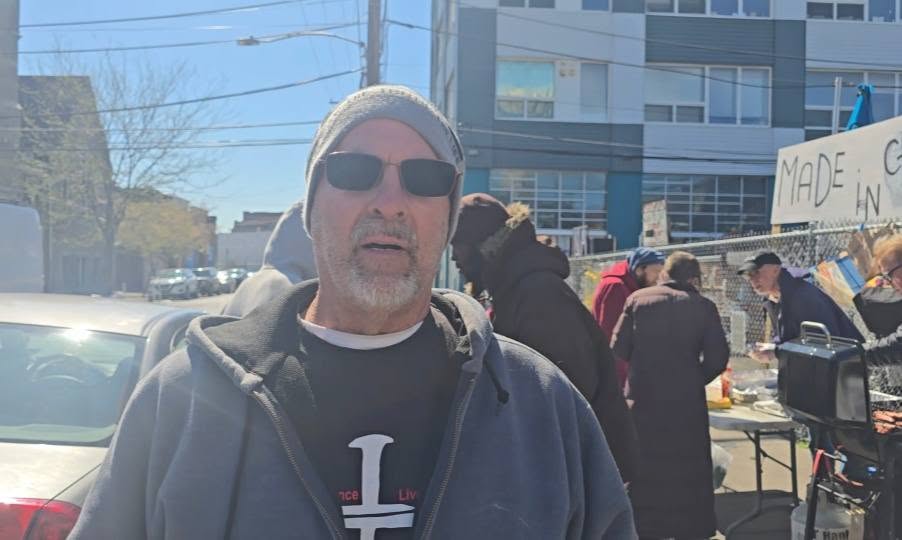
Yet among everything I witnessed, I also saw people refusing to give up on those streets. I visited the Midnight Mission and saw the incredible work being done there. I watched church groups come onto the streets to provide assistance.free medical assistance ( wound walk)
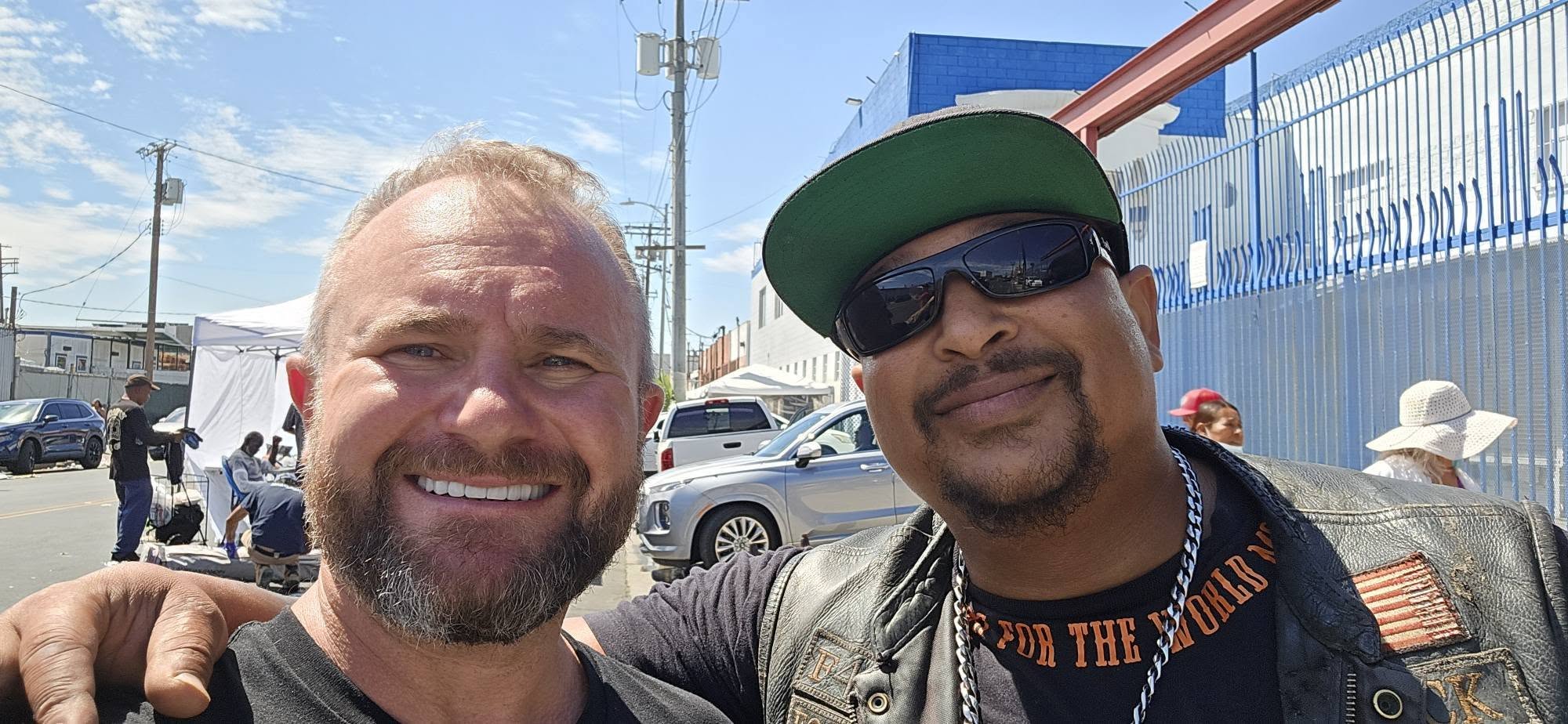
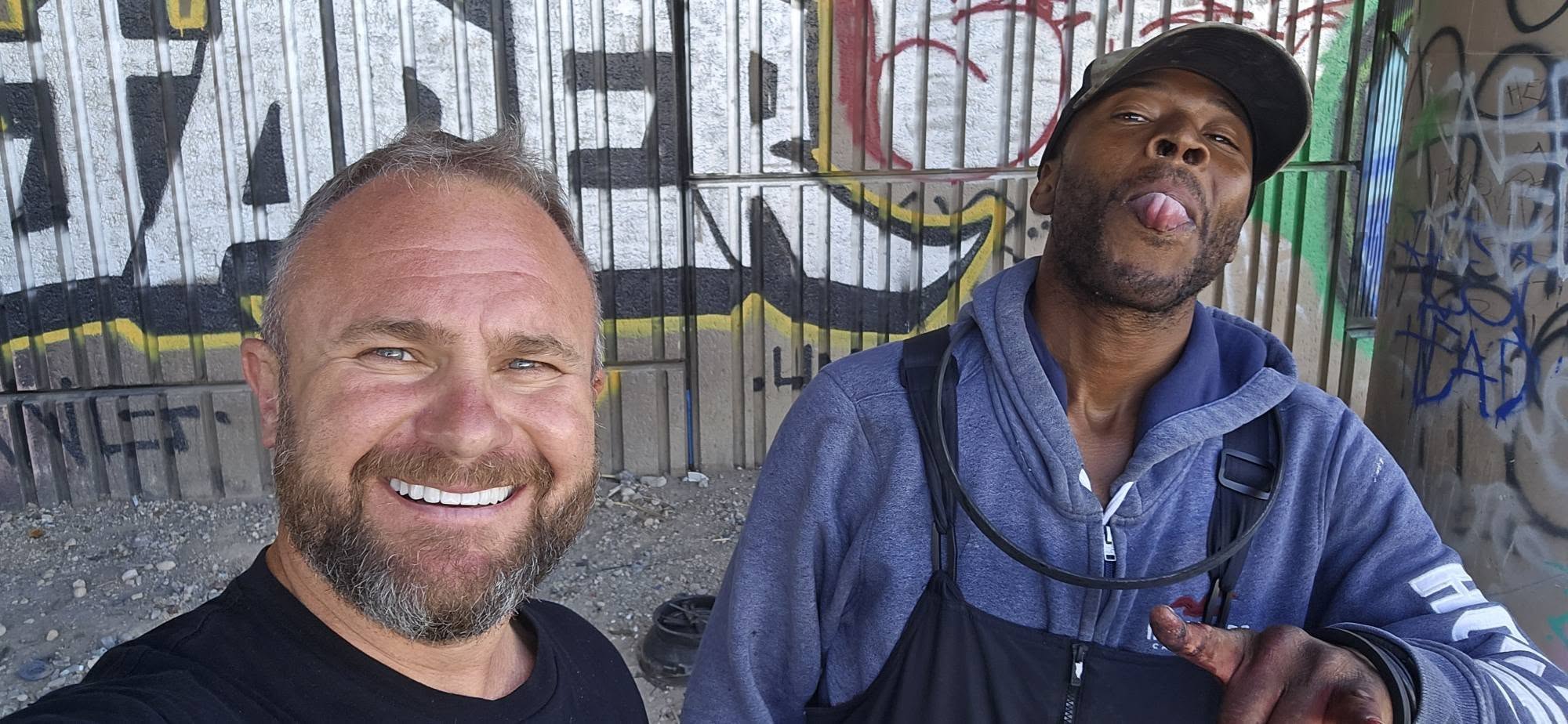
I met outreach workers who treated people like human beings rather than problems that needed to be moved somewhere else. I also met the man known as the Mayor of Skid Row and saw people who had dedicated themselves to helping a community much of society seemed to have forgotten.
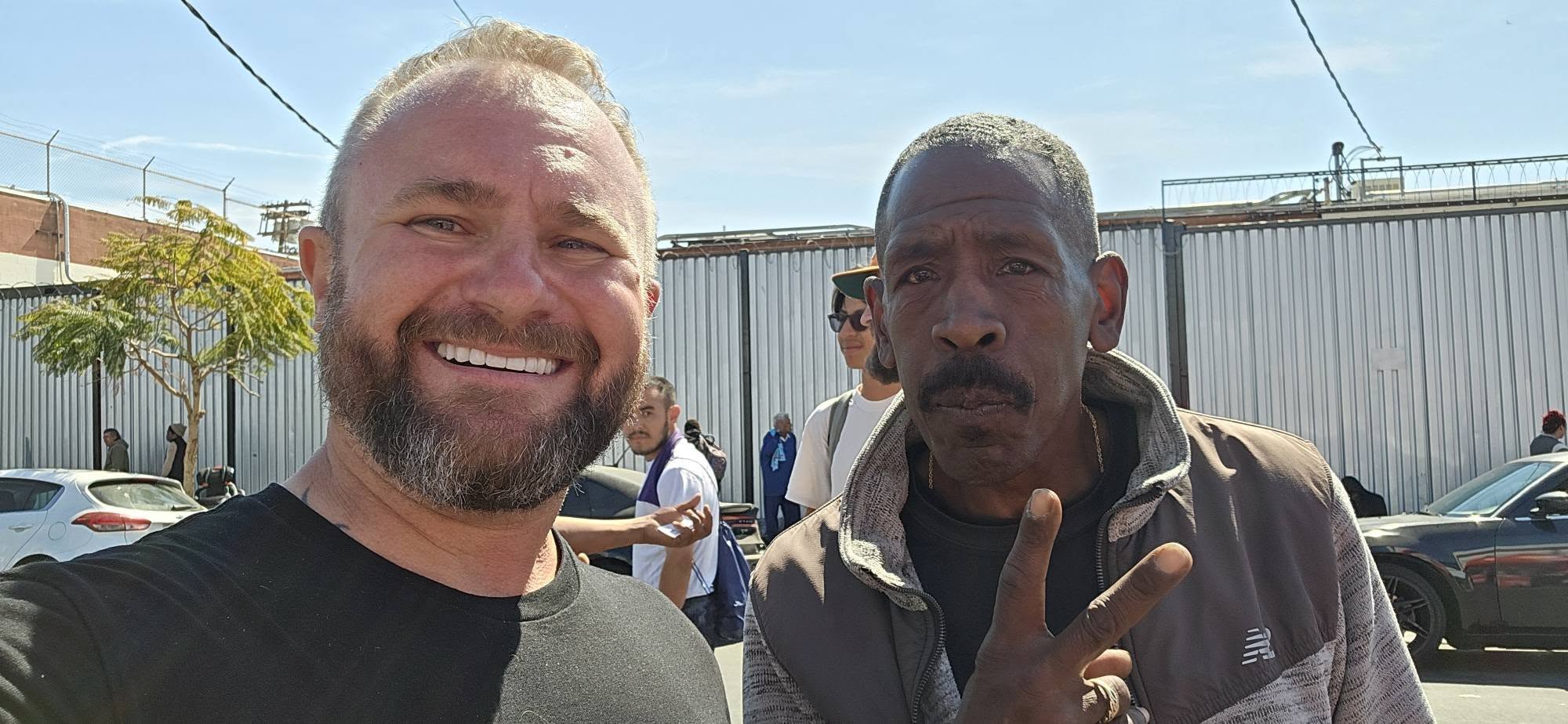
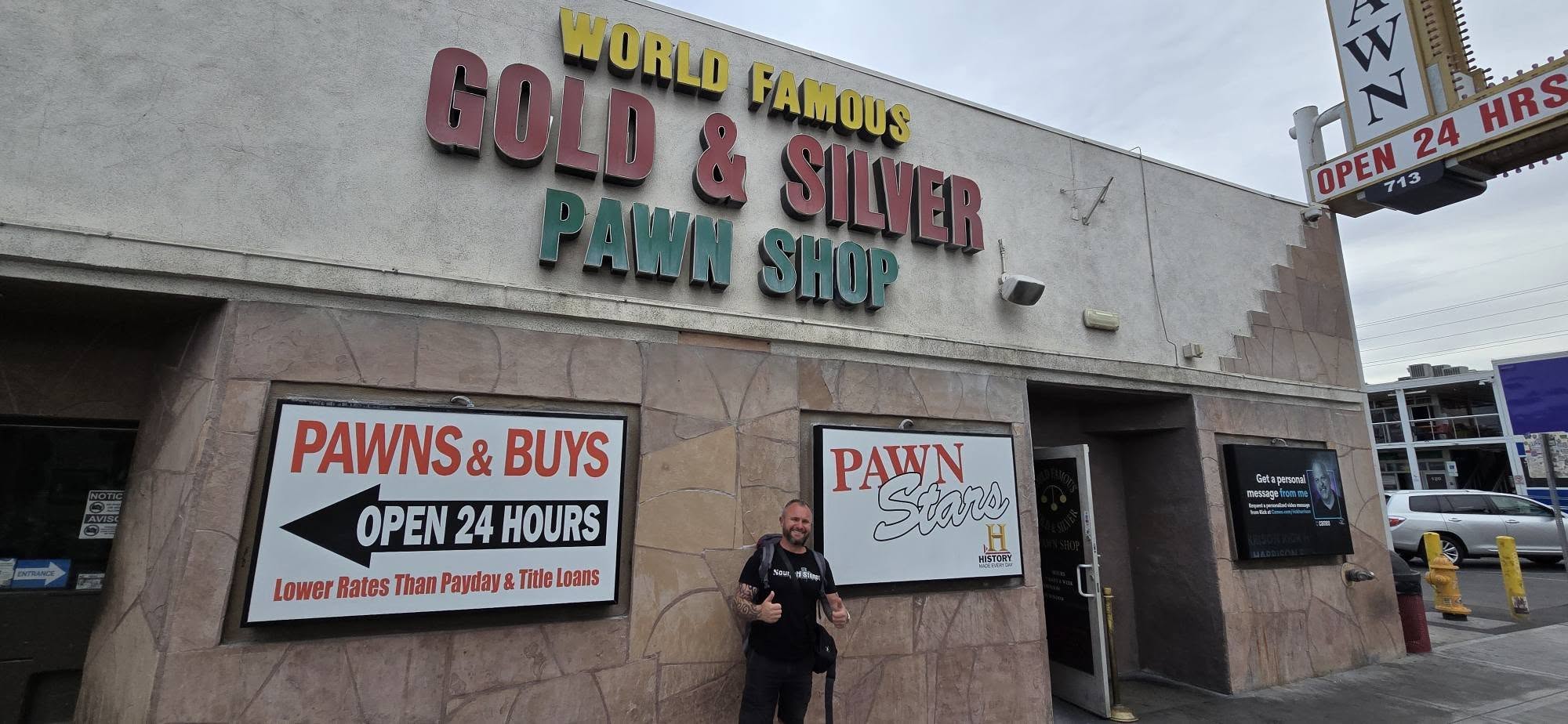
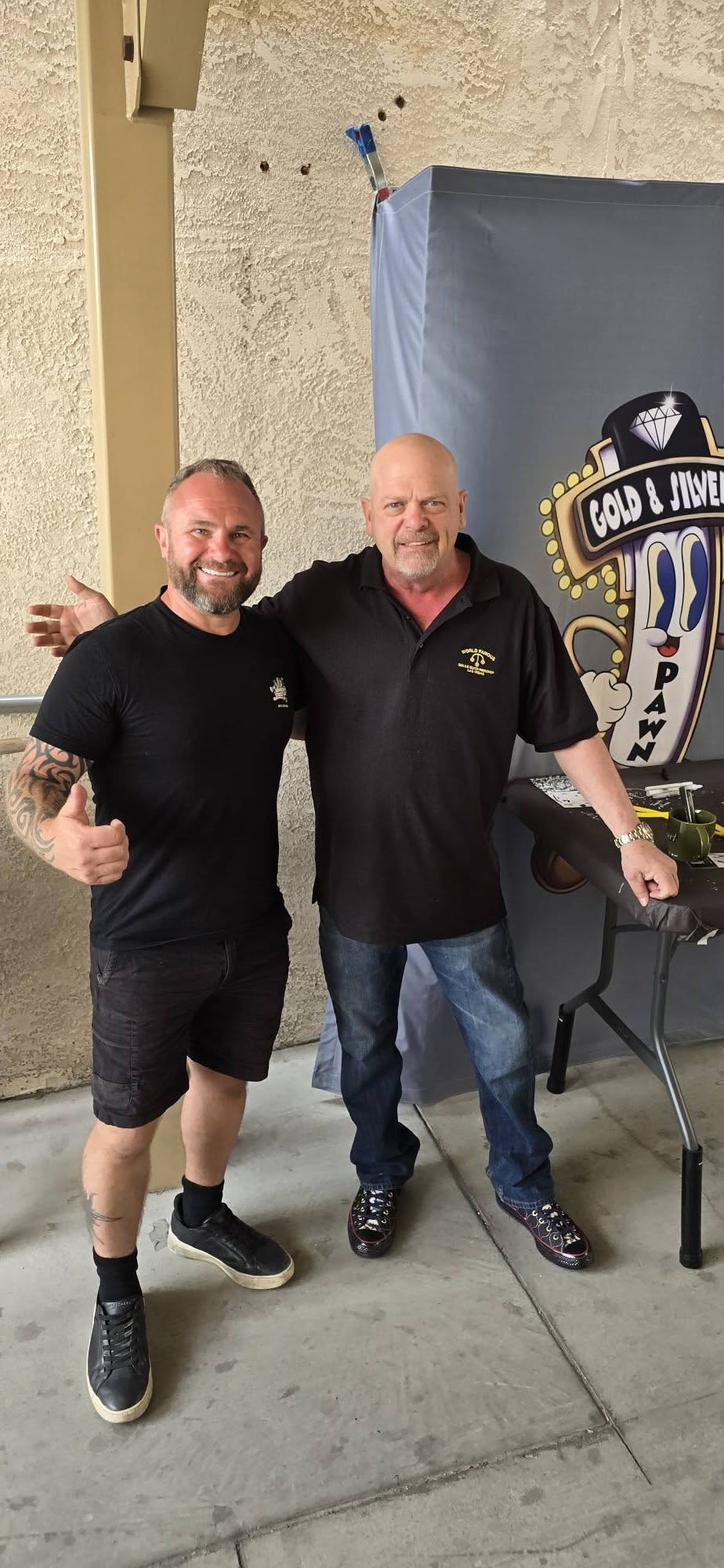
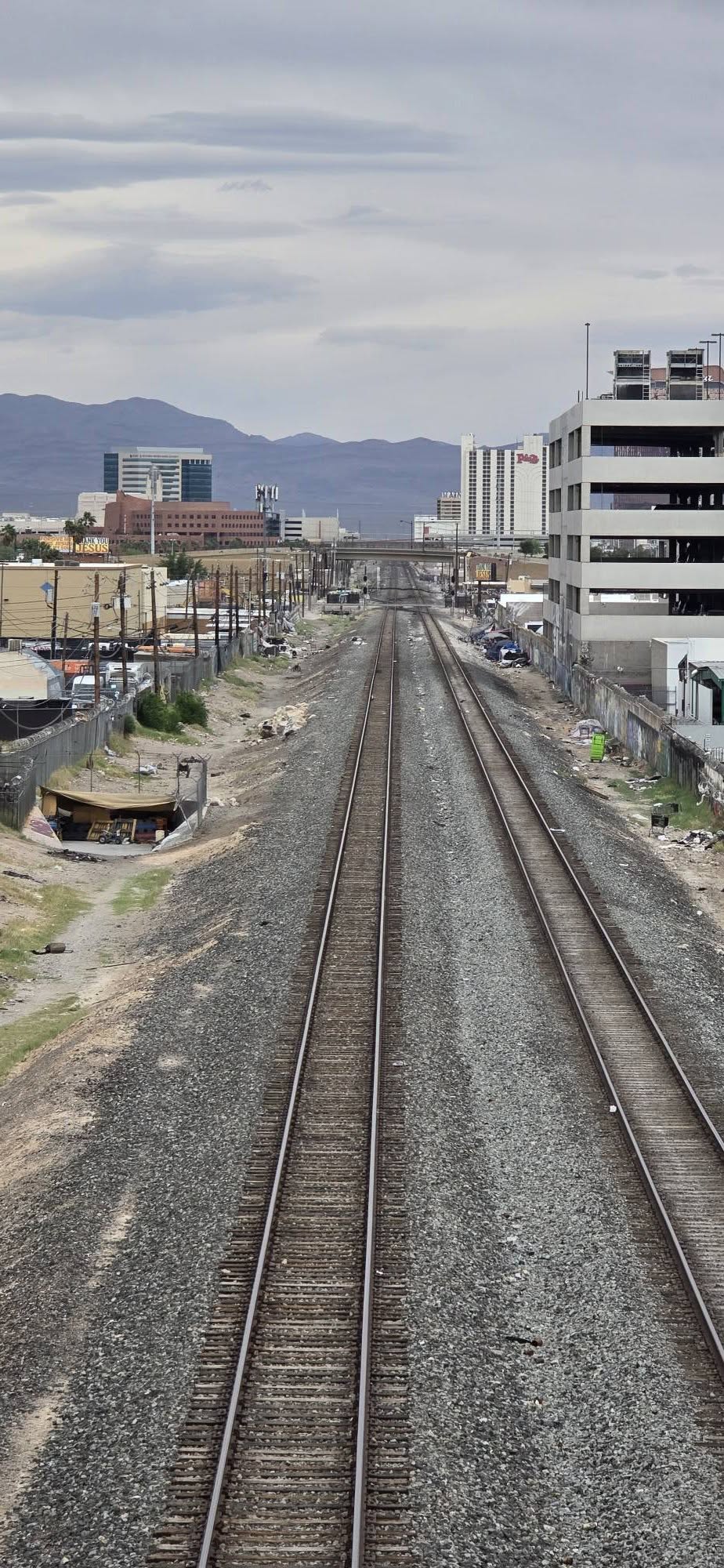
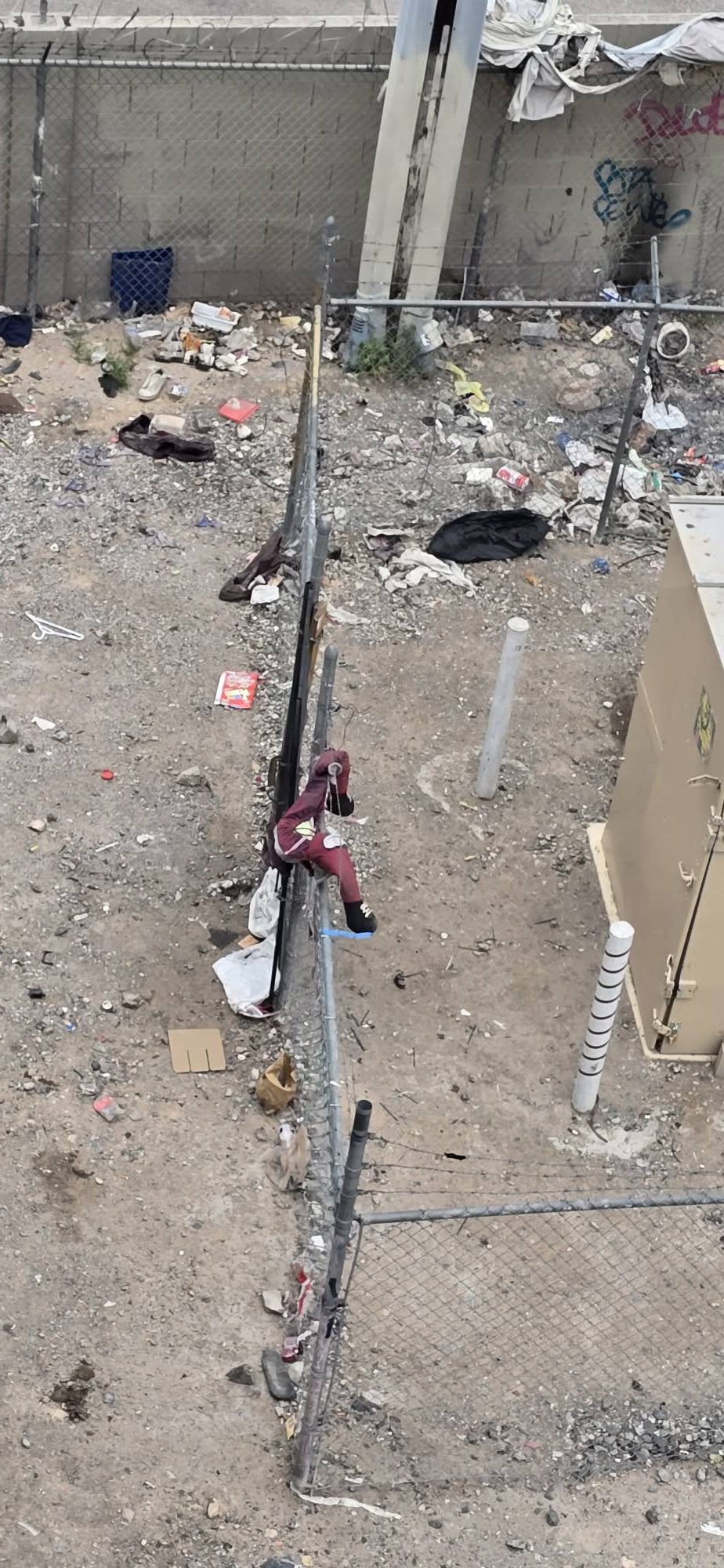
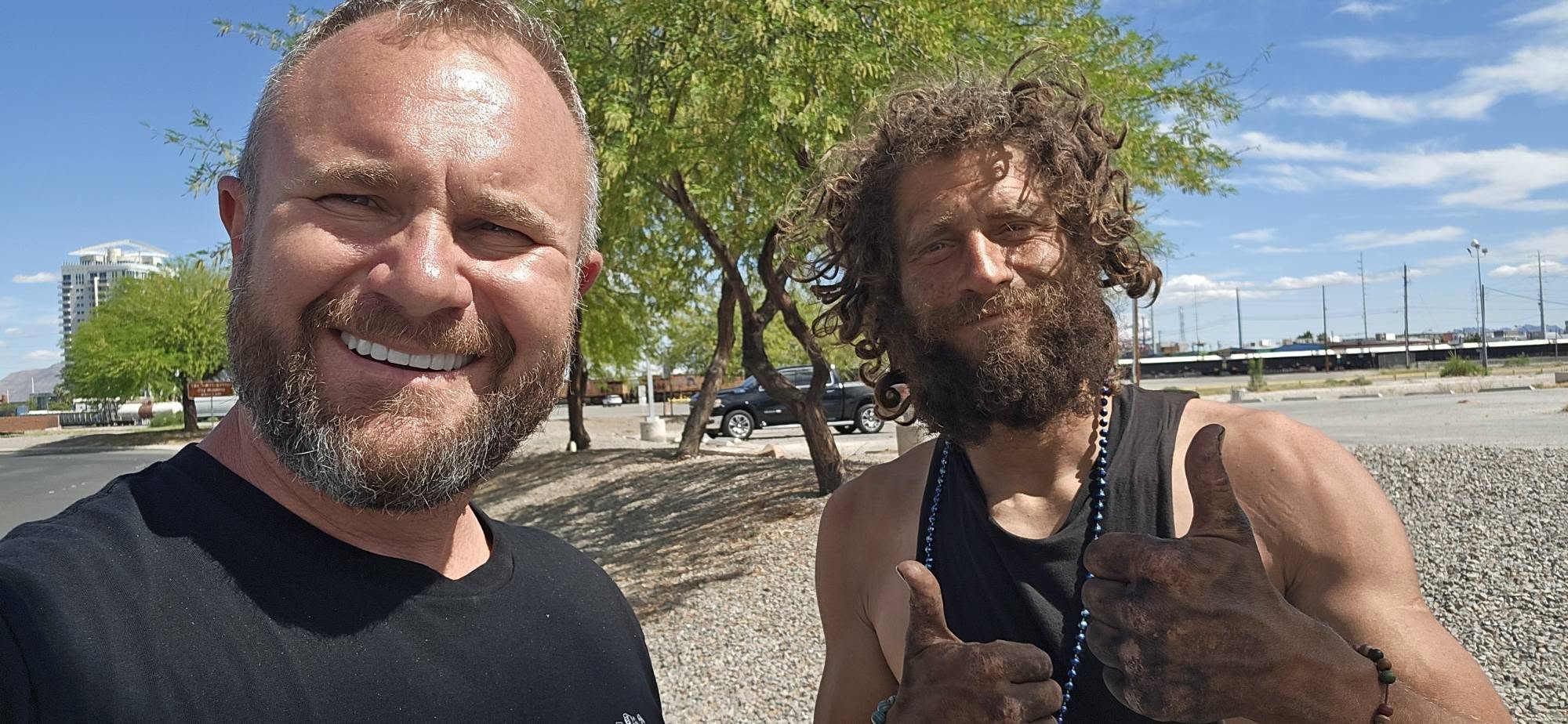
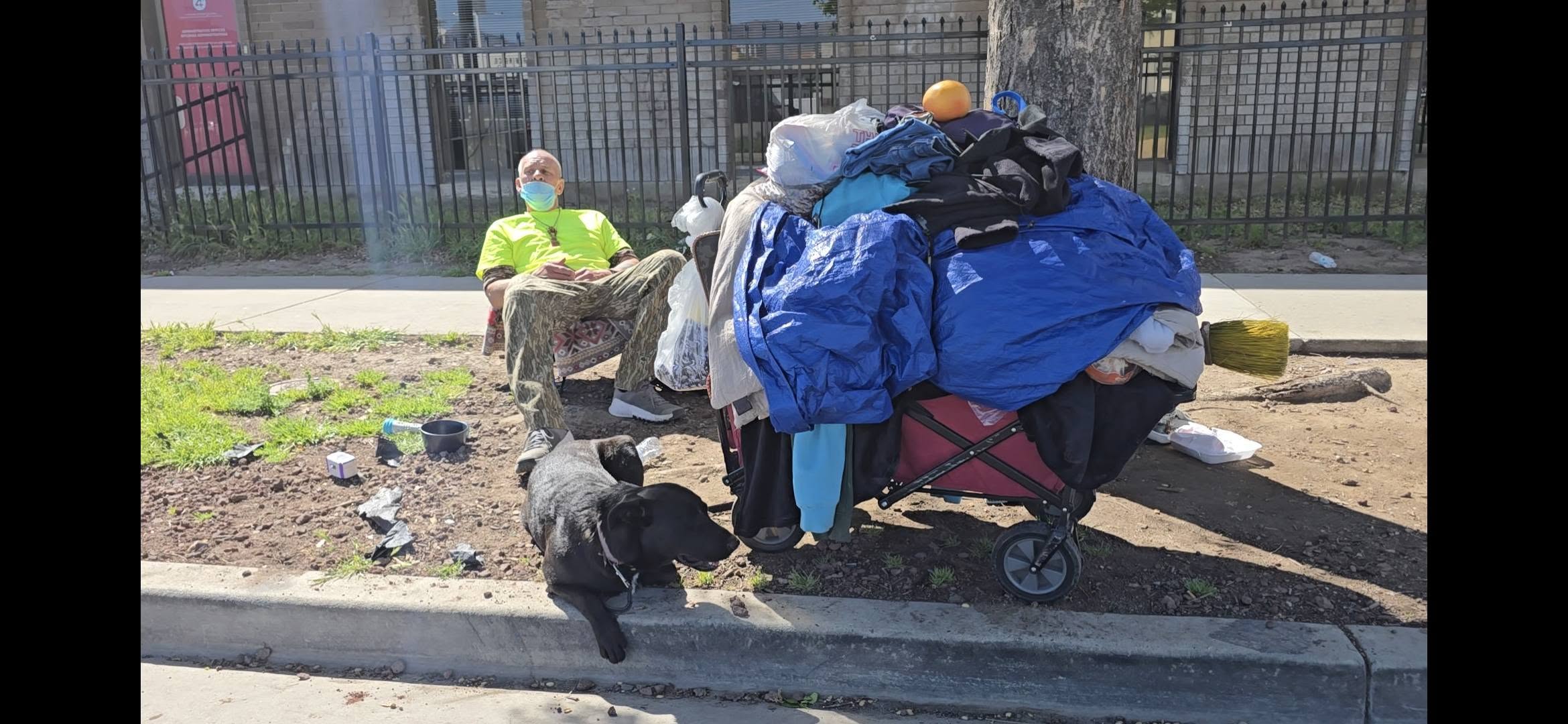
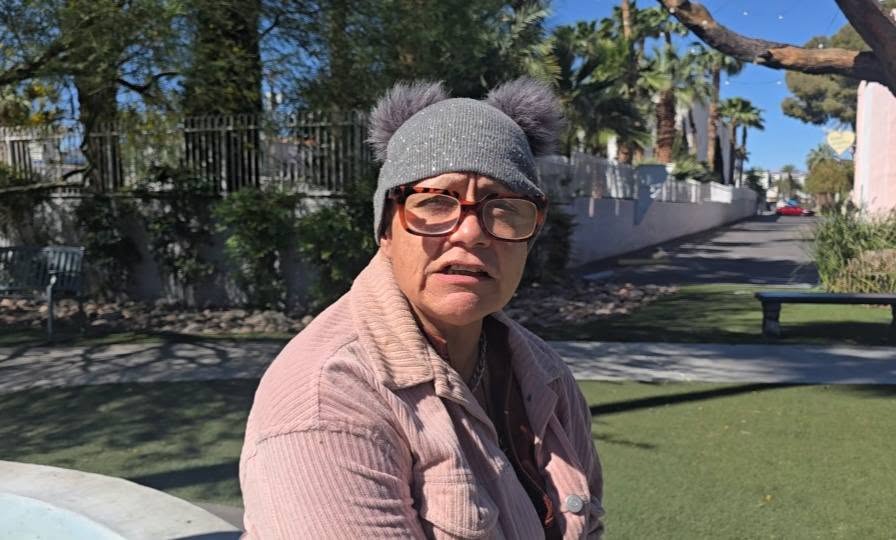
From Los Angeles I travelled to Las Vegas. Few places could demonstrate inequality more clearly. There was extraordinary wealth, enormous casinos, bright lights and money being spent everywhere. Yet away from that spectacle was another Las Vegas that many tourists would never see. Some people were living beneath the city in stormwater tunnels. I wanted to see the tunnels for myself and tried to find a way in, but I was strongly warned against entering because of the dangers involved. For once, I listened.
The dangers above ground were real as well. Las Vegas Metropolitan Police recorded ninety murders across its jurisdiction during 2025. Homelessness existed both above and below the streets, with outreach workers even entering the tunnel system beneath the city. I met an organisation working with people experiencing homelessness there. They were doing important work, although they were understandably guarded about some of what they did and where they went. Las Vegas showed me how different outreach could become depending on the environment. The needs might be similar, but the dangers and practical realities could change dramatically from one city to another.
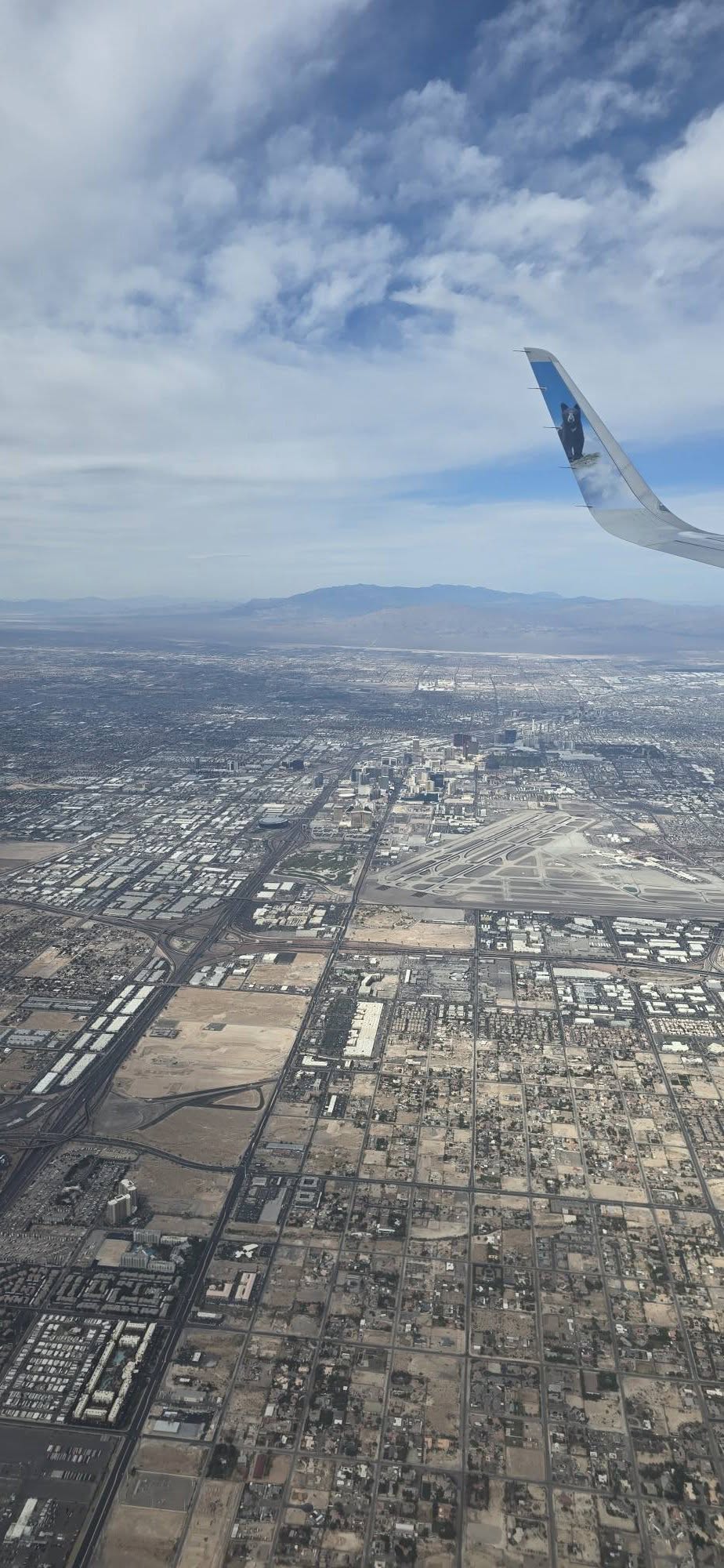
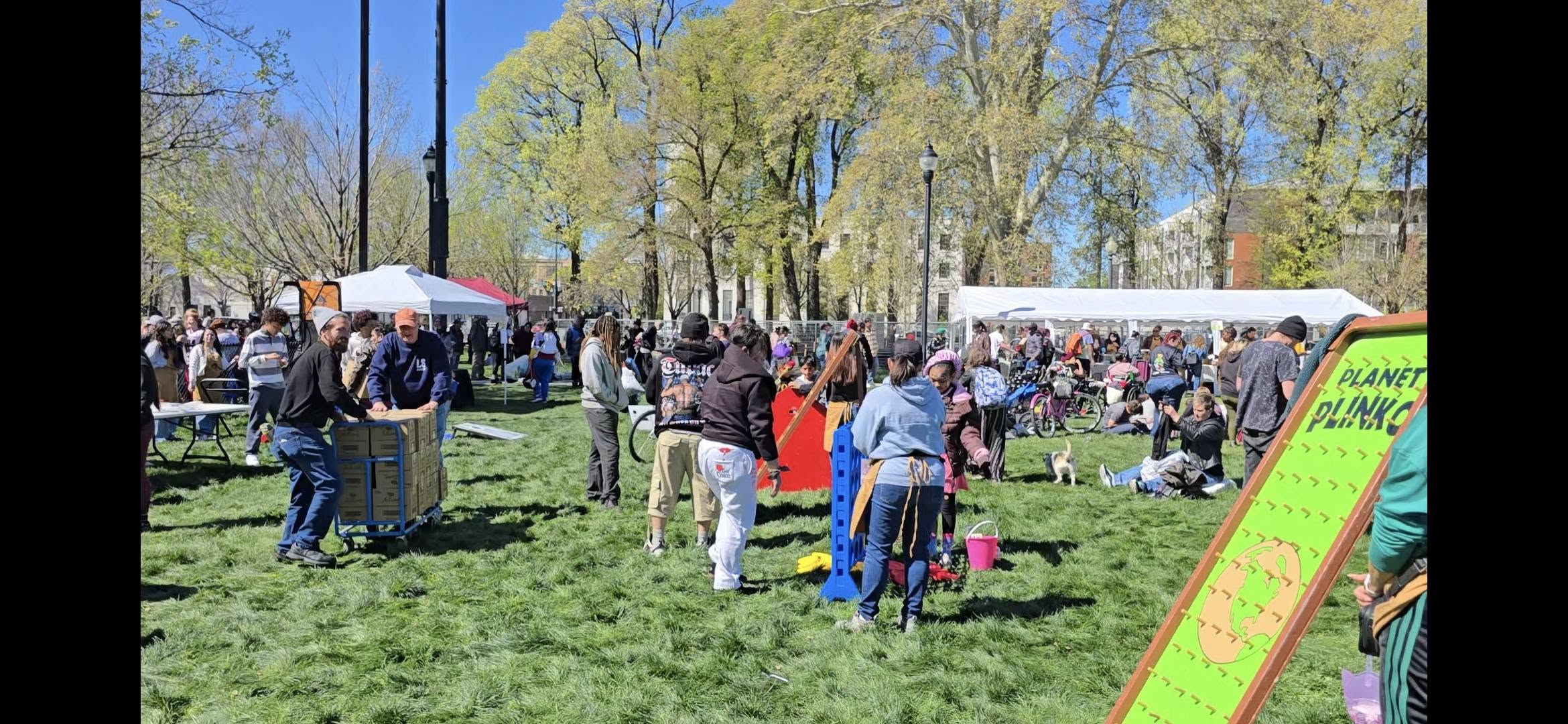
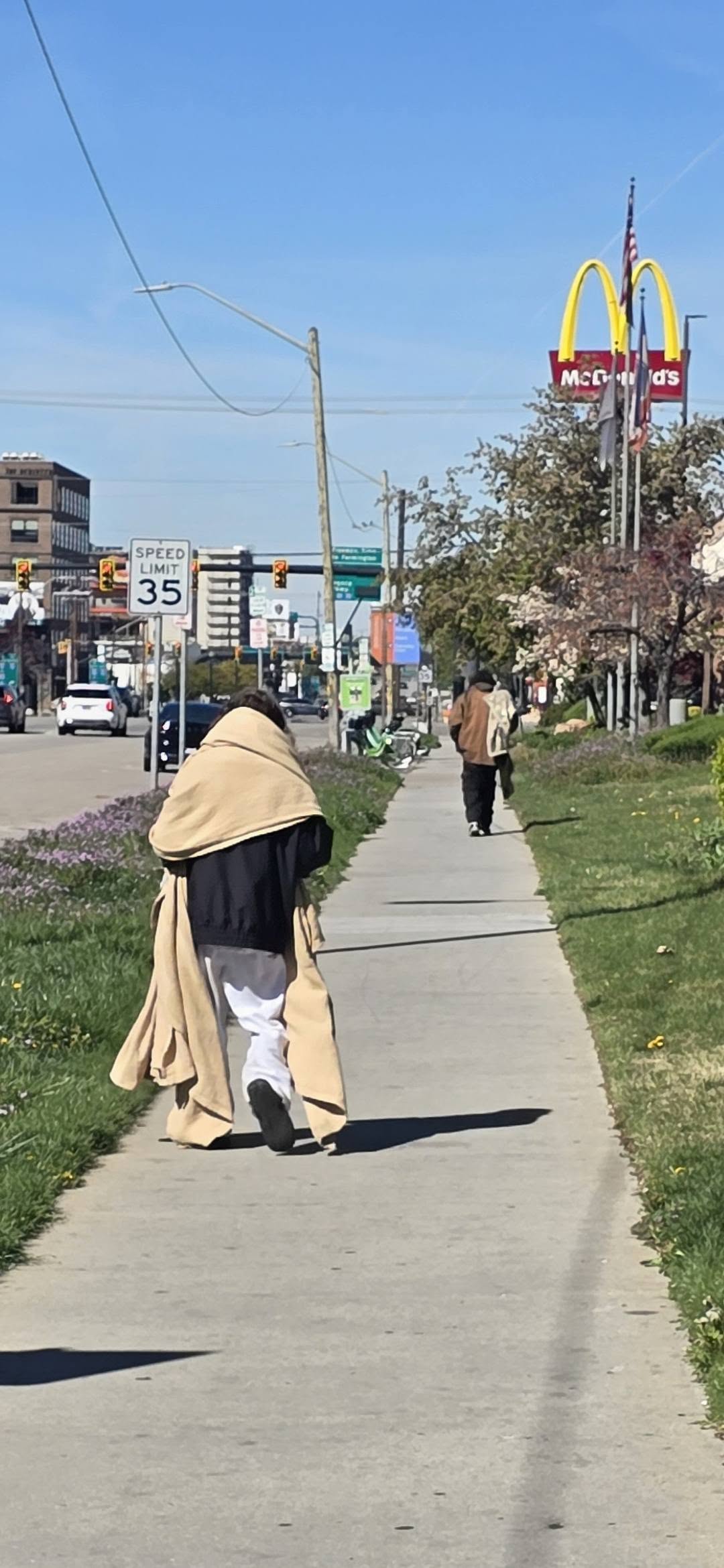
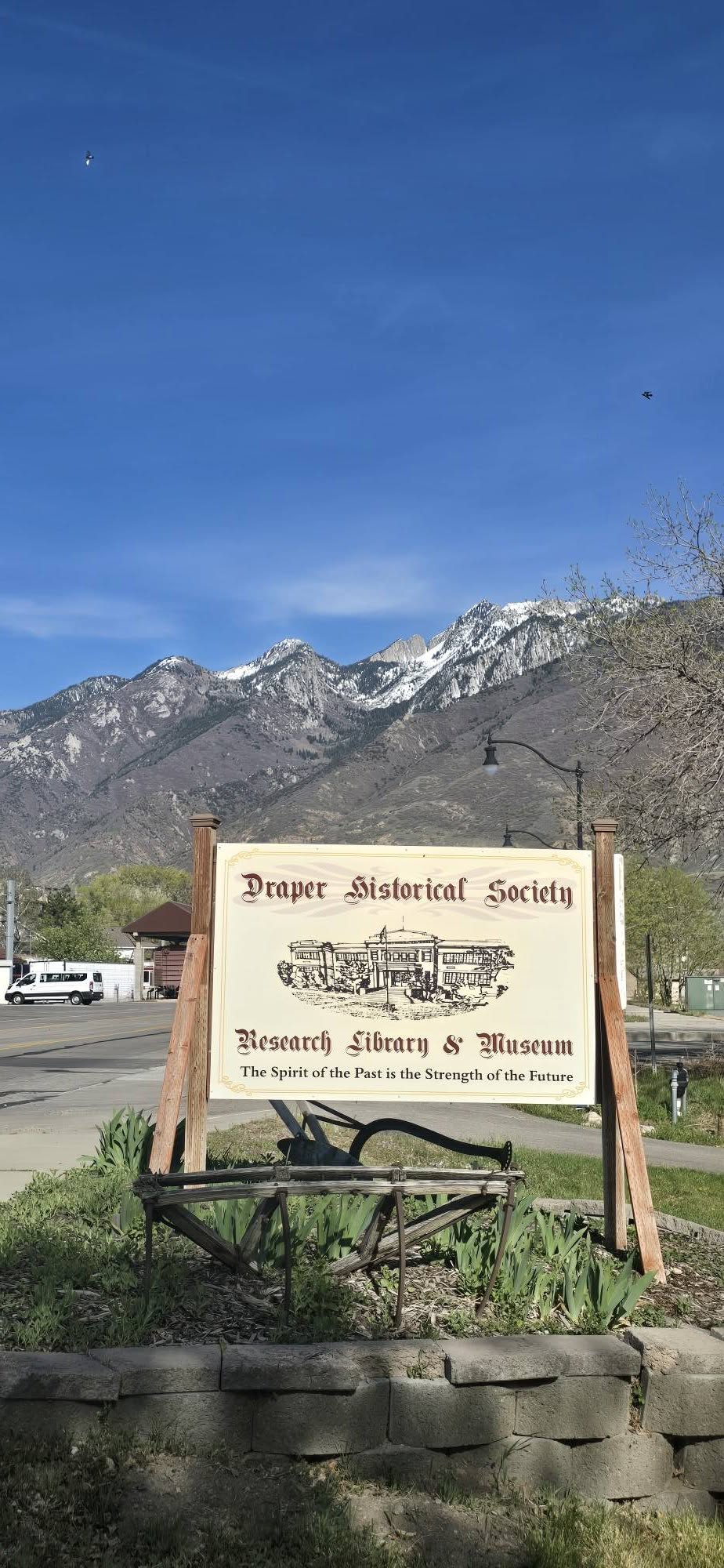
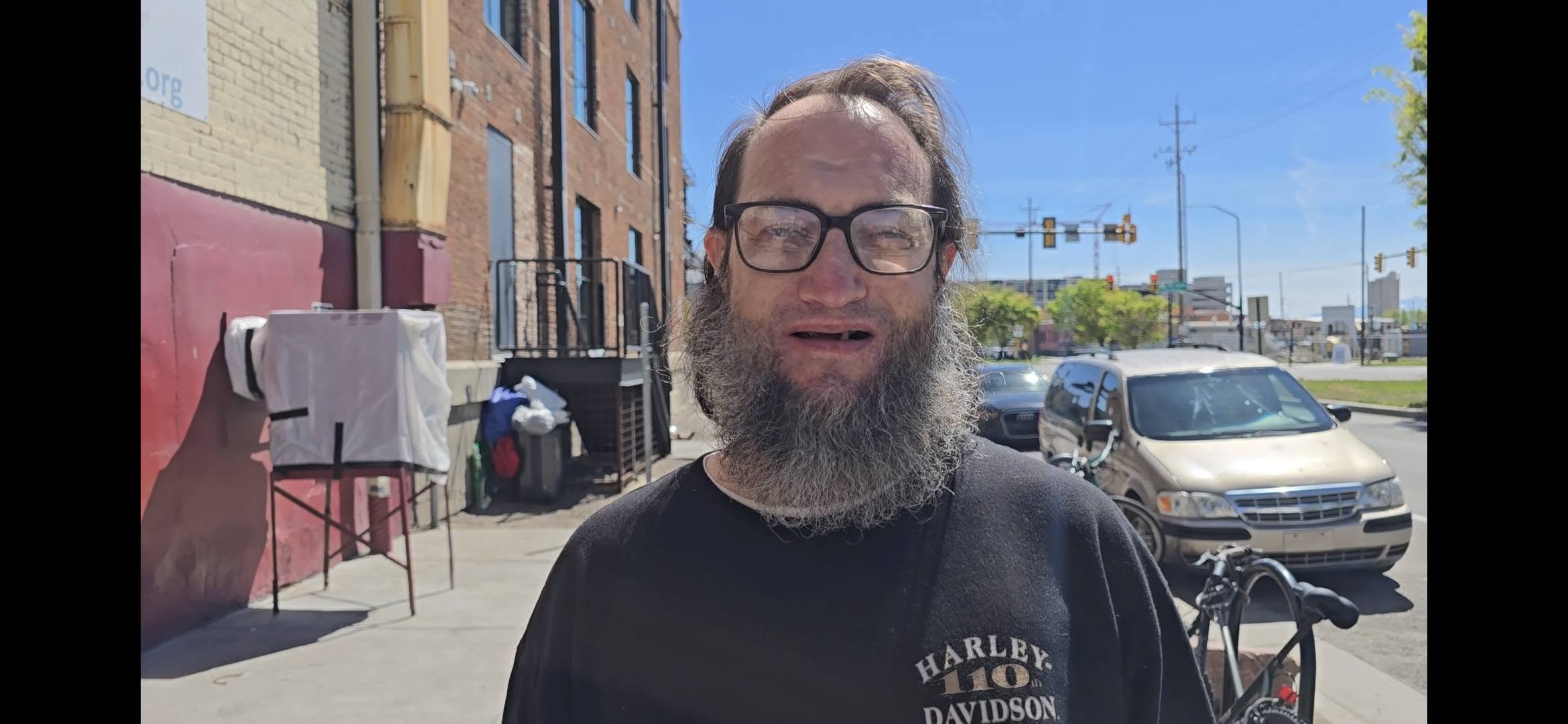
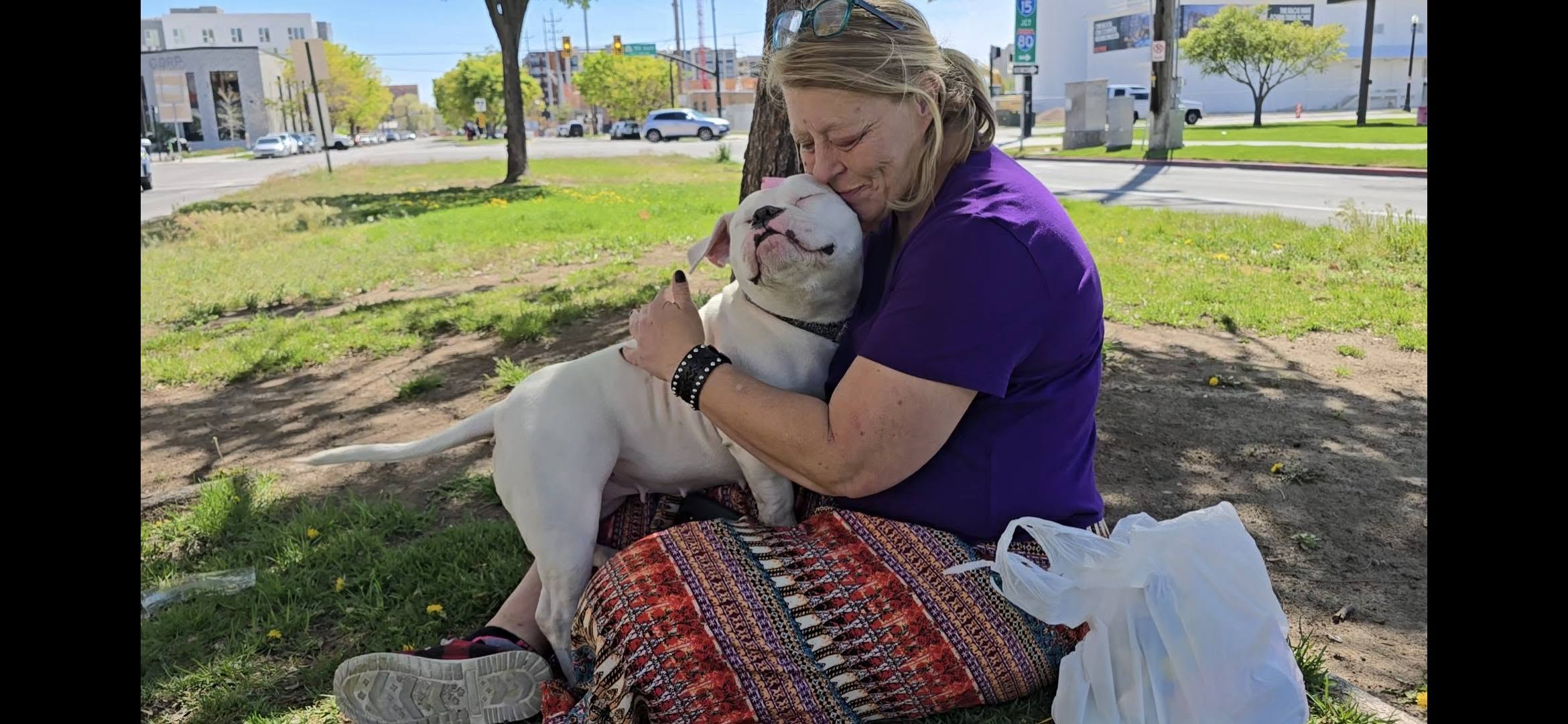
Next came Salt Lake City, Utah. Utah had counted 4,584 people experiencing homelessness on a single night in 2025, an increase of around eighteen percent from the previous year. Salt Lake County carried a significant share of that pressure. What stood out to me there wasn't danger in the same way I had experienced it in Los Angeles. It was the response.
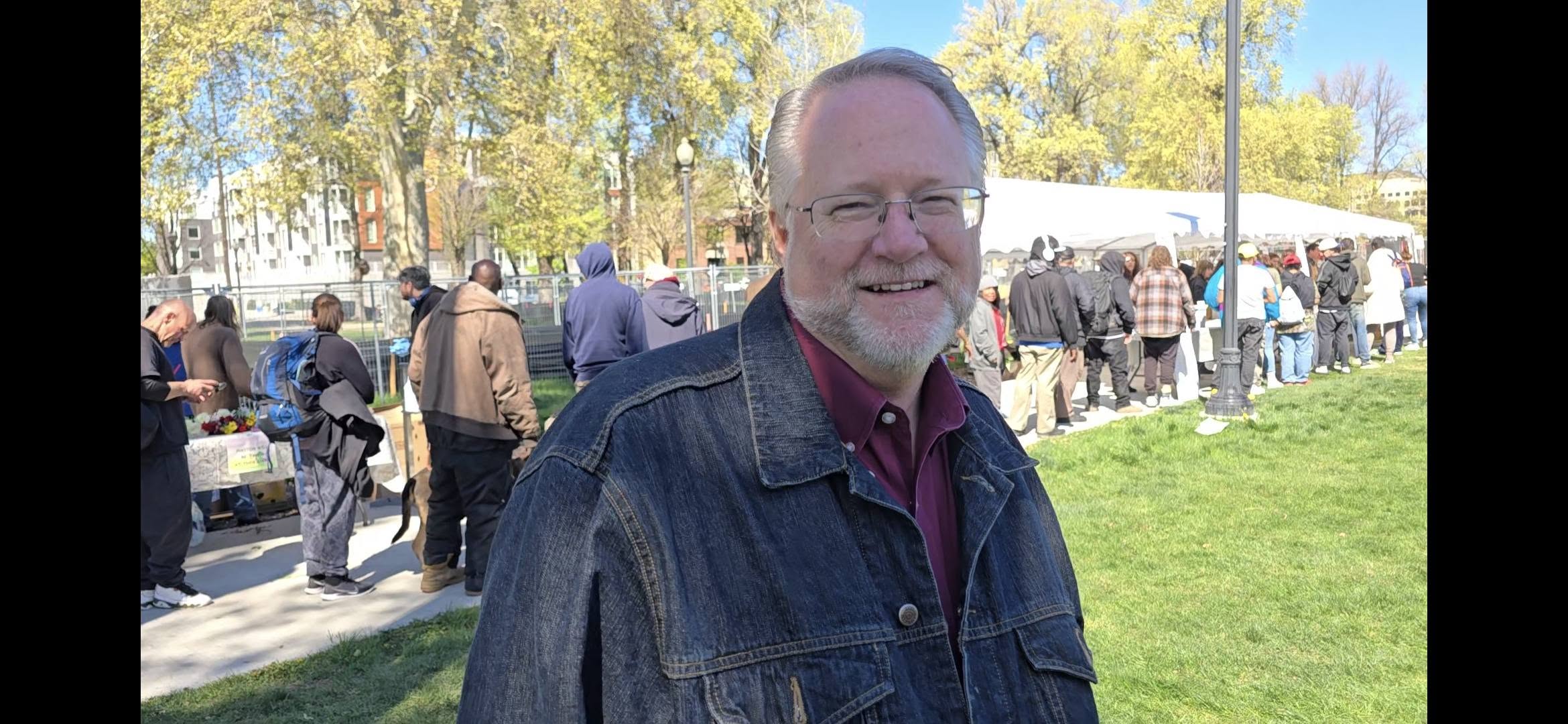
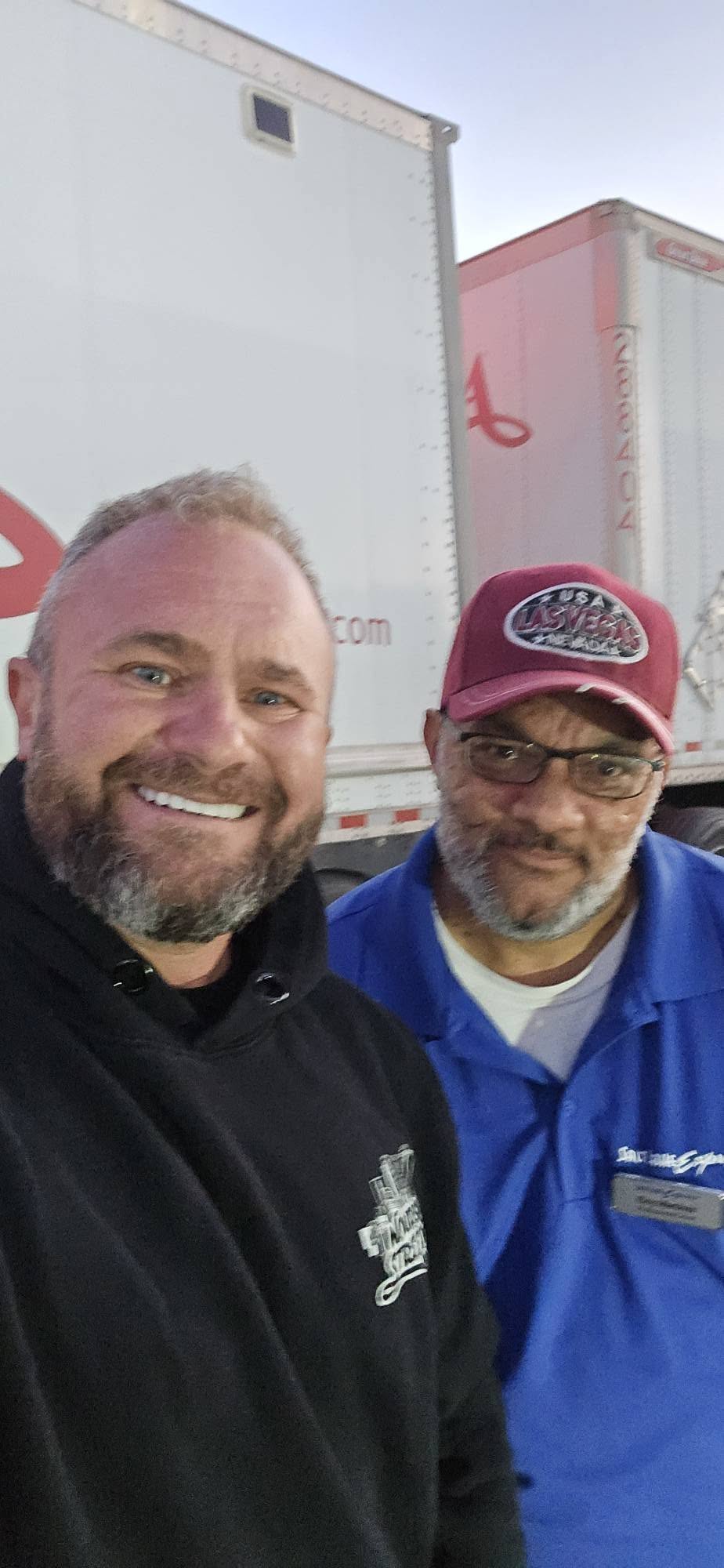
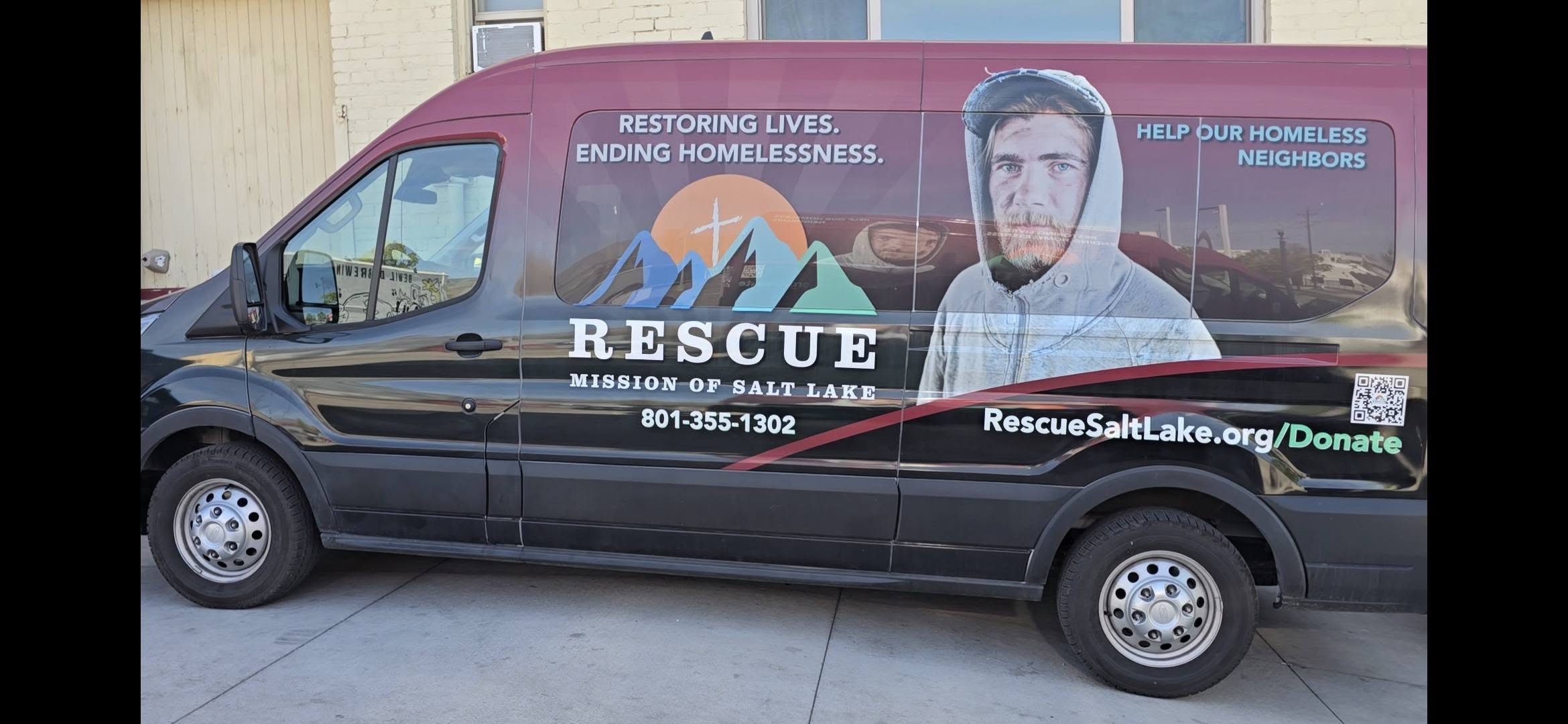
I met organisations working directly with people in need, including church based groups turning their beliefs into practical action. I toured a shelter and spent time looking at how services were delivered. I wasn't particularly interested in whether an organisation was religious, government funded, privately funded or grassroots. I cared about one thing. Did it actually help people?
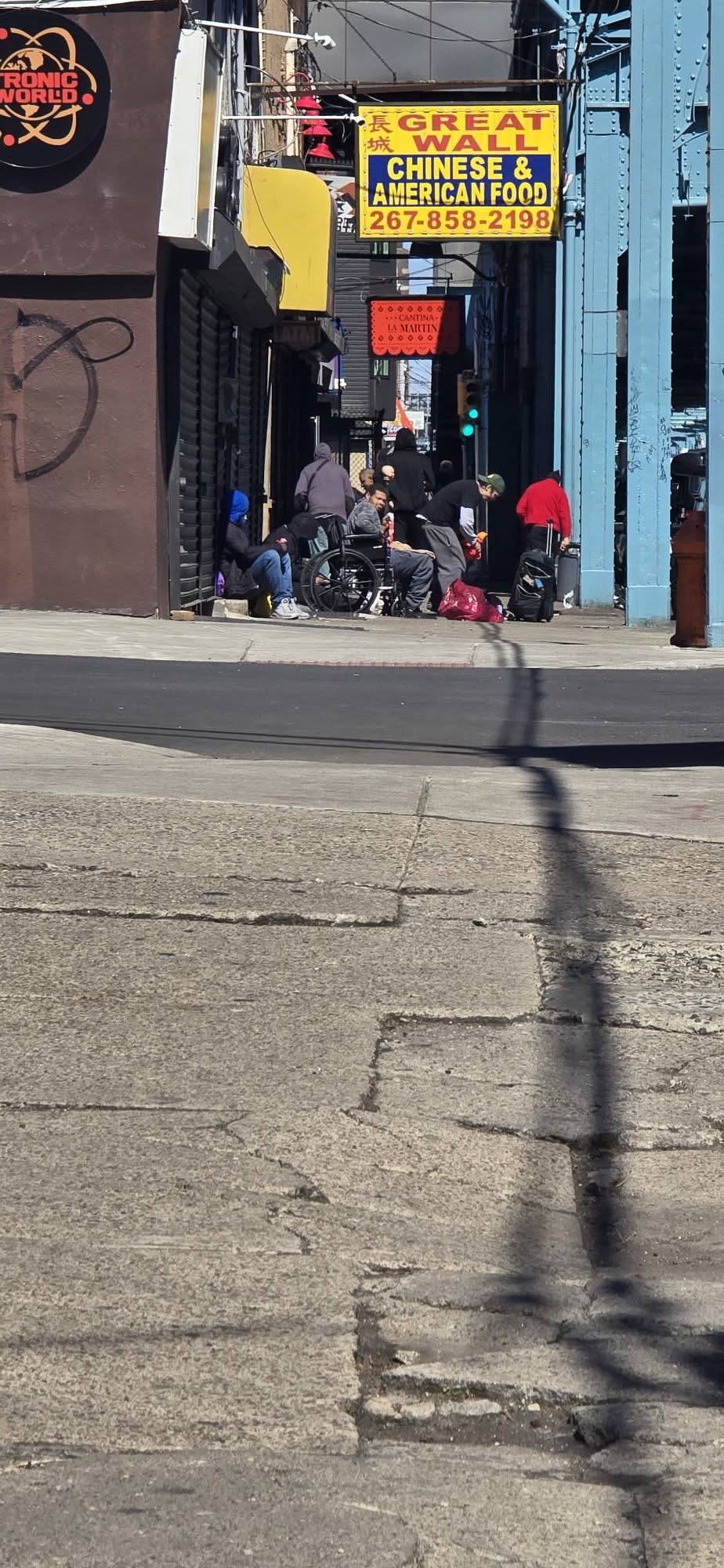
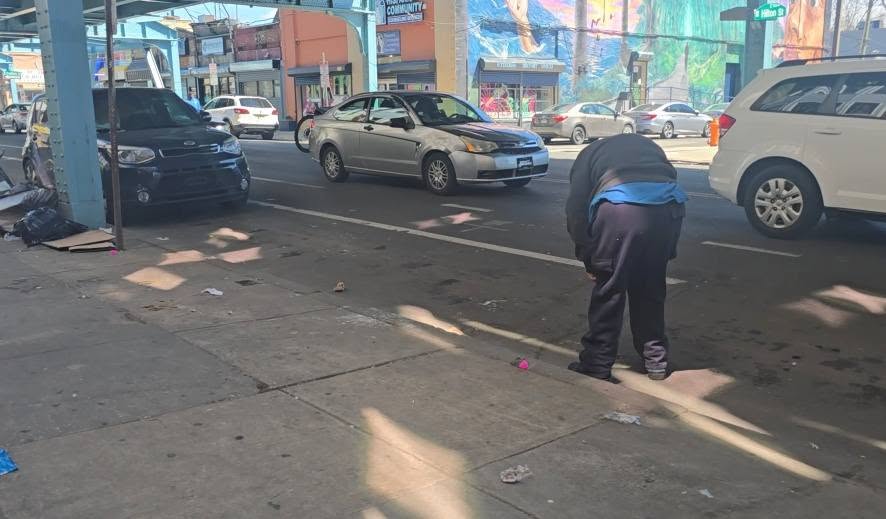
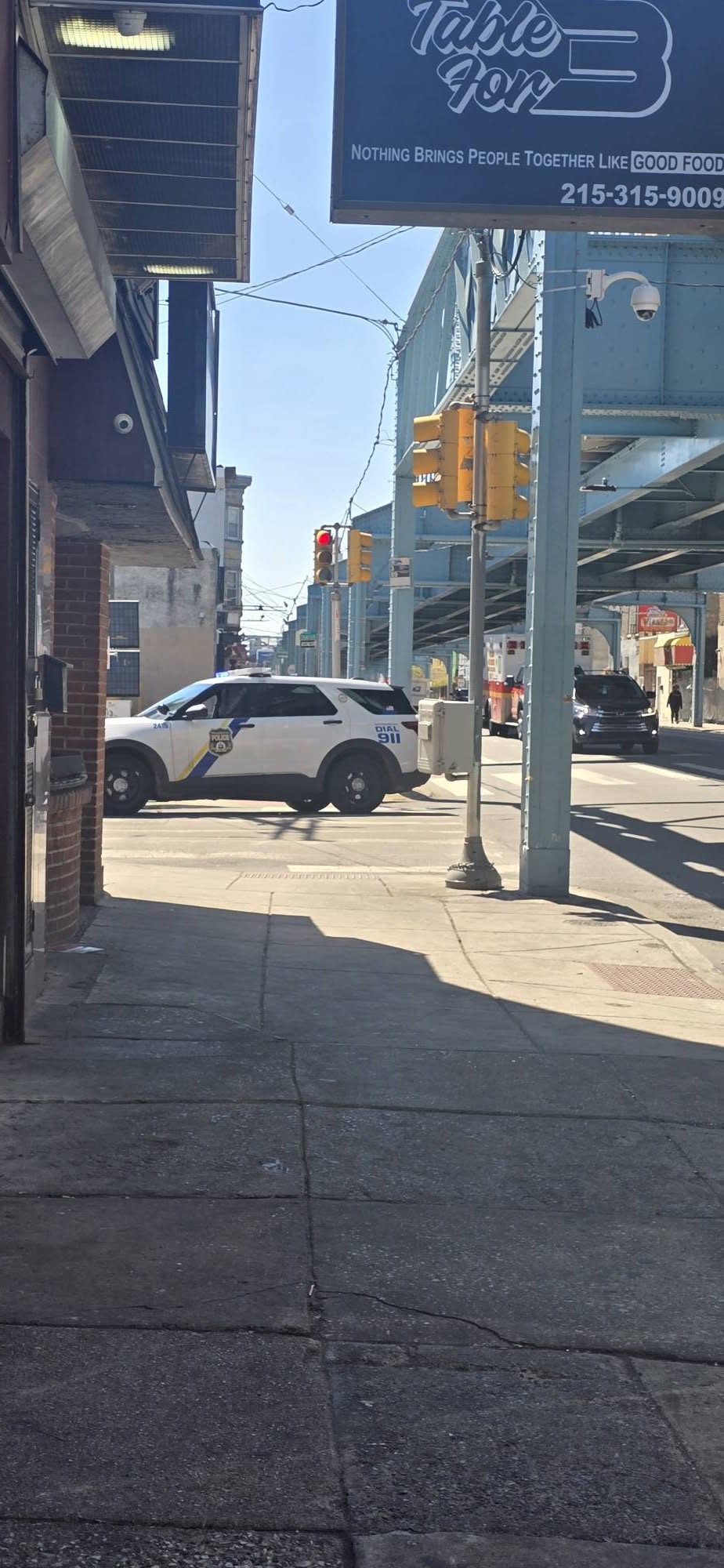
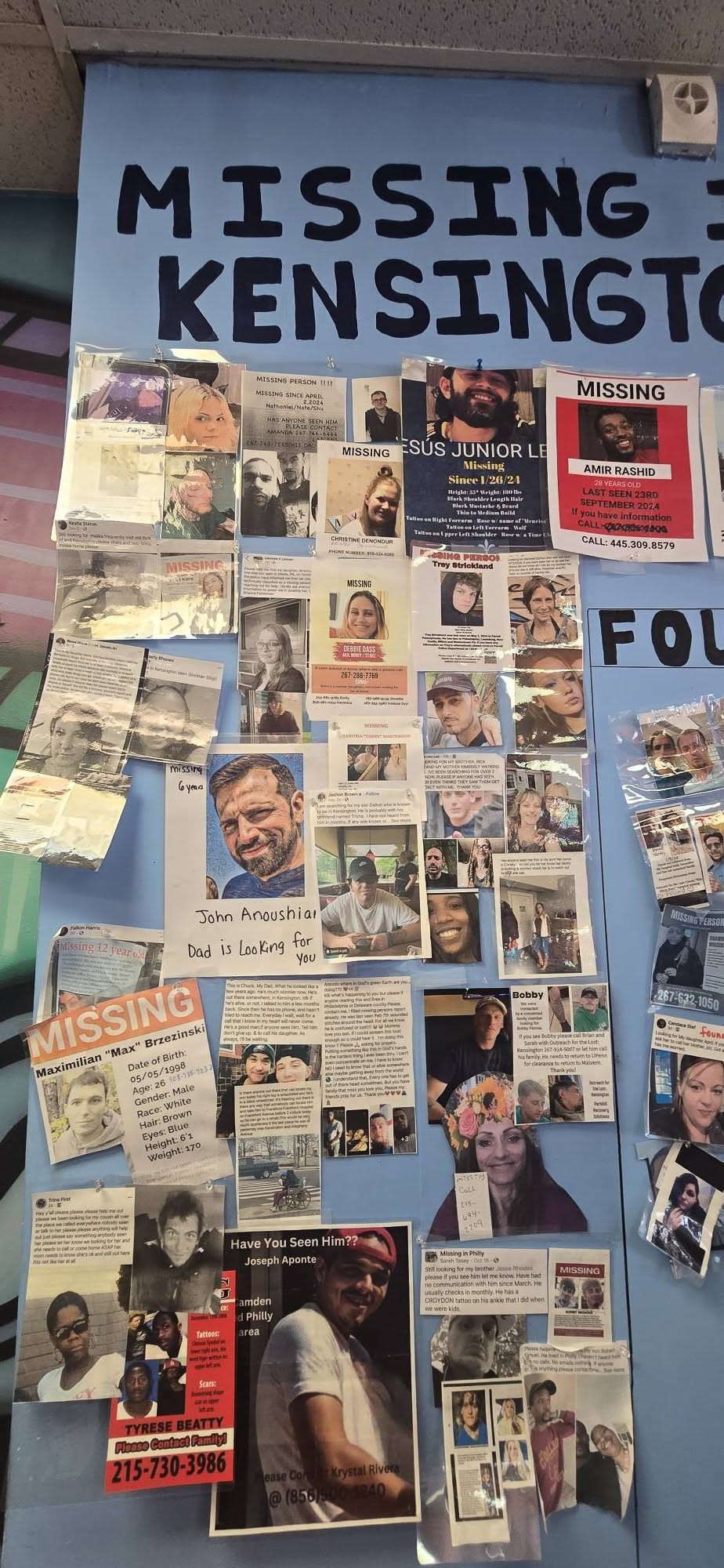
Then I travelled to Kensington in Philadelphia. Kensington confronted me in a completely different way. I witnessed addiction openly consuming people's lives. I saw overdoses and human suffering at a level that was difficult to comprehend. These weren't scenes from a documentary or images on a news report. They were happening in front of me.
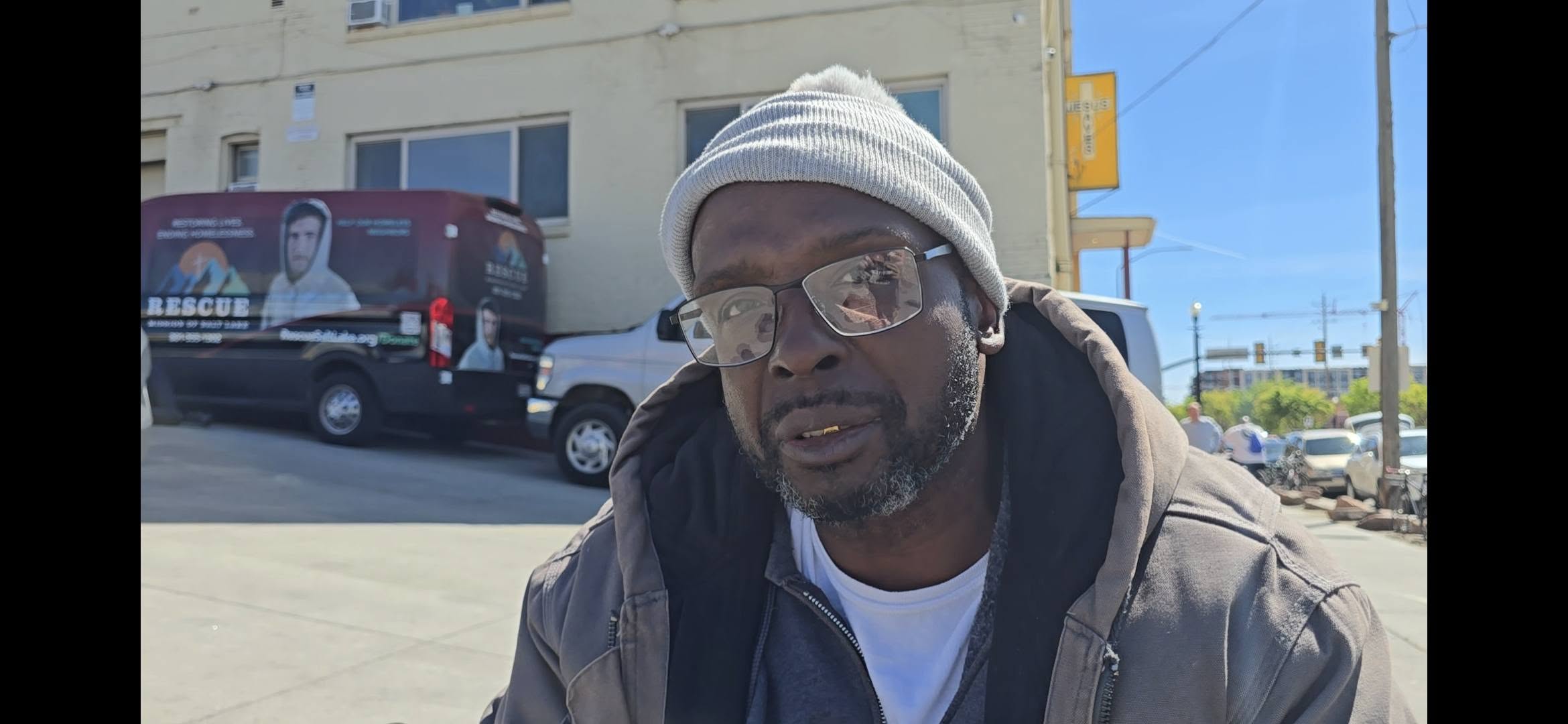
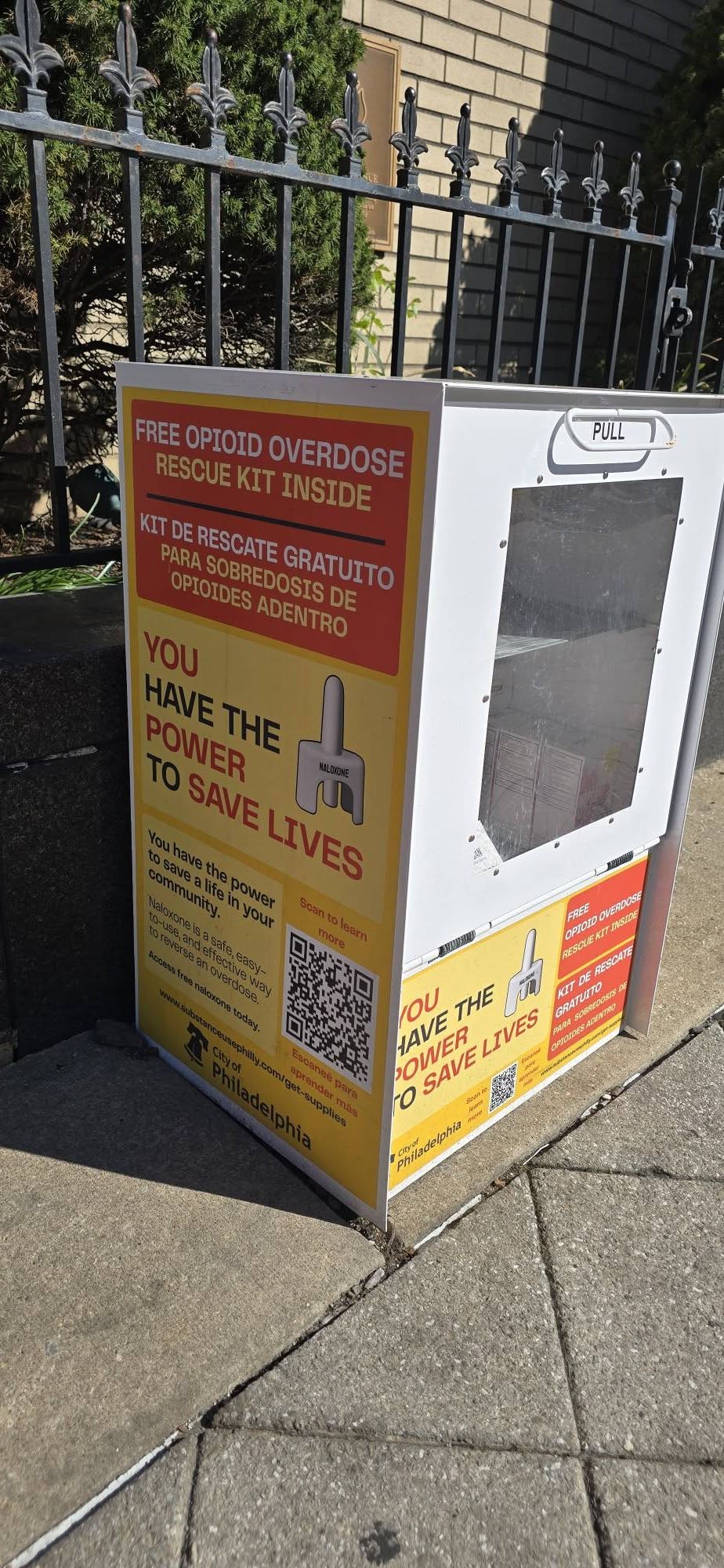
The statistics behind what I was witnessing were staggering. Philadelphia recorded more than one thousand fatal drug overdoses during 2024. The 19134 postcode, which includes part of Kensington, recorded 179 overdose deaths alone, the highest number of any postcode in Philadelphia. Fentanyl was involved in the overwhelming majority of opioid related overdose deaths across the city. Walking Kensington gave those numbers faces. People were using drugs openly. Others appeared barely conscious. Addiction, trauma, mental illness and poverty were playing out in full public view. It was difficult to comprehend how many lives were being consumed within such a concentrated area.
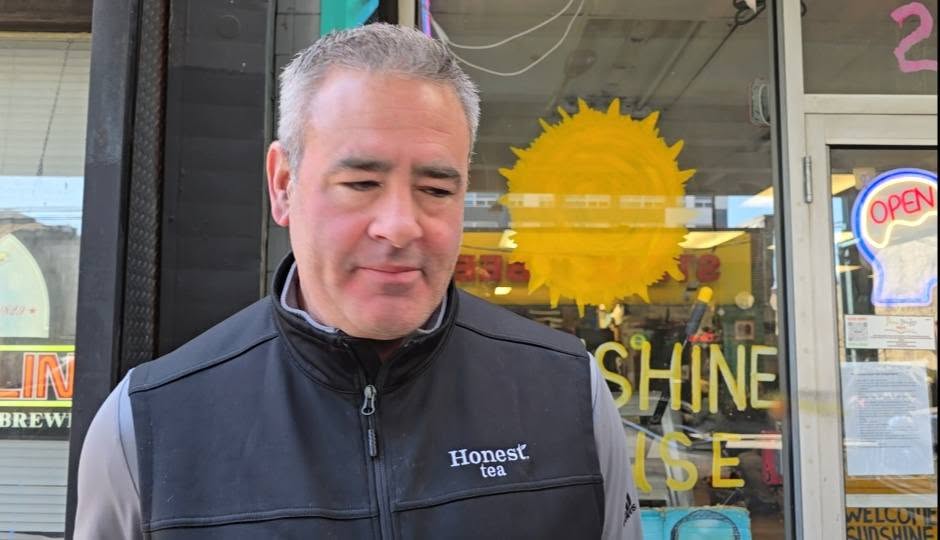
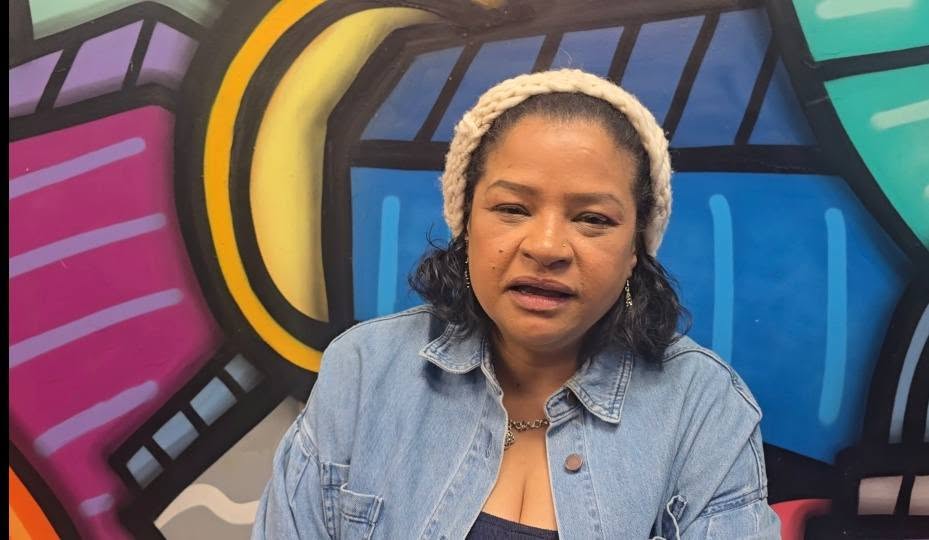
But Kensington also introduced me to someone I will never forget. Her name was Roz. Roz was involved with Sunshine House, and what I saw from her was compassion in action. In a place where it would have been easy to become numb to what was happening, she hadn't. She cared, she helped and she treated people with dignity.
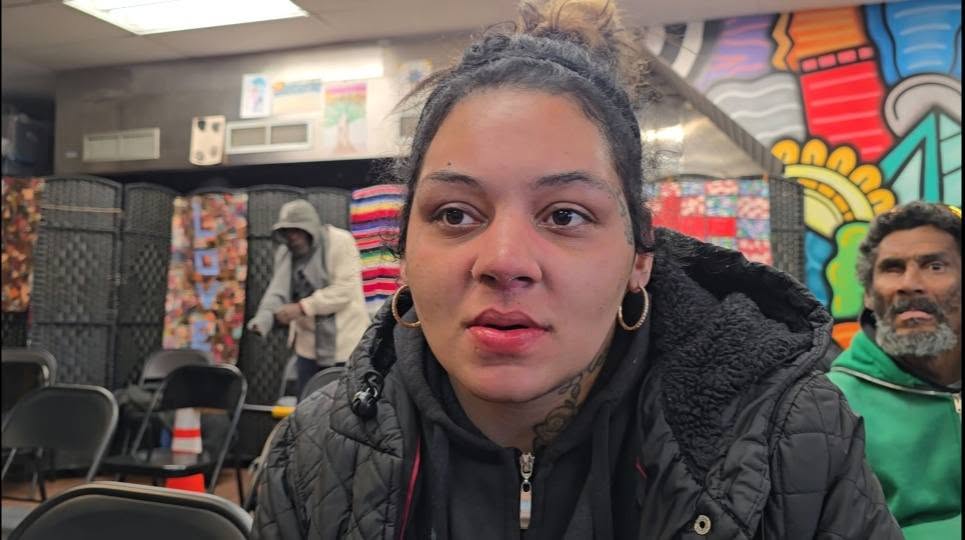
By then I was noticing something across every city I visited. The people making the greatest difference weren't necessarily those with the most authority or the biggest organisations behind them. Often they were the people prepared to turn up, build trust and help another human being without first demanding that person prove they deserved assistance.
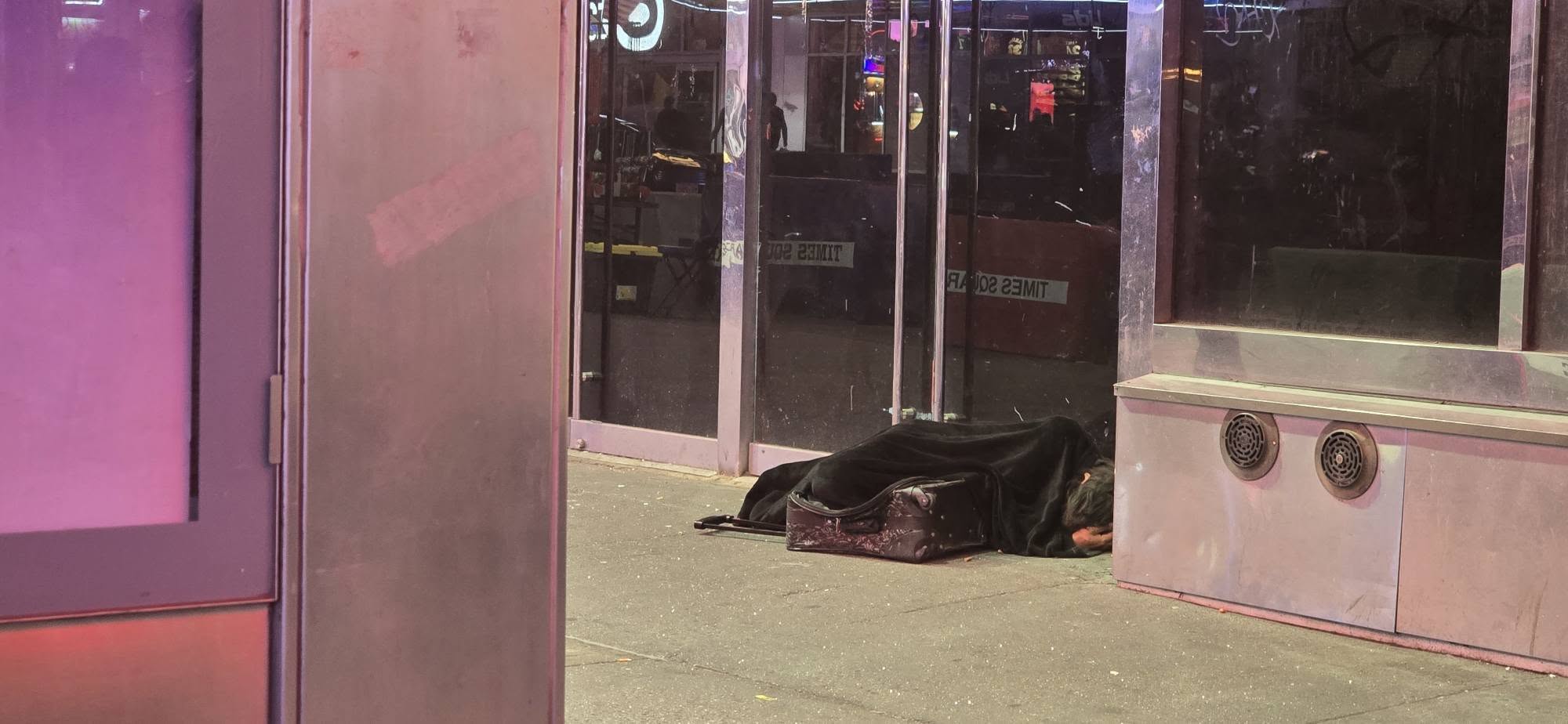
My final major stop was New York. New York was another enormous system altogether. During the 2025 financial year, more than 86,000 people were staying in the city's homeless shelter system on an average day, while thousands more were experiencing homelessness on the streets. The death toll showed just how serious the situation had become. During that same financial year, New York City recorded more than six hundred deaths among people identified as experiencing homelessness.
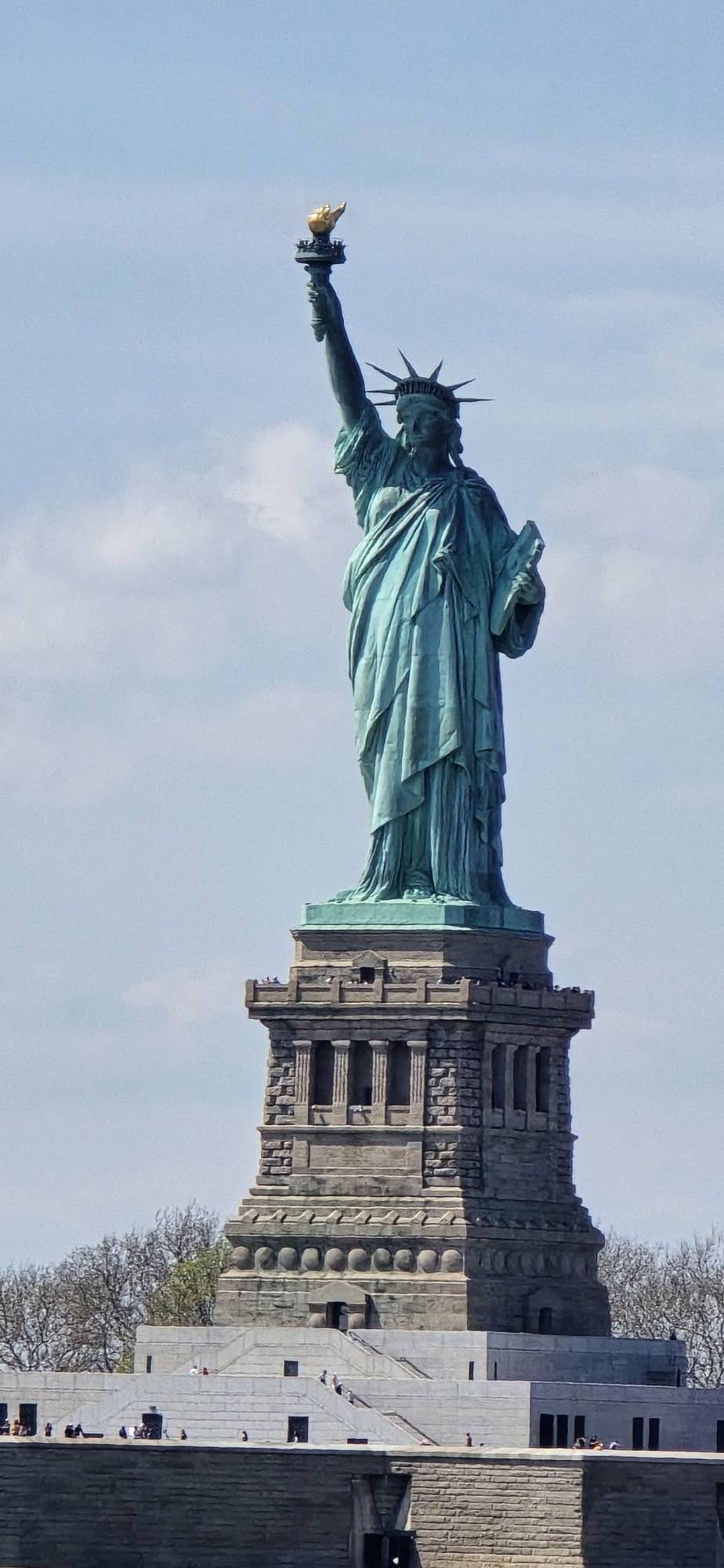
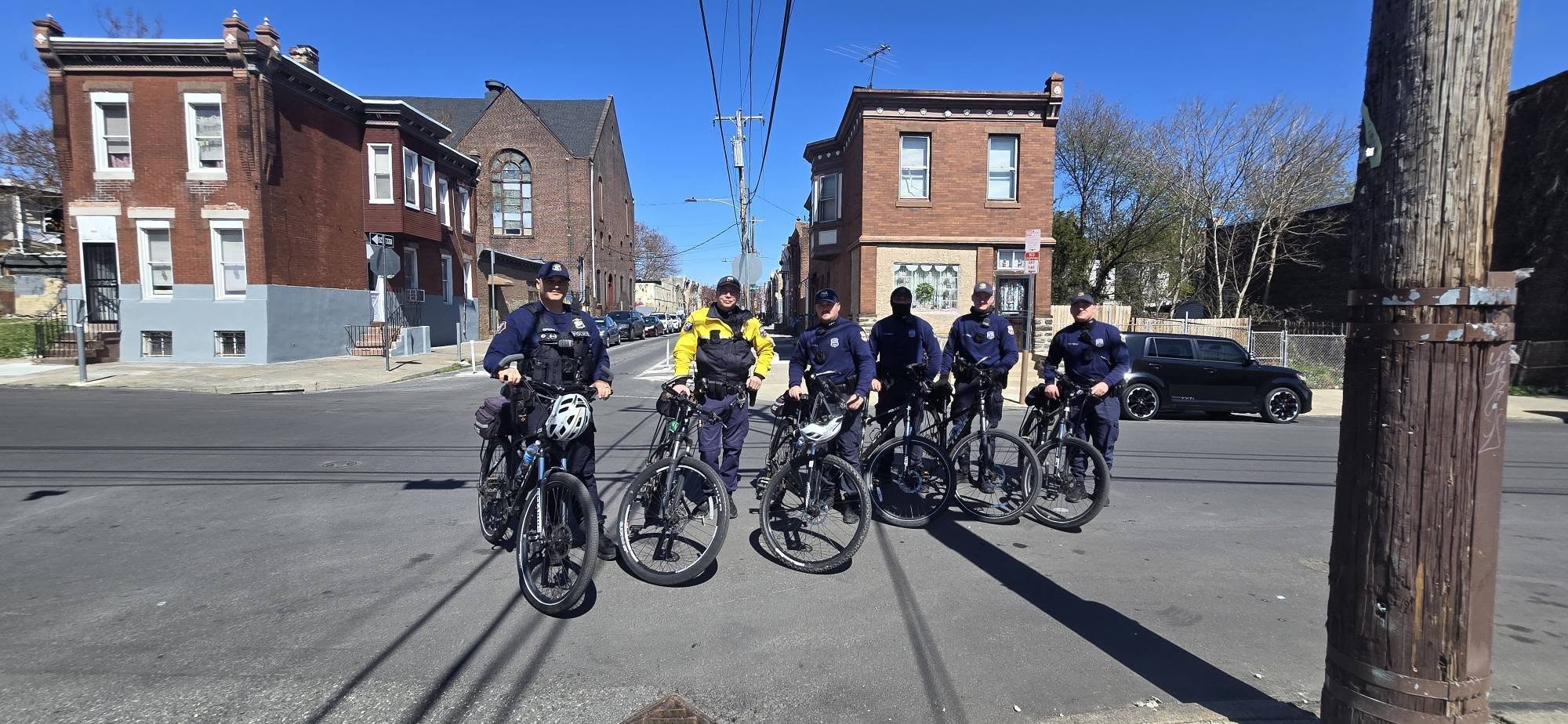
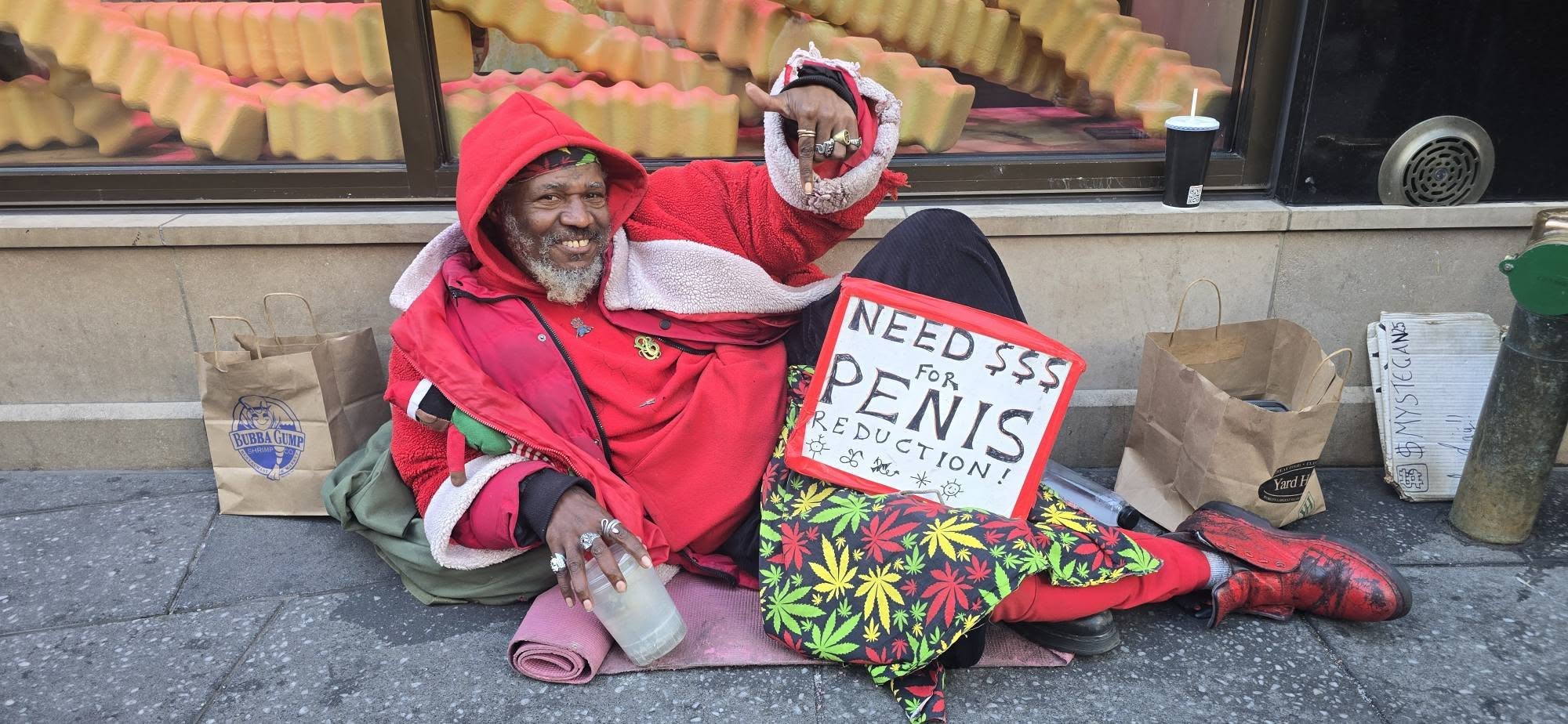
There I noticed police presence and enforcement around homelessness much more strongly. At the same time, I found grassroots organisations and ordinary people trying to help those caught within the system.
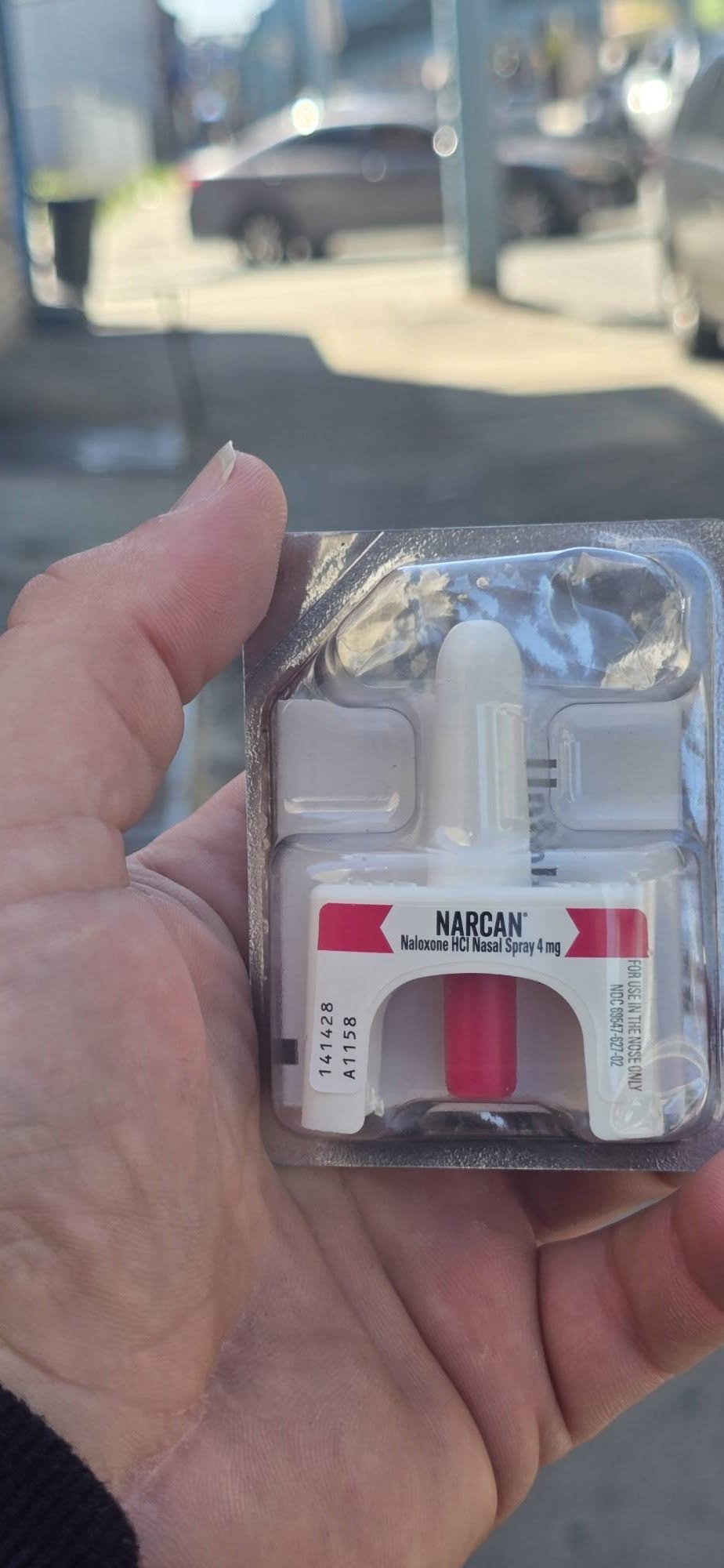
By the time I was preparing to come home, America had shown me things I never wanted to see become normal in Australia. I had witnessed poverty, addiction, overdose and homelessness on a scale that was difficult to comprehend. But I had also seen extraordinary compassion in places where it would have been easy for people to stop caring. Churches, volunteers, outreach organisations and ordinary community members were stepping into enormous gaps. They were feeding people, providing shelter, reversing overdoses, building relationships and treating people with dignity.
It strengthened something I already believed. Compassion over punitive policies. You cannot punish someone out of poverty. Moving somebody from one street to another doesn't give them a home. Taking away someone's belongings doesn't create somewhere safe for them to sleep. Treating addiction only as bad behaviour does nothing to address what is happening underneath it.
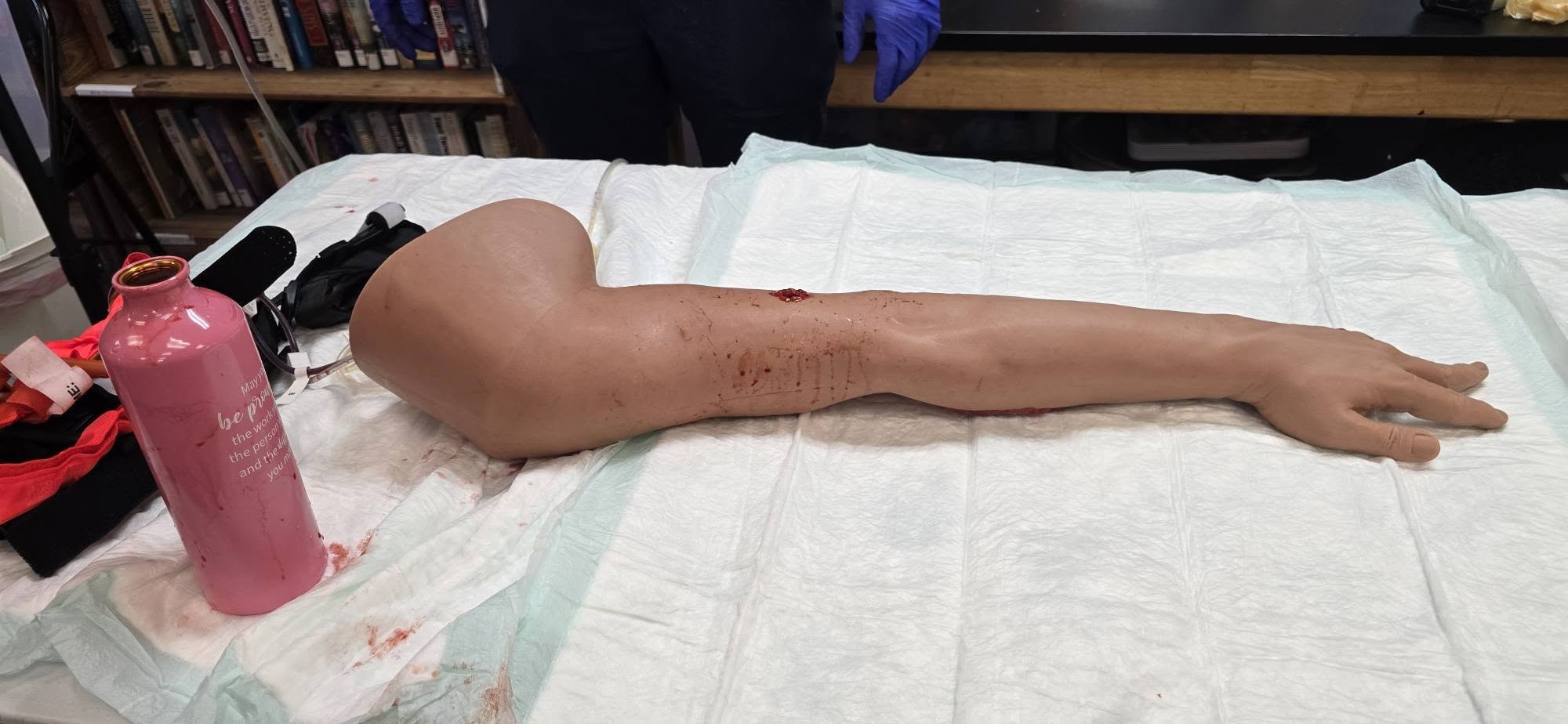
There was also something I had seen during my travels that I couldn't stop thinking about. Medical care being taken directly onto the streets ( wound walk) I hadn't travelled to America looking for a healthcare model. It wasn't the purpose of the trip. But when I saw medical professionals going directly to people who might otherwise struggle to access treatment, it made complete sense to me.
I thought about the people Nourish Street supported back home. People sleeping in tents, parks and public spaces who might have no transport, no phone, nowhere safe to leave their belongings or difficulty keeping appointments. Some could go months without dealing with a medical problem until it became serious. I remember thinking, why couldn't we take healthcare to them too?
For around the past year, Nourish Street has already been bringing qualified medical professionals out on our outreach vehicles. We have seen people receive wound care, medical assessments, basic treatment and referrals in the same places where we provide food and practical assistance. Now we want to take that further.
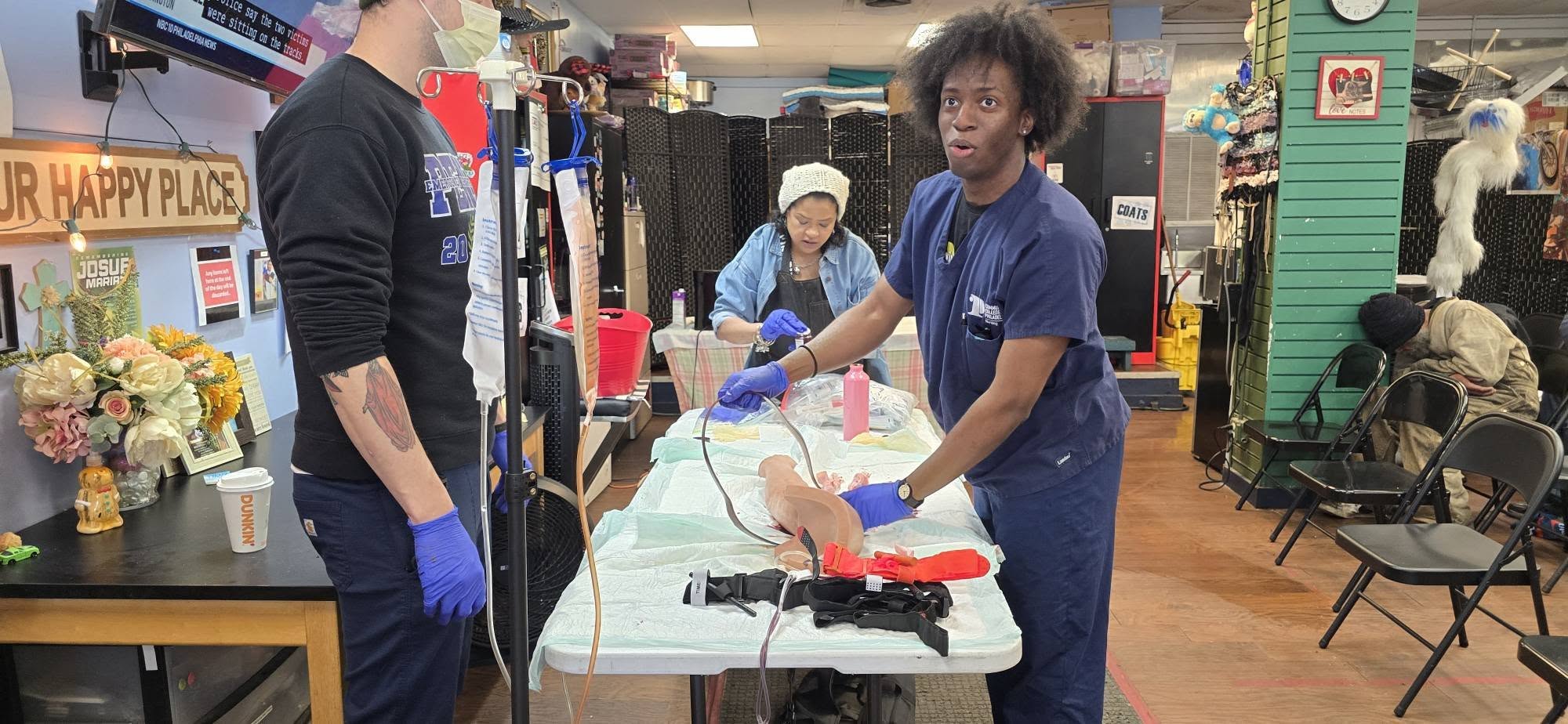
Nourish Street is currently raising funds and working through the legal, regulatory, governance and insurance requirements needed to establish a dedicated Nurse Practitioner led medical outreach van servicing Moreton Bay and Brisbane CBD. The purpose isn't to replace hospitals, GPs or existing health services. It is to bridge a gap.
A wound treated before it becomes badly infected may prevent someone ending up in hospital. A health concern identified earlier can be referred for further treatment. Someone disconnected from mainstream healthcare can be helped back into the system. Taking qualified healthcare directly to vulnerable people has the potential to improve outcomes while reducing avoidable pressure on already stretched emergency departments and other health services.
I travelled to America wanting to understand what was happening on some of its hardest streets. I saw things I hope Australia never allows to reach the same scale, and I met people whose compassion reminded me of the enormous difference ordinary human beings can make.
I came home with lessons I could never have learned from a report or documentary. And among them was an idea that could soon be driving through Moreton Bay and Brisbane, taking healthcare directly to people who need it most.