
NOURISH STREET
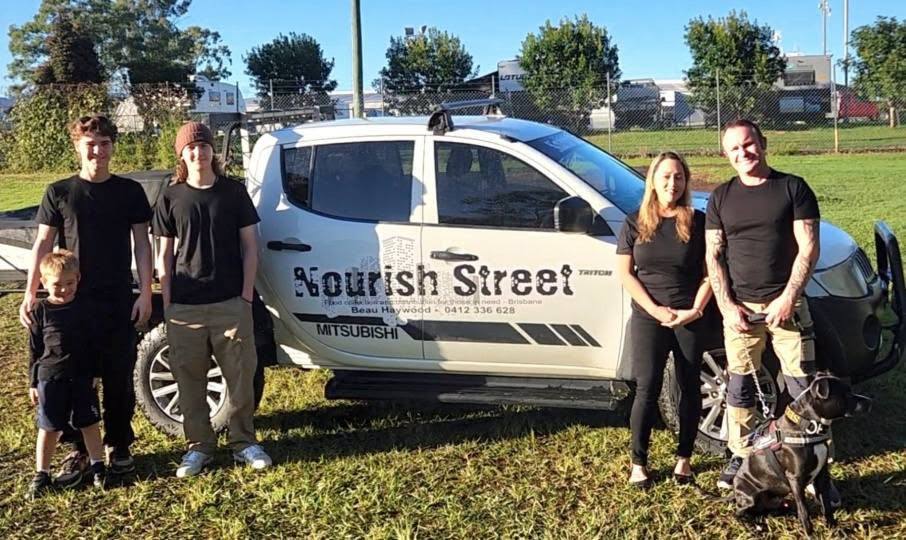
After that first food drop, I genuinely thought my little contribution was over. I had made up some hampers, delivered them to people who needed them and figured that would probably be the end of it. There was no plan behind what I was doing. I certainly wasn't thinking about starting an organisation. I was just trying to do something useful with what had been given to me.
But the food kept coming. Within a couple of weeks, I had enough to make up more hampers, so I packed them, loaded the ute and headed out again. One trip became another, and without really noticing when it happened, something I had intended as a one off had started to grow.
Then one day someone asked if we wanted a whole lot of sausages left over from a Bunnings sausage sizzle. I remember looking at them and thinking, what the hell are we going to do with all these sausages? Jenny knew exactly what to do. Her signature curried sausages with mashed potato. We bought potatoes, the other ingredients and takeaway containers, and she turned those leftover sausages into around 70 proper home cooked meals.
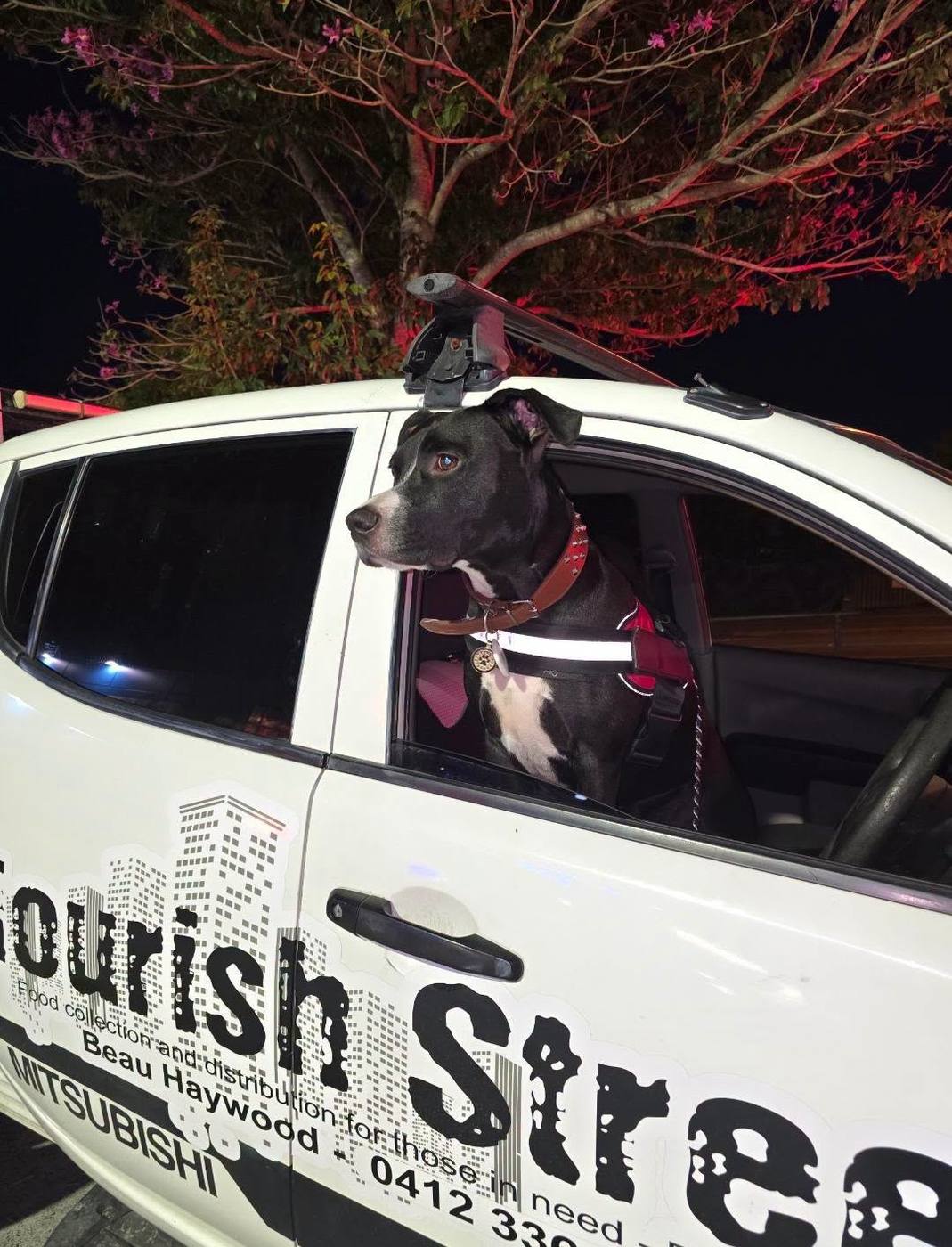
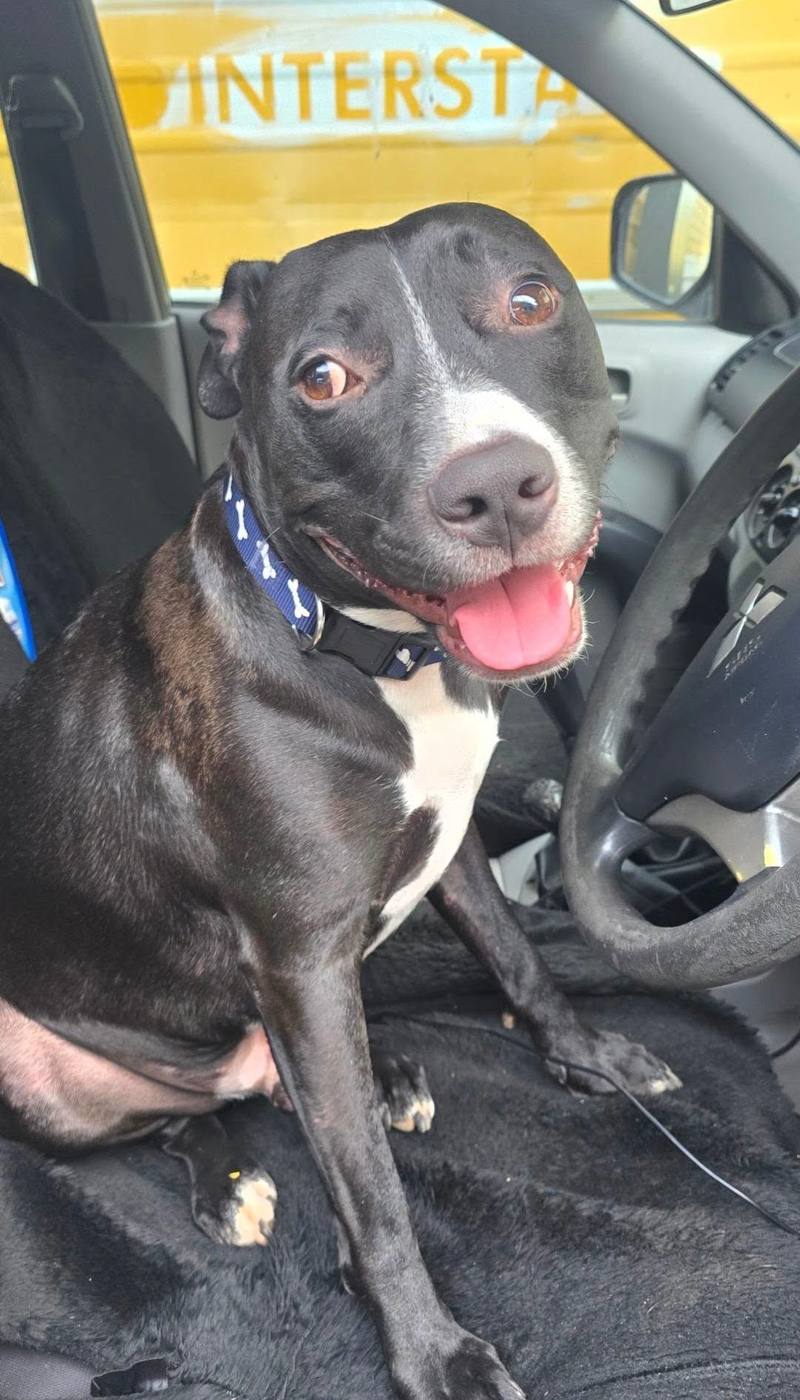
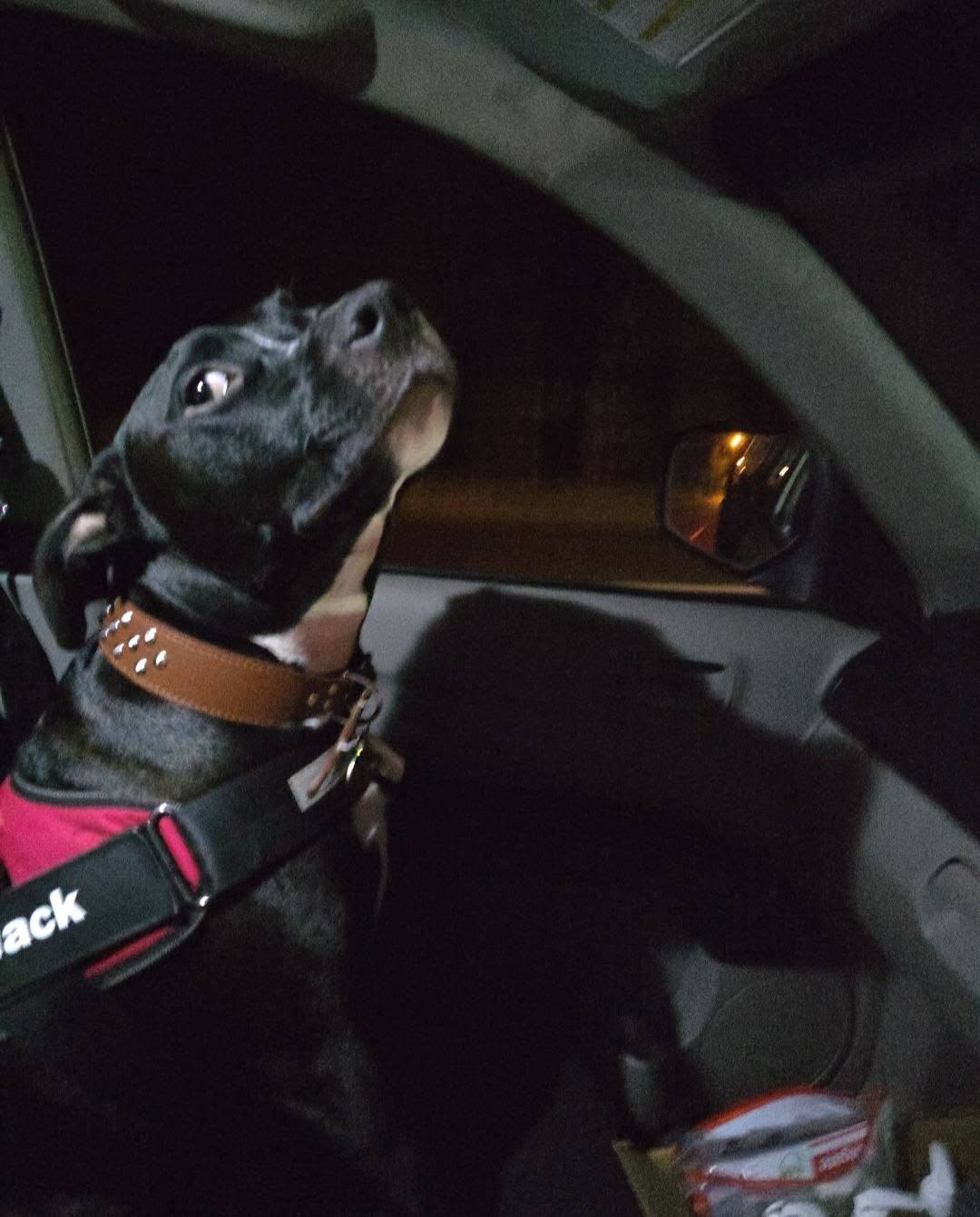
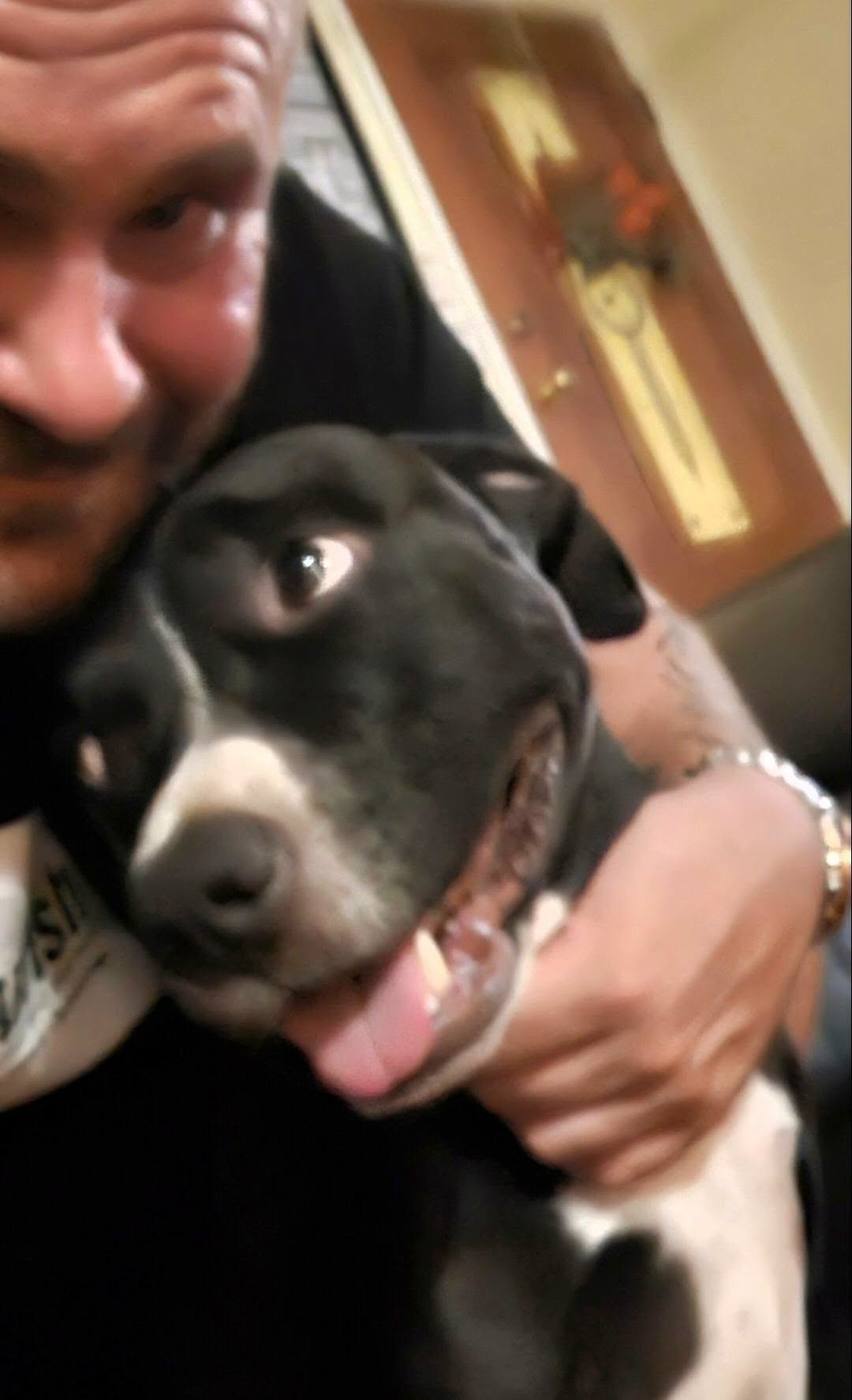
I loaded them into the ute and headed out with my constant companion, Mack, my Staffy. Mack went everywhere with me in those early days. We drove into camps and places that many people would probably have been nervous about entering, yet I never once experienced aggression directed towards me. People were generally kind and respectful. More than anything, they seemed grateful that somebody had bothered to stop.
Trust didn't come immediately. Some people were very guarded when I first approached them, and I soon understood why. Almost everyone had experienced judgement because they were homeless. I heard stories of verbal abuse, people yelling from passing cars and even objects being thrown at them. When somebody has been treated badly enough times, they learn to be cautious about the next stranger who walks towards them.
I never pushed. I just kept turning up.
Slowly, people began talking to me. I heard about broken relationships, financial hardship, family circumstances and the exhausting search for somewhere to live. Some conversations lasted a few minutes, while others went much longer. I began learning names and recognising faces. Behind every tent, tarp and park bench was a person with a story that couldn't be explained by the stereotypes so often attached to homelessness.
As I visited more people, I started noticing just how little some of them had. There were ripped tents that barely kept the weather out, tarps being used as shelter and people sleeping on park benches with virtually nothing. I couldn't give somebody a house, but perhaps I could at least give them something better to sleep in.
I put a post on Facebook asking for tents, sleeping bags and blankets. Before long, my garage started filling up. Then the rest of the house began losing the battle for space as well. Our family home was gradually turning into a storeroom for everything we were taking out each night.
At the same time, something extraordinary was happening in our little kitchen.
What started with those 70 serves of curried sausages grew until Jenny was cooking around 100 meals every single day. Around 700 meals a week were coming out of our small home kitchen, while she was still working full time.
Jenny never stops amazing me with the amount of love she has to give. I already knew the love she had for me, my son and our family, but now I was watching her extend that same compassion to complete strangers she had never met. Most of the people eating those meals didn't know who had cooked them, and Jenny didn't know who would receive them. She didn't need to. Knowing somebody was hungry was enough.
Much of what Jenny did happened quietly behind the scenes. She would finish her own working day and then stand in our kitchen preparing meal after meal. She didn't see the reaction when somebody opened a container of hot home cooked food or hear the thank you that followed. I did, and I knew exactly where every one of those meals had started.
While Jenny cooked, Mack and I delivered. Often my two eldest sons, Kane and Zion, came along to help. We were out seven nights a week, loading the ute and travelling between camps and other places where people were sleeping rough. Many nights I wouldn't walk back through our front door until around one in the morning.
Behind everything we were doing was a problem that was becoming impossible to ignore.
There was no funding.
When I finished rehab, I had around $20,000 in personal savings. It wasn't a fortune, but it was important to me. I had uncertainty around my future employment because of my wrists, responsibilities of my own and no great financial safety net behind me. That money was supposed to help provide some security while I worked out what came next.
Instead, I began spending it on what we were doing.
At first, the individual costs didn't seem enormous. Ingredients to turn whatever food we had into proper meals. Potatoes, vegetables and other groceries. Takeaway containers. Fuel for another night on the road. Basic supplies that somebody desperately needed. Each purchase seemed manageable on its own.
But 700 meals a week changes the maths very quickly. Add seven nights of fuel and all the other little expenses, and the money disappears faster than you expect.
I watched my savings shrink.
Twenty thousand became fifteen. Fifteen became ten. Then suddenly there wasn't much left.
I knew exactly what was happening every time I checked my bank account. The sensible thing would have been to put a limit on it, protect what I had left and tell myself I had already done enough. But by then I knew the people I was visiting. I knew their names, where they slept and some of what they were going through. It was much harder to make a financial decision when you knew the person affected by it.
So I kept paying until there was virtually nothing left.
That frightened me. I wasn't someone with another large bank account sitting somewhere. The roughly $20,000 I had after rehab was my personal safety net, and I had watched almost all of it disappear into food, containers, fuel and supplies.
Still, every night the ute went out.
A few local businesses helped ease some of the pressure. Several bakeries offered bread and leftover goods, with the legends at Bracken Ridge Bakery stepping up from the beginning. Their practical support made a genuine difference at a time when every dollar counted.
I also approached more churches than I care to remember. Many showed interest and offered encouraging words, but at that stage very little practical assistance followed. Given my religious upbringing, I found that difficult to reconcile with the biblical teachings I had heard throughout my childhood about feeding the hungry and caring for those in need. Standing in front of somebody who hadn't eaten gave those teachings a very different meaning. Hungry people didn't need promises. They needed dinner.
I continued documenting what we were doing on Facebook. It gave me a way to show people a side of homelessness they might otherwise never see. I wanted the wider community to look beyond the tents and understand that there were names, families, personalities and complicated lives behind them. It also allowed people to see what we were doing and why.
Somewhere amongst the cooking, the late nights, our disappearing garage space and Mack riding around beside me in the ute, we realised our little family initiative needed a name.
We called it Nourish Street.
It felt right. Food nourished the body, but I was learning there was another part to what we were doing. Sometimes the most important thing I could give somebody wasn't in the back of the ute. It was my time. A conversation. A chance for somebody to speak without being judged. To me, Nourish Street meant nourishing people on the street with food while nourishing the soul through human connection.
Then I saw the name written across my ute for the first time.
Signarama at Brendale had seen my Facebook posts and generously offered to do the sign writing. Seeing Nourish Street on the vehicle was surreal. What had begun with a few food hampers now had a name people could recognise.
Unfortunately, by the time it had a name, I had almost nothing left to fund it.
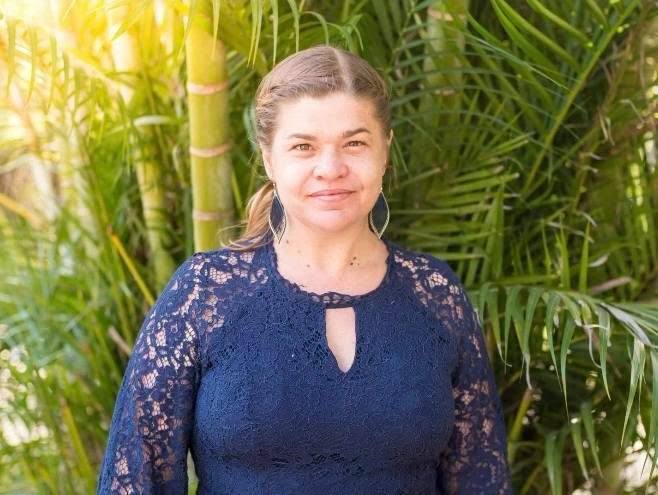
That was when a woman named Kel approached me. She told me she loved what I was doing and asked how she could help. I told her exactly where things stood. I was reaching the point where I might have to stop. My personal savings had been drained down to virtually nothing, and regardless of how much I wanted to continue, there was a financial reality I couldn't ignore.
Kel listened and suggested something I had thought about before: turning Nourish Street into a registered charity.
The idea wasn't new to me, but I had never been able to get my head around how to actually do it. I didn't have the knowledge, the time or, if I'm truthful, even the mental capacity to process everything involved. I was already stretched trying to keep the day to day operation moving. The thought of constitutions, committees, registrations, regulations and paperwork felt completely beyond me.
Kel helped me understand that it didn't have to remain just an idea. Becoming a registered charity could give us a legitimate way to raise funds, provide transparency and accountability, and allow what we had started to continue without relying on whatever happened to be left in my personal bank account.
Her timing couldn't have been better.
I had reached the limit of what one family could personally carry.
Only a short time earlier, Nourish Street hadn't even existed. There had been no organisation, no office, no funding and no long term plan. There was Jenny cooking in our little kitchen, my boys helping when they could, Mack riding beside me and an old ute heading out into the night.
We had started with what we had.
Now what I had was virtually gone.
But something had grown from it that I wasn't prepared to walk away from.
Nourish Street.
If it was going to keep going, it was time to find out whether this little family initiative could become something that could stand on its own.
Kel remains the secretary of Nourish Street Inc today. 😀
Thankyou for everything you have done, and continue to do!