
REHAB
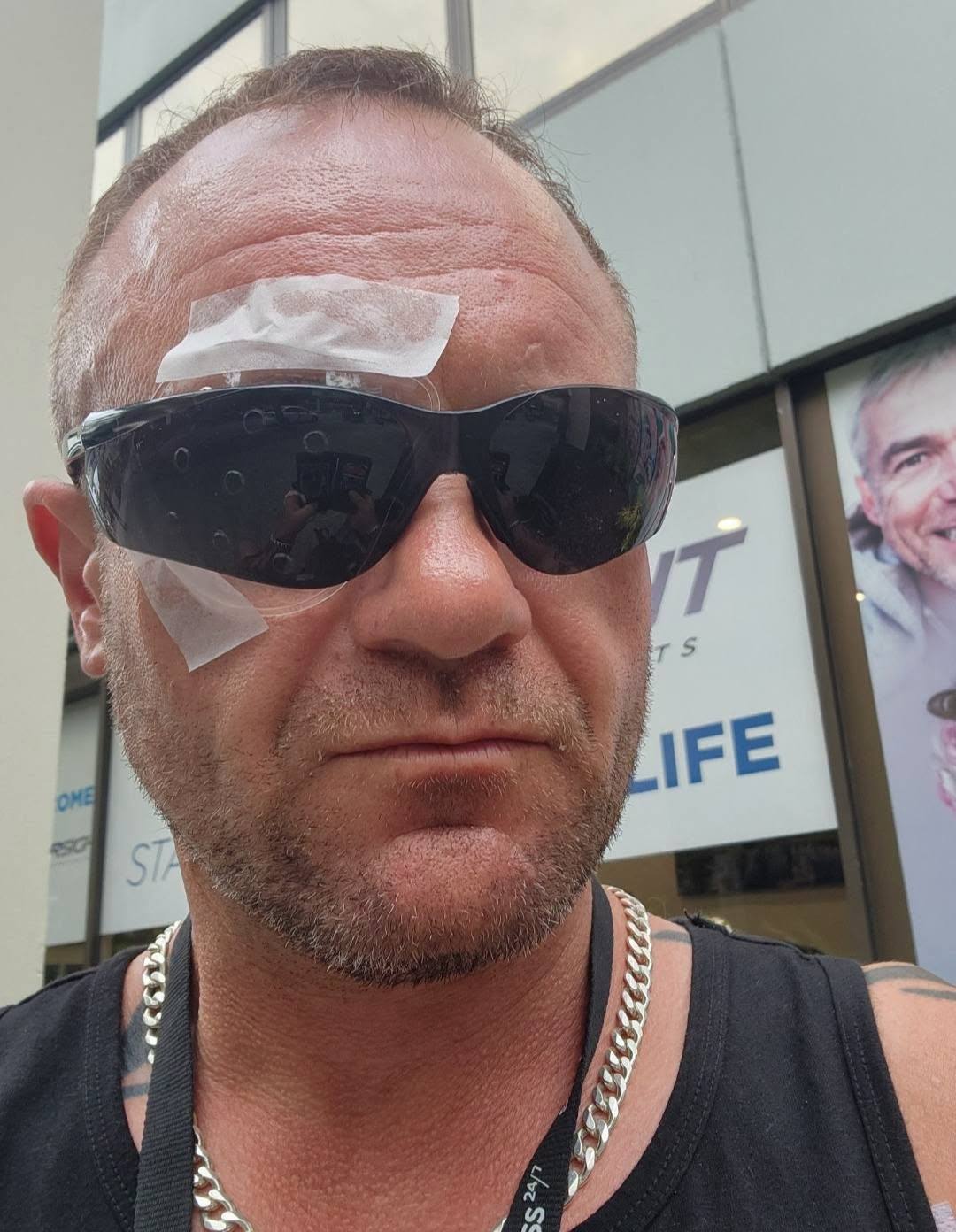
Entering rehab was a scary experience for me. For years, I had carried a completely false idea of what a rehabilitation centre actually was. In my head, rehab was something like a prison. I imagined locked doors, high fences, no freedom and almost no connection with the outside world. I pictured a place full of dangerous people experiencing psychosis, with staff constantly watching your every move.
Looking back, I am not really sure where that image came from. Maybe television, stories I had heard over the years, or perhaps it was something I had convinced myself of because believing rehab was a terrible place gave me another excuse not to go.
I could not have been more wrong.
After weeks of calling Moonyah, trying to get in and practically begging for a place, the day finally arrived. Here I was. After everything that had happened in the months leading up to it, I knew I couldn't continue living the way I had been living. I needed help, and this time I was prepared to accept it.
Walking through those doors was still frightening. I had spent roughly twenty five years using m#thamphet#mine. Chaos had become normal to me. Even when I hated the life I was living, at least I understood it. Rehab was unfamiliar territory, and I had no idea whether I was capable of succeeding.
Instead of the cold, institutional reception I had imagined, I was warmly welcomed by the staff and the other residents. Nobody treated me like a criminal or a failure. I was another person whose addiction had become unmanageable and who had finally arrived somewhere prepared to help.
Integration into the program was gradual. You weren't thrown into everything on your first day and expected to immediately understand how it all worked. There were rules, of course, with expectations around behaviour, participation and respect for other people.
Part of the routine involved spending around an hour each day helping with jobs around the facility. They weren't enormous tasks, but after homelessness and years of addiction, having somewhere to be and something expected of me helped restore a sense of purpose that had disappeared from my life.
The rehabilitation program involved several classes throughout the day. We learned about addiction, behaviours, triggers, relapse prevention and the things happening underneath substance use. The people at Moonyah were there for many different reasons. Some were struggling with alcohol, others with m#thamph#tamine or other dr#gs, and there were people dealing with different forms of substance dependence. Our stories and substances might have been different, but addiction was the common ground.
Recovery wasn't presented as just removing drugs or alcohol from your body and hoping everything would sort itself out. Getting a substance out of your system was only part of it. You had to understand what drove your a#diction, recognise your triggers and develop tools for dealing with life when you eventually returned to the outside world.
For me, that also meant confronting things from my past that I had spent years burying. Trauma, grief, anger, guilt, shame and experiences I had never properly dealt with had followed me through much of my adult life. M#thamph#tamine had become an incredibly effective way of avoiding some of those feelings, until the thing I was using to escape my problems became the biggest problem of all.
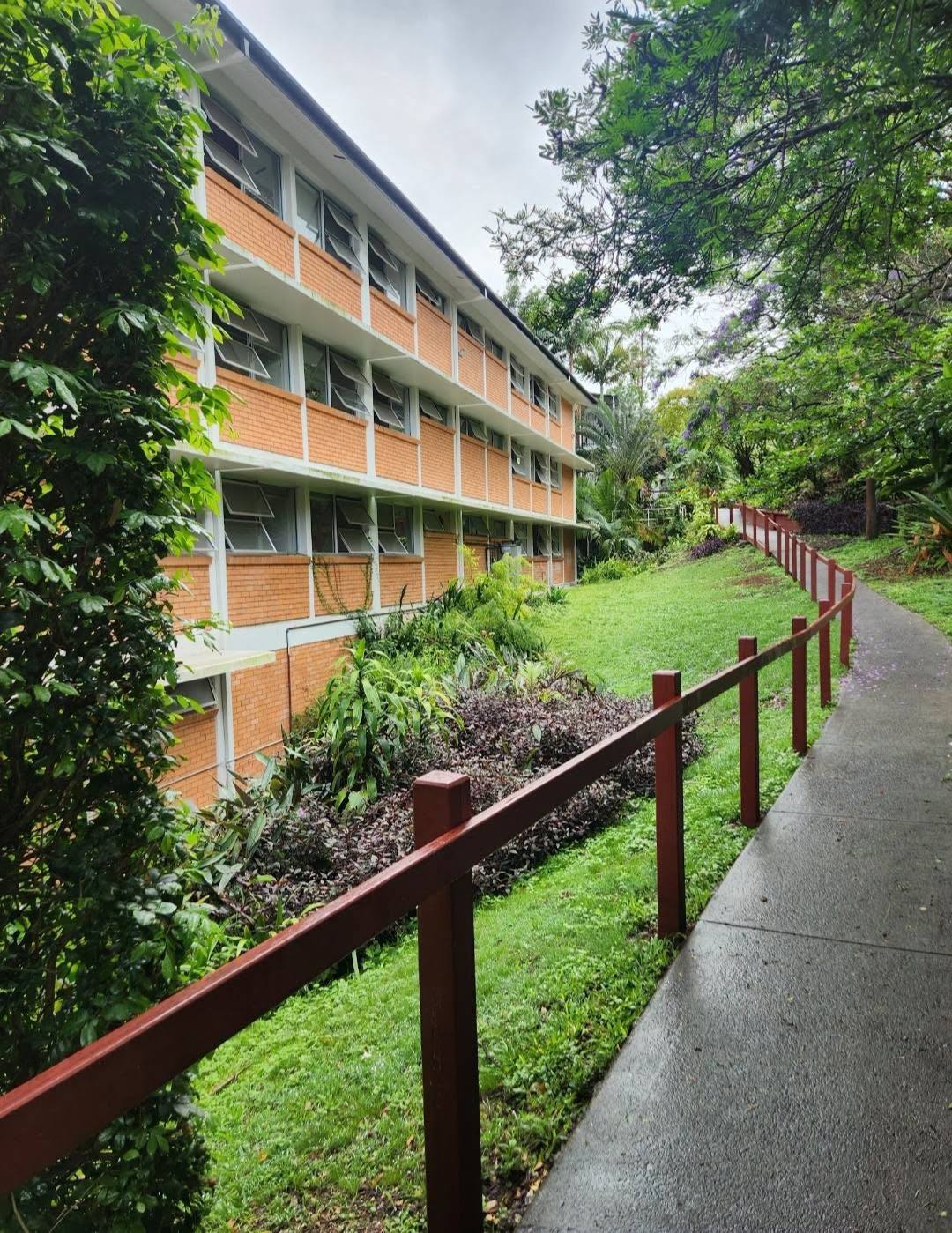
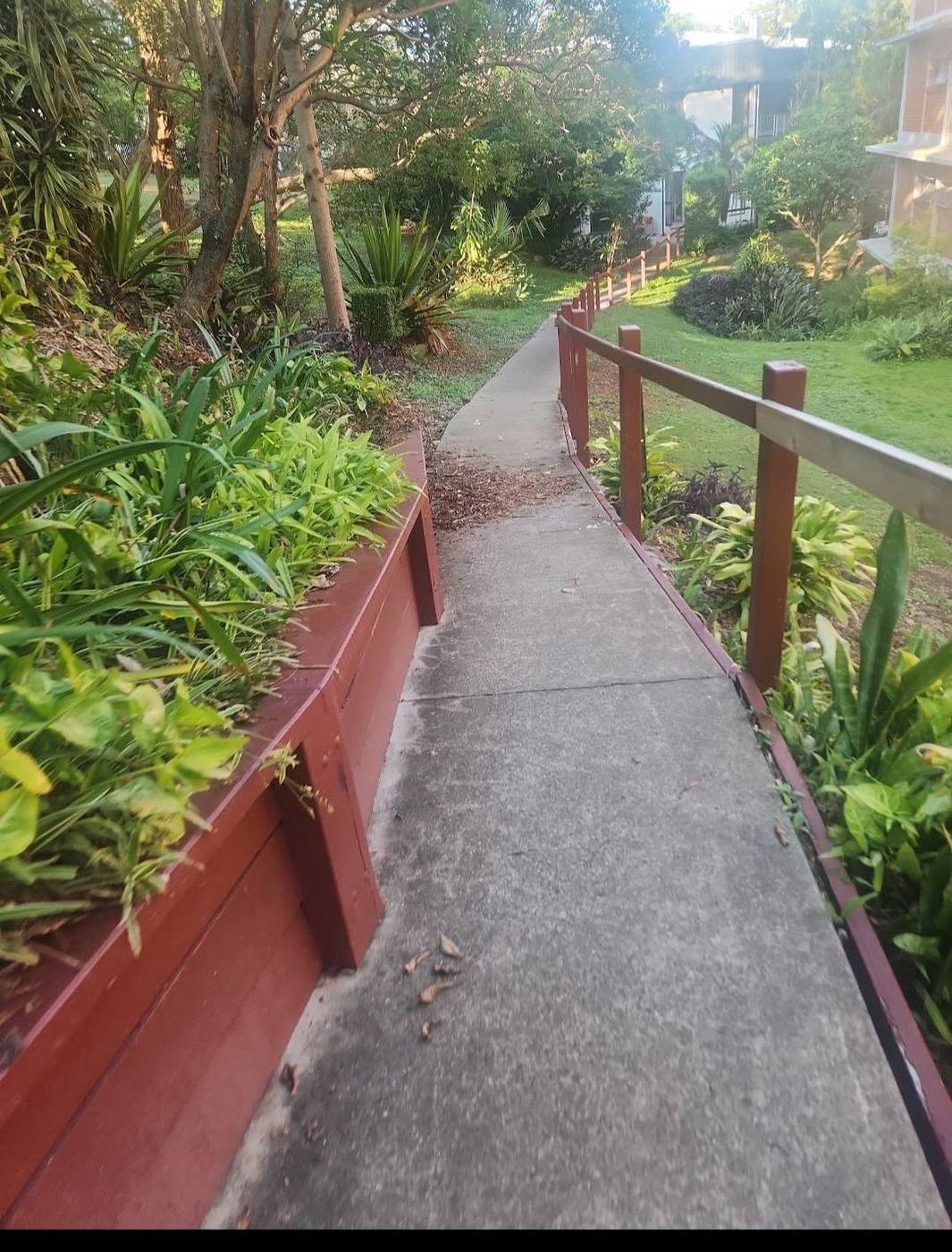
The days were structured without feeling like imprisonment. We generally had classes and program commitments, while many afternoons allowed us some freedom to decide what we wanted to do. We could spend time around the facility or, depending on where we were in the program and the relevant rules, head out.
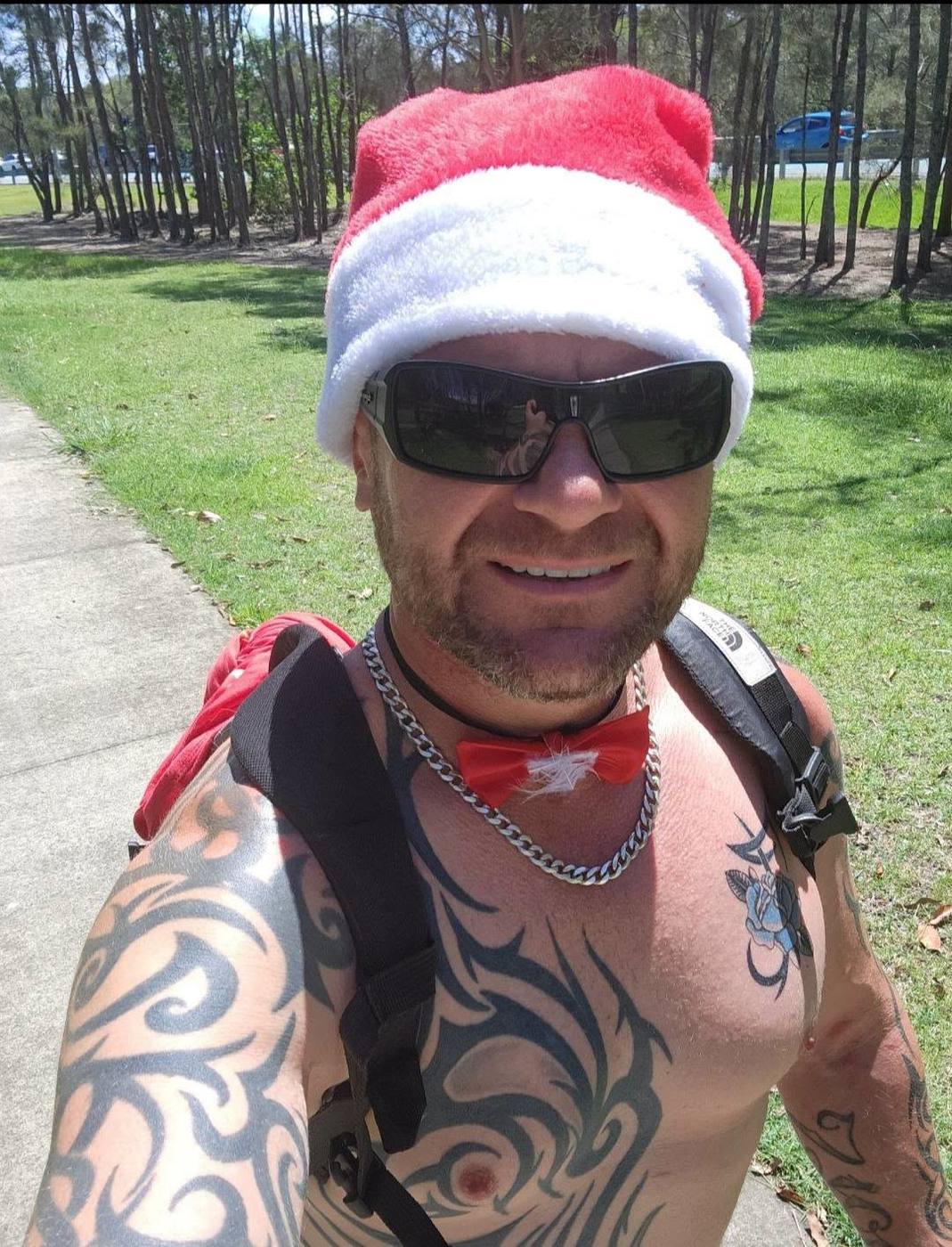
A number of us joined the local gym. Plenty of residents attended Alcoholics Anonymous or N#rcotics Anonymous meetings. There were also opportunities for church outings and trips in the minibus for those who wanted to attend.
It is important to make clear that Moonyah was not a religious based rehabilitation program. Although it is operated by The Salvation Army, religion wasn't forced upon me, and nobody told me what I had to believe. Opportunities existed for people who wanted to explore faith or attend church, but that choice was left to the individual.
The idea of a "higher power" was referred to fairly often, particularly around some of the recovery principles we were learning. What that meant was left to your own interpretation. For one person it might have been God or a particular faith. For someone else it could have represented the universe, nature, family, community or something greater than themselves.
Given my own complicated history with religion, that distinction mattered. I wasn't interested in having somebody else's beliefs pushed onto me. At Moonyah, they weren't.
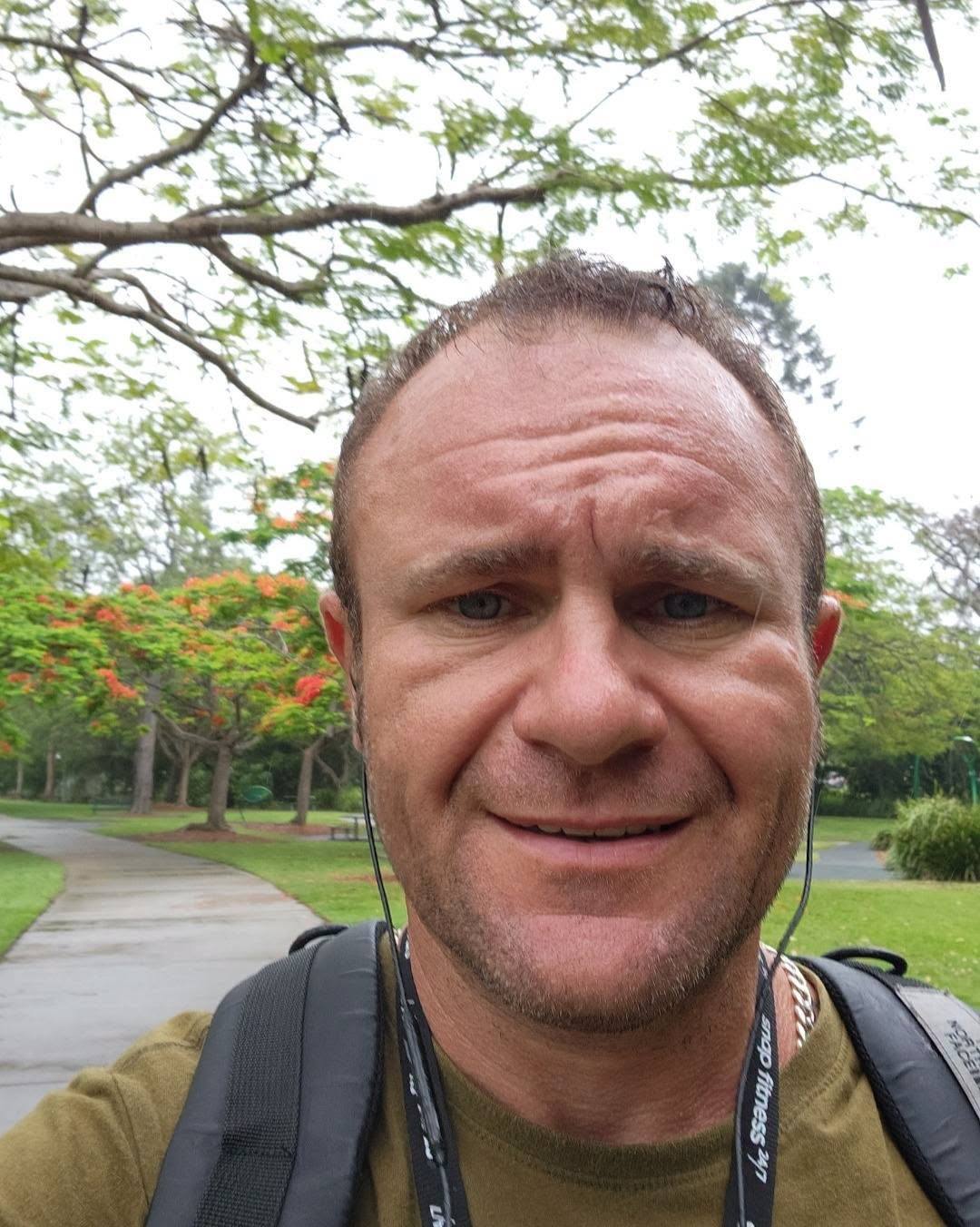
For me, walking became my escape. I would put on my shoes, stick my headphones in and start walking. Sixteen kilometres in a day wasn't unusual. There was something therapeutic about putting one foot in front of the other and letting my mind settle. Occasionally I combined those walks with pamphlet drops for the facility. I could cover a ridiculous amount of ground, so I figured I may as well be useful while doing it.
Moonyah also had a swimming pool, which everyone loved, particularly during the warmer weather. Some evenings there were organised activities and events. There were conversations, jokes and ordinary moments that probably don't sound particularly significant from the outside, but after the life I had been living, ordinary was something I was beginning to appreciate.
I had expected rehab to remove my freedom. Instead, it started teaching me how to live responsibly with it.
After you had been there for a few weeks and progressed through the program, you could apply for weekend leave. Those weekends were a highlight because they allowed me to reconnect with my family. I could spend time with my two older boys and have supervised time with my youngest son, who was being cared for by my sister.
I knew I had a lot to prove.
Random d#ug and alcohol testing was mandatory at Moonyah, and I completely understood why. Every clean result gave me something measurable. It showed my family, Child Safety and myself that my actions were beginning to match what I was saying.
After twenty five years of a#diction, promises weren't enough anymore.
Eventually, I wanted my youngest son back in my care. I understood that wasn't something I was automatically entitled to just because I was his father. I had to demonstrate that I could provide him with a safe, stable and sober environment.
I owed that to him.
The residential program at Moonyah was approximately three months. The cost was around 80 percent of a person's Centrelink payment or an equivalent contribution. I wasn't receiving Centrelink at the time, so the staff worked with my circumstances and came up with a very reasonable weekly amount that I could manage.
During my time there, I watched a lot of people come and go. Some arrived ready to change. Others thought they were ready but discovered they weren't quite there yet. Some left, relapsed and eventually returned to give it another go.
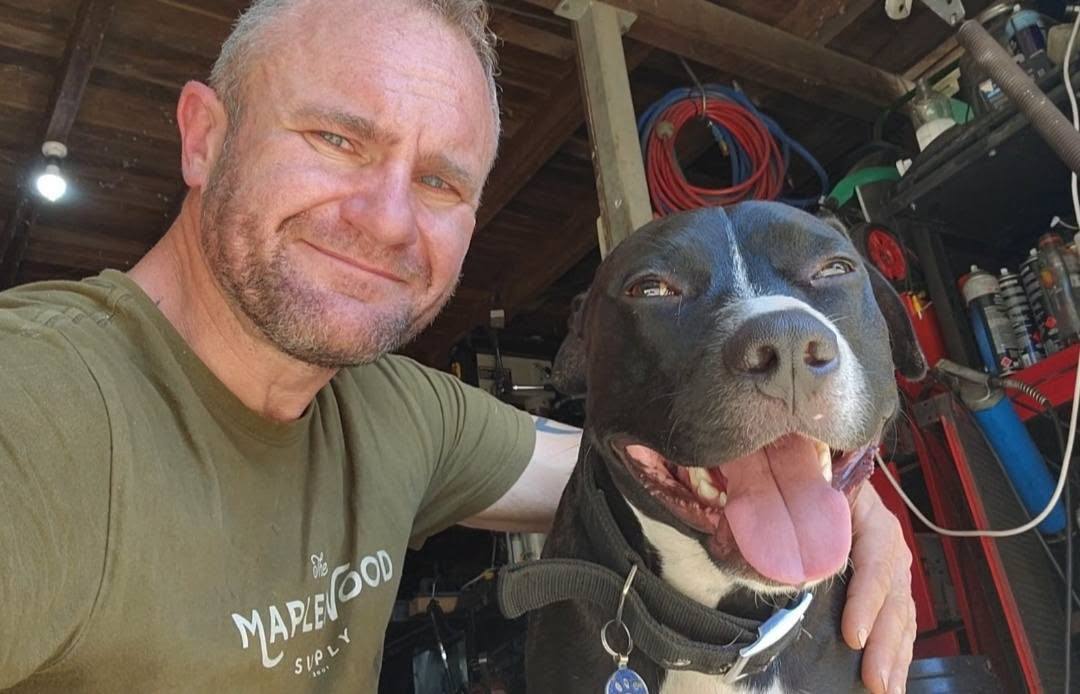
Moonyah understood the reality of a#diction. The staff could be firm because boundaries mattered, but they were also fair and understanding. They knew that someone struggling did not automatically mean that person was beyond help. For some people, recovery takes several attempts.
The people around me came from completely different backgrounds. Some had families waiting for them. Others had lost almost everything. There were people dealing with homelessness, legal problems, health issues, unemployment and broken relationships.
Addiction doesn't have one particular face.
The support at Moonyah went well beyond staying away from d#ugs or alcohol. Residents were allocated case workers or counsellors who could help with practical issues such as legal matters, health concerns, dental treatment, eyesight, employment opportunities and pathways towards housing.
That support matters because a#diction rarely exists neatly on its own. By the time someone reaches residential rehabilitation, there can be years of consequences to deal with. Becoming sober doesn't make those problems disappear, but having someone help you work through them can make them feel possible to overcome.
There were uncomfortable moments during my time there. Recovery required me to look at parts of myself and my past that I didn't particularly want to examine. I had to acknowledge damage I had caused while also dealing with things that had happened to me long before a#diction took control of my life.
None of that could be undone. What I could change was what happened next.
Slowly, life became more stable. I ate properly, exercised, attended classes, spoke with counsellors and began thinking beyond whatever problem happened to be directly in front of me. I started considering what sort of father and person I wanted to be when I eventually walked back out those gates.
There was no miracle moment where I suddenly became a completely different person. Twenty five years of m#thamph#tamine addiction wasn't going to disappear because I had entered a rehabilitation centre. Moonyah gave me the tools and support, but ultimately I still had to make the decisions that came with using them.
There is one date that now represents all of that for me.
1 October 2023.
That was the date I tried to end my l!fe.
It is confronting to think about now, because 1 October 2023 could have been the date written on my headstone.
Instead, it became my sober date.
As I write this, I am approaching three years clean. I don't take that for granted. I am incredibly grateful to The Salvation Army's Moonyah rehabilitation program and the dedicated, patient and understanding staff who helped me when I desperately needed it.
They gave me an opportunity, but I also had to make a choice.
I had to decide that I wanted a different life and then keep making the choices required to build one. I wanted to do it for my children. I wanted to do it for Jenny.
Most of all, I finally understood that I needed to do it for myself.
The date that could have marked the end of my life now marks the beginning of the life I fought to get back.
1 October 2023 could have been on my headstone.
Instead, it is the date I got clean.