
MEDICAL INCAPACITY
Back from Vietnam, it was back to the bus and back to work. By this point, I had been with the water company for around five years and living in my bus for roughly two. Vietnam had been an incredible escape, but when I returned, so did something I had been trying to ignore for quite some time.
My hands were failing me.
It started gradually, with pins and needles, tingling and numbness. Sometimes my hands would turn red, while other times they would become almost white. Initially, the symptoms came and went, but eventually they became more constant. I would wake during the night with completely numb hands and have to shake them and move my fingers just to get some feeling back.
I went backwards and forwards to doctors trying to find the cause. I had multiple tests and scans of my neck, back and clavicle before eventually undergoing nerve conductivity testing on my wrists. Finally, I had an answer.
Severe carpal tunnel syndrome.
Considering the work I had done for years, it wasn't difficult to understand how my wrists had taken such a beating. Turning stubborn valves, gripping spanners, pulling on tools and repetitive heavy fitting work had been part of my everyday life.
By the time I was diagnosed, it was affecting almost everything I did. Working with tools became dangerous because I couldn't always feel how tightly I was gripping something. Motorcycles had always been one of my greatest escapes, but riding became difficult. Playing guitar, lifting weights and even ordinary activities were becoming frustrating.
These weren't just hobbies to me. They were parts of who I was, and slowly they were being taken away.
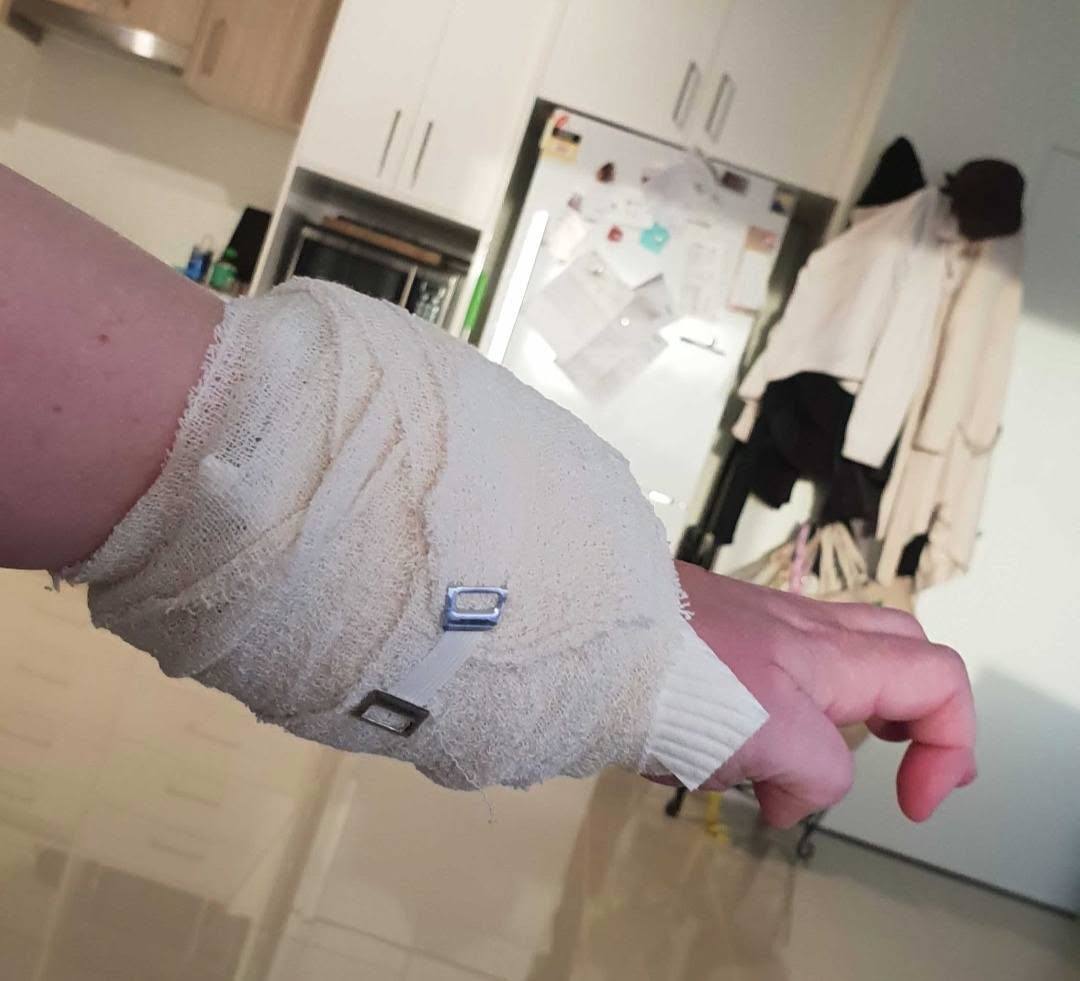
WorkCover accepted the initial claim, and I underwent surgery on both wrists. The relief was almost immediate. After living with constant tingling and numbness, being able to properly feel my hands again was incredible. I genuinely believed the problem had been fixed.
Unfortunately, it hadn't.
Before long, the symptoms returned. I raised the problem with work, expecting that because it was essentially the same condition, there would be some understanding. This time, the response was very different. My workplace wasn't nearly as supportive, and neither was WorkCover.
Eventually, I was let go because of "medical incapacity."
Two words ended a career I had spent years building.
I had started an adult apprenticeship later than most and worked hard to prove myself. I had travelled around Australia, worked in water and sewage treatment plants, climbed into confined spaces and worked in environments most people would never want to enter. I had developed skills I was proud of. I knew how to pull machinery apart, diagnose problems and put things back together again.
Being a mechanical fitter had become part of my identity.
I also felt betrayed. I believed my workplace actively worked against my second WorkCover claim. As I have mentioned previously, I had experienced bullying and the "purple circle" mentality within that workplace. Certain people seemed protected and favoured, while others weren't. I had worked in plenty of rough environments with difficult personalities throughout my career, but nothing compared with the toxicity I experienced there.
The next couple of years became an exhausting cycle of appointments, specialists, testing and waiting through the public health system. Eventually, the testing confirmed severe carpal tunnel syndrome again. The original operations had not solved the problem.
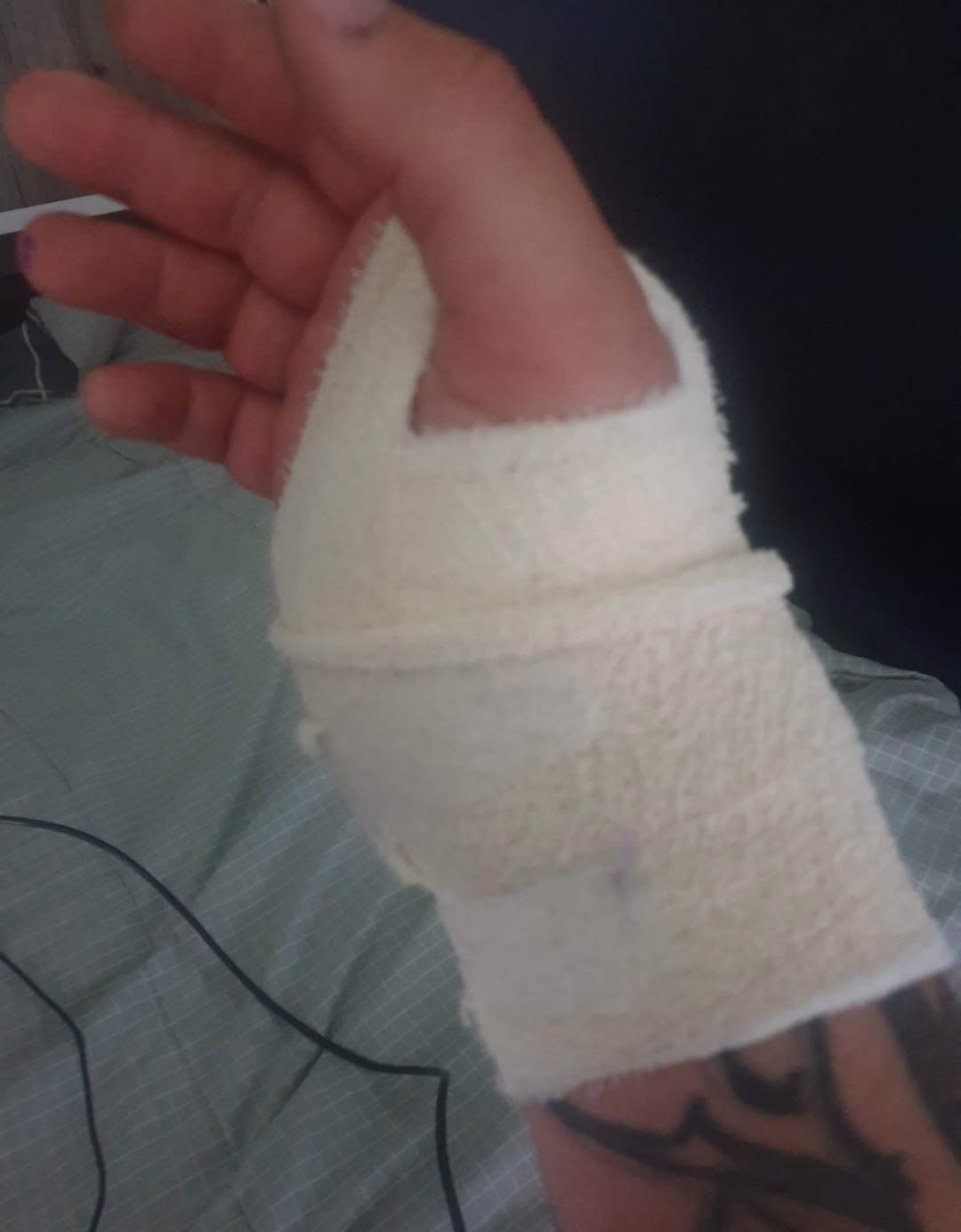
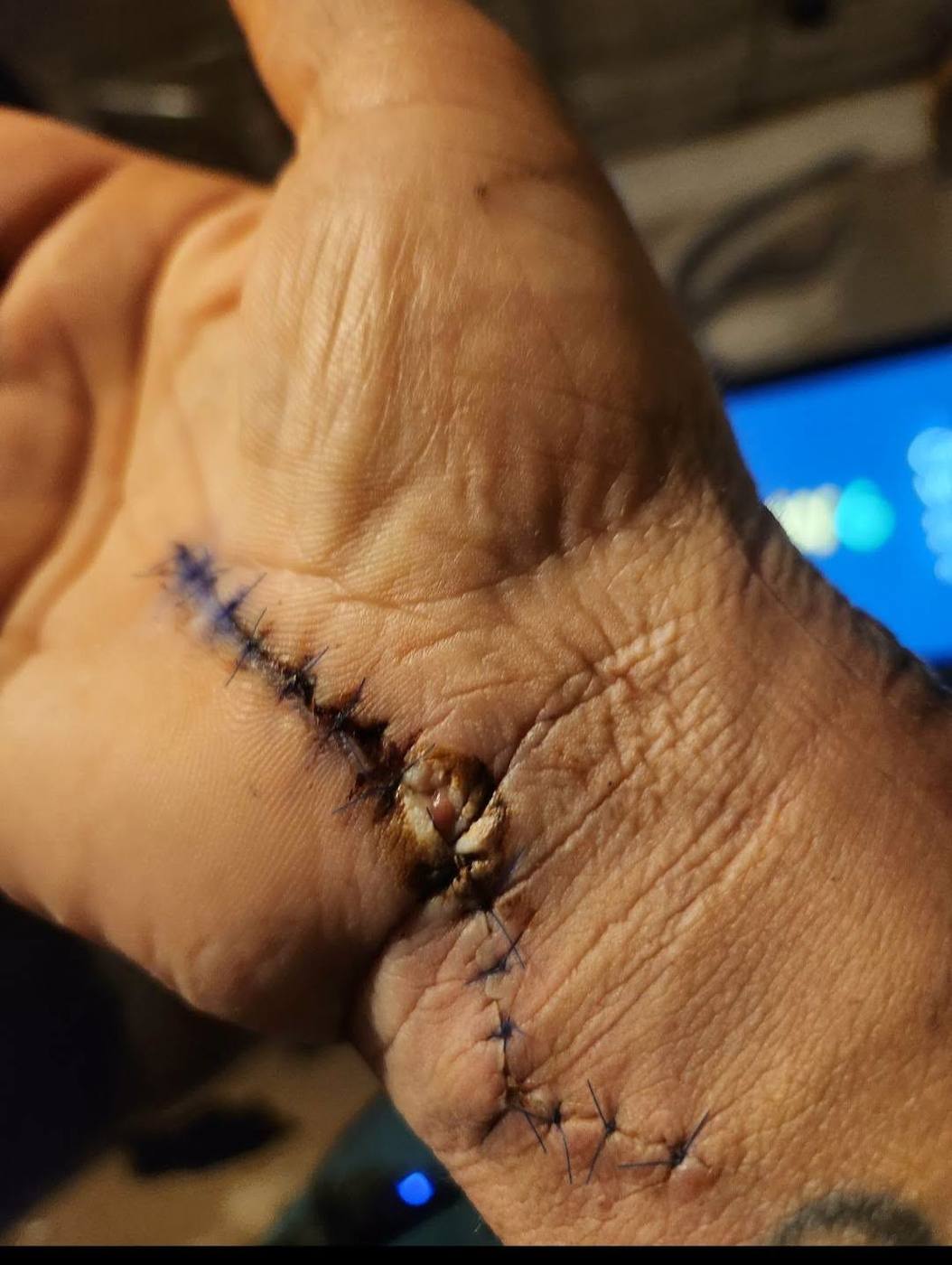
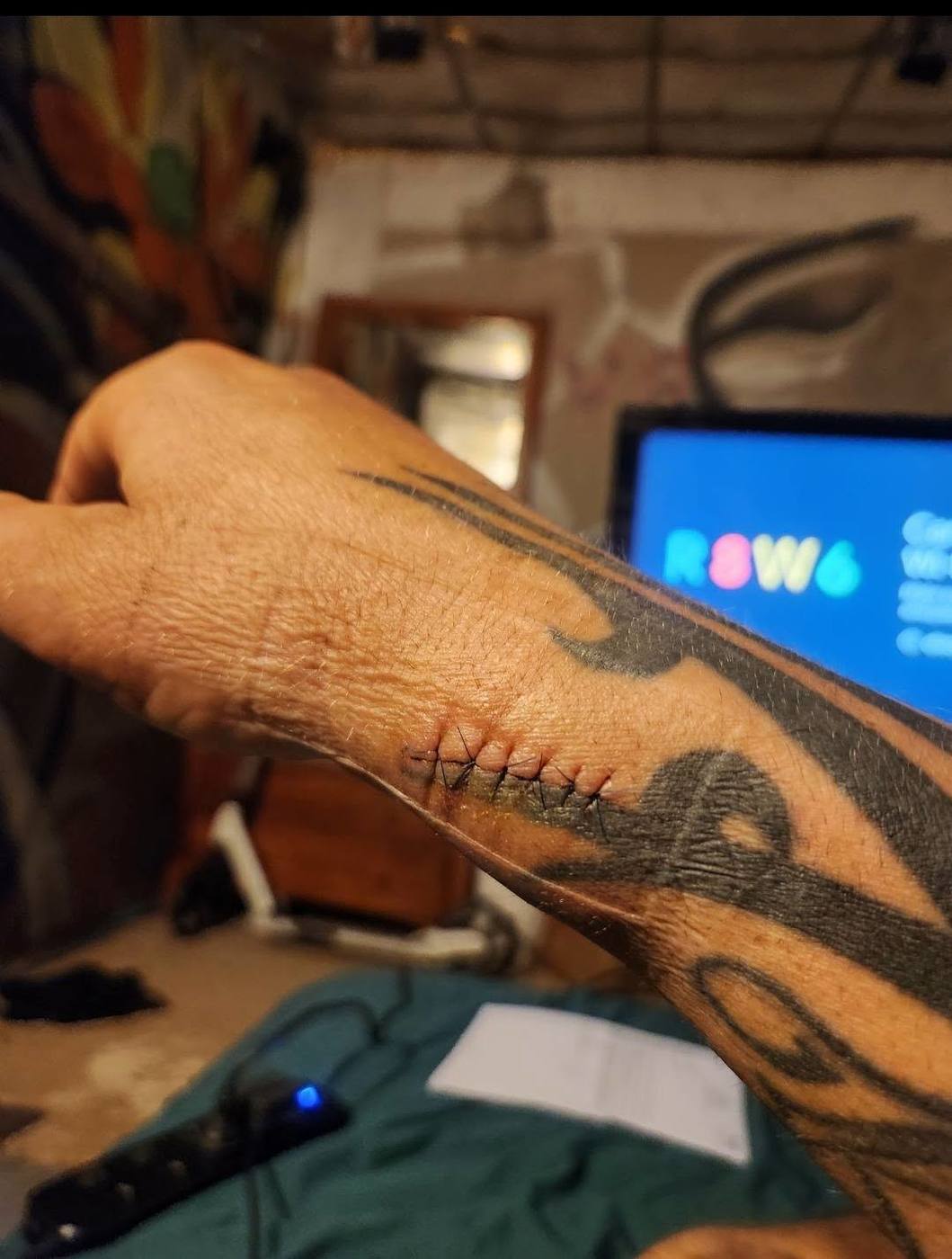
I underwent further procedures, including what was described to me as extended carpal tunnel surgery, with a protective fat flap placed around the nerve. By the time the entire ordeal was finished, I had undergone five operations.
For almost a year during this period, I had no income. Because of my New Zealand citizenship status at the time, I wasn't eligible for the government benefits I needed. Thankfully, I had permanent disability insurance, and eventually I received a payout.
I was also incredibly grateful for my bus. Without it, there is little doubt in my mind that I could have ended up living in a tent. It wasn't a conventional home, but during one of the most uncertain periods of my life, those four walls protected me.
My career as a mechanical fitter was over, and my wrists would never return to what they once were. Even today, motorcycles, guitar, lifting weights and other activities can still aggravate them.
Back then, I didn't handle that reality well.
For most of my adult life, I had been someone who worked with his hands. I fixed things, built things and solved problems. There was pride in knowing I could walk into a difficult situation and figure out what needed to be done.
Suddenly, I didn't know what I was supposed to do next.
That loss of purpose affected me more deeply than I admitted at the time. I became depressed, isolated, frustrated and bitter. I spent far too much time alone in the bus, thinking about what had happened and wondering what my future was going to look like.
When I didn't want to think anymore, I already knew how to switch my brain off.
Substances.
During this period, my addiction reached a completely different level. My use went from once or twice a day to around eight points a day at its worst. I was using throughout the day, every day, and my tolerance had become so high that it took increasingly larger amounts to achieve the effect I wanted.
By then, I wasn't chasing a good time.
I was chasing numbness.
I wanted to escape the feelings of failure, anger and uncertainty. But substances don't remove those feelings. They postpone them while quietly creating more problems around you.
My world became smaller. I withdrew from much of my family, although my children were different. Whatever condition I was in, I always did my best to maintain time with them. I wasn't always the father I wish I had been during those years, but I loved my children deeply, and being their dad was something I desperately tried to hold onto.
When I did feel sociable, I often surrounded myself with the wrong people. Relationships came and went, and I sabotaged many of them through addiction, selfishness and destructive behaviour.
The best way I can describe myself during this period is a cyclone. I was standing in the middle while everyone around me was being hit by the debris.
People who cared about me were hurt. Relationships were damaged and trust disappeared. I created chaos and often convinced myself everyone else was the problem. The painful truth is that sometimes I didn't care about the impact I was having.
Everything became about what I wanted, how I felt and what I needed at that particular moment.
Stuff everyone else.
Looking back now, that's difficult to admit. Depression, addiction and what happened with my career help explain how I reached that point, but they don't excuse the damage I caused. There were good people around me who didn't deserve the version of me they received.
For years, I had been able to pull apart broken machinery, find the problem and work out how to repair it. That was something I understood.
I didn't understand how to do the same thing with myself.
I had lost a career I was proud of, much of the physical ability I had taken for granted, and the direction I thought my life was heading.
Underneath the anger and addiction was something I didn't know how to admit at the time.
I was scared.
Scared of the future. Scared that the best thing I had ever become had been taken away from me. Scared that without my trade, I didn't know who I was anymore.
So, instead of facing those feelings, I numbed them.
I knew how to fix broken machinery.
I had no idea how to fix a broken life.