
BUSTED
My housing situation was something I needed to address once again. I was renting a three-bedroom house by myself, and financially it was slowly draining me. I was earning reasonable money and working hard, but so much of what I earned disappeared into keeping a roof over my head. Around me, some of my workmates were talking about buying properties, mortgages and getting themselves onto the housing ladder. Strangely enough, I was thinking in completely the opposite direction.
When I told them what I was planning, most of them thought I was crazy. Some laughed because they genuinely didn't believe I was serious. The truth was, I had already made up my mind.
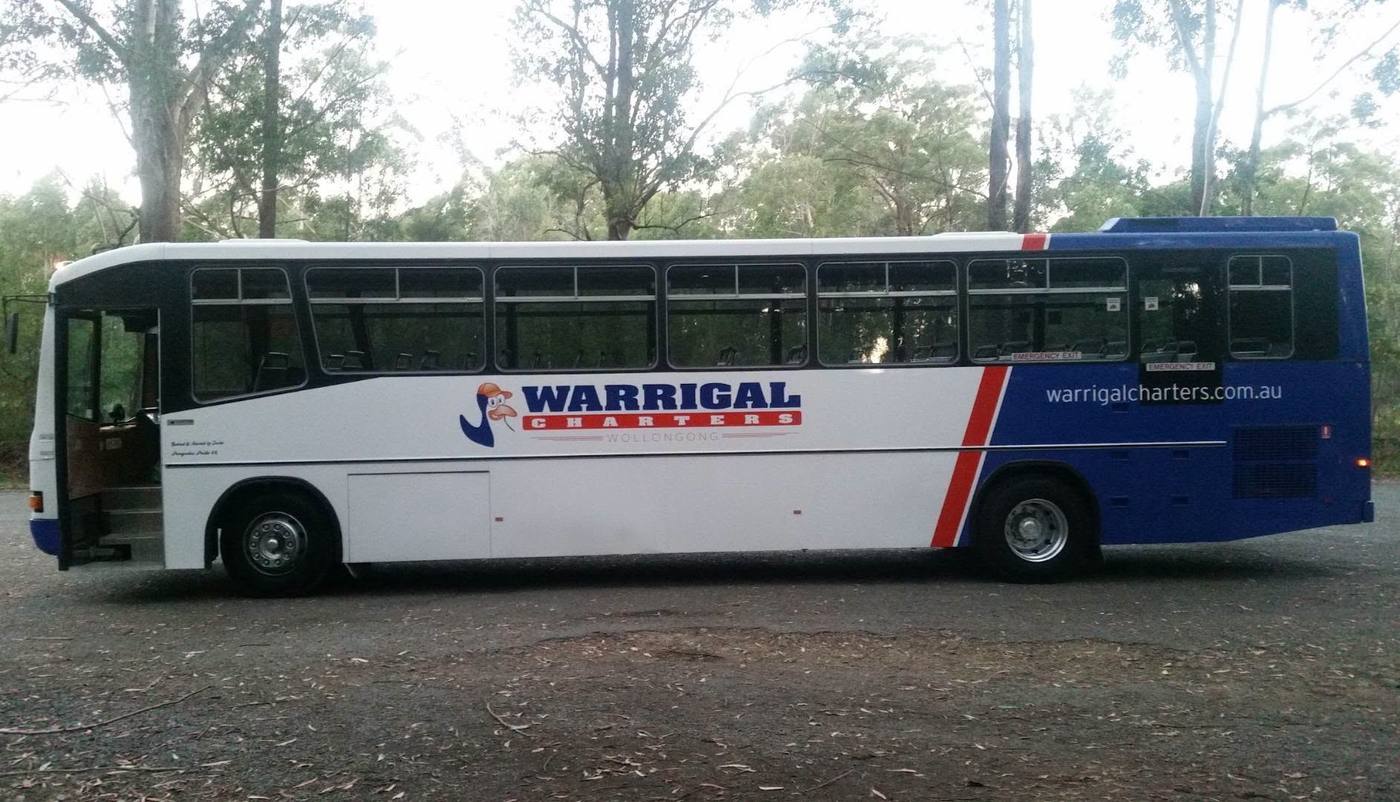
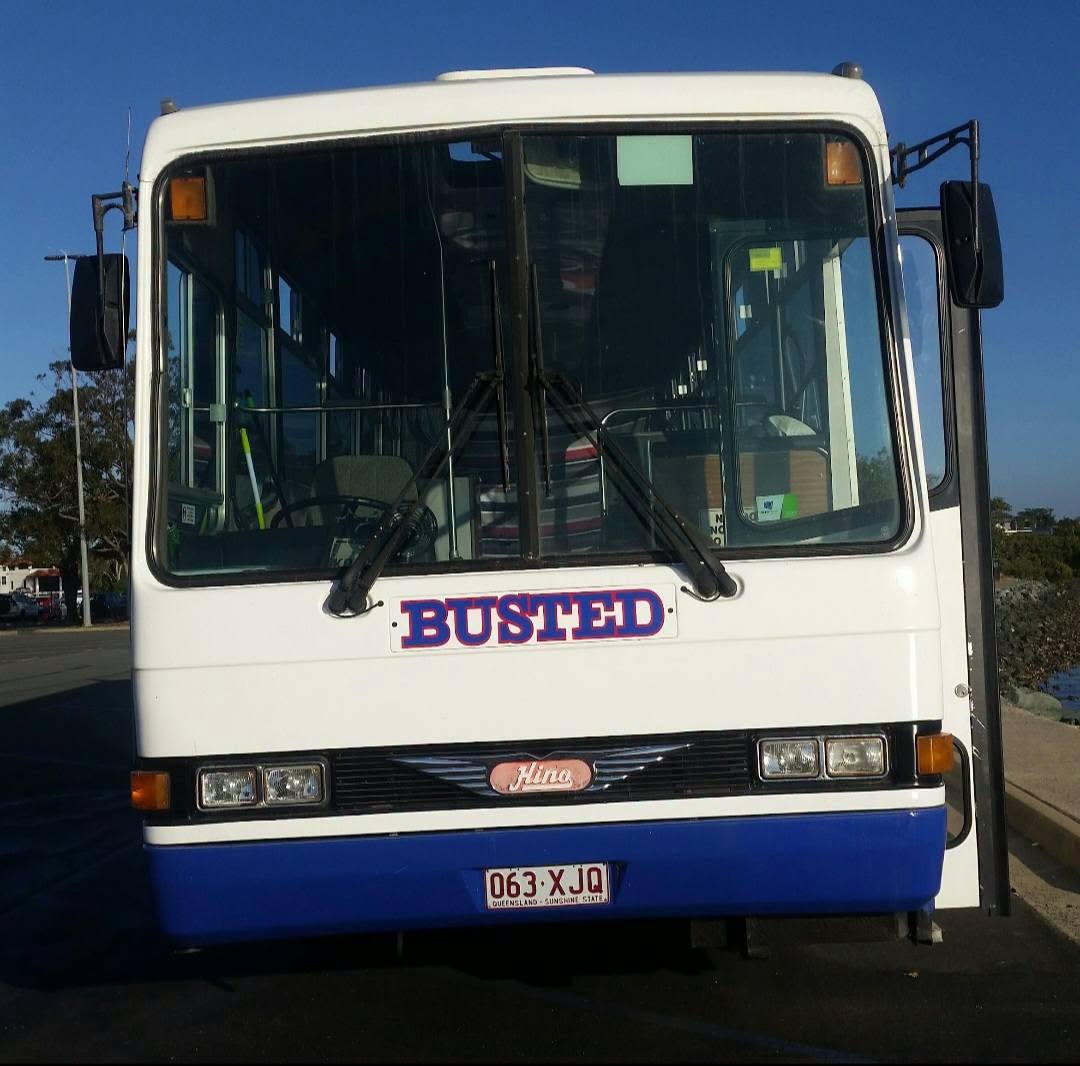
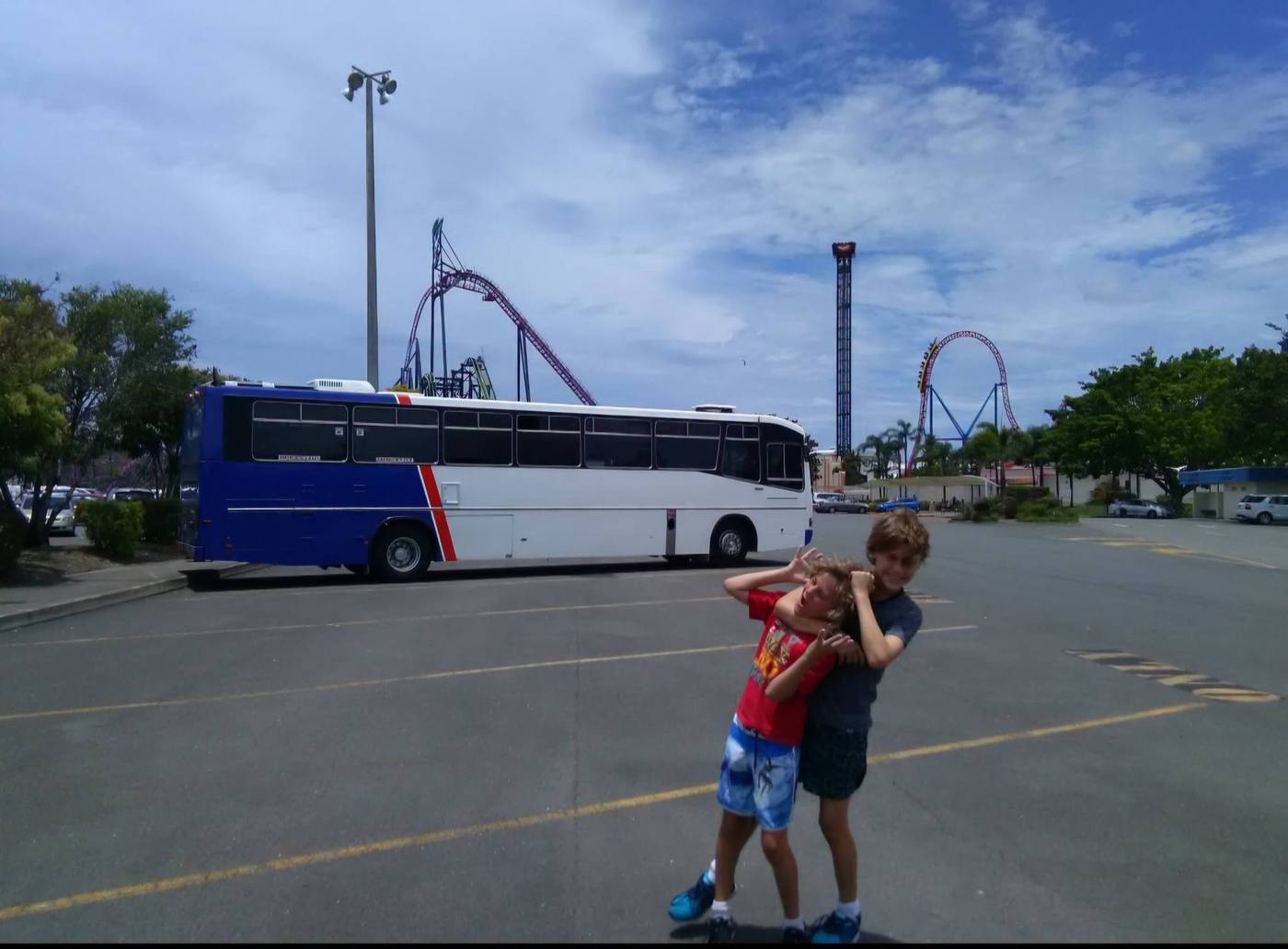
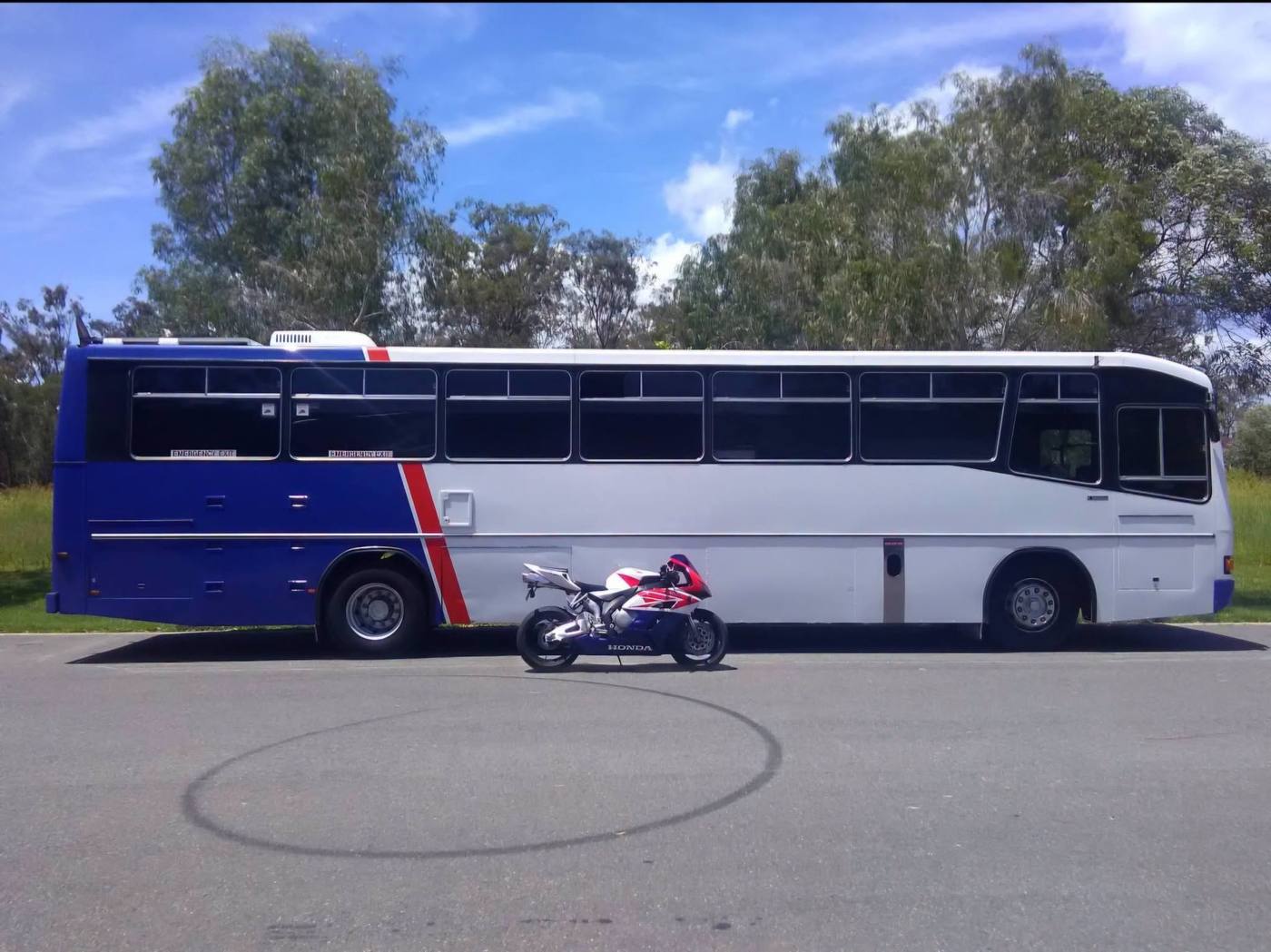
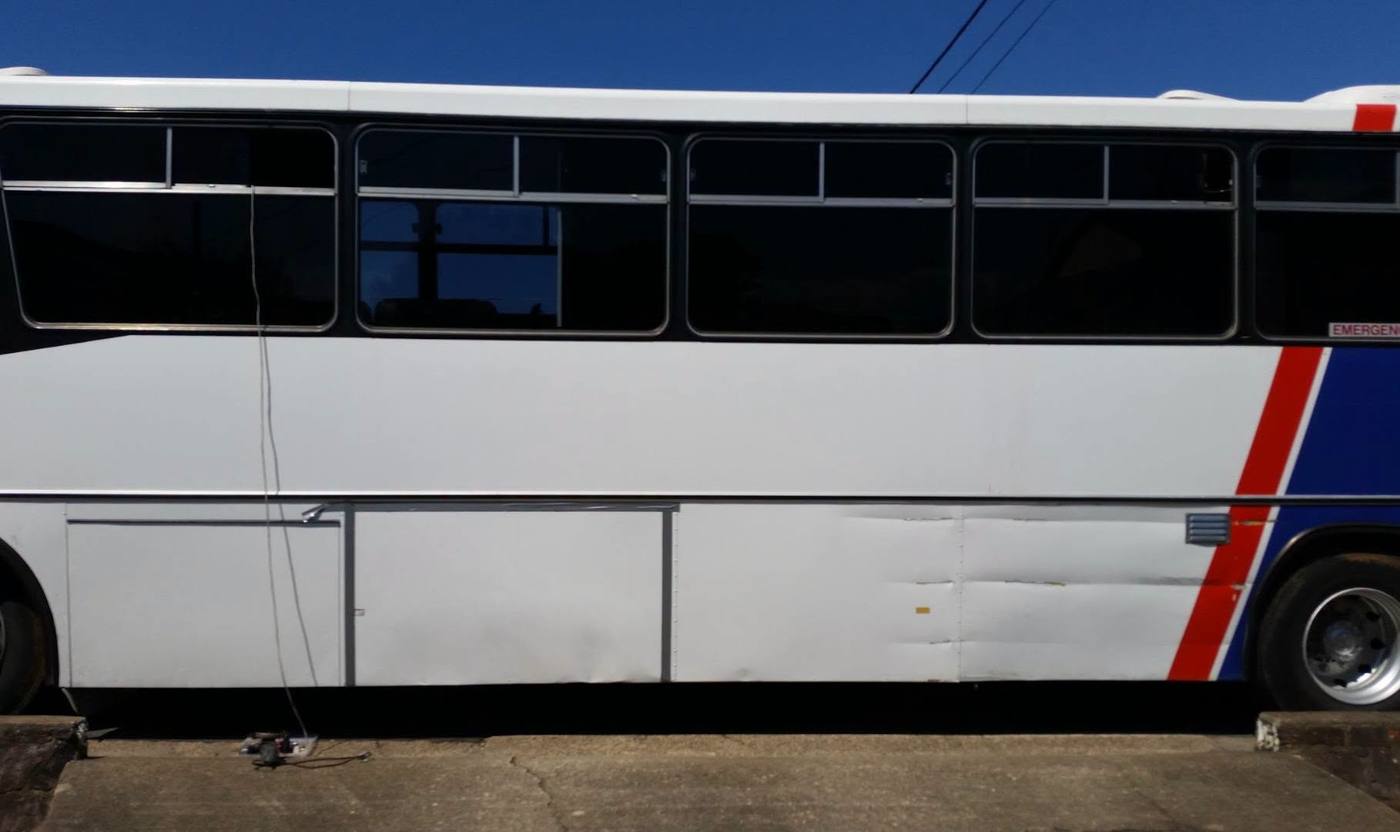
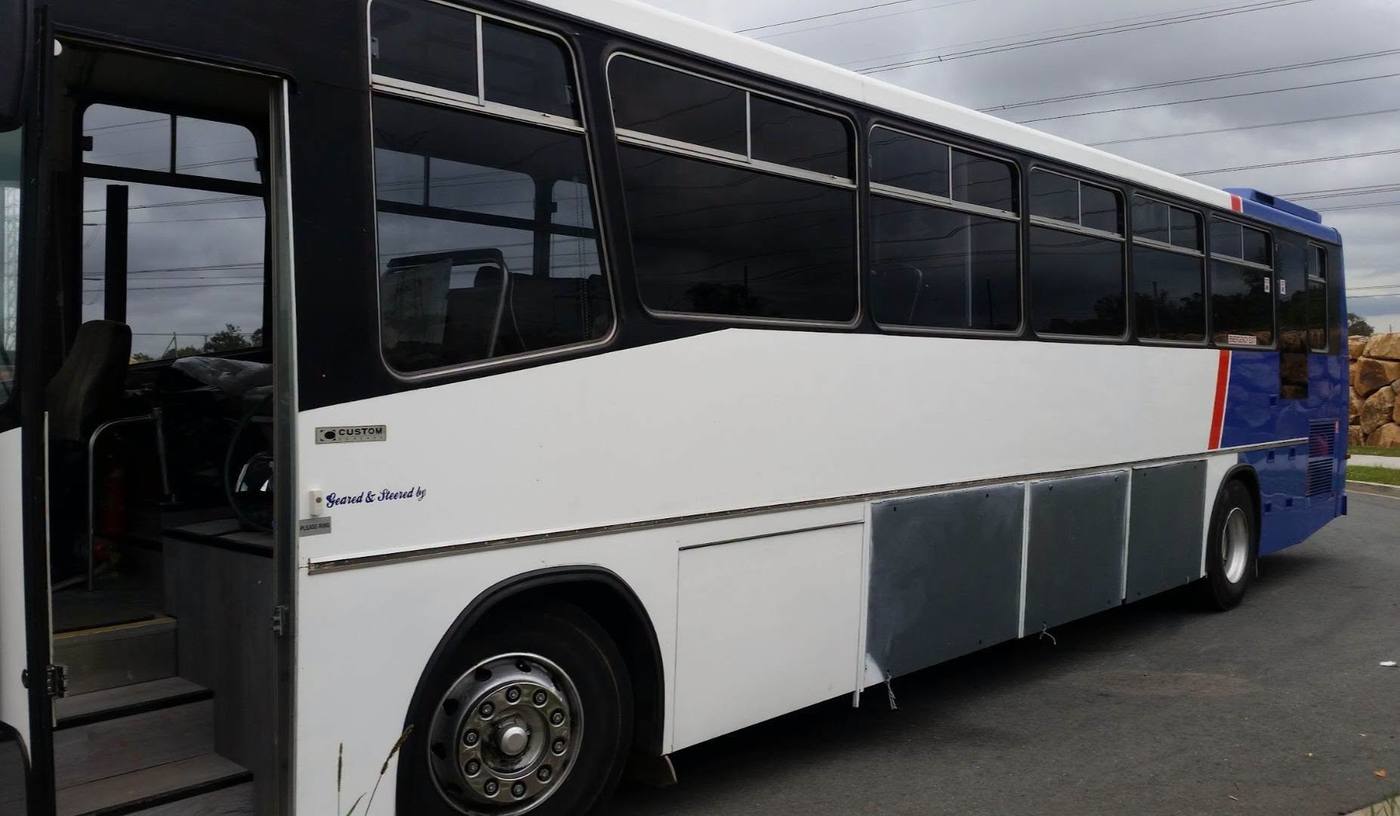
I sold my beloved SS Commodore, sold most of my possessions and started hunting around for another bus. I had done the bus thing before back in New Zealand, but this time I wanted to do it properly. I wasn't interested in something small or temporary. If I was going to make a bus my home again, I wanted something big. Eventually, I found exactly what I was looking for in Sydney: a forty-foot Hino RG coach that had recently come out of service.
I flew down to Sydney, looked it over and bought it on the spot. There weren't months of careful planning or some beautifully prepared blueprint for alternative living. I had decided this was going to become my home, and once my mind was made up, there wasn't much that was going to change it.
Then I had to drive the thing back to Brisbane.
I held an MR licence, but I had never driven anything remotely like this before. Sitting behind the wheel of a forty-foot coach in Sydney traffic was a very quick introduction to just how enormous my new home actually was. Every corner suddenly looked too tight, every lane felt too narrow, and every car seemed determined to sit exactly where I couldn't see it. Once I finally escaped Sydney and reached the open road, I started to relax. The old girl drove beautifully, and I pointed her north and drove virtually non-stop back to Brisbane.
The day I arrived back, I moved in.
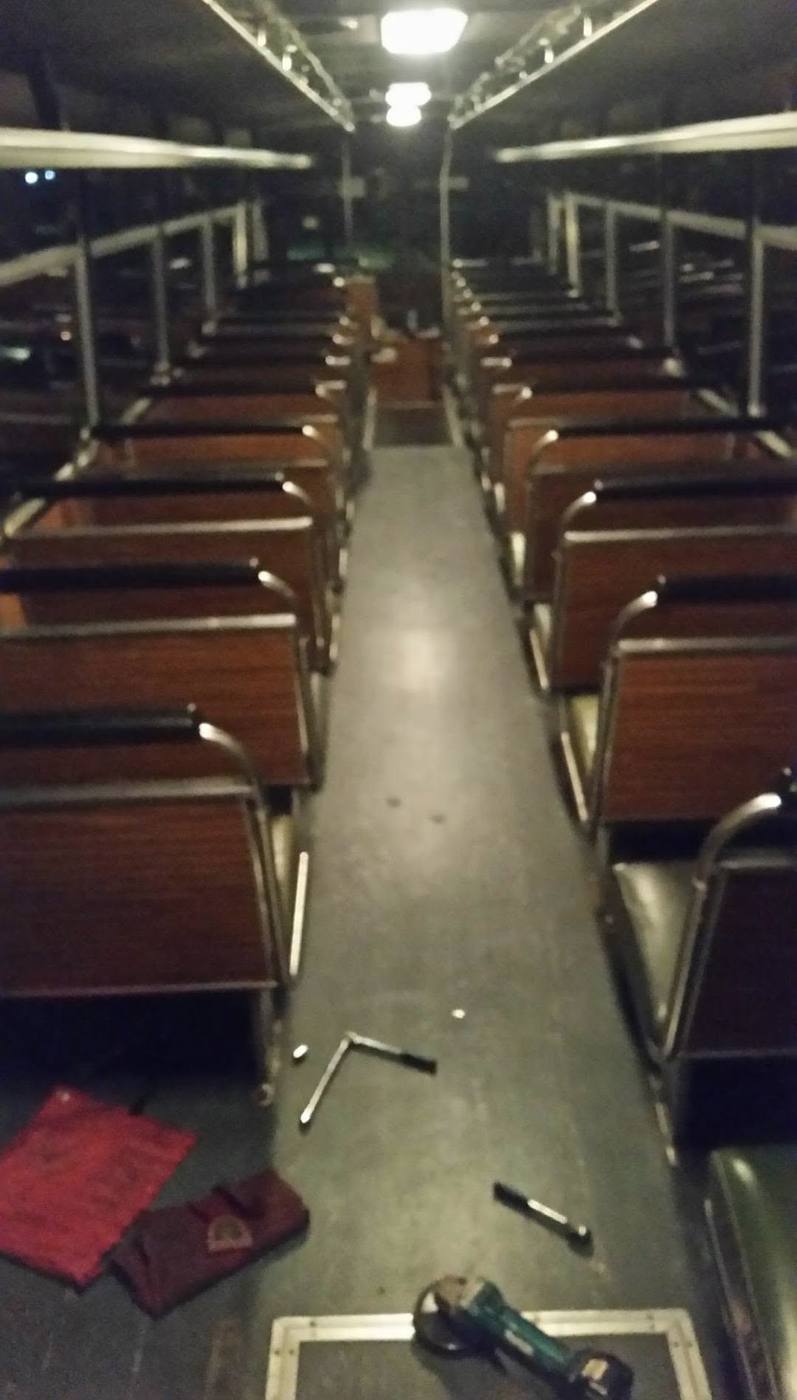
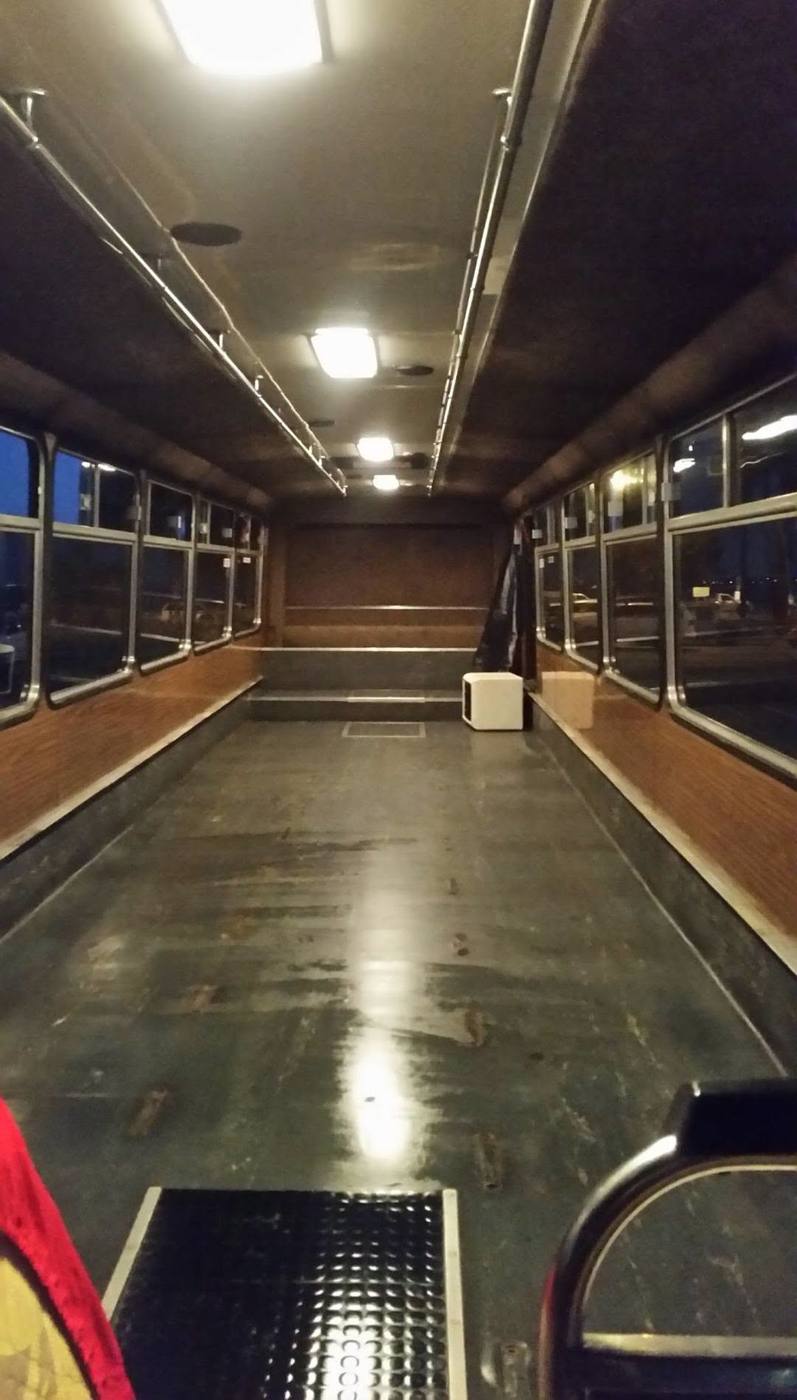
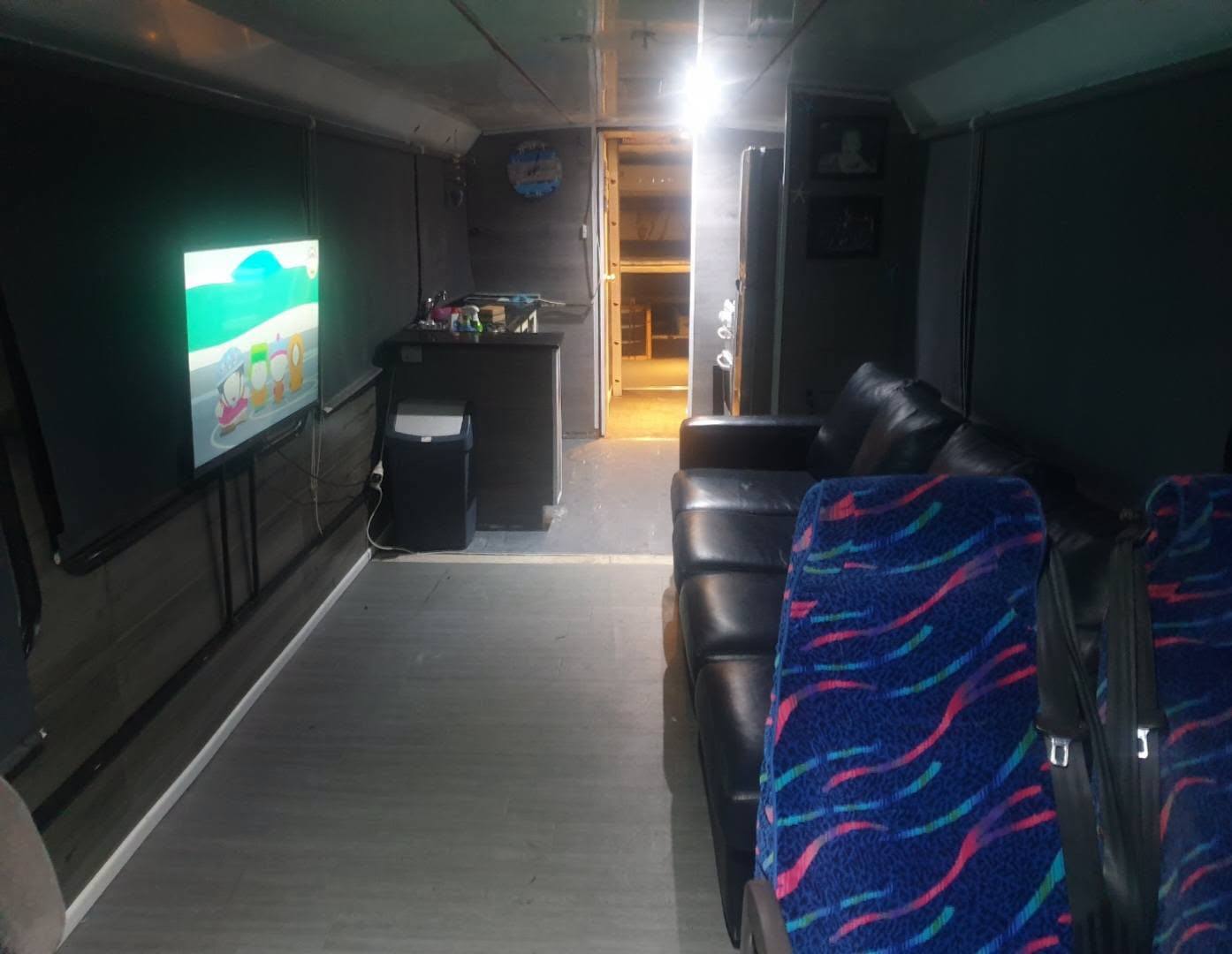
Calling it a motorhome at that point would have been extremely generous. It was still basically a passenger bus. For the first couple of nights, I slept stretched across the back seat. Within days I had the passenger seats removed, and within about a week I managed to get it registered as a motorhome. Legally, I now had a motorhome. In reality, I had a forty-foot empty shell with somewhere to lie down.
For the next four years, that bus would consume thousands of hours of my life. Almost every spare evening went into building it. I didn't have a workshop or a shed where I could park it for six months and slowly complete the conversion. I was living inside the project while I was building it, and to make things even more interesting, it was also my main mode of transport.
Every morning, I would drive my forty-foot home to work. Every afternoon, I would finish work, climb back behind the wheel and decide where home was going to be that night. I had around thirteen different places that I rotated through. Some were industrial areas, while others were quiet back roads or dark stretches of country road where nobody was likely to bother me. I would arrive in the evening, try not to attract too much attention and make sure I was gone again by around five o'clock the following morning. I learnt quickly that if I stayed in one place too often, eventually somebody would notice.
Most of the time I had no real dramas, but sleeping in isolated places came with its own risks. Every now and then, a car would turn up at two in the morning. People would do burnouts nearby, yell things out, harass me or throw objects at the bus. I never really knew who was outside or what their intentions were, and getting out to investigate wasn't always the smartest option.
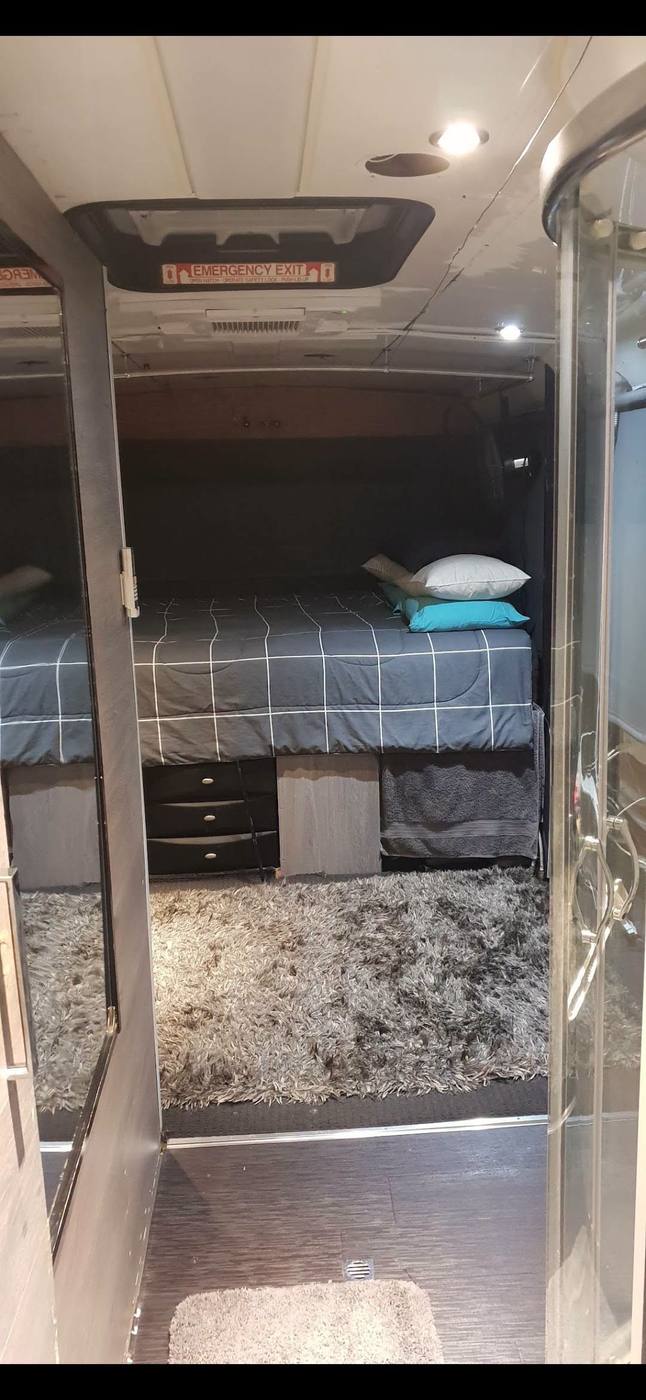
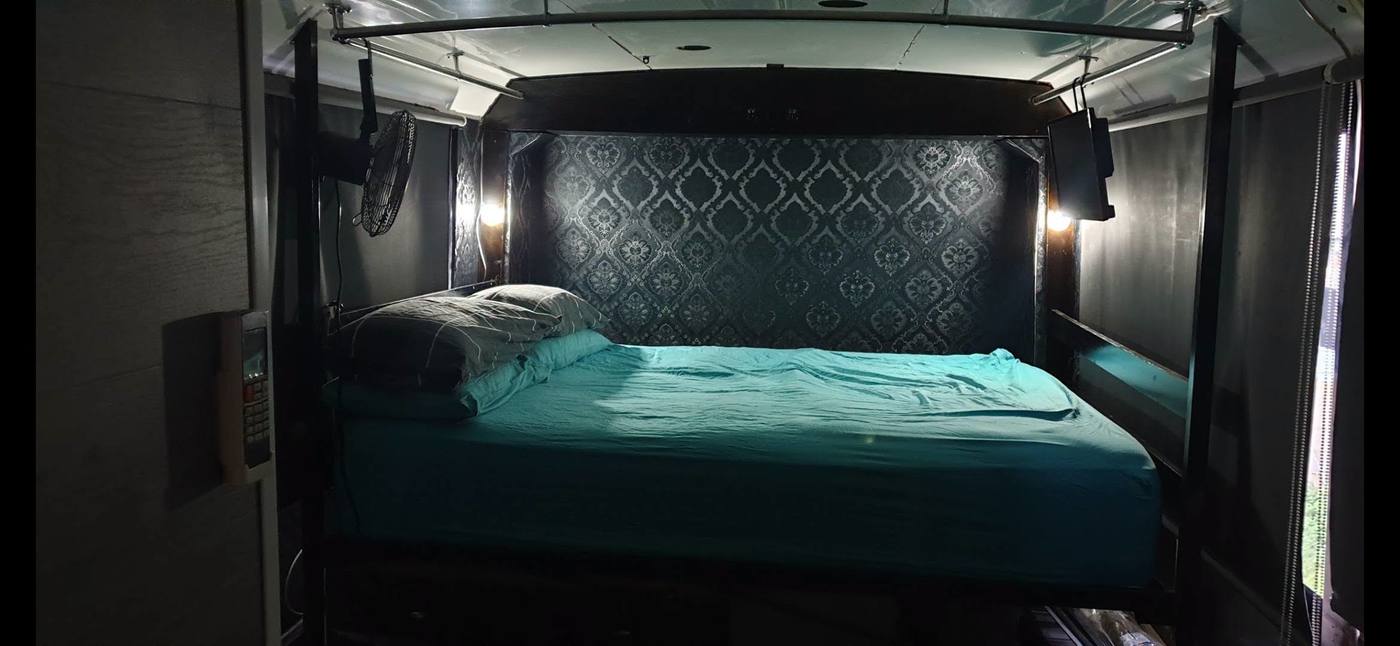
Eventually, I installed a four-camera security system around the bus. I had a monitor beside the driver's seat and another one near my bed so I could see what was happening outside without opening the door. The bus also had escape hatches through the roof and another way out through the floor. I kept a large steel bar beside my bed, just in case I ever genuinely needed to protect myself. Fortunately, despite the occasional late-night idiot, most nights passed without any serious problems.
It was a strange way to live. I could be asleep in bed at two in the morning, hear a noise outside and reach over to check the security cameras before deciding whether it was anything worth worrying about. Then, a few hours later, I would start the engine and drive my entire house to work as though nothing unusual had happened.
At night, I would fire up the generator, set up my lights and start working on the bus. Sometimes I would work until midnight, sometimes until one or two in the morning, and occasionally I would work right through the night because whatever I had pulled apart needed to be back together before five o'clock so I could drive to work. I would pack everything away, clean myself up as best I could and head off to my normal job as though I had spent the night in a normal house.
Nobody seeing me during the day would necessarily have known what my nights looked like.
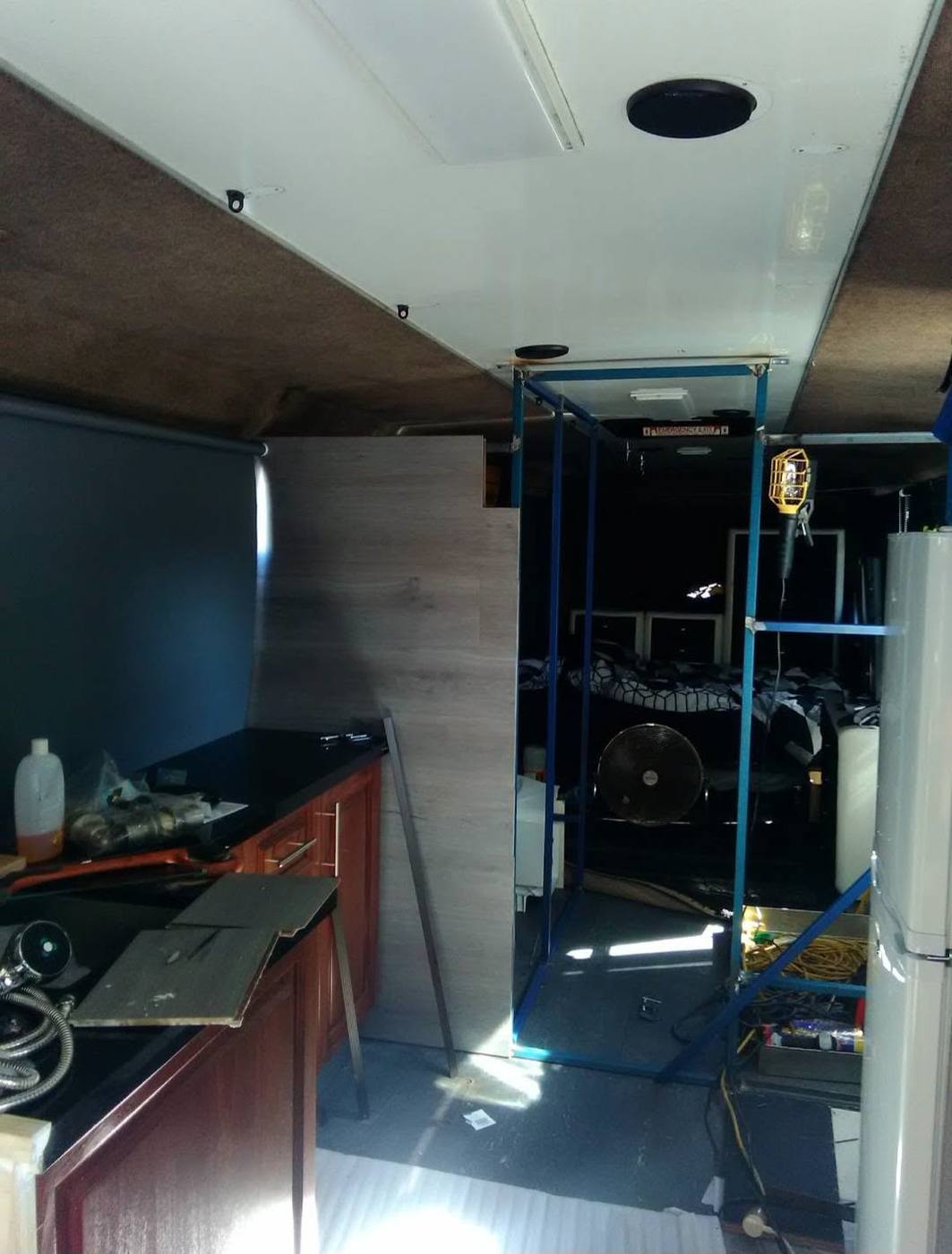
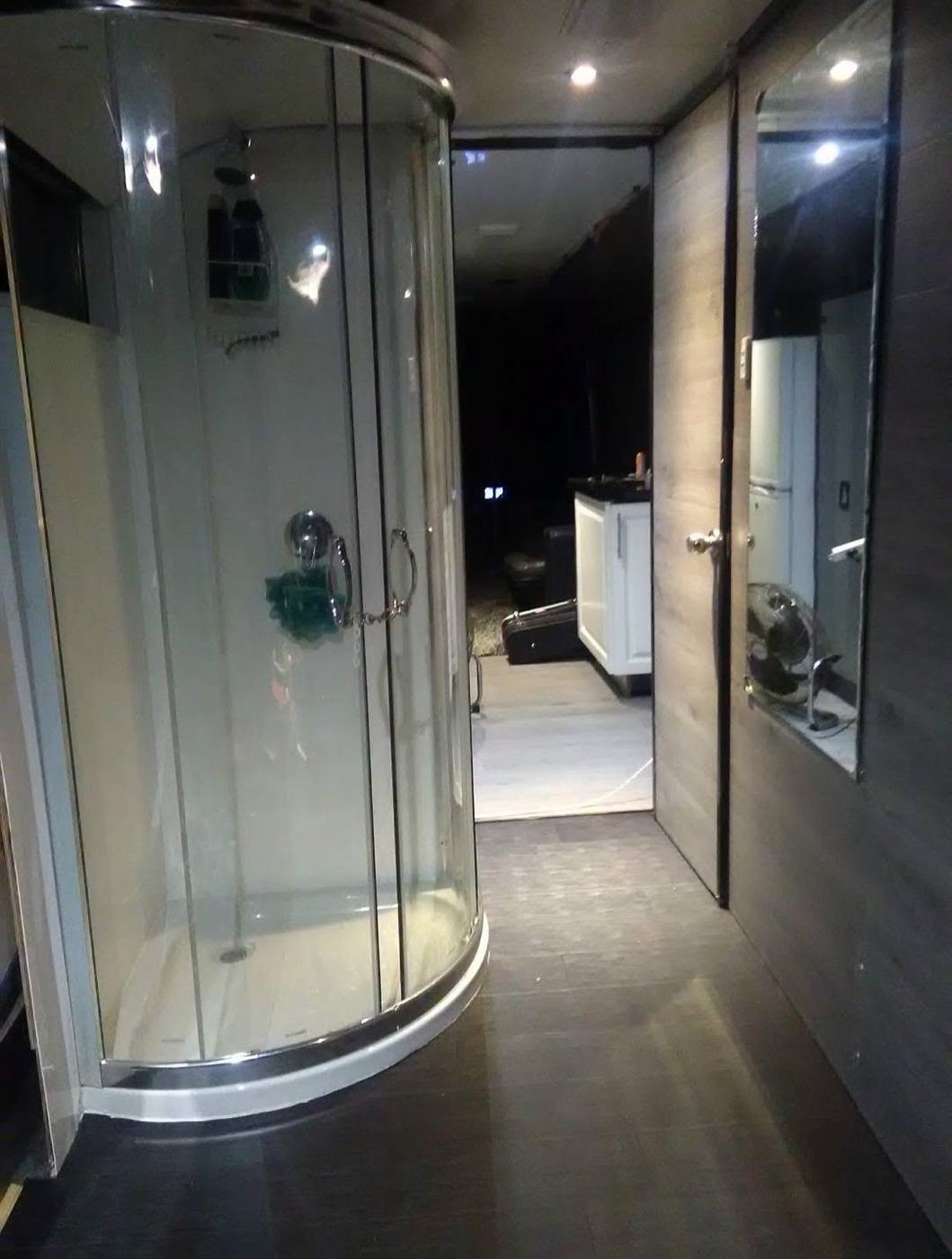
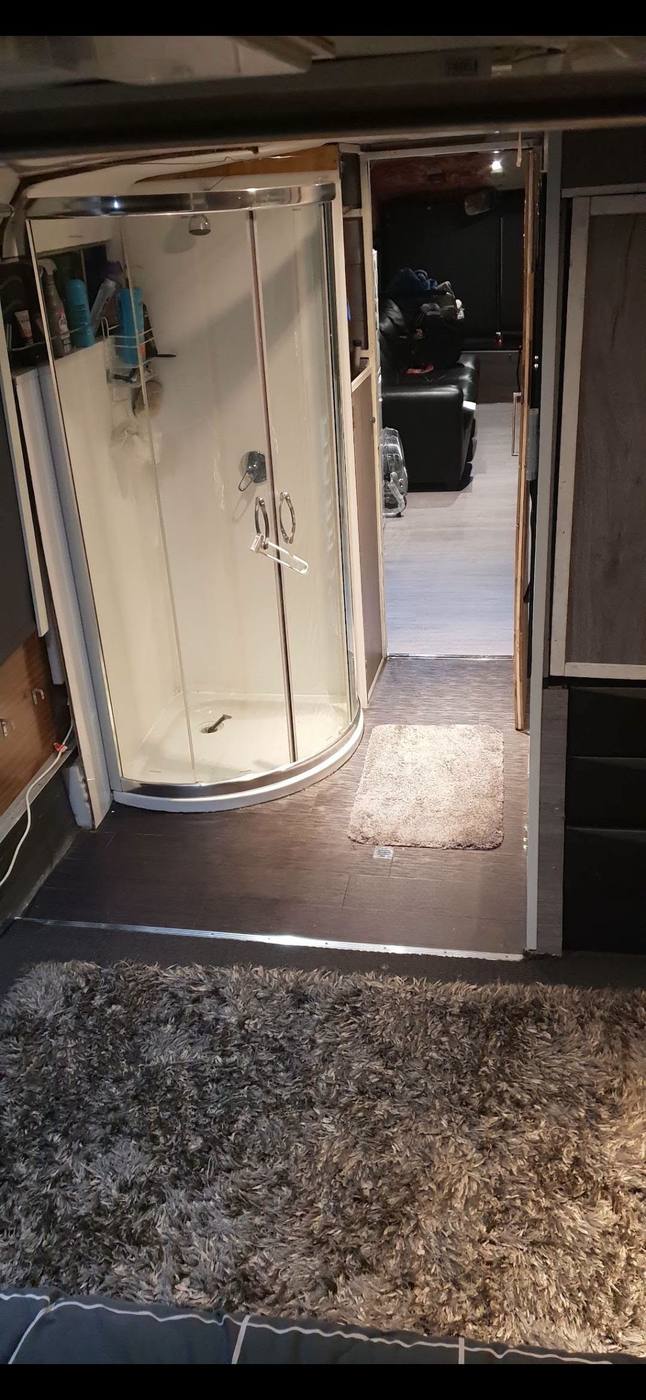
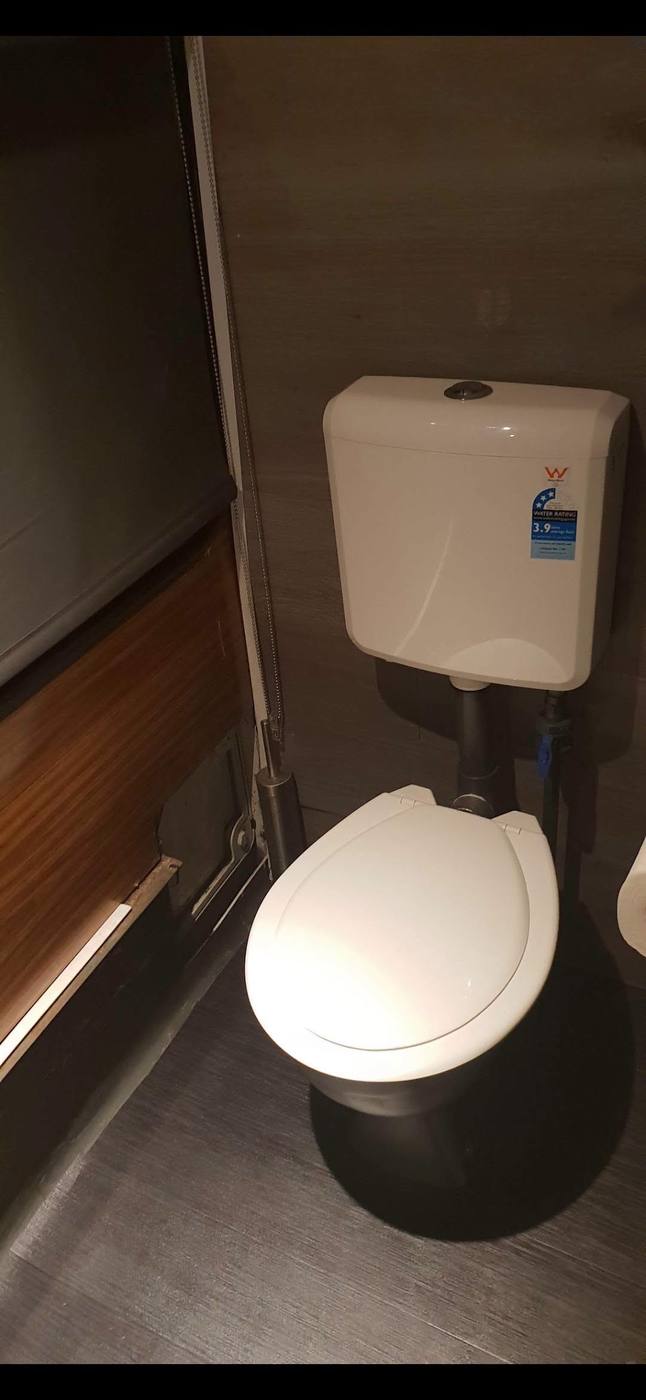
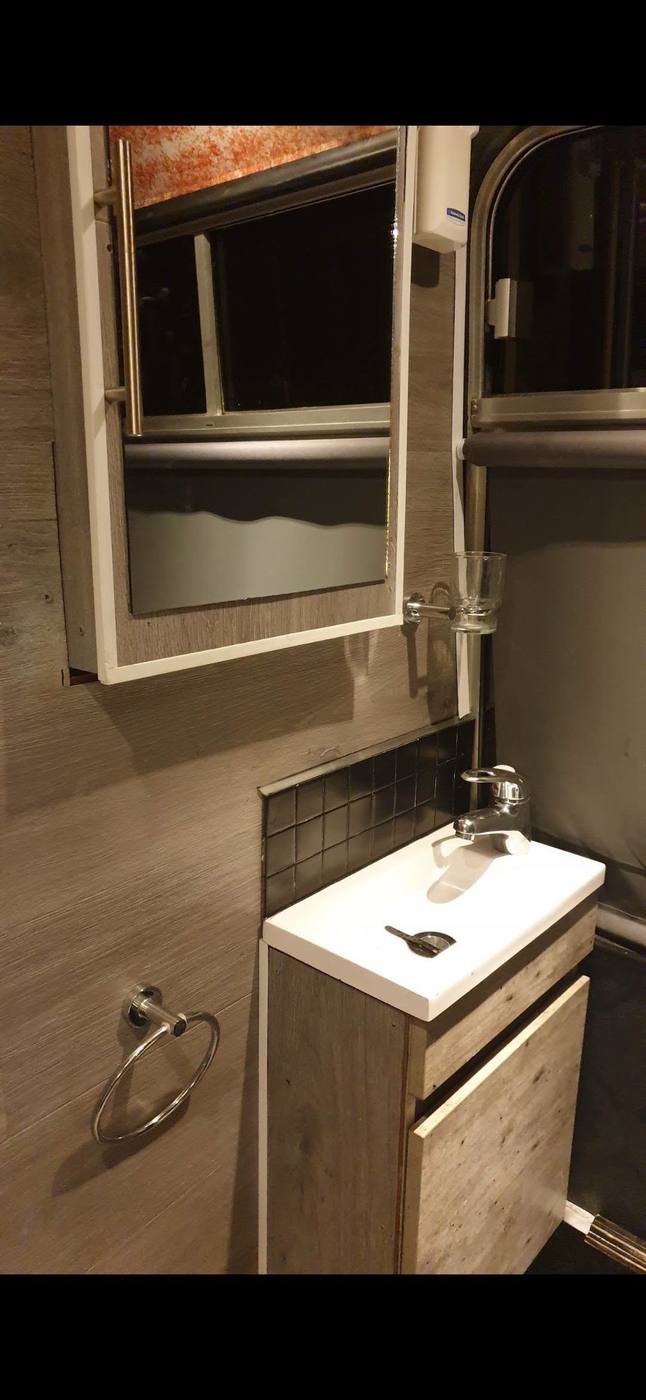
The first priorities weren't fancy. They were basic human necessities. I needed running water, somewhere to go to the toilet, electricity and the ability to cook and wash myself. Slowly, piece by piece, I began building everything I needed.
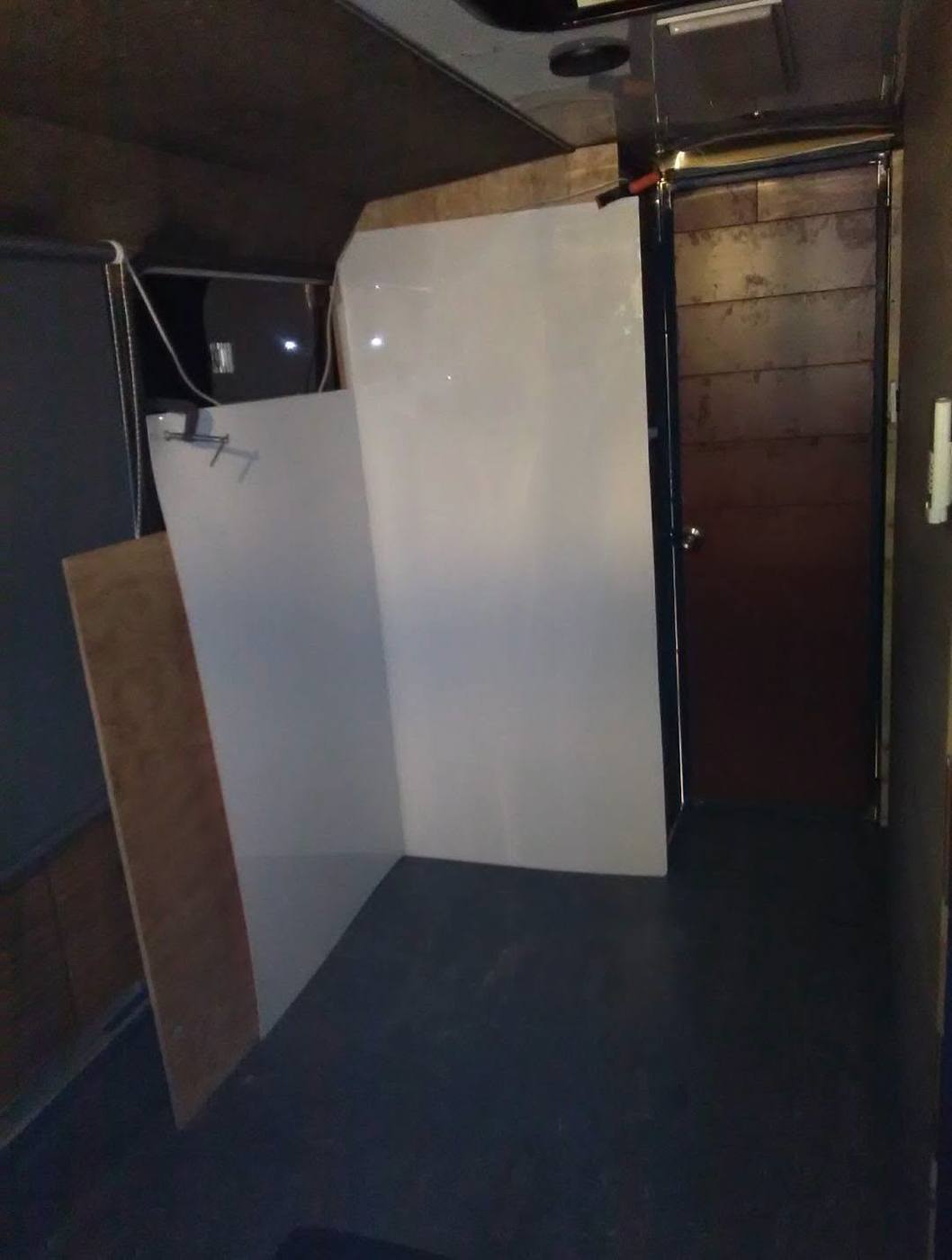
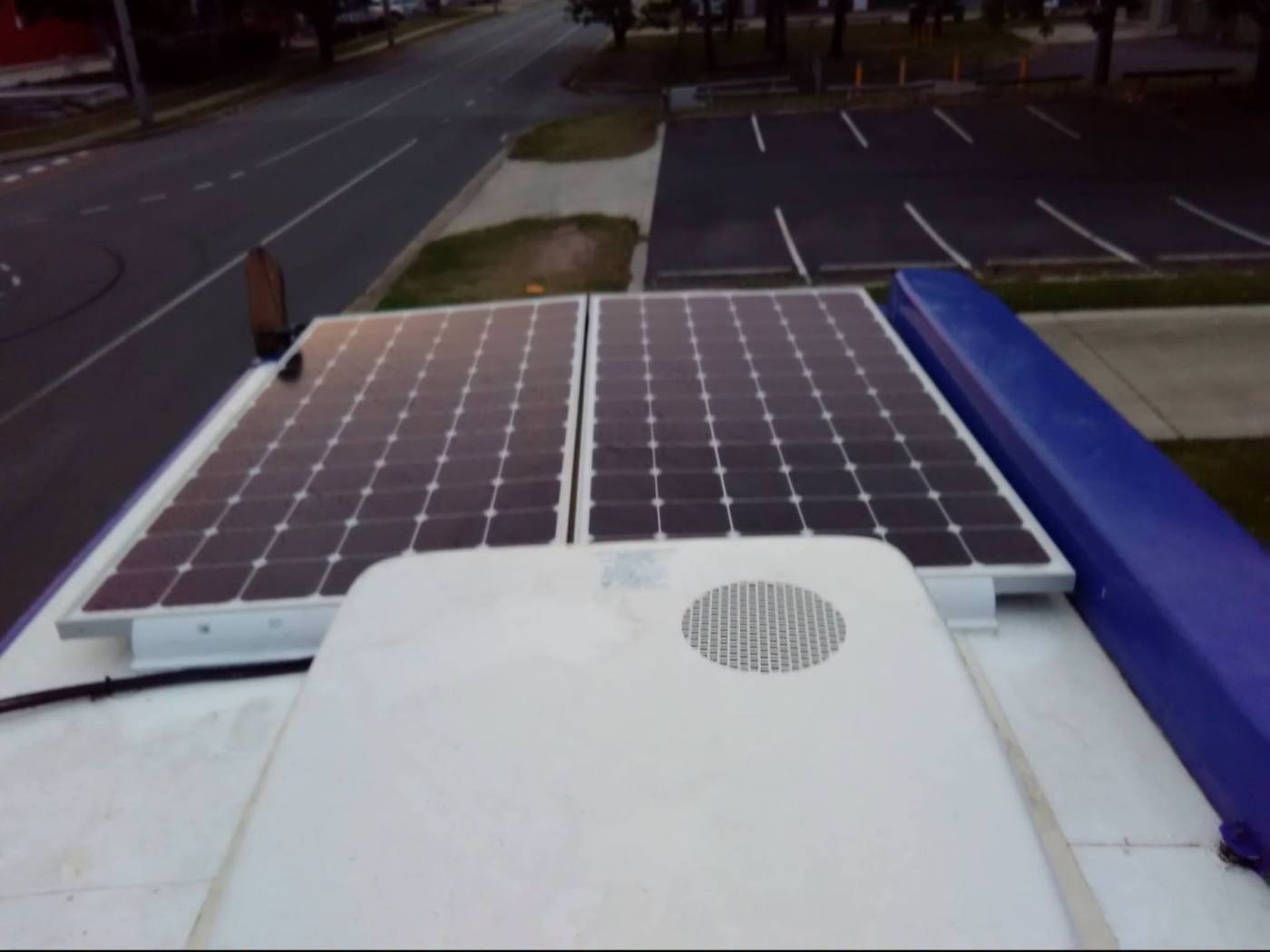
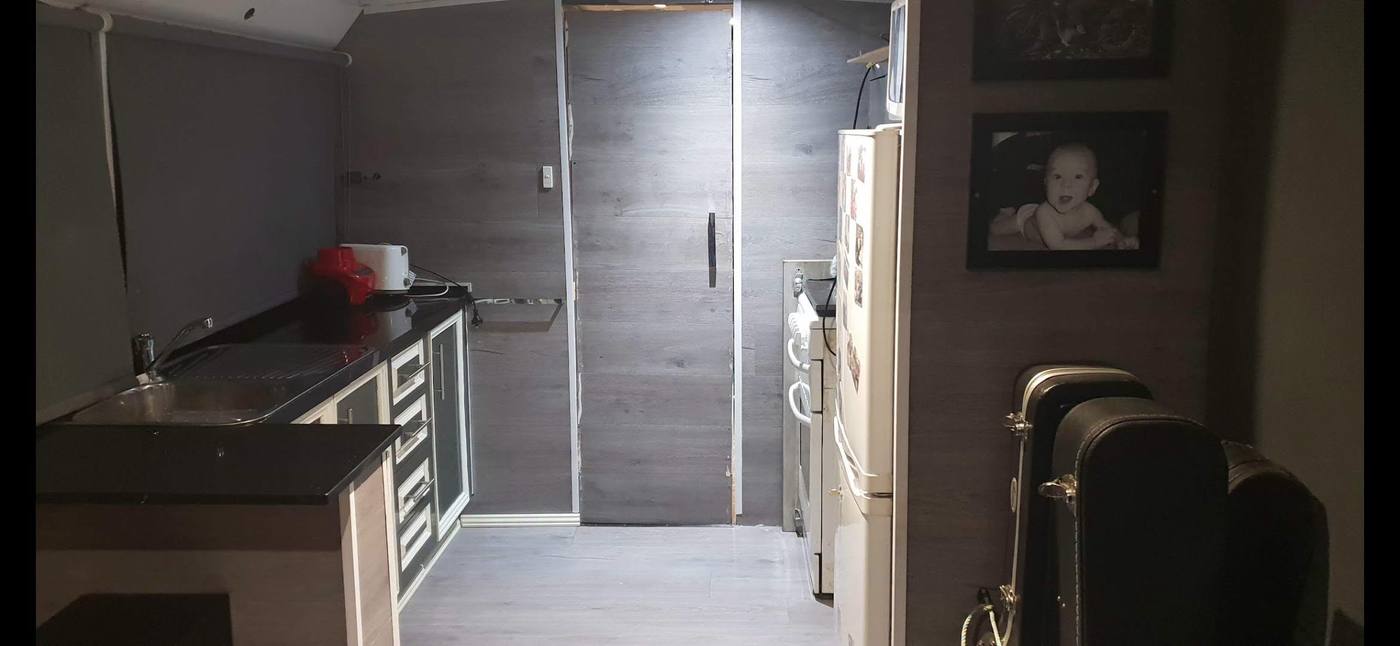
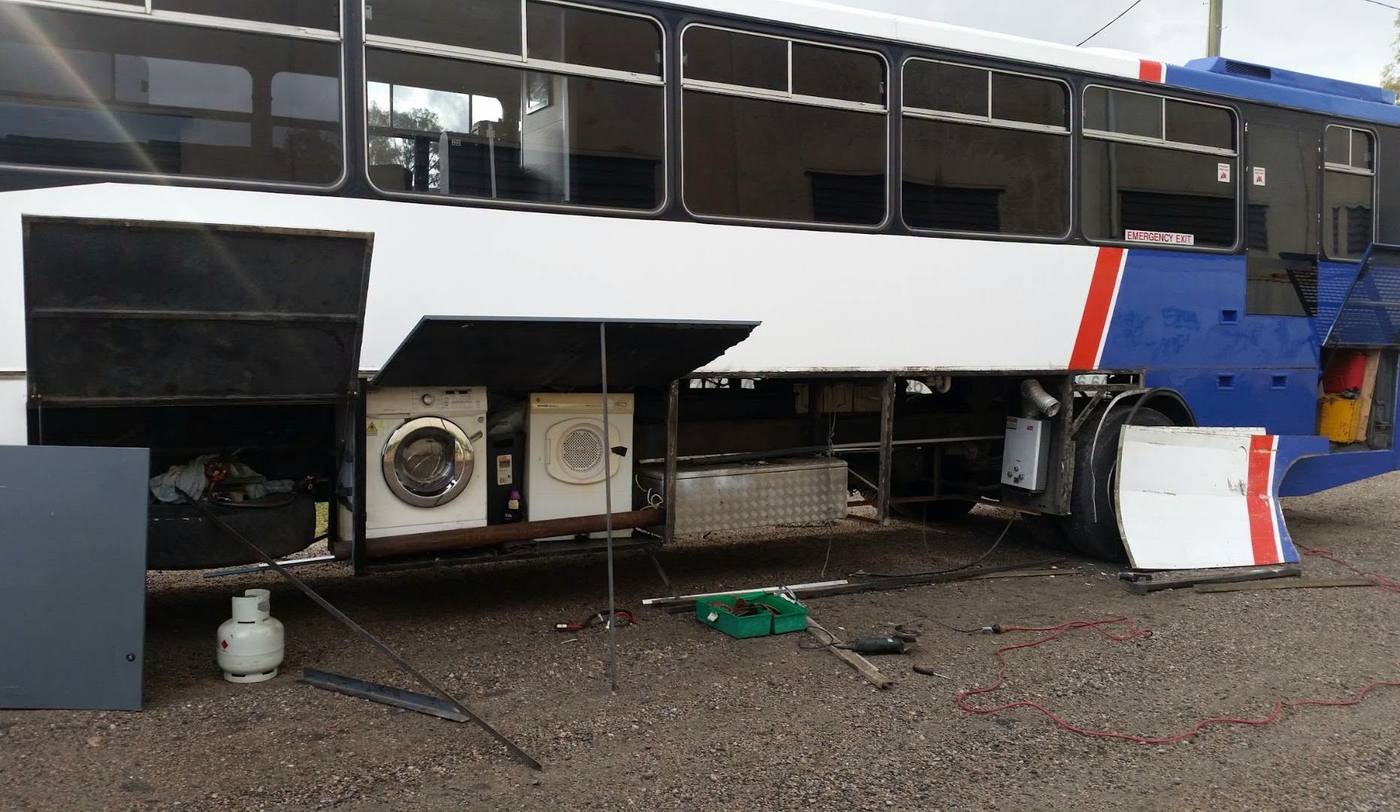
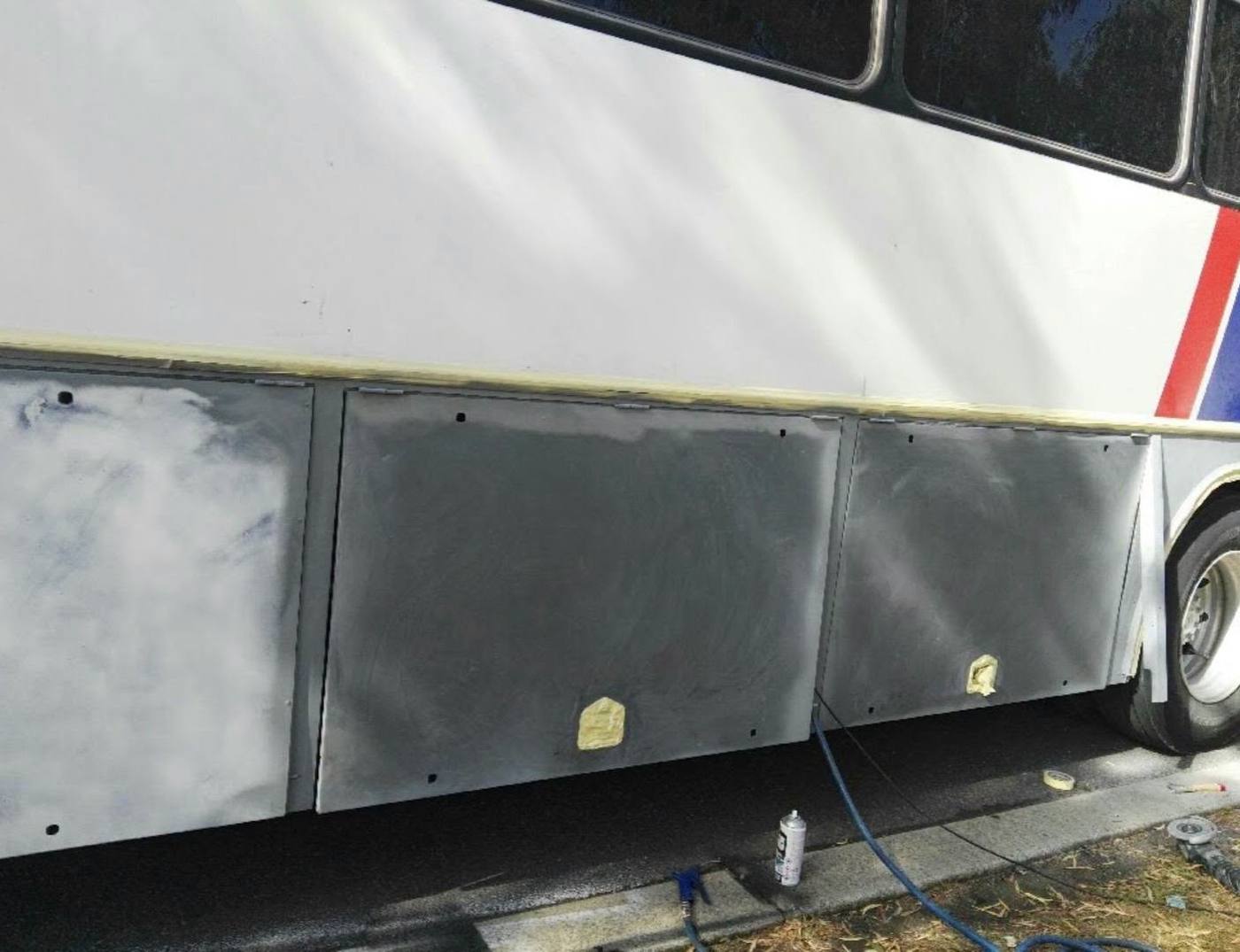
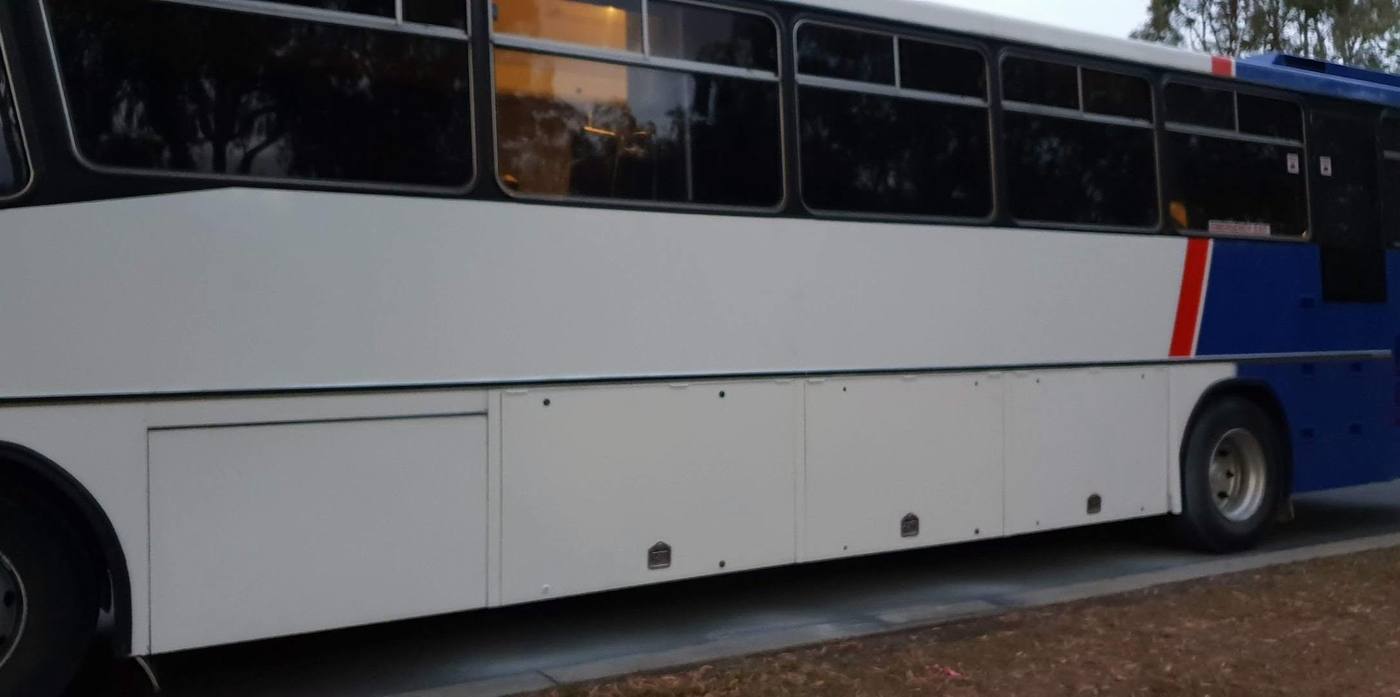
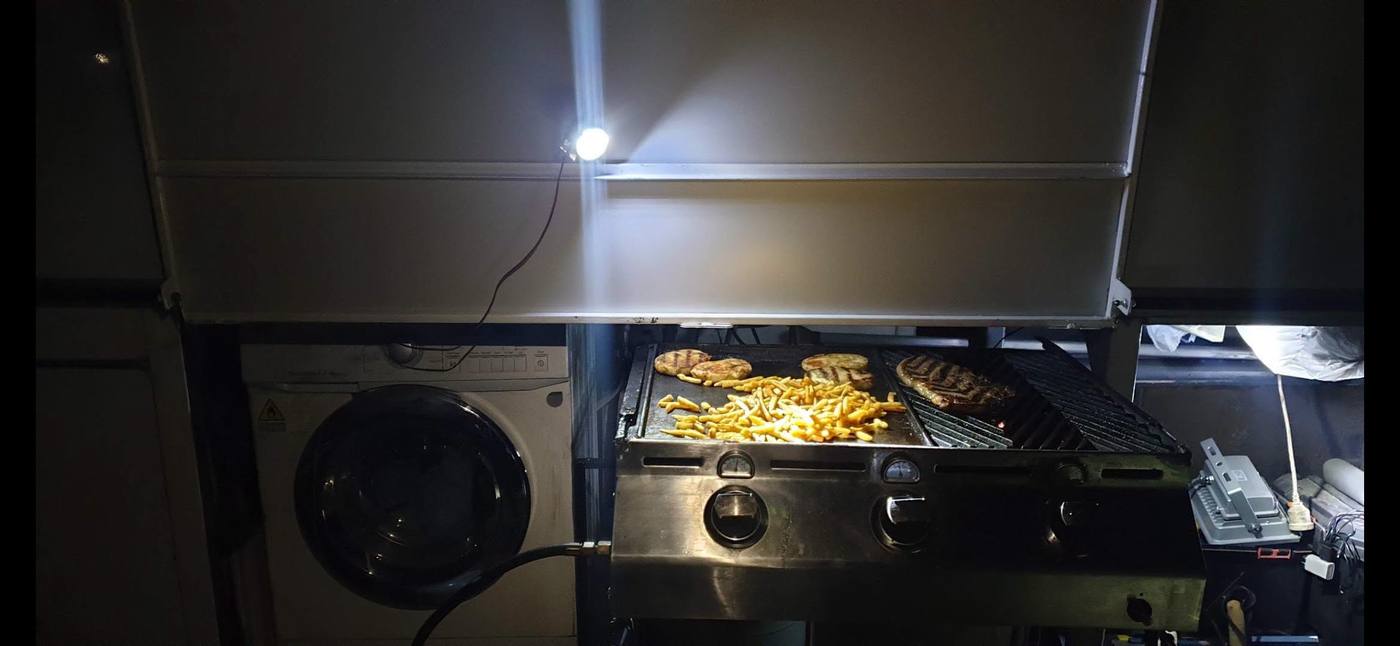
Water tanks went underneath, followed by pumps and plumbing. Then came solar panels, batteries and a built-in generator. Over time, I installed air-conditioning, a kitchen, microwave, fridge, BBQ, washing machine and clothesline. I built storage underneath the bus, added a motorcycle rack and even created under-bus storage for a kayak. Every new addition made life a little easier and brought the old coach another step closer to becoming the home I had pictured in my head.
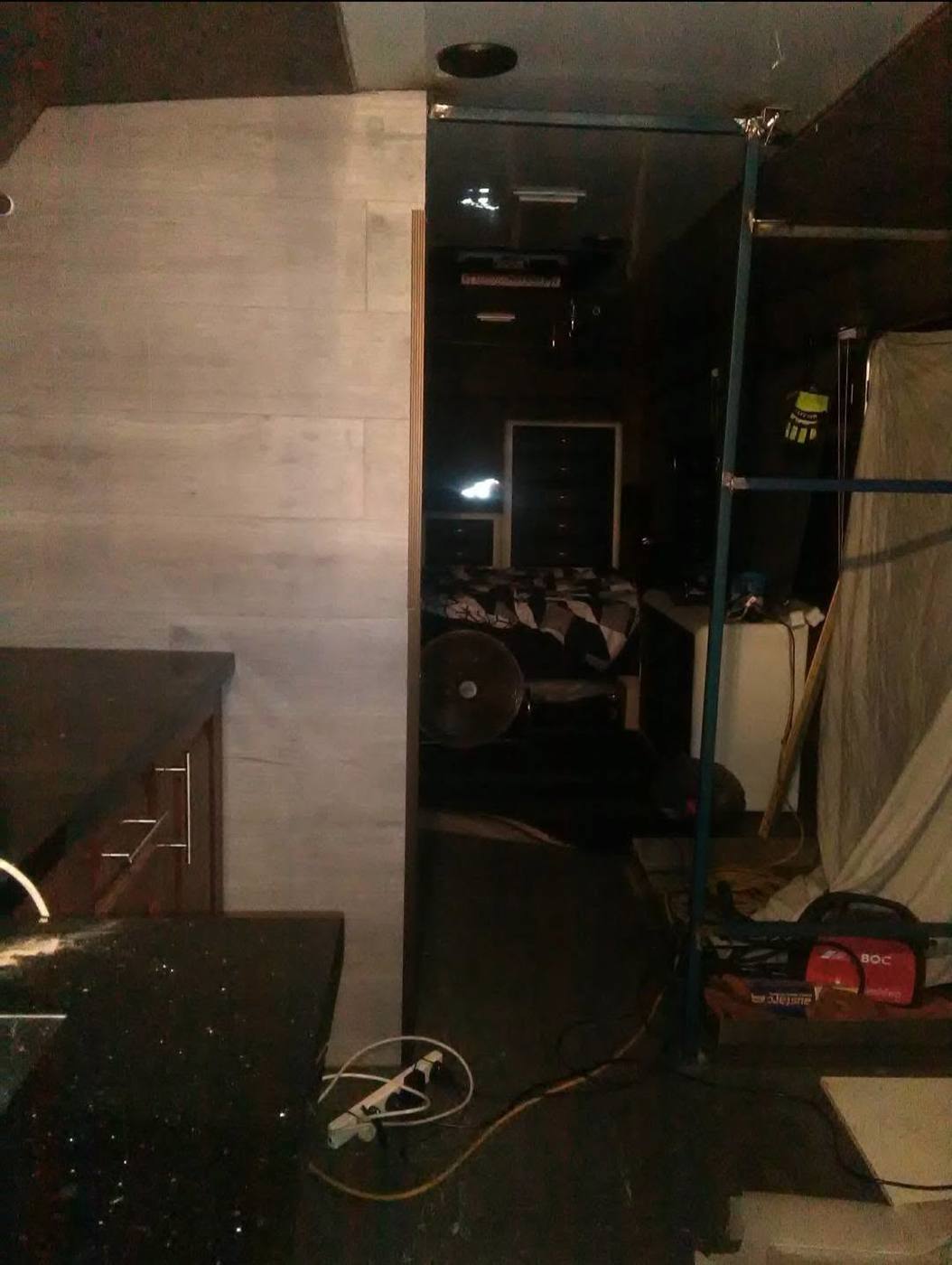
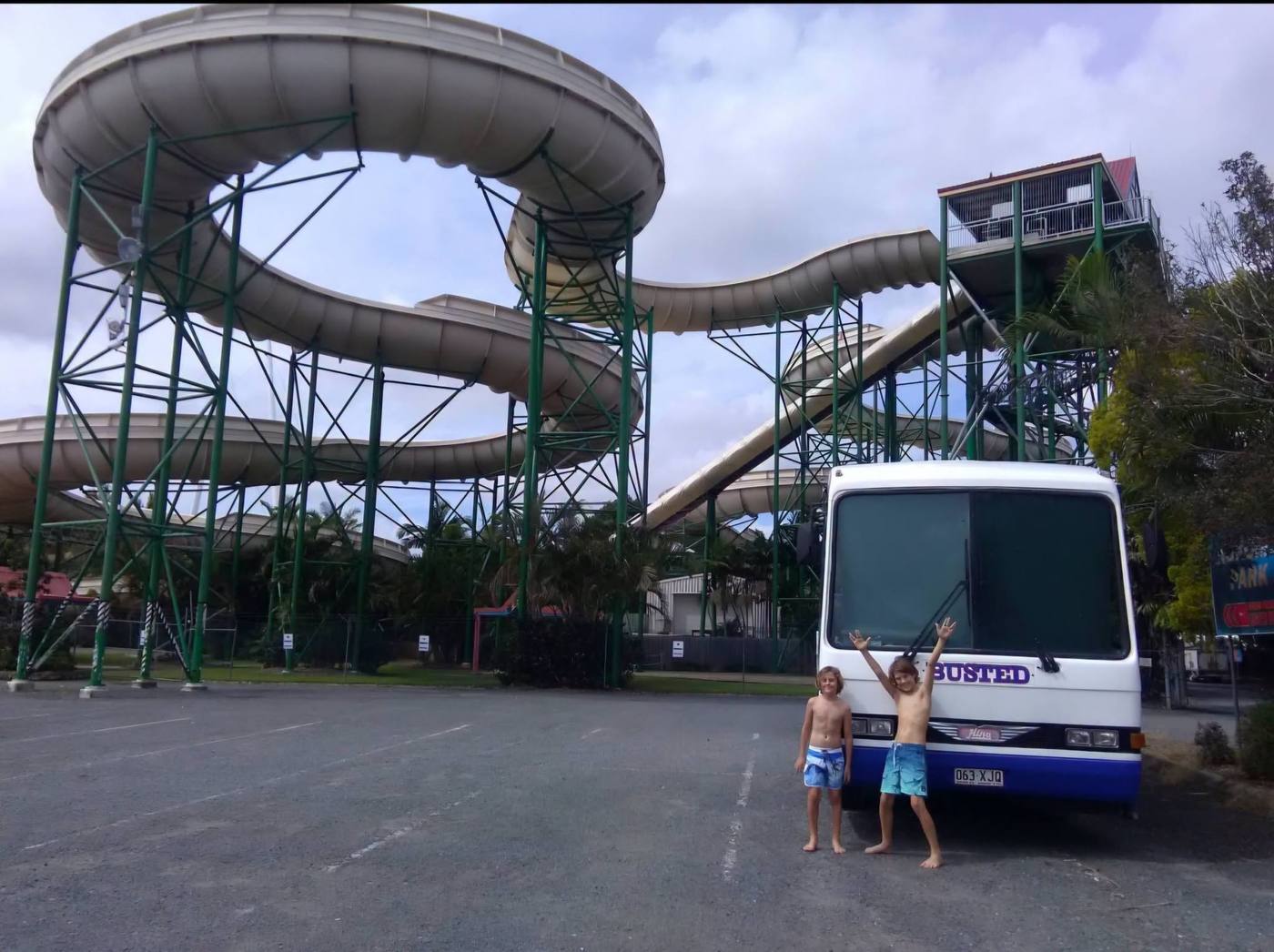
I called her Busted.
The name suited her. Looking back, it probably suited me as well.
People would sometimes refer to me as homeless. Technically, I guess I was. I didn't have a fixed residential address in the traditional sense. I didn't own land, rent a house or have a permanent place where I was legally entitled to park every night. At the end of every working day, I had to find somewhere I could quietly park my home without causing problems or attracting unwanted attention.
I didn't see myself as homeless, though. As far as I was concerned, I had a mobile home that belonged to me. Nobody could increase the rent. No landlord could tell me I had to leave because they wanted to sell the property. If I didn't like where I was, I could turn the key, start the engine and take my entire house somewhere else.
There was something incredibly freeing about that, but there was another side to it as well.
Driving forty feet of bus everywhere is not particularly convenient. A quick trip to the shops required planning, and parking wasn't something you could take for granted. Fuel wasn't cheap, registration wasn't cheap, insurance wasn't cheap, and maintenance on a commercial-sized vehicle could quickly empty your wallet. Every repair seemed bigger, heavier and more expensive than the equivalent job on a normal vehicle.
Then there was the loneliness.
That was probably the part I didn't talk about.
During the week, after work was finished and the tools were eventually packed away, it was often just me sitting inside this enormous bus parked somewhere in the darkness. There were no neighbours I knew, nobody waiting inside for me and no familiar street outside the window. Some nights there wasn't another person anywhere nearby.
There was just me and Busted.
Sometimes I would park at Pelican Park. At one stage there were hot showers available there, which made it a particularly useful place for someone living the way I was. It was also there that I began noticing other people arriving late in the evening and settling in for the night.
Some were sleeping in cars.
Some were families.
I would watch a car pull up and realise that everyone inside was going to spend the night in it. Parents and children would somehow make themselves fit among their belongings and try to get some sleep. Meanwhile, I was sitting nearby with forty feet of space to myself.
I remember feeling guilty about that.
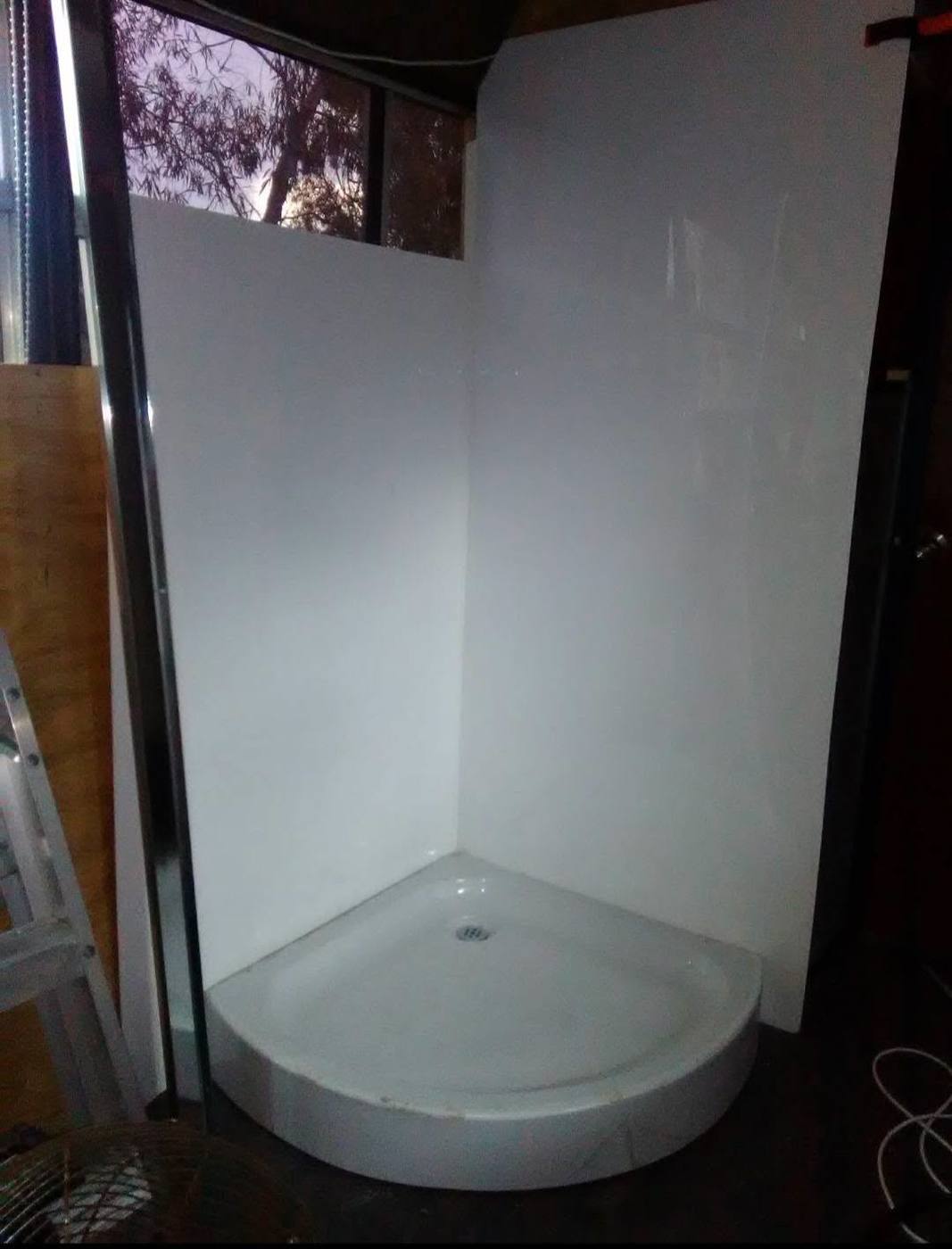
I knew my own living situation wasn't conventional, but I had room. I had a bed. I had power, water and eventually a kitchen, toilet, shower and most of the things found inside a small home. Just metres away, an entire family might be trying to sleep inside a car.
At the time, I didn't understand homelessness in the way I do today. I certainly couldn't have imagined where my own life was eventually heading or that years later I would spend so much of my life meeting families living in cars, tents and makeshift camps. Back then, they were just people I happened to notice while I was living my own unusual life.
But I noticed them.
And I remember how uncomfortable it made me feel.
The weekends were different. The weekends were what made so much of it worthwhile.
I would pull up outside where my boys were staying, open the door and ask them the same question.
"Where are we off to this weekend?"
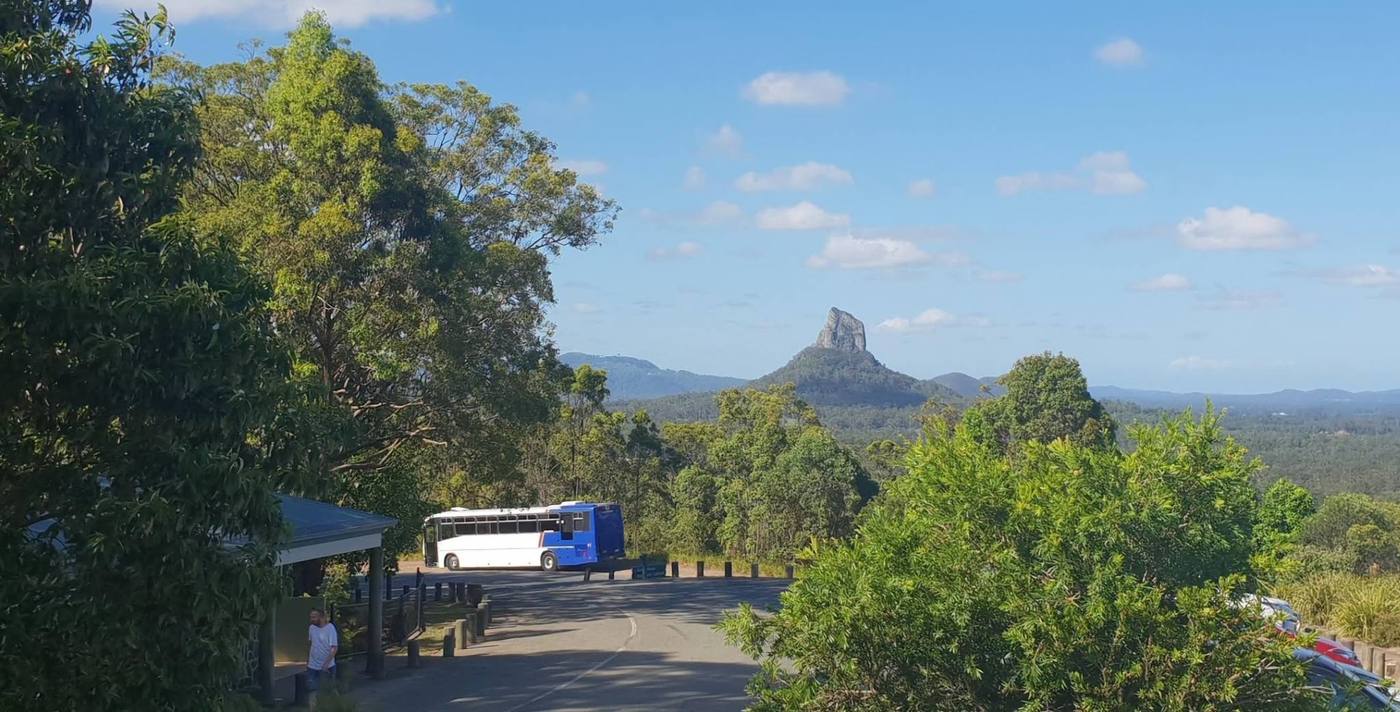
Suddenly, the thing that made my weekday life difficult became one of the greatest adventure vehicles a father could ask for. We would head down to the Gold Coast and Wet'n'Wild, which conveniently had coach parking. We would head north to the Sunshine Coast, out towards the Glass House Mountains, across to Bribie, or wherever else sounded good at the time.
There didn't always need to be a plan. That was part of the beauty of it.
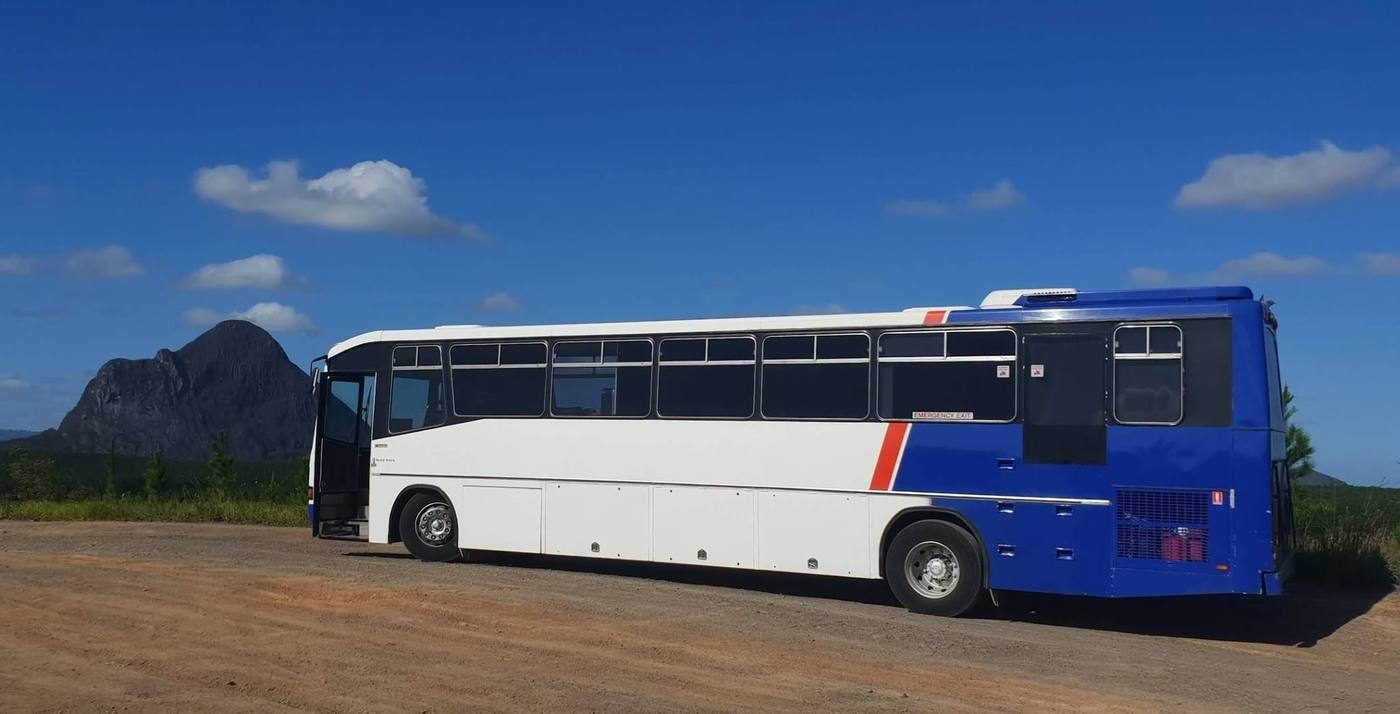
We had beds, food, water and power. Eventually, we had nearly everything we needed right there with us. We could point Busted in a direction and go. Every weekend could become a new adventure, and some of my happiest memories from those years were made inside that bus with my boys. For them, Dad arriving in a huge coach probably felt exciting. For me, those weekends gave me something to look forward to during weeks that were becoming increasingly difficult.
For much of that period, I was single. Surprisingly, the bus didn't seem to hurt my dating prospects as much as you might imagine. Some women actually liked the bohemian, free-living lifestyle that came with it. I would joke that I owned my own home, and technically I wasn't lying.
The part I didn't joke about was why I was really living the way I was.
Behind the solar panels, water tanks, weekend adventures and humour, my addiction was continuing to grow. I was still functioning, still working and still managing to keep most parts of my life moving, but I was becoming increasingly good at hiding how badly things were beginning to unravel inside me.
From the outside, I could make my life sound almost enviable. I had no rent, no mortgage and no landlord. I had a job, a huge motorhome, the freedom to travel and weekends exploring with my kids. There were genuinely good parts to that life, and I don't want to rewrite history by pretending there weren't.
However, freedom and isolation can sometimes look remarkably similar from the outside.
During this period, I became increasingly withdrawn from my family. I stopped turning up to things and began avoiding family events. I didn't want my brothers or sisters looking too closely at me because I was frightened they might see what I was desperately trying to hide. I didn't want them knowing how deeply addiction was beginning to get its hooks into me or how much shame I was carrying underneath everything else.
Shame can make you do strange things. Instead of reaching towards the people who love you, it can make you pull away from them. Instead of asking for help, you learn how to hide. Eventually, you become so good at hiding that the people around you may not realise how much trouble you are actually in.
The bus made disappearing incredibly easy.
If I didn't want to see anyone, I didn't have to. I could drive down some forgotten country road, pull over, close the curtains and disappear for the night. Nobody knew exactly where I was, nobody could see what I was doing, and by five the next morning I would be gone.
There was one conversation with my sister that I have never forgotten. She asked me where I was staying, and I told her I was parked down the end of a country road somewhere.
She sounded concerned and asked, "Aren't you worried about the weirdos that go down there at night?"
I replied, "I am the weirdo that's down there at night."
She laughed, and I laughed too.
It was funny, but underneath the joke was a truth I didn't really want to acknowledge.
There I was, alone in a forty-foot bus at the end of some dark country road, working a full-time job, battling an addiction nobody fully understood, distancing myself from the people who loved me and pretending everything was exactly how I wanted it.
The strange thing is that part of it genuinely was.
That's what makes this period of my life difficult to explain. Busted wasn't some miserable prison that I hated living in. I loved that bus. I loved building it with my own hands. I loved the freedom it gave me, and I loved waking up somewhere different. Most of all, I loved the adventures it gave me with my boys. Some of those memories remain incredibly precious to me.
At the same time, Busted was becoming my hiding place.
Every improvement I made to the bus made it easier to live outside what most people considered a normal life. The better I made it, the less reason I had to return to conventional housing. The more isolated I became, the easier it was to hide what was happening to me.
I had walked away from a housing situation I couldn't afford and built myself something that, on the surface, solved the problem. What I didn't understand at the time was that some problems couldn't be fixed with solar panels, batteries, water tanks and a generator.
I could build plumbing. I could wire electrical systems, fabricate storage and install a kitchen. I could take an empty forty-foot coach and, with enough determination and sleepless nights, turn it into a fully functioning home with my own hands.
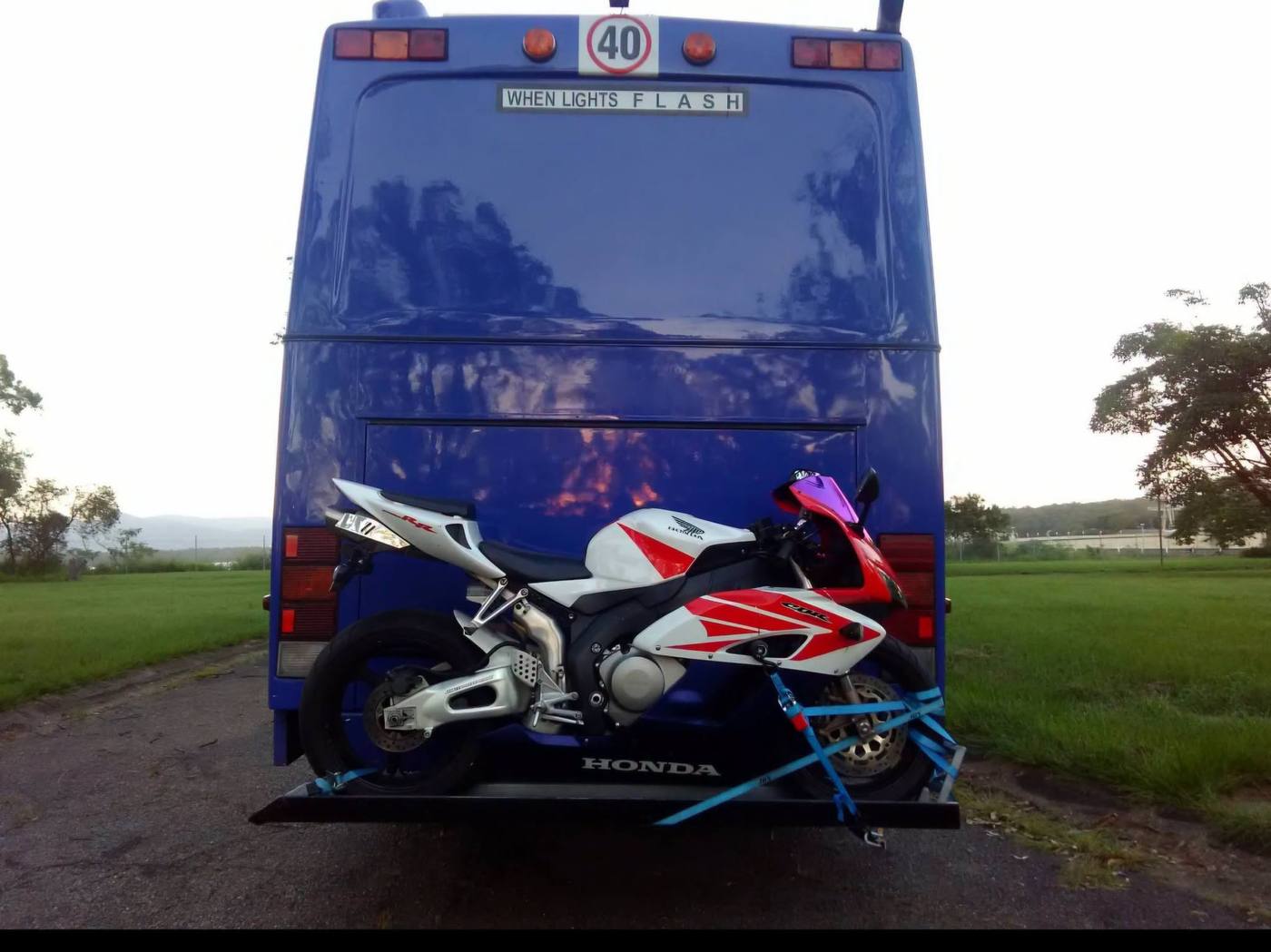
What I couldn't seem to rebuild was myself.
Looking back now, I can see a man desperately trying to remain functional. I worked, paid my bills, maintained my vehicle and loved my children. I took my boys on adventures, laughed, joked and continued convincing the people around me that I was doing alright.
There was still plenty of good in my life. There was still laughter, adventure, love and a future that I could have reached for.
But underneath it all, addiction was tightening its grip.
I didn't know it yet, but the bus I had built to give myself freedom would carry me through some increasingly dark chapters of my life.
Her name was Busted.
At the time, I thought I had named the bus.
Looking back, perhaps I was describing myself.