PROFILE OF PETER BEATON
Before starting on my personable profile, I feel that a brief family history would be of interest. My grandfather, Alexander (Sandy) Beaton was born in Inverness, Scotland, and came to Australia as a young man to settle in the Grafton area of N.S.W. A carpenter by trade but with a leaning towards the land he selected a holding with a view to farming. This was not successful and he moved to South Australia where he worked at his trade until he heard of the discovery of gold at Nullagine in W.A. He could not resist and eventually arrived at the diggings where he worked for a number of years with only reasonable success.
He disposed of his mining lease and moved South to the Dongara area where he remained for a time before taking up land in the Yandanooka district on Greenbrook which he named "Beatonsfield" and farmed for quite some years with success. He then purchased Thunderlarra station between Yalgoo and Paynes Find and it was from here that father, Charles Beaton, met and woo-ed one Lotte Broad, daughter of Emma Ke Broad who owned Wydgee station nearby. It is interesting to note that during the courtship my father would ride a push bike from Thundalarra to Wydgee each Sunday to visit my mother. (A trip of 52 miles each way!) They raised a family of eight of which I was the youngest and by the time I arrived Thundalarra was fairly bulging at the seams as there were four Beaton brothers who by this time were all married with children and Father decided it was time to move.
He purchased Cogla Downs station midway between Cue and Sandstone and it was here that I spent my younger days. In the early 1930's wool was not bringing a very good price, an average of around sixpence per pound was the main and our costs to grow it were around seven pence! It was decided that it was necessary for two of the brothers to take employment elsewhere and I was the first to go. At this stage mining was on the up and coming with many mines in the Murchison getting ready to produce and to mention just a few--- Reedy, Wiluna, Big Bell etc.
I was fortunate to get a job as assistant on a diamond drilling rig at the Gladiator mine at Laverton, the mine manager was my brother in law Harold Thomas who had married one of my sisters whilst he was, at that time, exploration manager at Big Bell. The diamond drill was driven by steam and my main duty was to maintain working pressure in the boiler by the seemingly endless application of vast quantities of mulga logs into the firebox, not much of a job at midday in summer (as hot in Laverton meant HOT!) but quite acceptable in the early morning during the nightshift when it could get very cold around 3-5 AM. I moved on from Laverton to Kalgoorlie where I got a job with Gold Mines of Kalgoorlie at their Oroya South prospect where they were in the process of constructing a gold treatment plant and my job was feeding a very large concrete mixer by shovel.
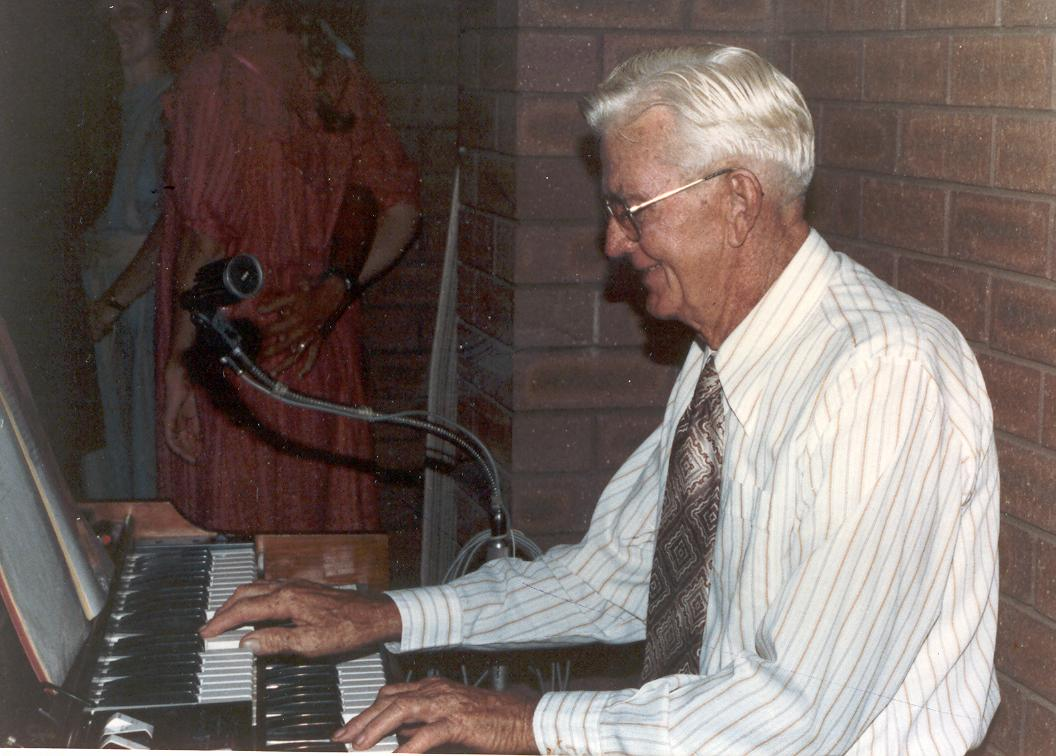
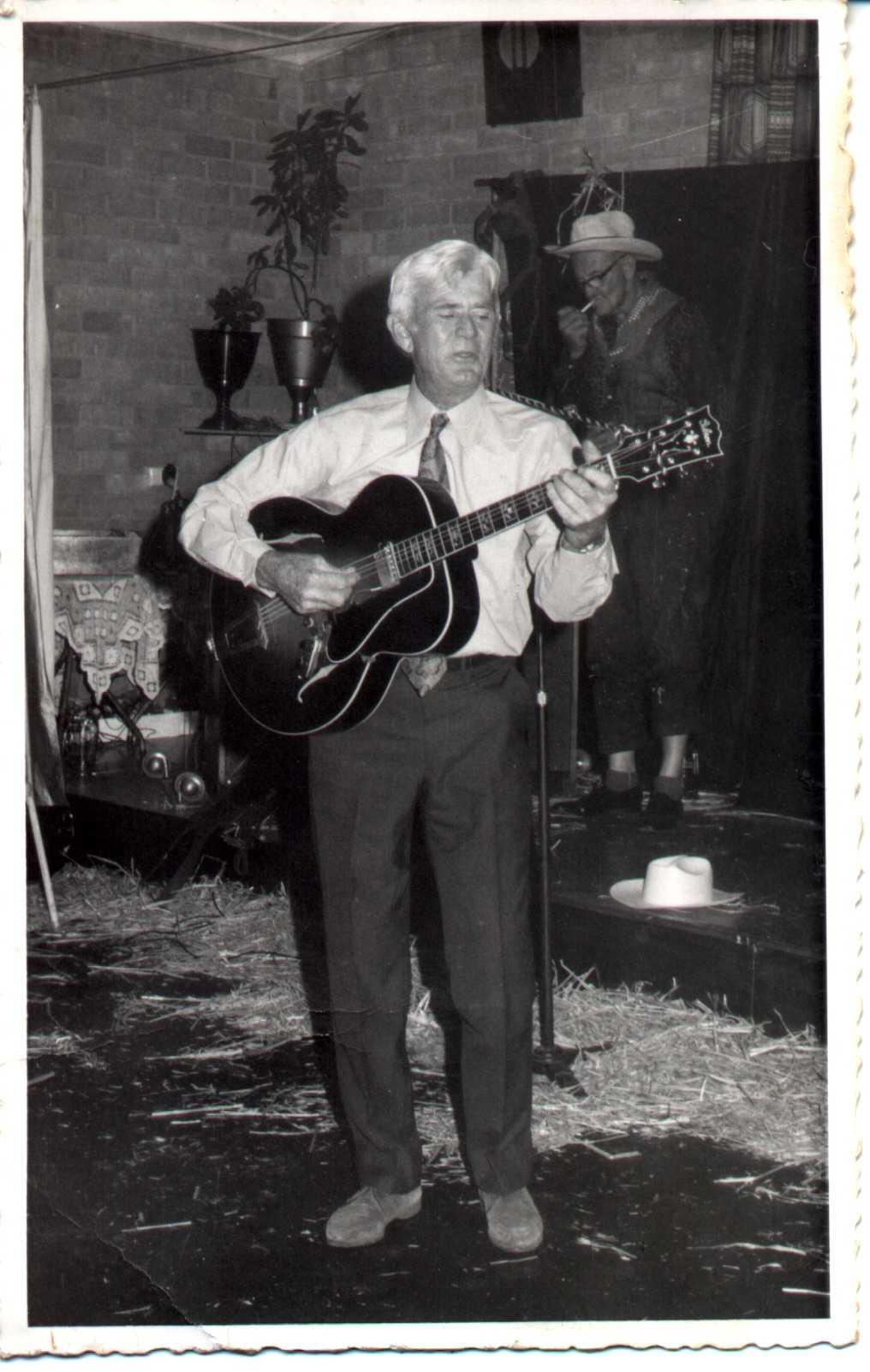
After some seven months I became ill with rheumatic fever and was forced to return to the station to convalesce as the fever had left me with a heart condition known as a "murmur" and I was to remain in bed for nearly eight months. As recovery got under way I was required to do a measured amount of exercise each day, and the initial measure was playing the piano, of which I was rather fond, and later on to playing so many holes of golf each day. (Father, who loved golf, had laid out a nine hole course at the station homestead.) Out of bad news came good news, as I finished up being a reasonable golfer and musician!
On getting the OK from my Dr that I could once again go to work, I got a job with the De Grey River station inland from Port Hedland as a windmill expert where I remained for about one year when I got a promotion to overseer on Warrawagine Station some 90 miles East of Marble Bar. This was a large station carrying around 70,000 head of sheep and was situated on the banks of the Nullagine river and the Oakover river. Both these rivers joined to become the De Grey river.
World War II started while I was at Warrawagine and shortly after the war started I had the job of droving 7,000 wethers to Murramunda station near Gigalong north of Meekatharra, a droving distance of several hundred miles which took quite some weeks. The droving plant consisted of 35 native stockmen, some 60 riding horses, a chuck wagon drawn by four of the crankiest mules you ever did see, three native ladies to attend to the tucker, (Wives of three of the stockmen) and myself as boss drover. I had my 21st birthday during this trip.
I have just mentioned the mules and it seems fitting here to tell of the general procedures that took place when breaking camp each morning. First the wagon would be loaded with the odds and sods of camp gear which were securely lashed, the mules were then stood in place, two shafters and two leaders with the leaders being held by the head, the driver, Paddy by name would then climb very carefully to his driving seat at the front of the wagon and in absolute silence gently take up the reins, he would then nod to the stockmen holding the two leading mules who would then leap out of the way and it was on for young and old. Once started the mules had only one speed and that was flatout, with billy cans and buckets swinging at the back of the wagon and screams of mirth from all concerned!
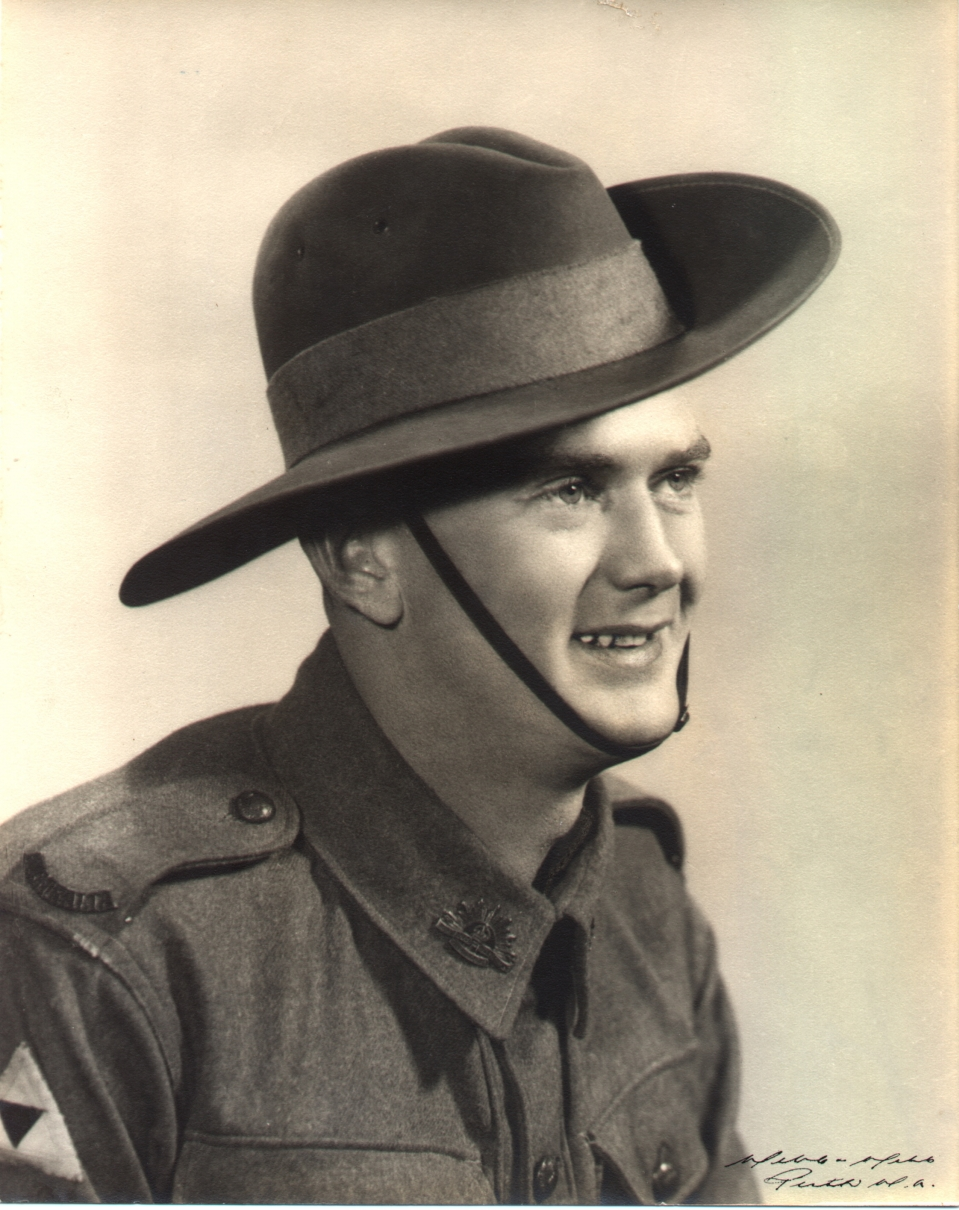
On delivery of the sheep the droving plant was sent back to Warrawagine but I continued on to Perth as I was due for holidays. And here I must say I did the dirty on my employer by joining the army in what was known as the Universal Trainee Scheme and being absorbed into the 13th Field Ambulance doing a three months training camp at Melville near East Fremantle. On completion of the camp and not wishing to return to the Nor'West I applied to join the A.I.F. but was rejected and classified B2 as there was still evidence of a heart murmur from my bout of rheumatic fever in my early life, but I was acceptable for full time home duty and finished up as a despatch rider at Western Command Headquarters in Francis Street, Perth.
Here I remained for quite some time until the recruitment for the A.I.F. became less choosey and I was accepted medical class B2 as a transport driver to join "C" Company, 2/4 Machine Gun Battalion who were then training at Northam. Several weeks after my joining we were moved to Woodside in South Australia for a further period of training and thence to Darwin going overland via Alice Springs, three months at Darwin and we embarked for overseas in a 6,000 ton ship called the Morella which was a very old vessel and prior to World War I was the private yacht of Kaiser "Bill" of Germany.
This ship took us to Port Moresby where we transhipped onto a very large boat called the Aquitania, a passenger liner of the Cunard Line that had been converted to a troopship. We cruised around for many days and surprise-surprise woke up one morning to find the ship at anchor in Sydney Harbour! A two day leave pass was granted to all hands and (I think) enjoyed by all hands as the Sydneysiders gave us a wonderful time. I feel that I missed some of the two days of leave as I was a bit hazy here and there on certain aspects due to the excellent hospitality offered and accepted. After many more days at sea with no land in sight we found ourselves anchored in Gage Roads off Fremantle where we remained for two days.
We then travelled to Sunda Straits which is the stretch of water between Java and Sumatra where we transhipped onto very small Dutch coastal boats which took us through the islands to Singapore where we were put into machine gun emplacements to defend the island. I was in a section on the West coast and did not see any of the hard fighting as the Japs bypassed the area. After the surrender I spent several months in Changi P.O.W. camp before leaving by ship and going North up the coast of Malaya on the Western side to land at a place called Victoria Point which is the Southernmost part of Burma where we were put to work by the Japs building a fighter airstrip.
We then walked some 90 miles to a small village called Ye and after several weeks walked another stretch to a town called Thanbyuzayat which is situated some 40 miles South of Moulmein in Burma and was where the railway was started that was to link up Burma to Siam, or Thailand as it is now known. I was in the first group of 60 men that started work on the railway and was still working (cutting firewood for locomotives) when the war finished. I remained in Bangkok for some two months after the end of the war with a concert party to entertain the men who were too sick to move home and when this was finished I was flown to Singapore by RAAF Dakota where I boarded a ship called the Moreton Bay and was landed back in Fremantle and put into Hollywood hospital for a few weeks for checking and to be fattened up a bit before being discharged from the army.
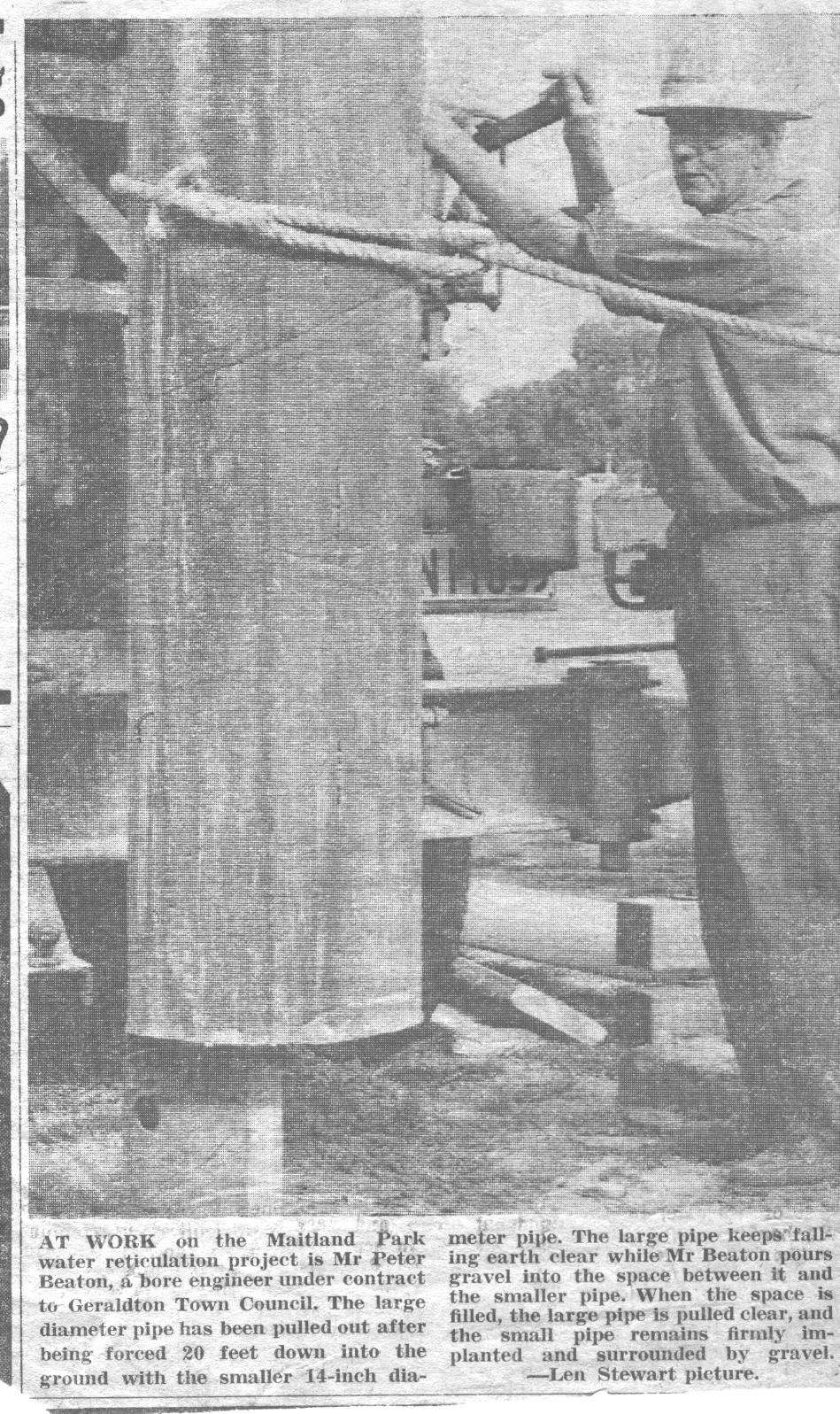
My first inkling was to get back into the pastoralist industry that I knew so well and liked so much but this proved impossible as I wanted a station of my own but could not raise the finance so I finally set up as a drilling contractor engaged in the discovery and recovery of underground water starting in the Murchison area and over the first couple of years worked my way from Meekatharra down through Cue, Mount Magnet, Yalgoo, Mingenew and to a job at Irwin to do a couple of bores.
I remember very well coming over the bank at Strawberry on my way to the Irwin job on a very hot February day and as I started the descent down towards Irwin I met with the sea breeze and I said to myself "Peter, this is where you stay." That I did for I lived in Dongara for some fourteen years and constructed many bores in the district. One of these bores were drilled for a Probus member in Alec Vince on a sandplain block he had taken up at Allanooka, this bore went to a depth of some 500 feet with the contract price in those days being one pound per foot. Alec was suffering from ulcers at the time and as he watched the bore going deeper and deeper so his ulcers niggled more and more! The bore was a success and as far as I know is still working today.
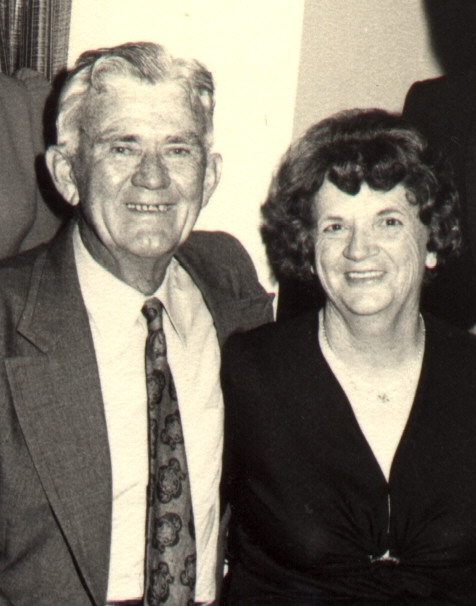
I moved to Geraldton in 1966 to be more central for my work and bought a house at Bluff Point where I live today. Since the loss of my wife Val five years ago I still continue to live at Bluff Point but spend a great deal of my time up in the station country with old friends helping where I can and while I continue to be fit and in reasonable health I will keep on doing just that.
Peter.